Pickleball Dead Balls: What Stops a Rally Immediately
A practical guide to pickleball dead balls, including faults, out balls, double bounces, hinders, and fair replay decisions.

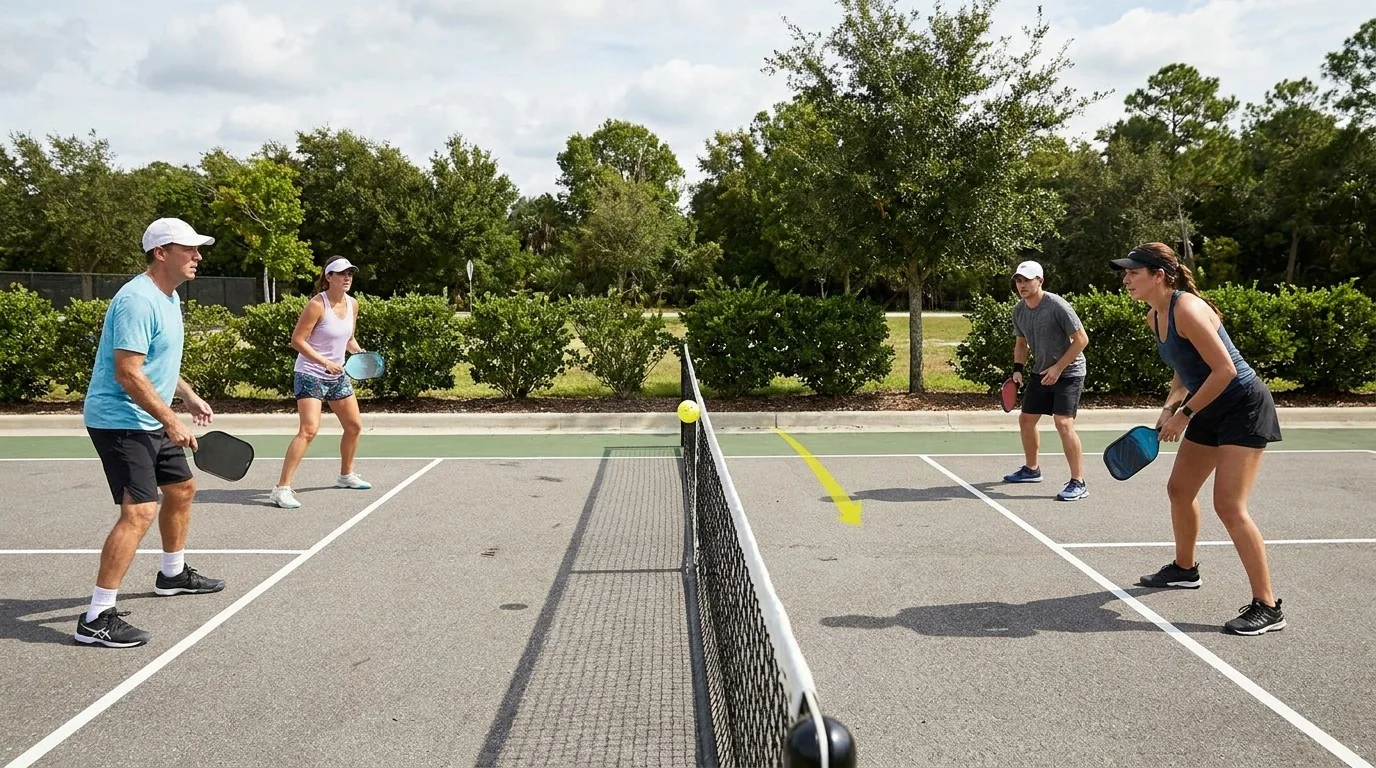
A rally does not continue simply because nobody has shouted “fault.” Some events make the ball dead at once, while others require players to decide whether the rally should stand or be replayed. Knowing the difference keeps casual games calm and prevents a player from hitting a second shot after play has already ended.
Start with the moment the ball becomes dead
A dead ball is a ball that is no longer in play. In ordinary games, the most familiar triggers are a fault, an out ball, or a ball that has bounced twice before a player returns it. Once one of those events is clear, the rally is over; a later hit does not rescue the point or create a new option.
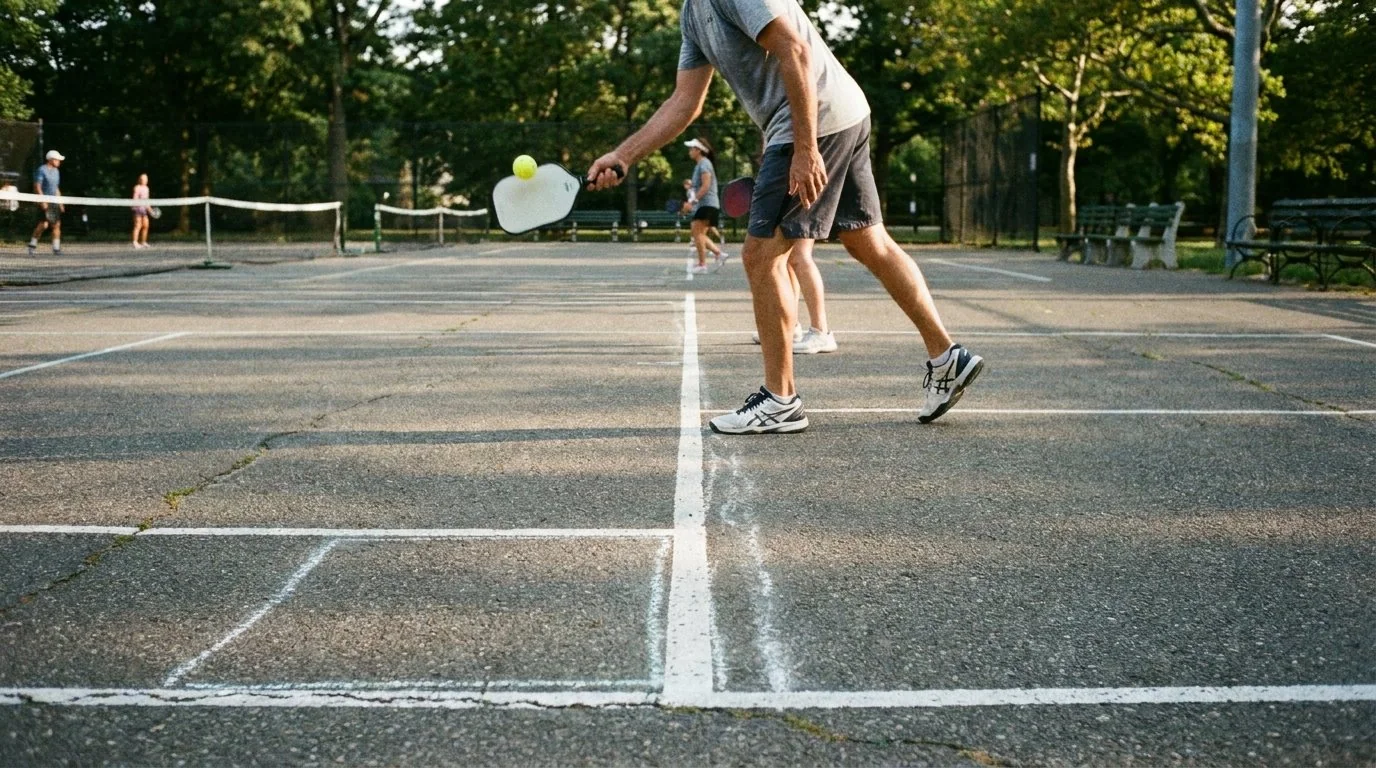
A serve becomes dead when it fails to land in the correct diagonal service court, goes into the net, or commits another service fault. During the exchange, a ball is dead when it is hit out, fails to clear the net, or bounces twice on one side. A player who volleys before the required bounce on each side has also ended the rally with a fault.
The cleanest habit is to call the event promptly and identify what happened: “out,” “double bounce,” or “fault.” Do not keep playing while waiting to see whether an opponent notices. Prompt calls prevent two competing versions of the same rally.
Separate a fault from a replay
Not every interruption belongs to the player who made the last shot. A ball in play that strikes a player, their clothing, or something they are carrying generally creates a fault for the player struck. The same principle applies when a player or paddle touches the net or net support while the ball is in play. These are not automatic replays just because the contact was accidental.
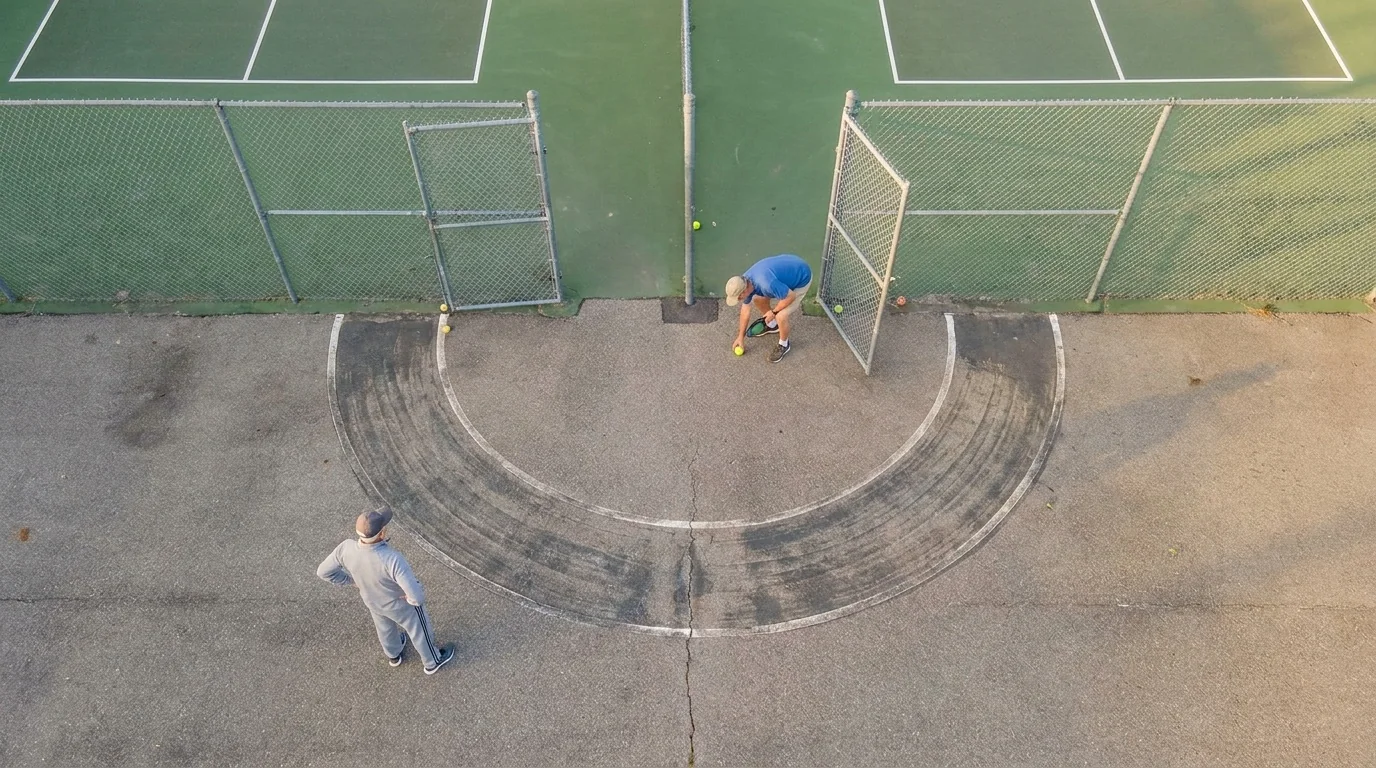
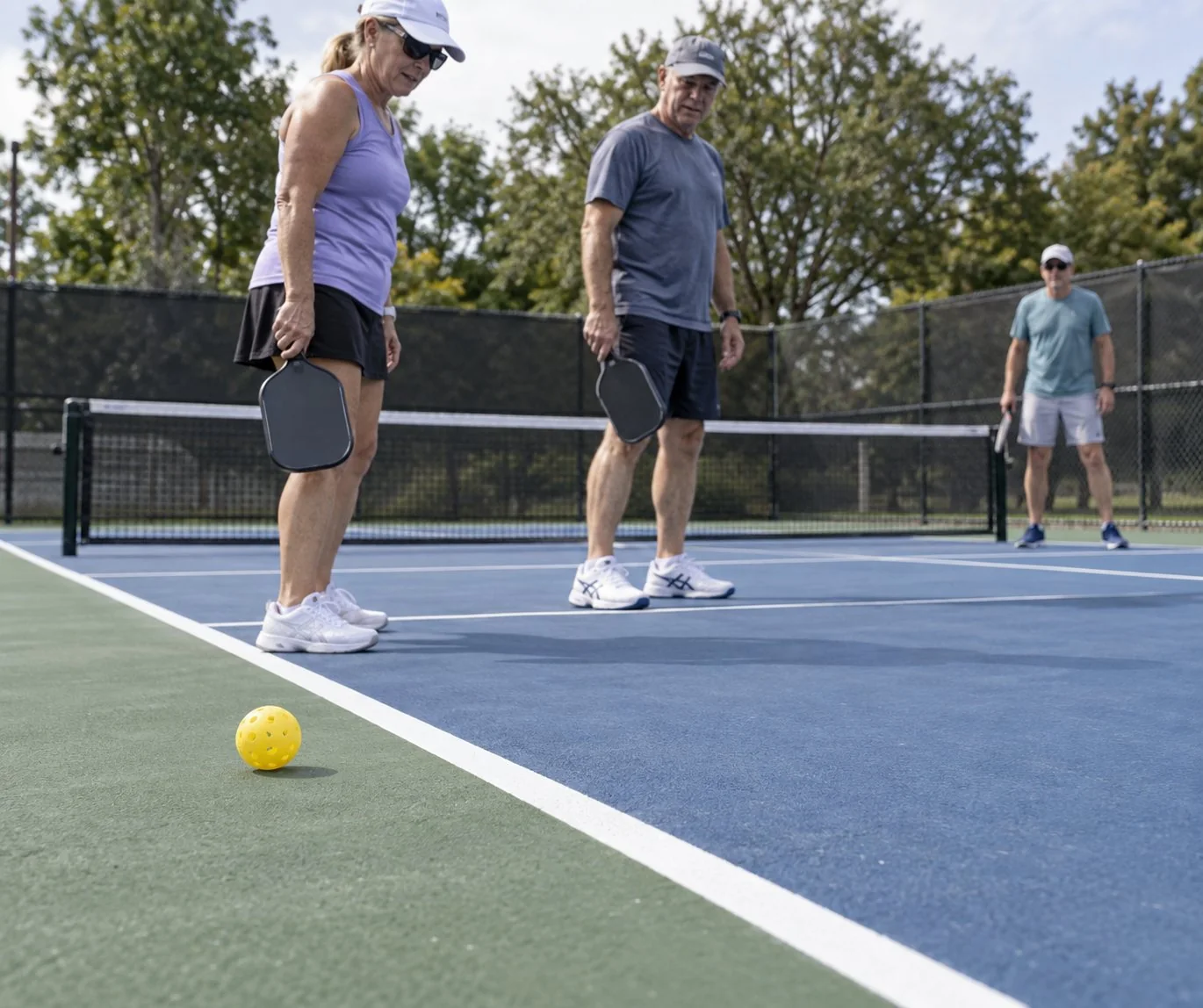
An outside interruption is different. A loose ball rolling onto the court, a person entering the playing area, or another event that interferes with play may call for a hinder decision. The players should stop safely, explain the interference, and agree whether it affected the rally. In organized play, the referee applies the relevant hinder or replay procedure; in open play, cooperation matters more than winning an argument.
A practical call sequence
- Stop moving toward the next shot when the dead-ball event is clear.
- State the event briefly and immediately.
- If the cause came from outside the rally, describe the interference rather than assigning blame.
- Replay only when the interruption genuinely affected play or the agreed rules require it.
- If the players cannot agree, replaying the point is often the fairest recreational solution; record the score only after the decision is settled.
Common mistakes that create confusion
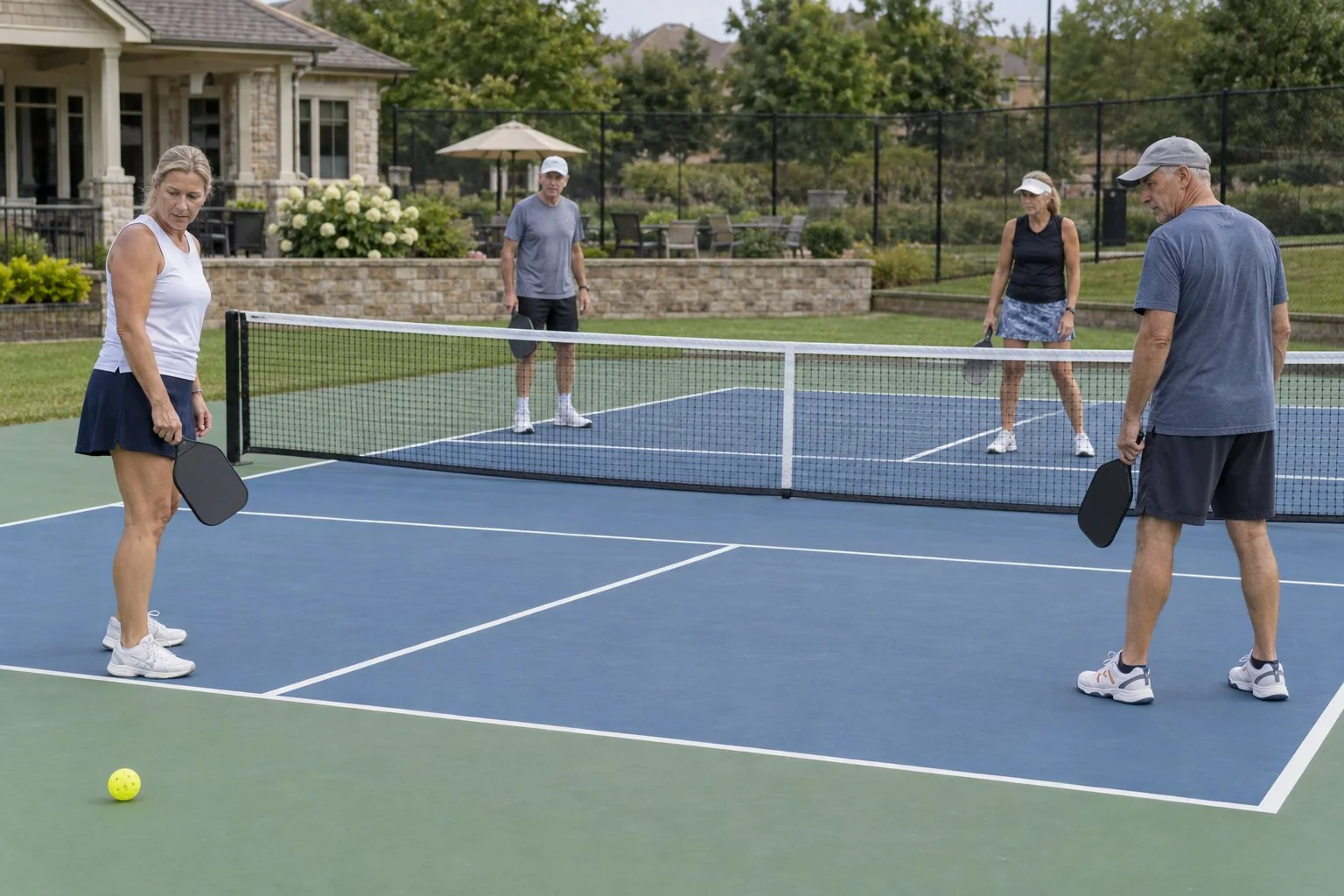
One frequent mistake is calling “let” for every unusual bounce. A ball clipping the net and landing legally during a rally is not automatically a replay. Another is continuing after a clear double bounce, then arguing that the later shot should count. The dead-ball event controls the rally.
Players also sometimes claim an outside hinder after hitting a ball out. Make the call you saw as soon as it happens; do not save a second explanation for after the result is known. Partners may help with calls, but both sides should use ordinary courtesy and give the benefit of the doubt when visibility was genuinely poor.
Before your next open-play session, agree on three basics: who calls obvious outs, how you will handle a ball rolling onto the court, and when a doubtful interruption gets replayed. A short agreement before the first serve is faster than a dispute at game point.