Pickleball Court Gate Swing Arc: Safe Waiting Positions During Ball Retrieval
A narrow guide to announcing gate movement, marking the swing arc, and positioning players safely when a ball must be retrieved.
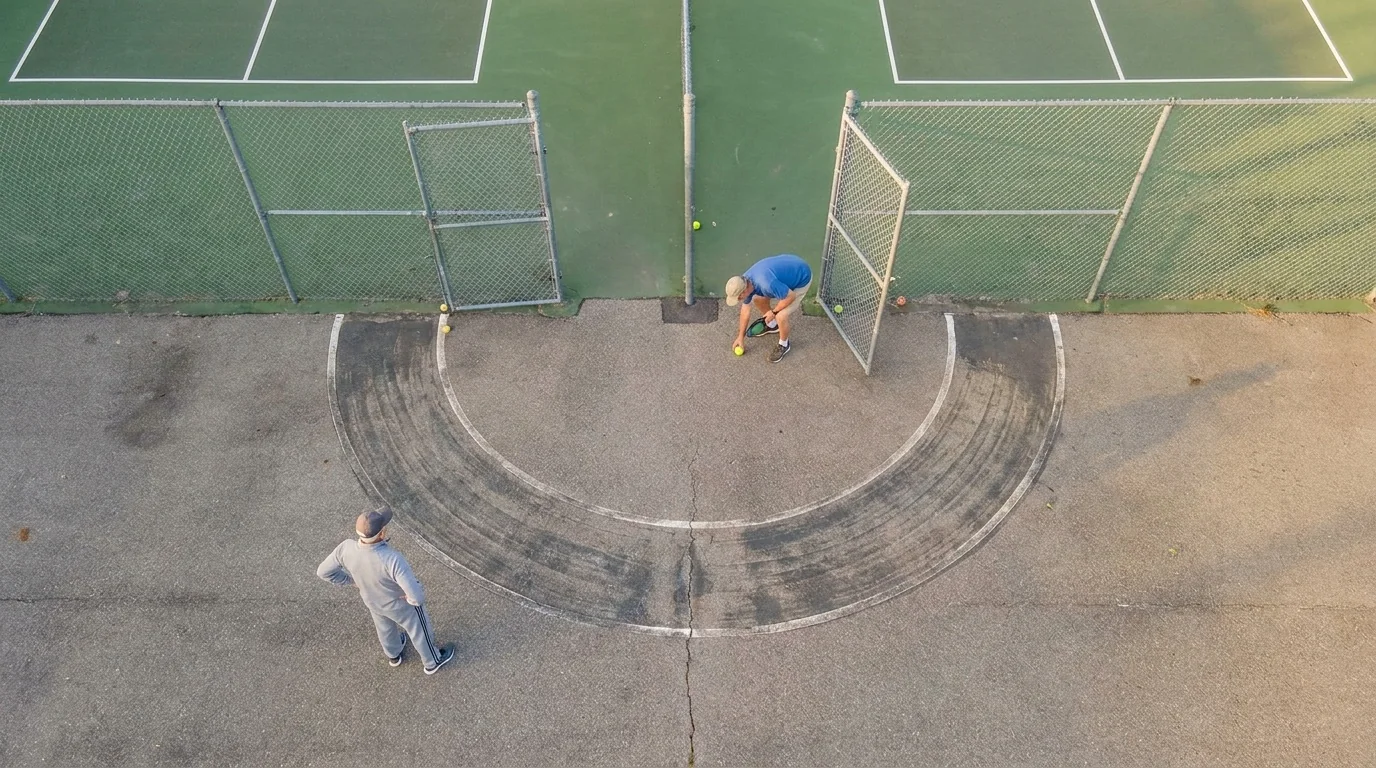
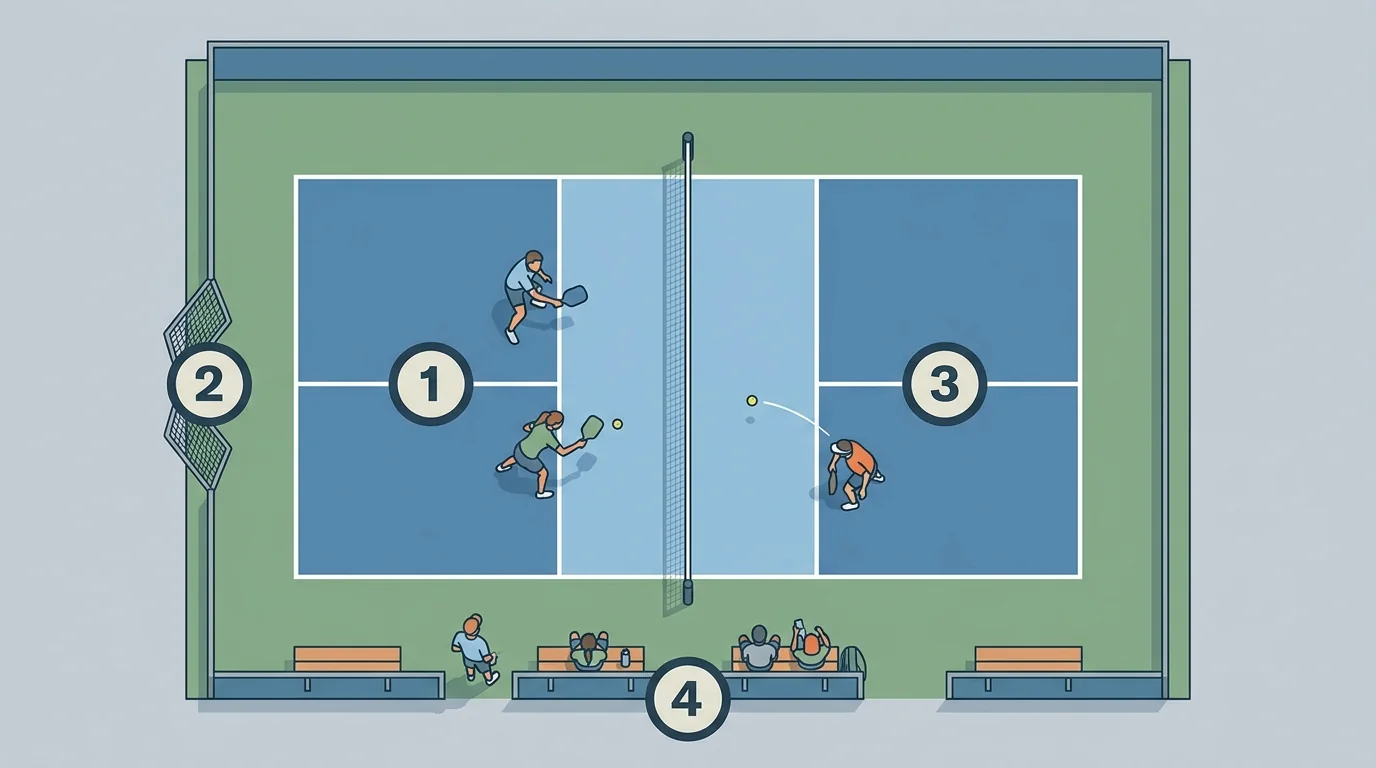
A court gate can become a moving hazard when someone is retrieving a ball. One person may step toward the entrance while another opens it, or a player may back into the gate while watching a rally. Treat the gate’s swing arc as a live zone: say who is opening it, keep waiting players clear, and check the entrance before play begins.
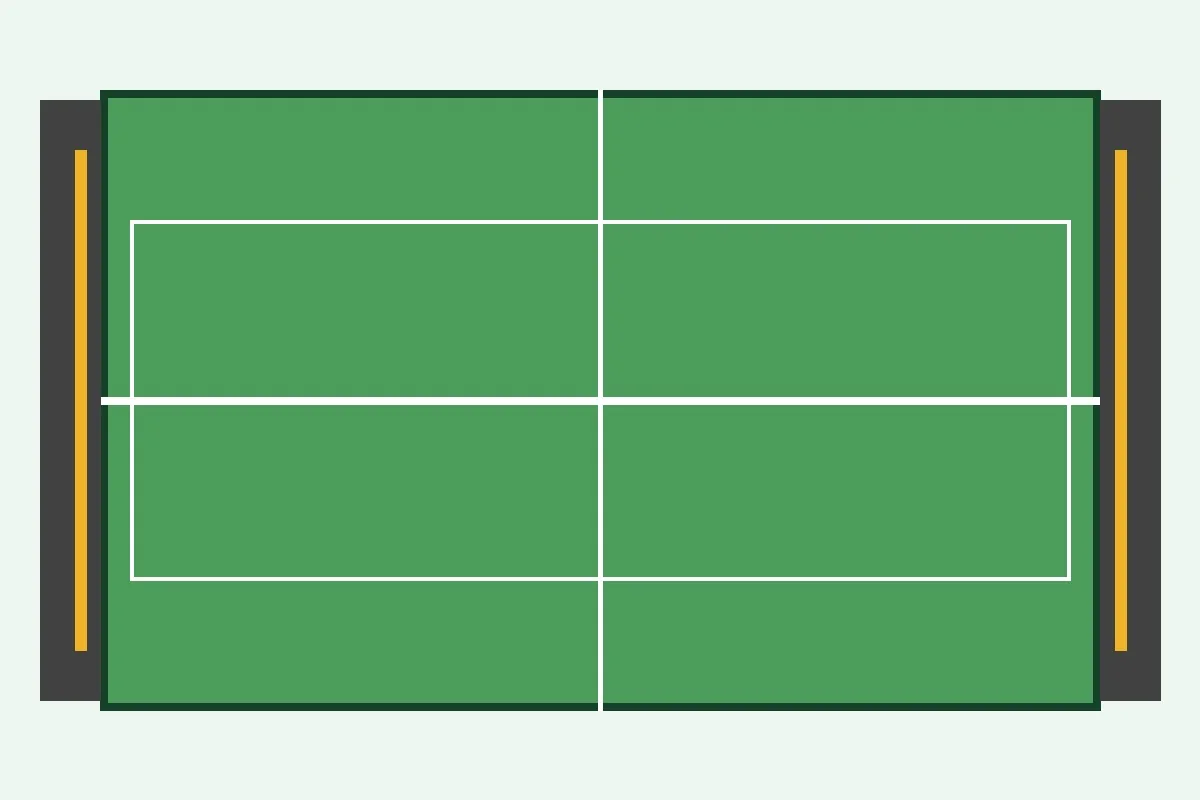
Check the latch before play
Close the gate slowly and make sure the latch catches without force. A gate that appears closed but swings open when a bag or person touches it is not ready for play. Check the latch from the court side and from the outside approach. Report a mechanism that sticks, fails to catch, or needs a hard slam.
Do not replace a working latch with a cord, loose object, or equipment cart. The gate still needs to work for normal entry and emergency access. If it cannot be secured safely, tell the facility host and use another court when that option is available.
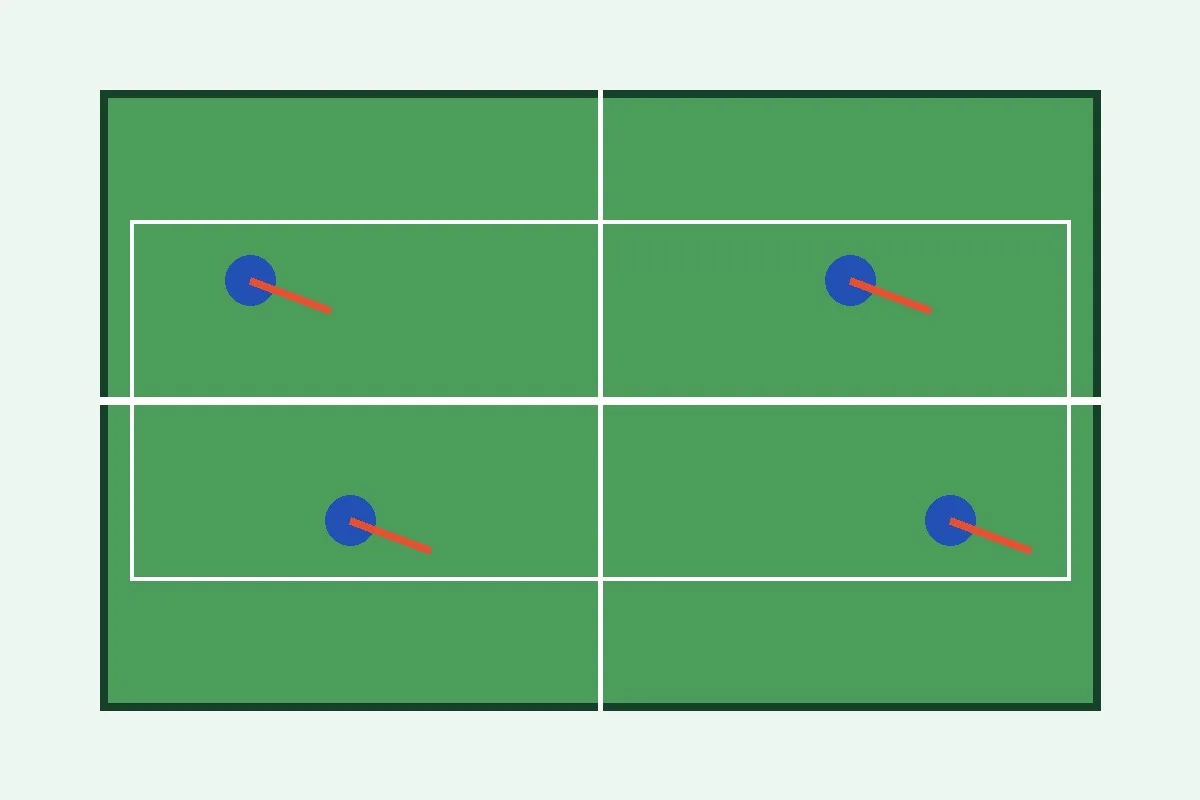
Walk the complete swing path
Open and close the gate through its full travel. Look for bags, benches, ball baskets, hoses, uneven pavement, or fence hardware that could catch a foot or paddle. Check the threshold from the direction players will approach and remove loose balls. A gate that opens toward a playing lane deserves extra care because a player chasing a ball may not expect it to move.
Keep waiting players outside the swing arc, and ask them not to lean on the gate. Store equipment away from the hinges and leave room for someone carrying a paddle bag. If rain, leaves, or surface damage make the entrance slippery, pause and correct the problem before starting.
Use a short arrival routine
Before warm-up, have one person check the latch and another check the swing path. Together, inspect the threshold, close the gate, walk through normally, and confirm that it stays secure. This takes about two minutes and catches problems that a glance from the court can miss.
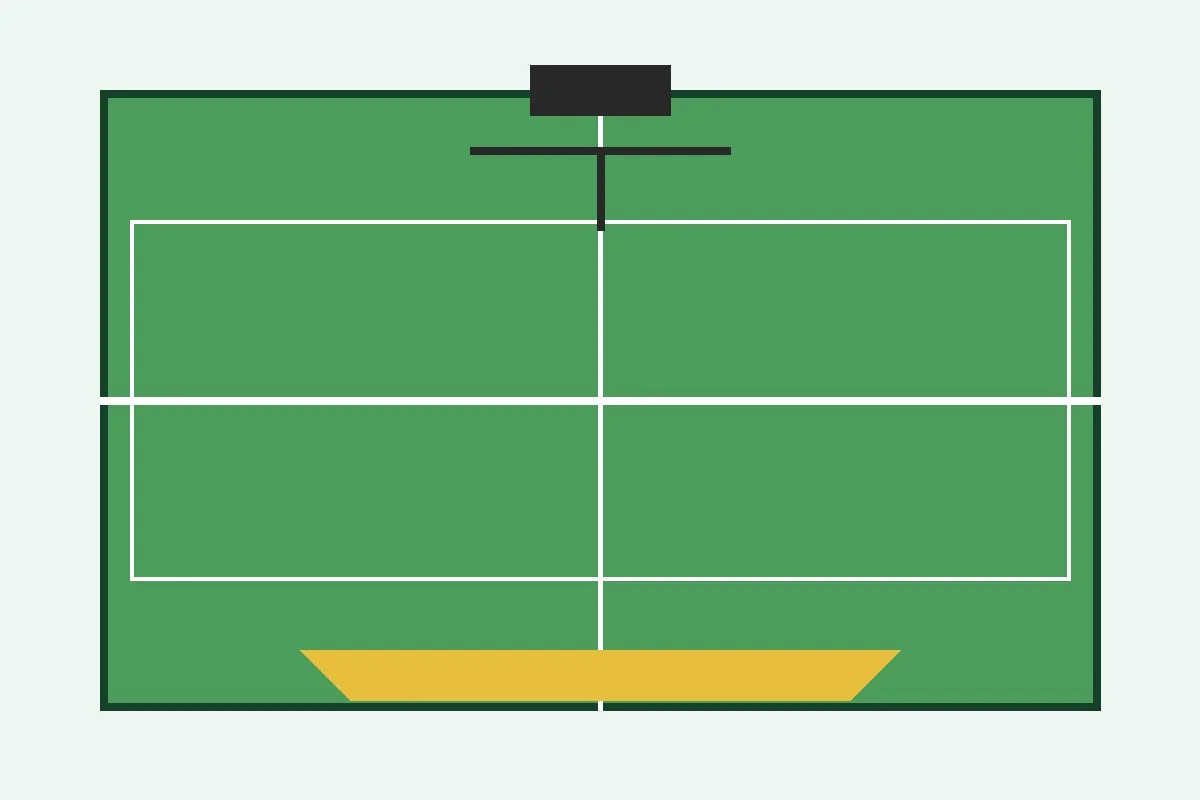
If a defect appears during play, call a clear pause. Keep people away from the moving gate and move equipment to a safe place. Do not attempt a repair beyond your authority. Record the court number and describe the behavior precisely, such as “the latch does not catch when closed” or “the gate scrapes the threshold.” Give that report to the host or facility manager.
Know when to stop
Stop play if the gate swings unexpectedly, will not stay closed, catches clothing, or creates a trip point at the threshold. Keep children and visitors away from the defect. Do not ask players to “just be careful” around a known hazard. A short delay is better than a collision or fall. The host can isolate the court and arrange an appropriate repair.
A safe entrance is predictable. Check the latch, test the full swing path, clear the threshold, and report defects before the next rally. Make this check part of arrival rather than waiting for a near miss; a few deliberate seconds are easier to spend than the time needed to handle an avoidable injury or damaged equipment.