Pickleball Rule Scenario: When the Ball Bounces Then Hits a Fixed Object
A focused guide to the pickleball rule for a ball that bounces first and then contacts a fixed object, with the contrasting object-first scenario.
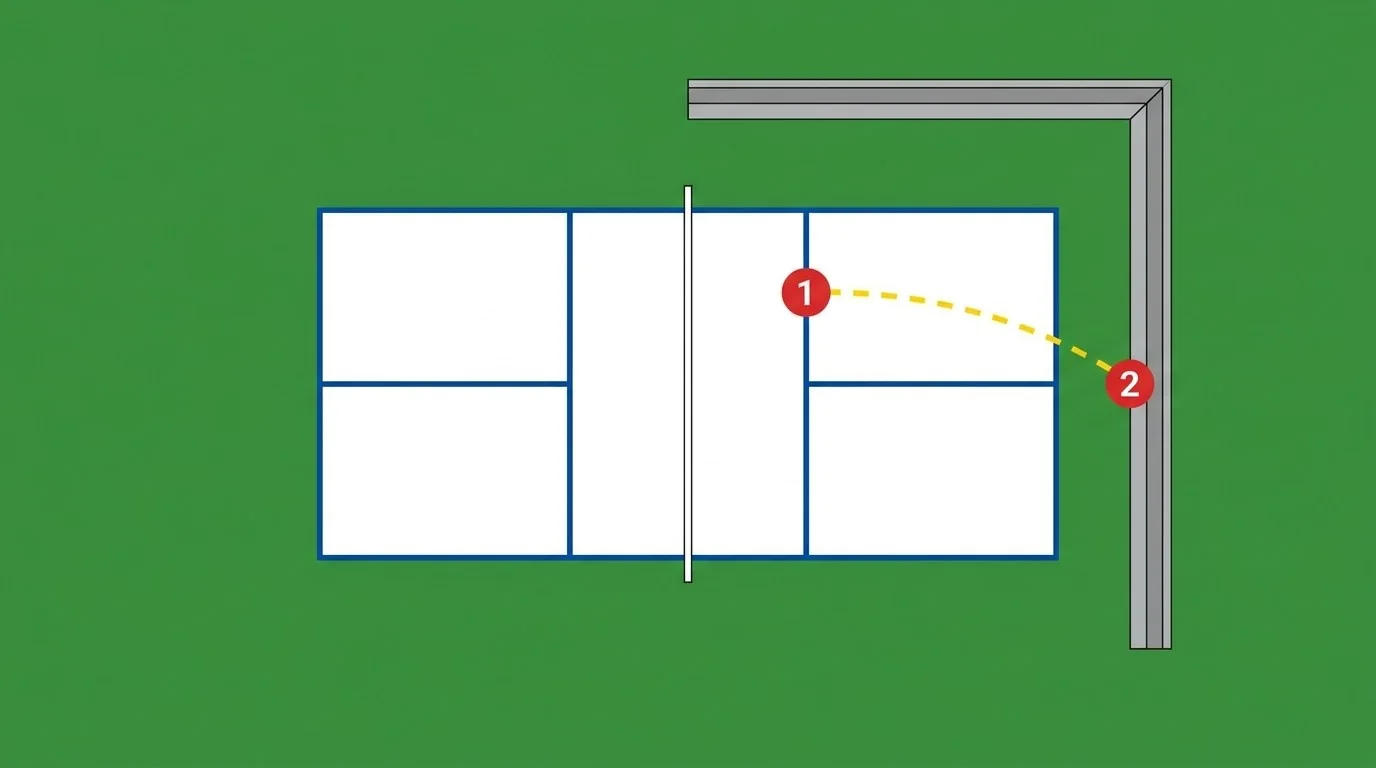
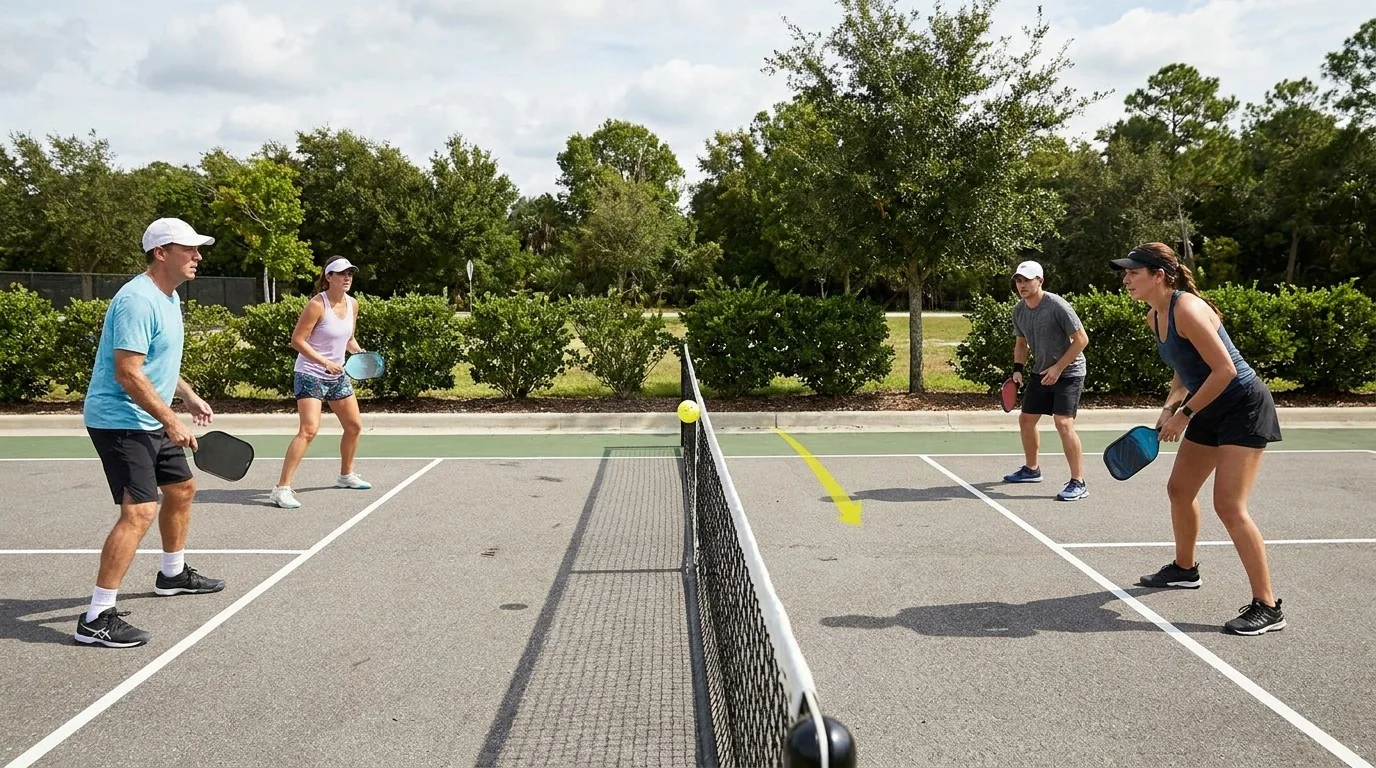
A ball can keep moving after it touches the court, so fixed-object calls are easy to misread. The useful question is not where the ball finally stops. It is the order of the contacts: did the ball bounce in the opponent’s court first, or did it reach a permanent object before that bounce? This guide covers that one situation so players can make a clear call without guessing.
When the bounce comes first
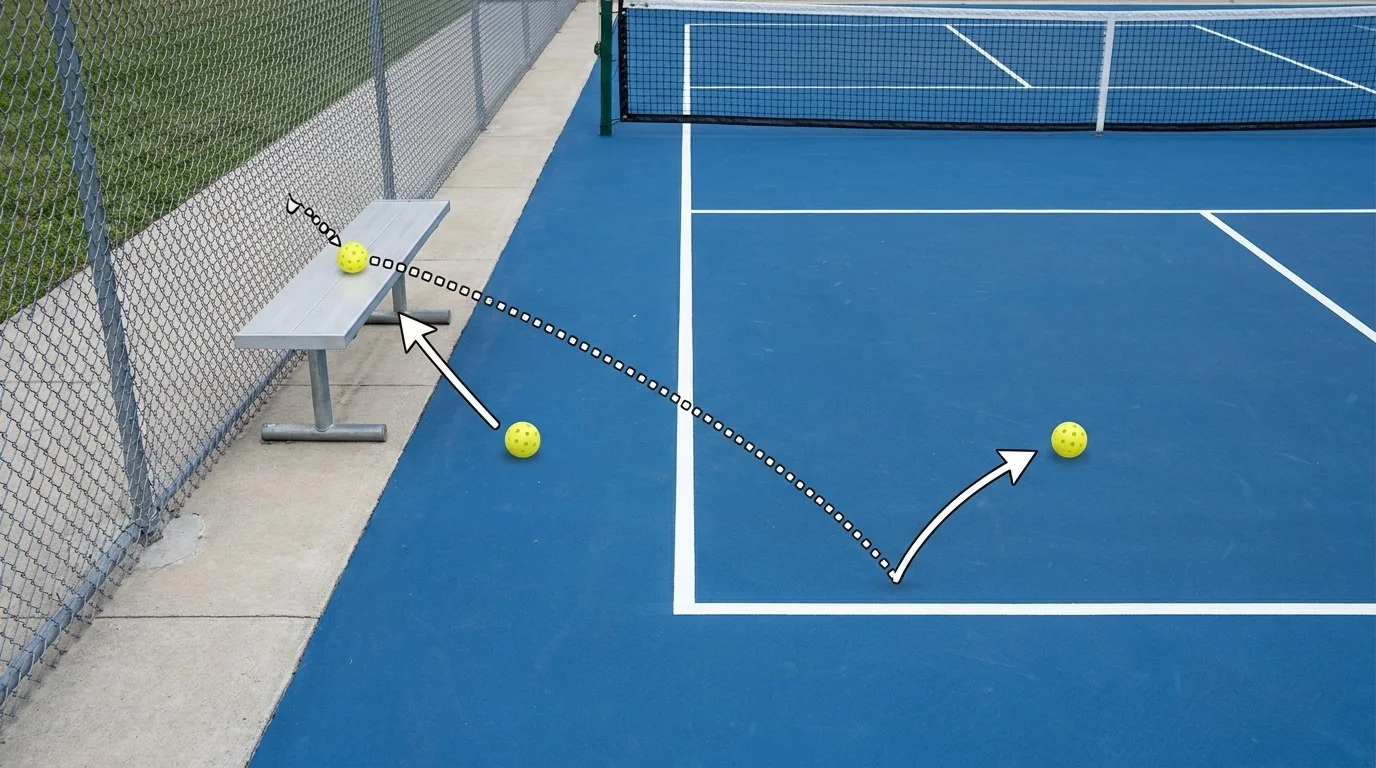
If the shot lands in the opponent’s court and then touches a permanent object, the player who hit the shot wins the rally. The bounce must happen first and must be in the appropriate court area. A later contact with a fence, wall, or another permanent feature ends the rally; it does not turn the earlier in-bounds bounce into a fault.
The order matters because a receiver cannot continue the play after a permanent object stops or redirects the ball. Watch the contacts in sequence. First identify where the ball touched the playing surface. Then identify the later contact with the fixed object. Do not make the call from the ball’s final resting place alone.
When the object comes first
If the ball reaches a permanent object before it touches the court, that is a different situation. The ball has not completed the required bounce in the opponent’s court. Apply the rule for contact with a permanent object before a valid court bounce instead of awarding the point under the post-bounce sequence.
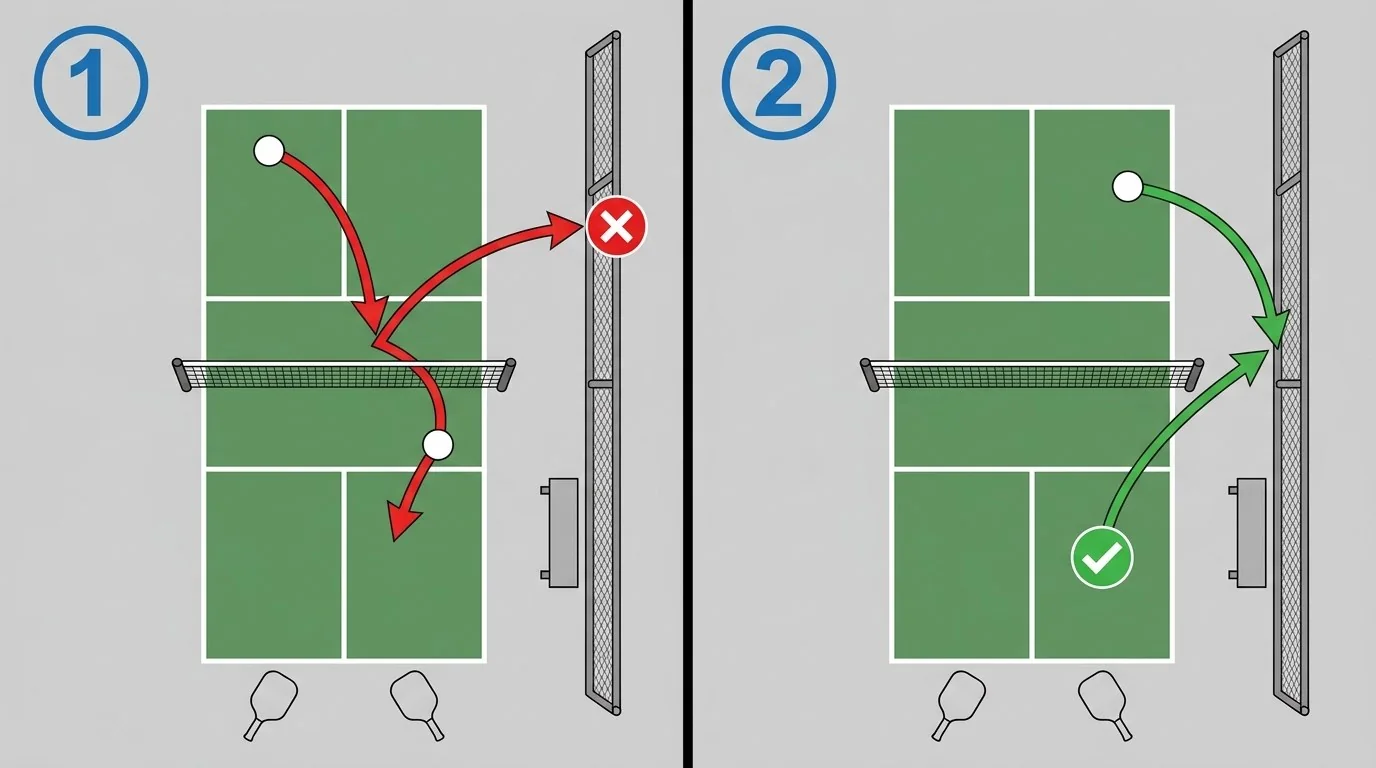
A short verbal check can keep the discussion focused: say “bounce first” or “object first” before deciding who won the rally. In close recreational play, make a call only when you had a clear view. If nobody saw the order, resolve the uncertainty according to the event’s normal self-officiating practice.
What counts as a fixed object?
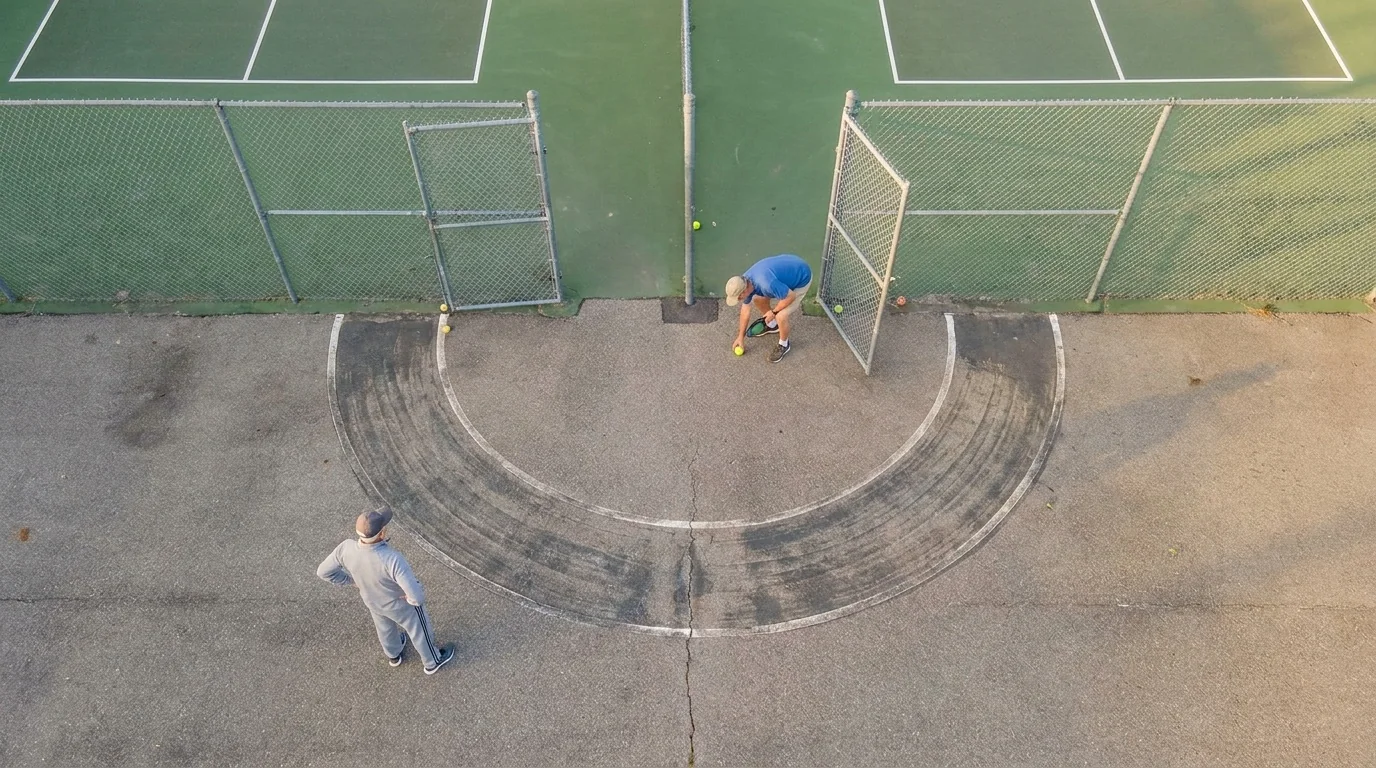
A fixed object is a stationary court-side feature that is not part of a player’s equipment or clothing. A surrounding fence or wall is a common example. Do not automatically place a paddle, shirt, bag, loose ball, or water bottle in the same category. Those objects can involve different rules because they are carried, placed, or connected to a player.
The net and its supporting system also have their own rule treatment. If the ball contacts the net, net posts, or another part of the playing apparatus, identify that exact contact rather than treating it casually as a fixed-object case. Name what the ball touched, then apply the rule that matches it.
A three-question decision process
- Did the ball touch the opponent’s court before touching anything fixed outside it?
- Was that court contact in the required playing area?
- What did the ball touch next: a permanent feature, the net system, a player, equipment, or something else?
If the answers are “yes,” “yes,” and “permanent feature,” the hitter wins the rally under this scenario. If the order changes, stop using this shortcut and analyze the other rule. This process is especially useful when a deep shot lands near the baseline and continues toward a fence.
Practice the call safely
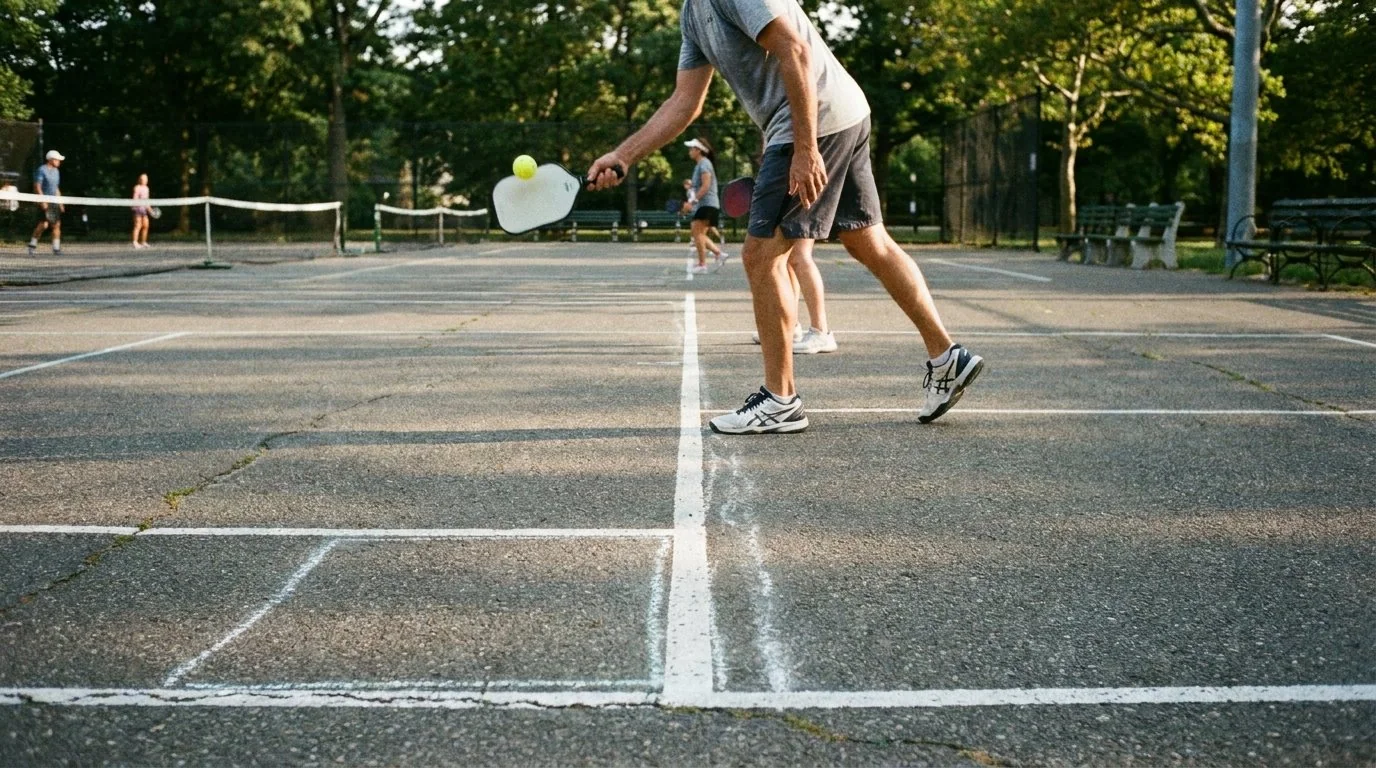
Use a safe feed and a clearly visible fence or wall well outside the playing area. After each ball, have one player call “bounce first” or “object first” while a partner watches the landing zone. The goal is to observe the sequence, not to aim at the object. Repeat from several angles because the path can look different from the sideline and from behind the baseline.
The memory aid is simple: court bounce first, fixed object second: the hitter wins. Fixed object first: apply the different rule for that sequence.