Pickleball Serve Rules: Legal Volley and Drop Serve Checks
A practical guide to legal pickleball serves: check release, feet, contact, landing, volley-serve limits, drop-serve rules, and common faults.
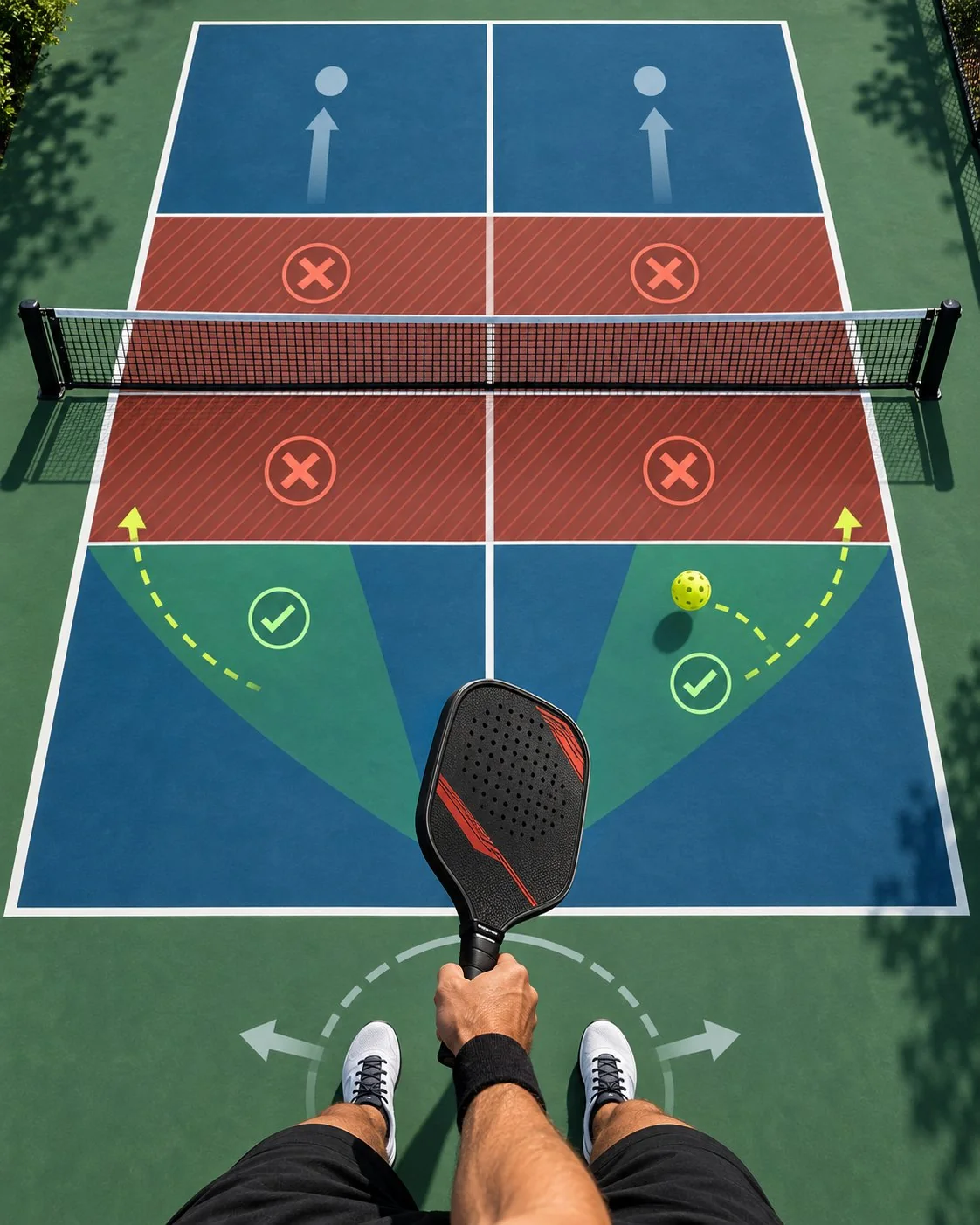
A legal pickleball serve is more than an underhand-looking swing. The reliable way to judge it is to check four moments in order: release, feet, contact, and landing. That sequence separates a real fault from a serve that merely looks unusual. It also matters because a volley serve and a drop serve do not use the same contact tests.
The four checks behind legal pickleball serve rules
Start with the release. The ball must come from one hand or from the paddle, and the receiver must be able to see it. Natural rotation during an ordinary release is not automatically illegal, but deliberately manipulating the ball to add spin before paddle contact is not allowed. Spin created by the paddle when it strikes the ball is different and remains legal.
Next, freeze the server at contact. At least one foot must be on the playing surface in the correct serving area. Neither foot may touch the baseline or the playing surface outside the imaginary extensions of the sideline and centerline. What happens after contact is not the same question: legal momentum may carry the server forward afterward.
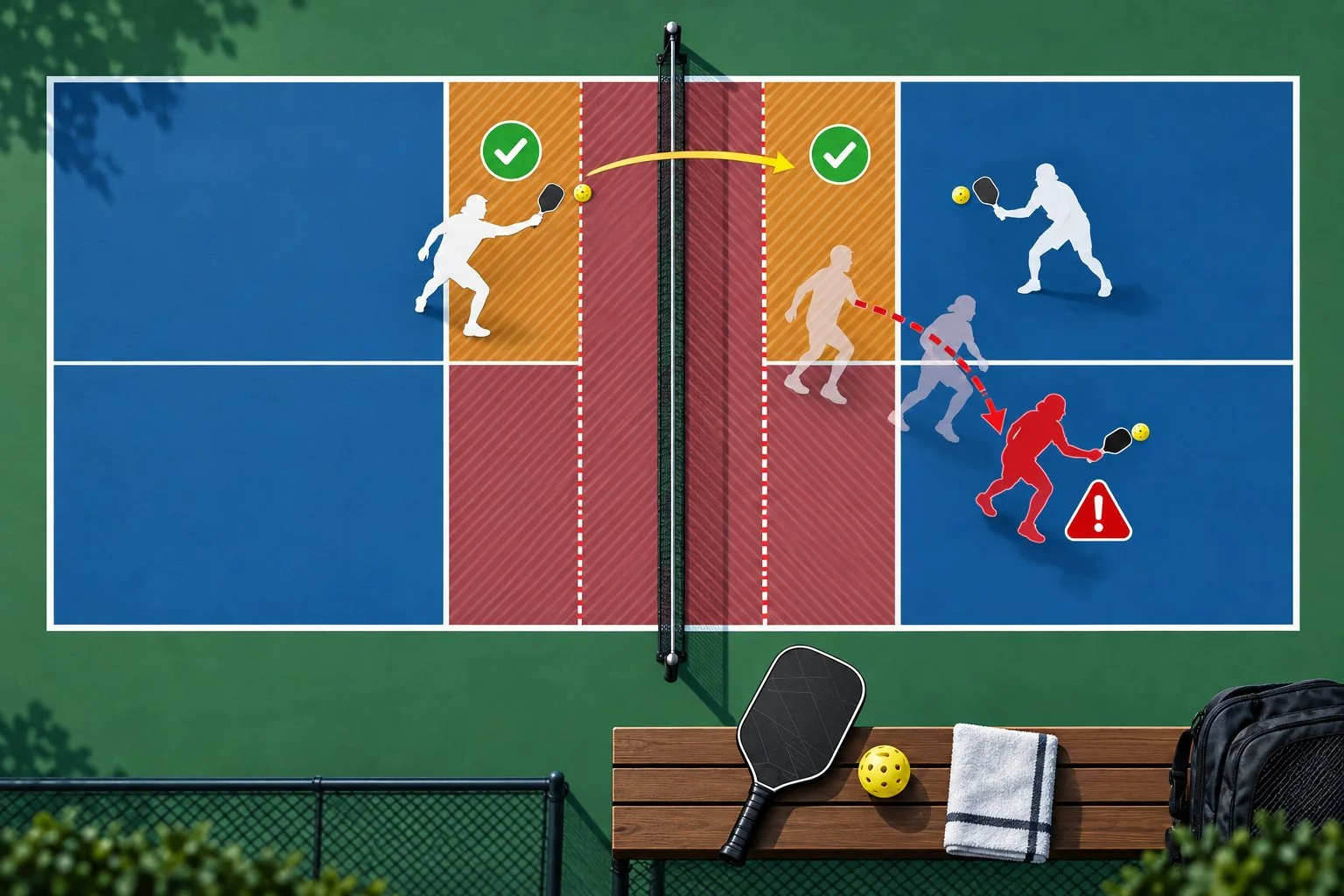
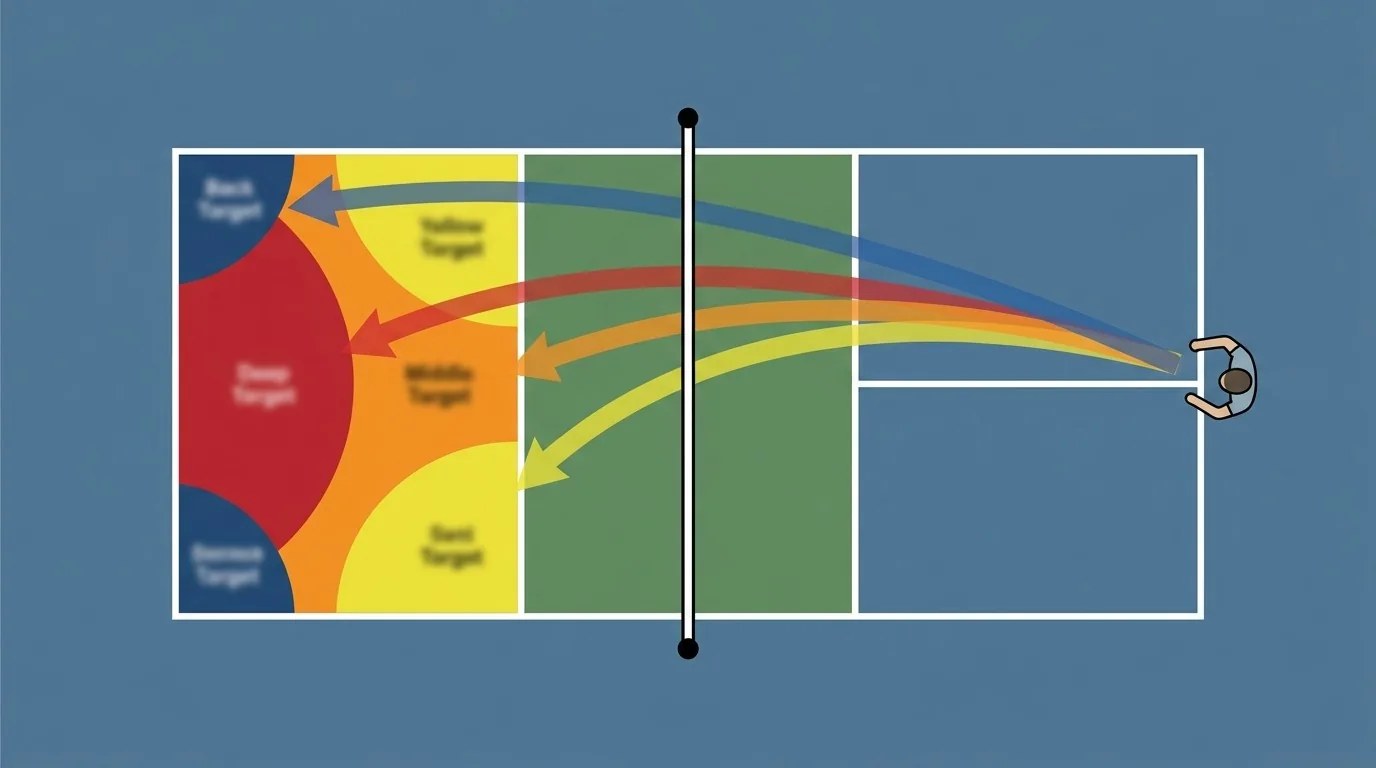
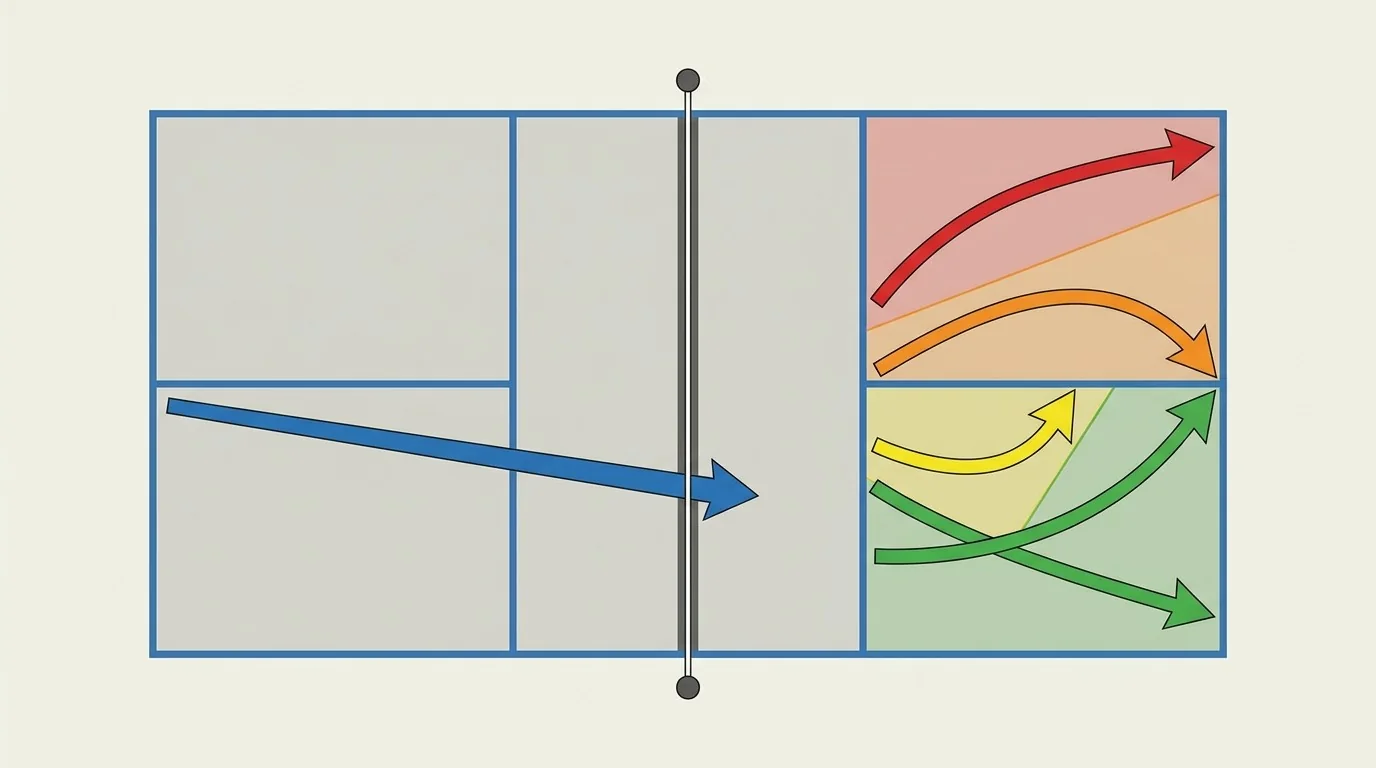
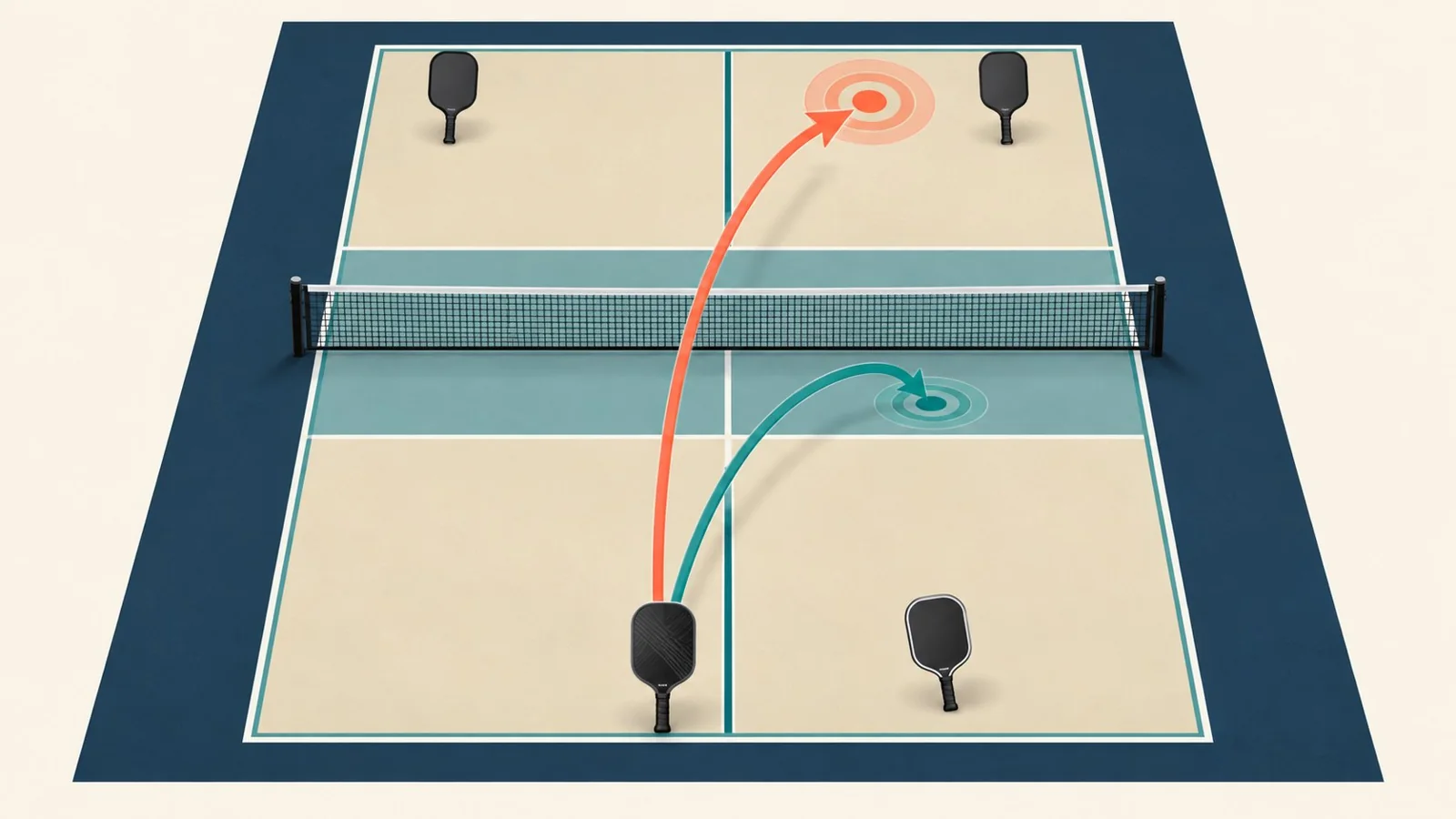
Finally, follow the ball. It must travel diagonally, clear the opponent's non-volley zone, and land in the correct service court. The non-volley-zone line counts as part of that zone for a serve, so touching it is short. The other lines of the correct service court follow the normal line rules.
Volley serve and drop serve use different tests
A volley serve is struck before the ball bounces. At contact, the paddle must be moving in a clear upward arc, the highest point of the paddle head must clearly not be above the highest part of the wrist joint, and the ball must clearly be no higher than the waist. Either a forehand or backhand motion can be used.
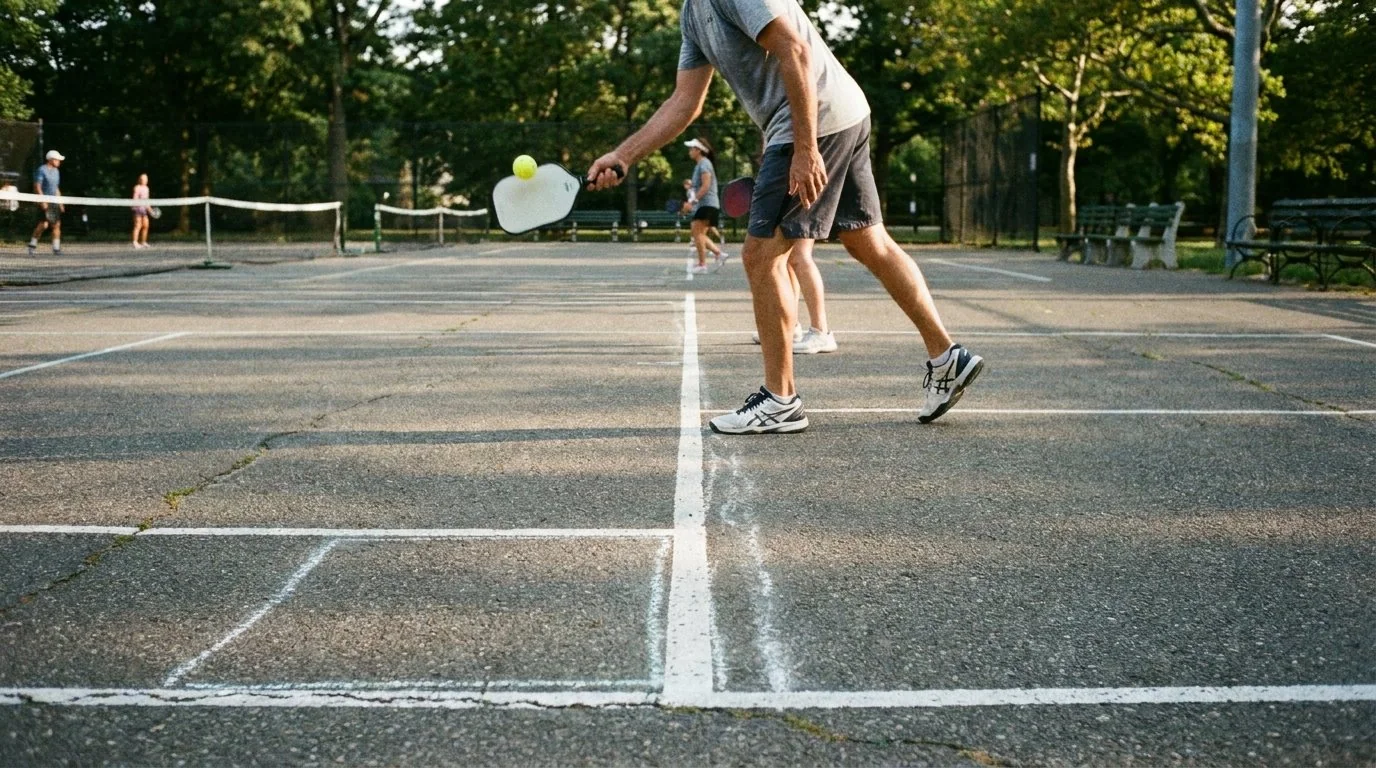
A drop serve is struck after the ball bounces. Release the ball from a natural, unaided height and do not push, throw, or otherwise propel it in any direction. There is no restriction on how many times it bounces before contact or on the bounce location. The three volley-contact tests do not govern the drop serve.
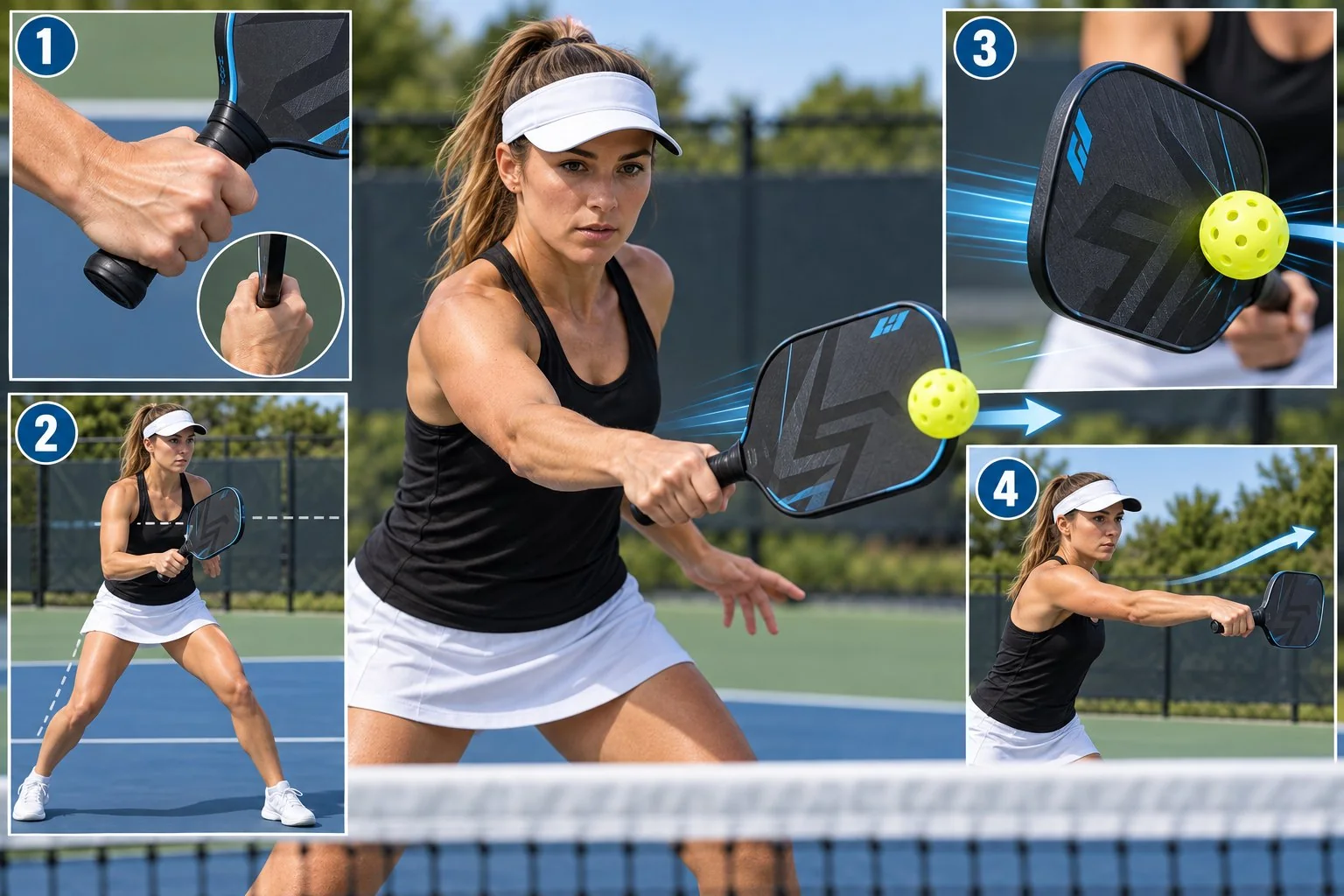
That distinction settles many arguments. If the ball bounced first, do not call a drop serve illegal merely because its paddle head was above the wrist or its contact was higher than the waist. Those are volley-serve tests. Conversely, a drop serve can still be illegal if its release was propelled, its feet were wrong, or the ball was hit before the bounce.
Common serve faults and the quickest fix
A flat or downward volley motion fails the required upward arc. Shorten the swing and let the paddle travel clearly upward through contact. A volley hit above the waist fails the contact-height requirement; create space earlier instead of reaching upward at the last moment. If the paddle head rises above the wrist joint, lower the hand and simplify the preparation.
Drop-serve faults usually begin before the swing. A tossed or pushed ball is not the required natural drop, and striking before the bounce changes the serve type without satisfying either set of rules. Keep the release quiet, let the ball find the court, and then choose a forehand or backhand motion.
The landing creates another group of faults. A serve into the kitchen, onto its line, or into the wrong diagonal service court is not rescued by a legal swing. A serve that clips the net is not automatically a replay: if it clears the non-volley zone and lands legally, play continues; if it lands short or out, it is a fault.
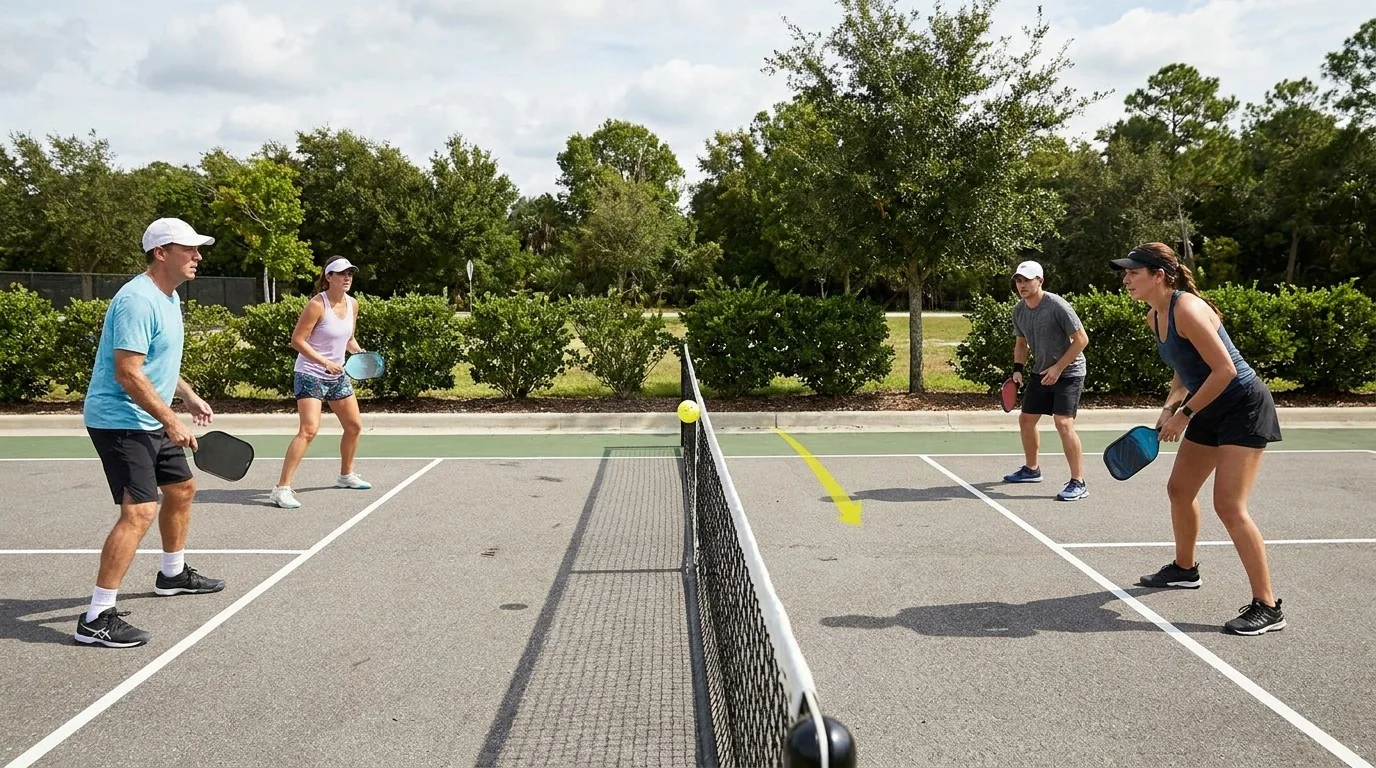
Use a simple court-side routine before challenging a serve: identify whether it was volley or drop, replay the release in your mind, check the feet at the instant of contact, then inspect the contact rule and landing. A strange-looking serve is not automatically illegal.
A practical serve review before match play
Record a few serves from the receiver's angle. For volley serves, review the three contact questions separately rather than judging the whole motion at once. For drop serves, watch the release and the bounce. Then mark the diagonal target and verify that the ball clears the kitchen, including the line.
The goal is not to make every serve look identical. It is to make every release visible, every contact deliberate, and every landing predictable. When players use the same release-feet-contact-landing checklist, rule conversations become shorter and practice becomes more useful.