Pickleball Service Placement: How to Avoid the Wrong-Court Fault
Learn how to identify the correct diagonal service court, prevent wrong-box faults, and build a reliable pre-serve routine for doubles.
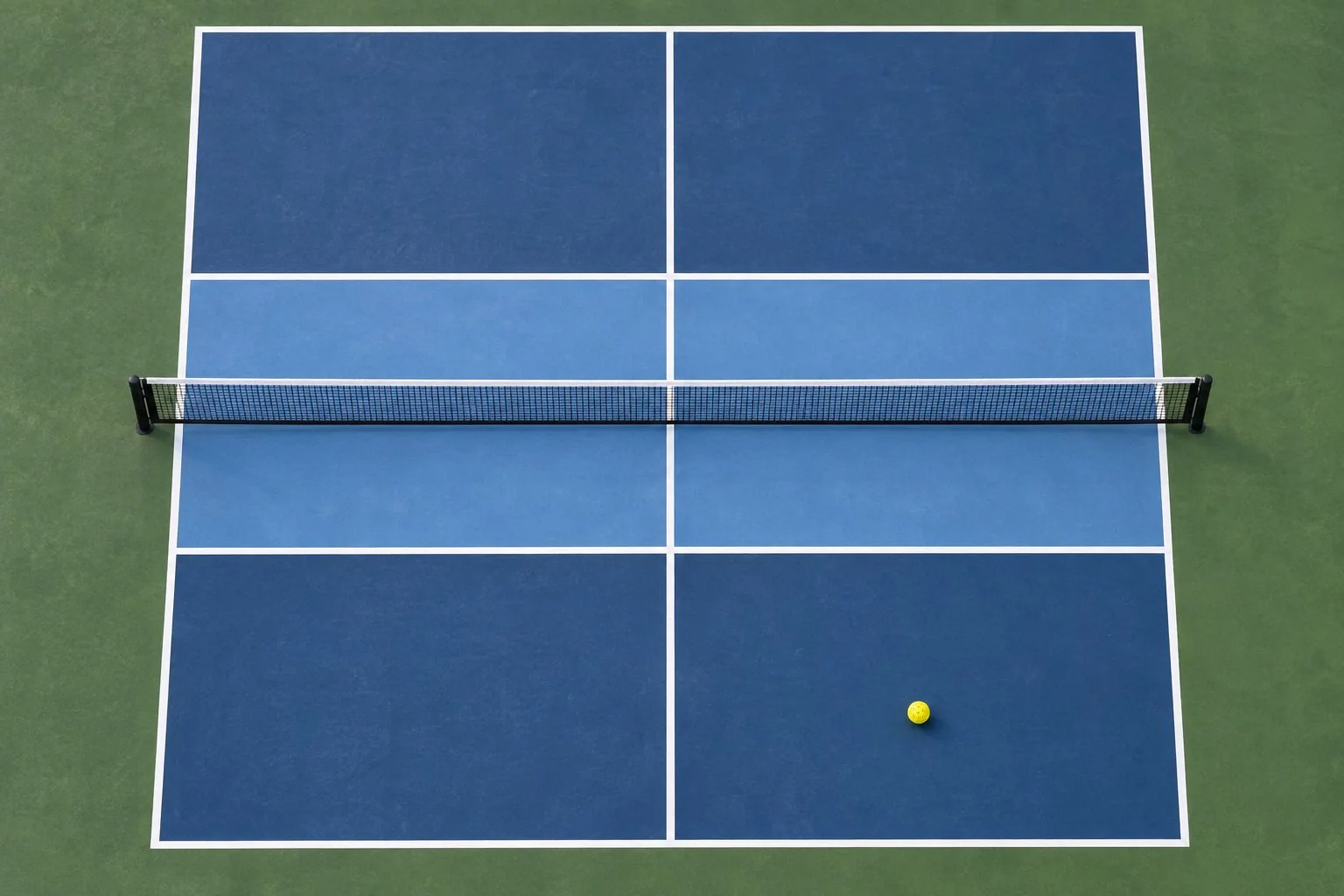
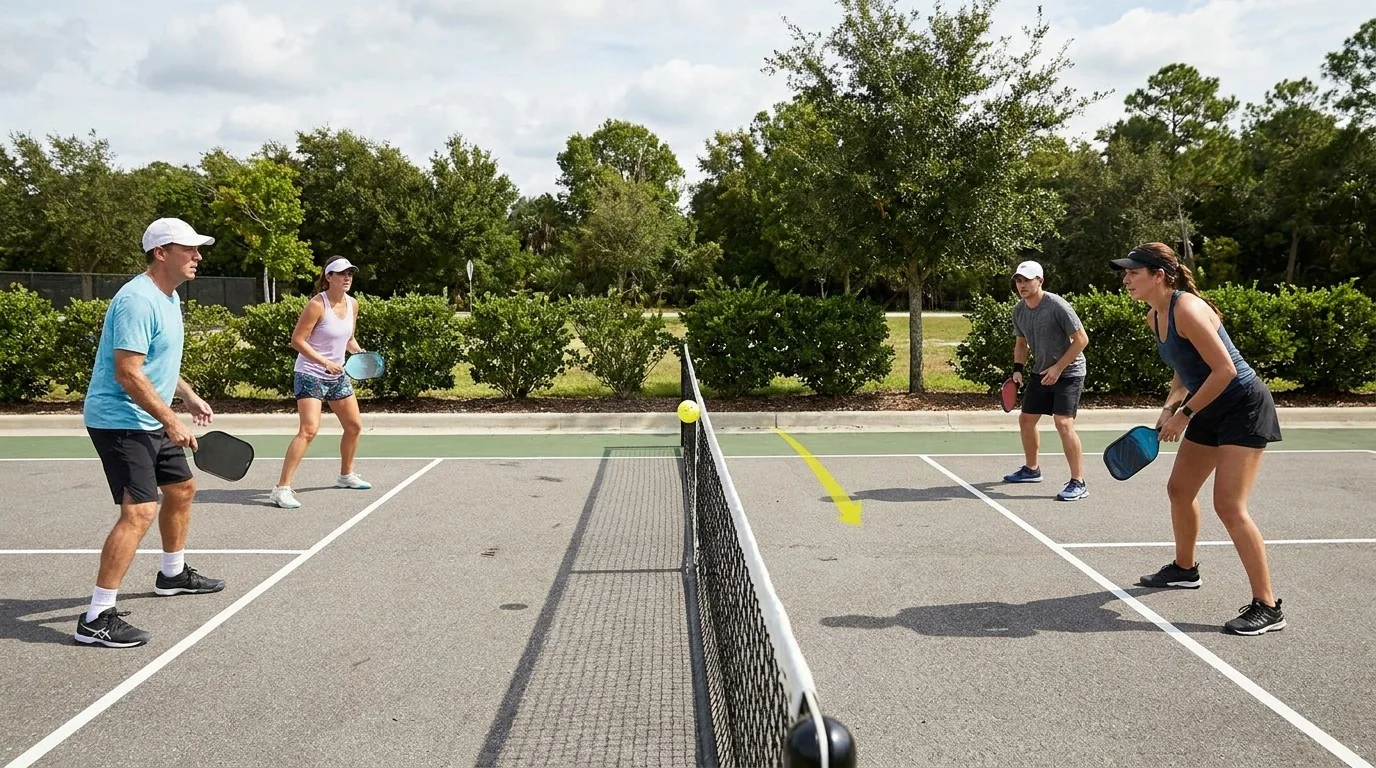
Pickleball service placement is simple in principle: the serve must travel diagonally to the service court opposite the server’s correct position. The mistake is rarely a lack of effort. It usually comes from rushing the score, standing in the wrong spot, or aiming at a familiar target instead of checking the court. A short pre-serve routine can prevent the fault and keep recreational games moving.
What does the correct service court mean?
Start with the server’s position, not with the target. In doubles, the serving team’s score determines which side the server occupies under the applicable scoring format. The ball then has to clear the opponent’s non-volley zone and land in the diagonally opposite service court. It may touch the net and still be playable if it lands in the correct box; the location of the bounce is what matters.
The receiver should be on the diagonal side and ready before the serve. If either player is uncertain, pause and confirm the score and positions before the ball is released. That brief pause is more useful than replaying a disputed point after the serve.
Why do players serve to the wrong box?
The most common error is following a partner’s movement rather than the score. A server may step toward a preferred side, then send the ball straight ahead. Another player may remember the previous rally and assume the same service court still applies. These habits are easy to form during fast open play, especially when several courts are sharing space.
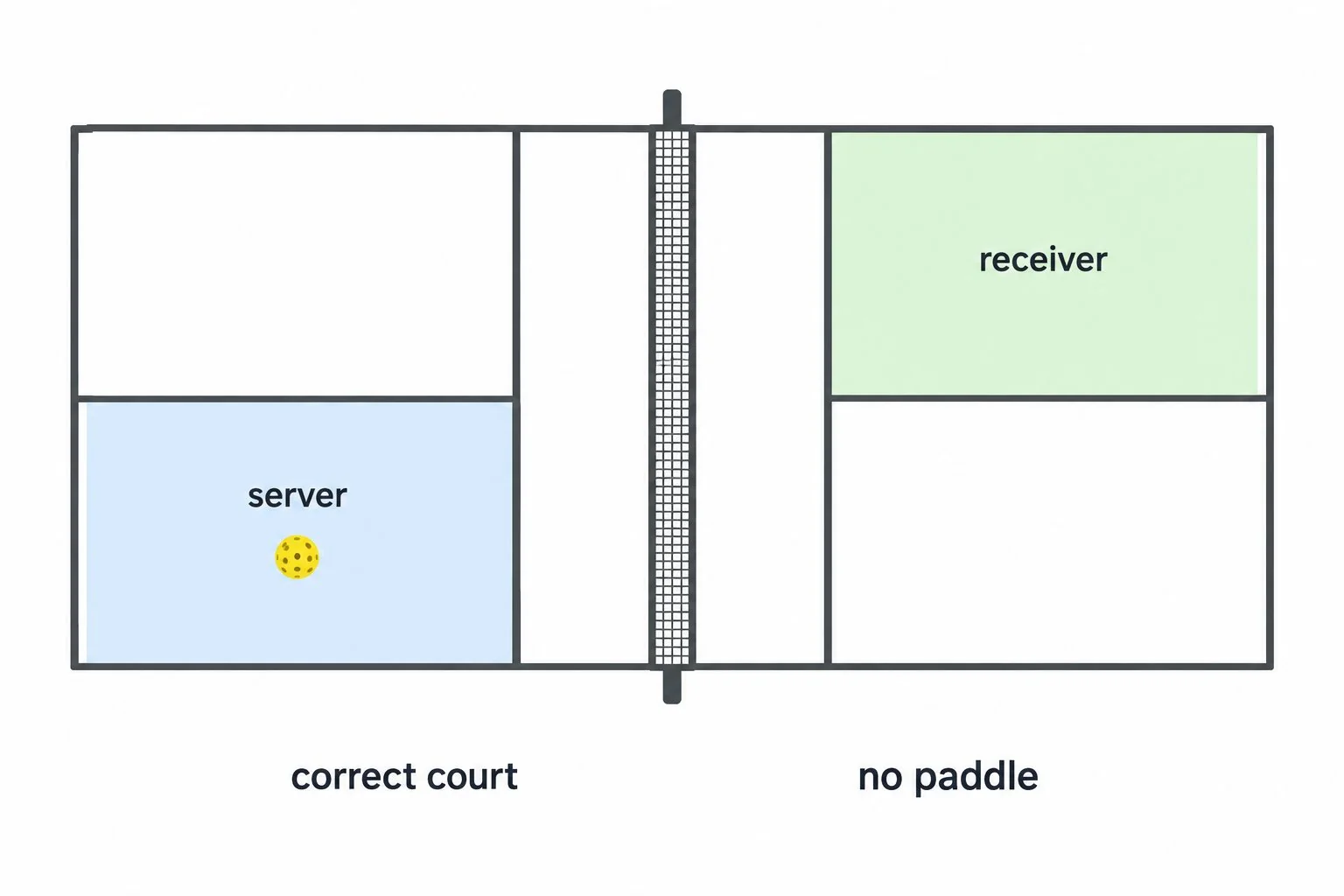
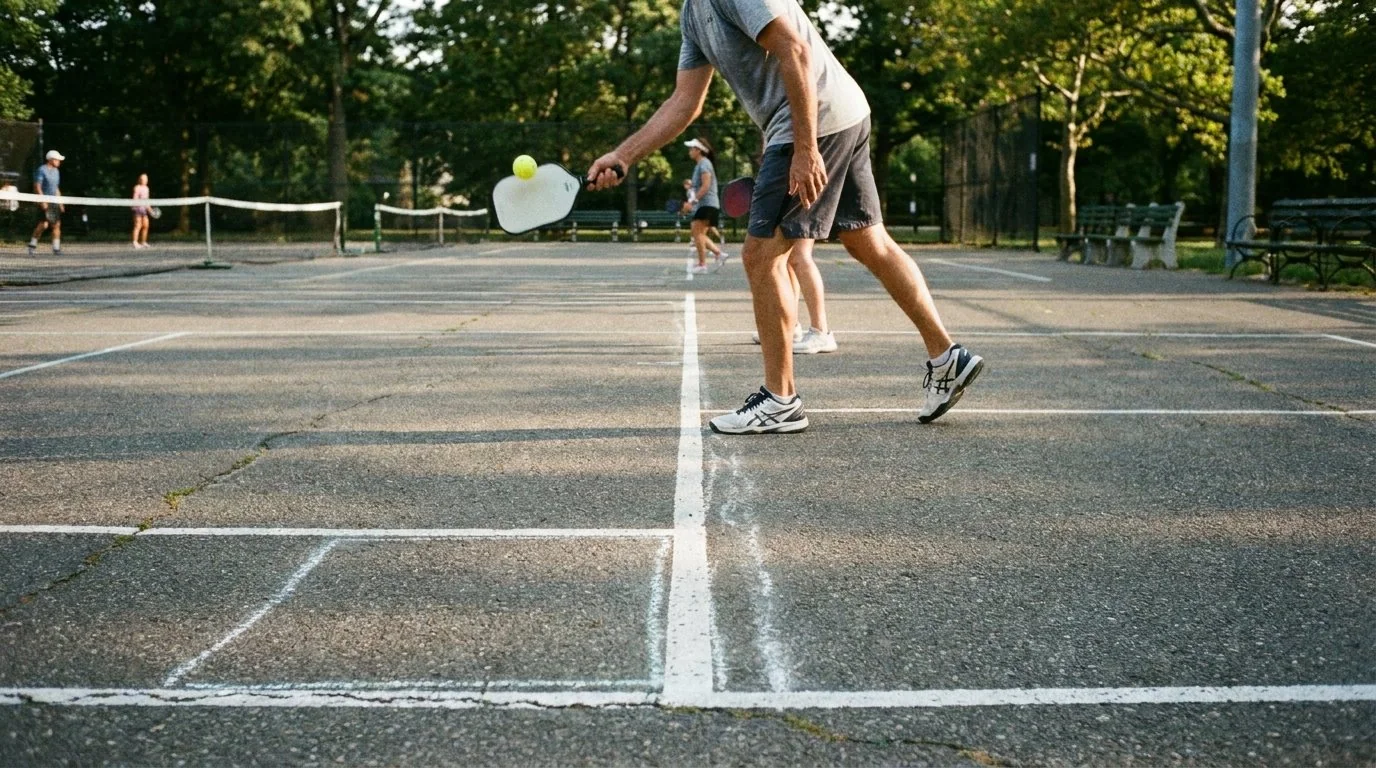
Use three checks before serving: say the score clearly, identify the server’s side, and trace an imaginary diagonal line to the receiver’s box. Do not use a teammate’s pointing gesture as the only reference. Everyone should be able to see the same court geometry.
A practical routine for doubles
The server announces the score in the order required for the game format, then looks at the partner and receiver. Confirm who is serving, where the server is standing, and which box is diagonal. Keep the routine calm rather than theatrical. If the receiver is not ready, wait; a rushed serve creates confusion that no extra pace can solve.
If a serve lands outside the correct service court, treat it as a service fault under the rules governing your match. Do not argue from where the server intended the ball to go. Intention does not change the landing location. In an informal game, agree on the correction before the next rally and then resume with the proper score and positions.
How to practice service placement
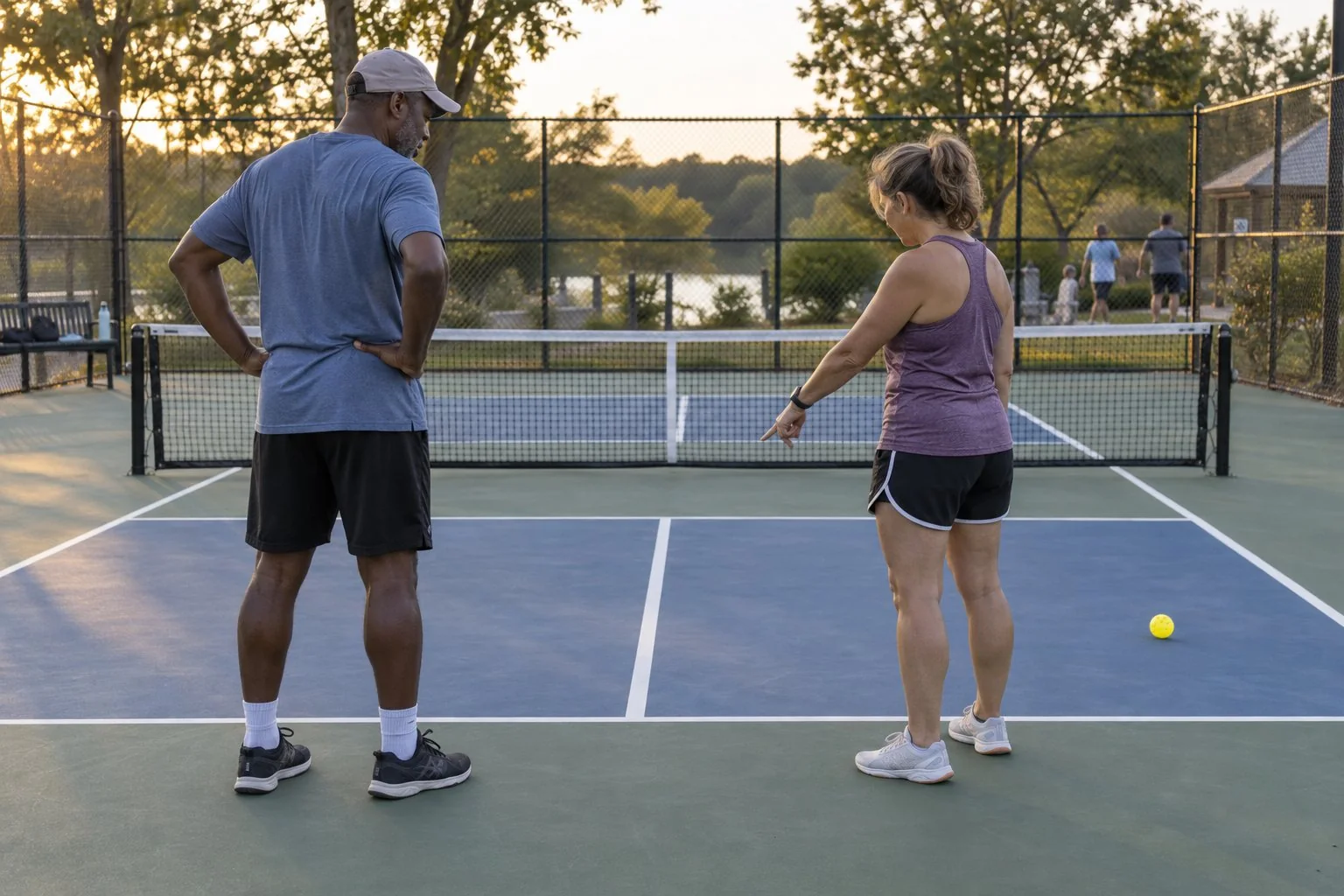
Put a visible marker well inside each diagonal service box, leaving a safe margin from every line. Practice from both serving sides. Before each attempt, say the starting position aloud and point with your non-playing hand toward the diagonal target. Then serve at moderate speed. The goal is a repeatable direction check, not an ace.
Run two sets of ten serves. Record correct-box landings, balls that miss long or wide, and any attempt made from the wrong position. Change only one variable at a time, such as starting foot position or target depth. If you are practicing with a partner, have that person call “side” or “diagonal” before you serve so the decision becomes automatic.
Quick pre-serve checklist
Know the score, confirm the server, locate the server’s side, find the diagonal service court, and leave a margin from the lines. After a side-out or rotation, reset the routine instead of relying on memory. Clear communication prevents most wrong-court faults before they happen.