How to Clean and Maintain Pickleball Shoes: A Simple Care Routine
A practical pickleball shoe-care routine: remove dust, clean gently, air-dry without heat, rotate pairs, inspect wear, and store shoes so they can breathe.
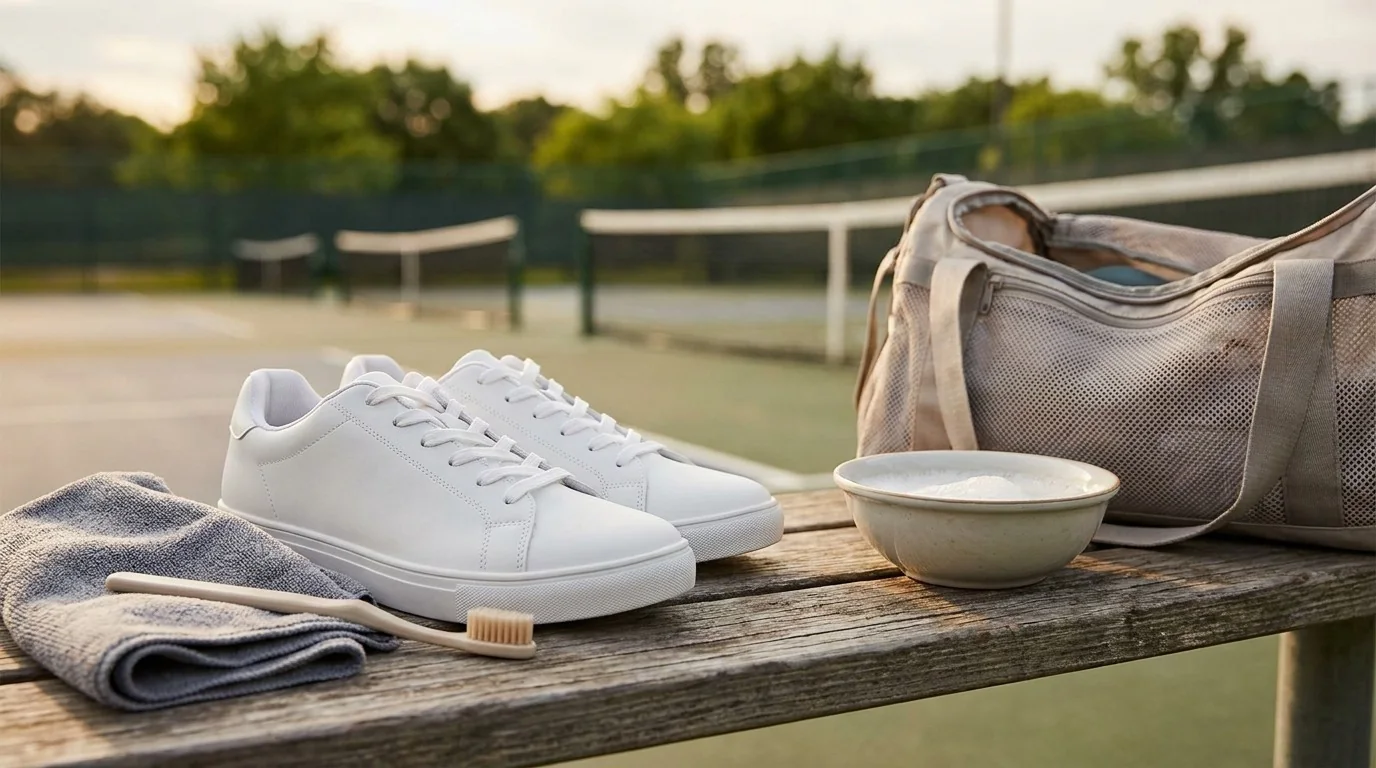
Pickleball shoes are part of your playing equipment. Their outsoles need dependable grip for lateral stops, while the upper, midsole, and heel structure absorb sweat, dust, and repeated changes of direction. A short routine after each session protects traction and comfort without making shoe care complicated.
Do the quick clean after every session
Before the shoes go into your bag, tap or brush loose dust from the outsoles. Wipe the upper and rubber with a damp microfiber towel. If grit is lodged in the tread, use a soft toothbrush rather than a hard or metal brush. Clearing dust early keeps it from settling deeper in the grooves and stops dirty shoes from coating the rest of your gear.
Open the tongues and remove the insoles, or lift them enough for air to reach the footbed. A closed bag traps dampness and leaves the shoes less ready for the next session.
Clean by hand and use little water
For a weekly clean or visible grime, use lukewarm water, a small amount of mild dish soap, a soft cloth, and a gentle toothbrush. Work in small sections. Keep the cloth damp, not soaked, brush the outsole grooves, wipe away loosened dirt, and finish with a clean damp cloth to remove soap.
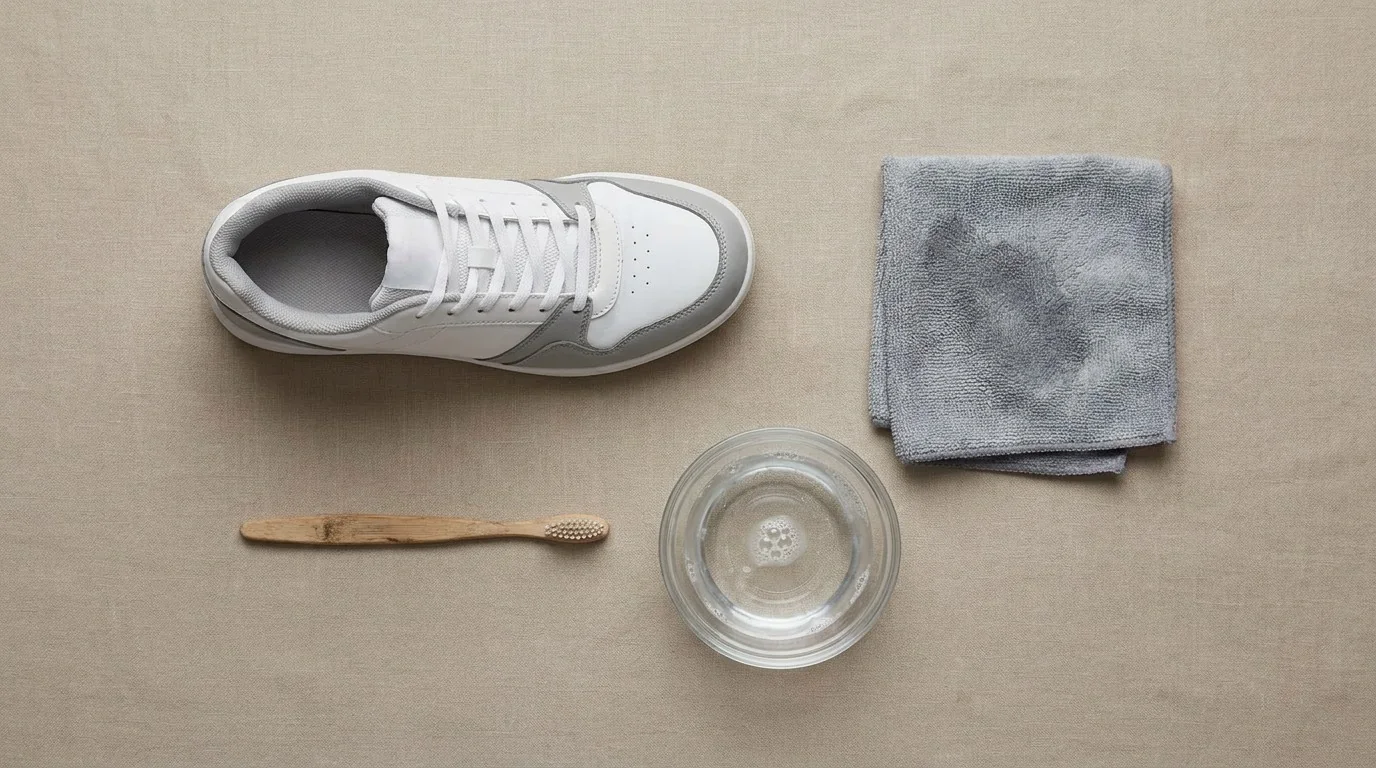
A washing machine is not a useful shortcut. Agitation can stress the upper and glued areas, and dryer heat can change the shape or weaken adhesives. Hand cleaning gives you better control over each material. Test an unfamiliar cleaner on a hidden area first, and follow the maker's instructions when they are more restrictive.
Air-dry without heat
After cleaning or a sweaty match, remove the insoles, open the shoes fully, and leave them in a well-ventilated room. Press out excess moisture with a towel. If the shoes need help holding their shape, use loosely crumpled plain paper and replace it when damp.
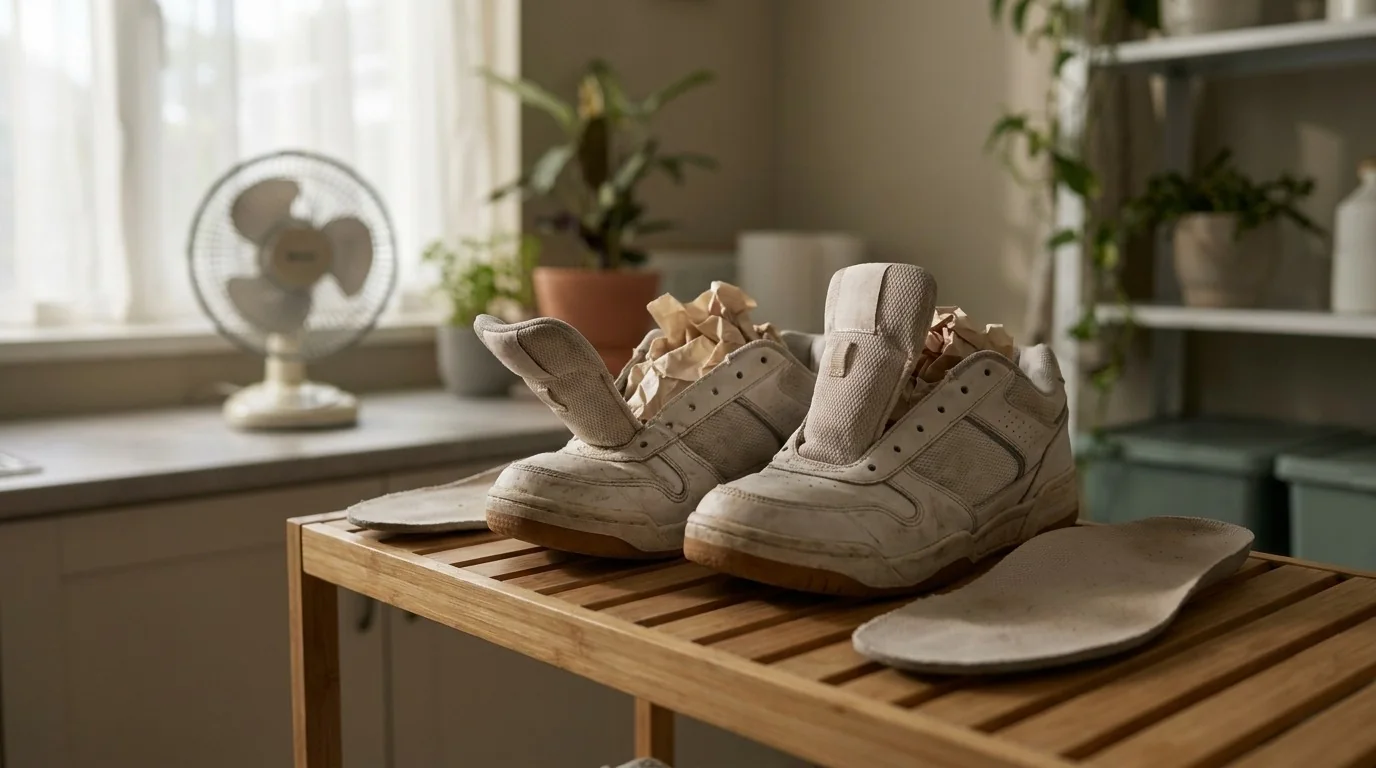
Avoid radiators, hair dryers, clothes dryers, hot car interiors, and harsh direct sunlight. Fast heat can deform foam and stress the bonds that hold the shoe together. Let the pair dry completely before putting it in a bag or using it for a demanding session.
Rotate pairs if you play often
If you play several times a week, alternating two pairs gives each pair time to dry and recover. Rotation also makes wear easier to see. Compare the tread, toe-drag area, heel counter, and midsole between pairs instead of judging one shoe from memory.
Keep court shoes on the court. Streets and rough parking surfaces add grit and abrasion that the playing surface does not. Carry the shoes to the venue and change near the court when practical.
Check grip and support before play
Once a week, inspect the outsole under good light. Compare the tread at the forefoot, pivot areas, and heel. Smooth patches, a thinning sole, or exposed midsole material are reasons to plan a replacement rather than wait for a slip.
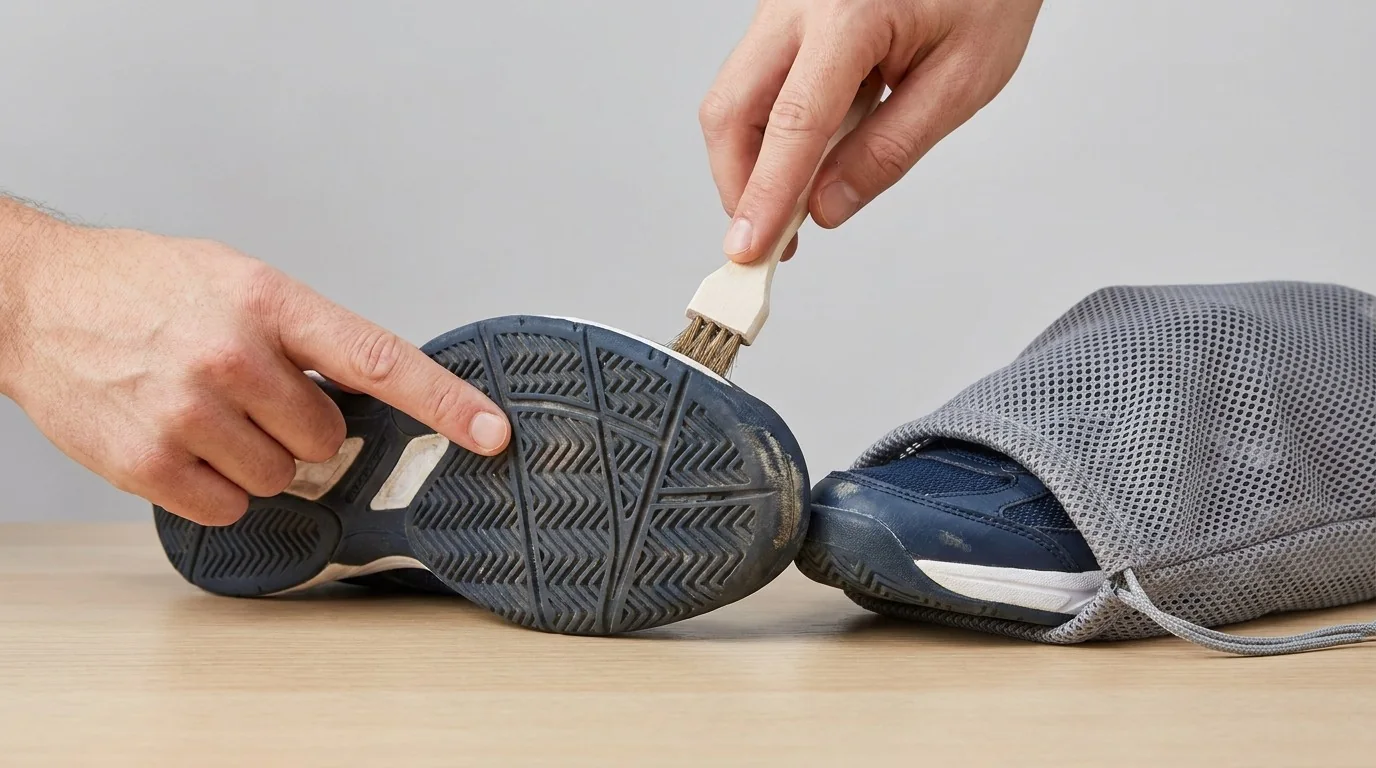
Look for tears in the upper, toe-drag damage, a collapsed heel counter, and separation along the sole edge. New aches in the feet, ankles, knees, or back can also signal that cushioning or stability has faded. Cleaning cannot restore worn rubber or a compressed midsole.
Store dry shoes where they can breathe
After the pair is dry, keep it in a cool, dry place away from rain, direct sun, and sharp temperature swings. A ventilated shoe pocket or mesh bag is better than sealing damp footwear in plastic. Do not leave the shoes in a hot vehicle. Store the insoles separately or leave them slightly lifted until the footbed is certainly dry.
A simple care checklist
- After every session: brush loose dust, wipe the upper, open the shoes, and let them air out.
- Weekly or after muddy play: hand-clean with mild soap, a damp cloth, and a soft toothbrush.
- After cleaning: remove the insoles and air-dry fully without a dryer or direct heat.
- If you play frequently: rotate two pairs so each can dry and recover.
- Before play: inspect the tread, toe drag, heel support, stitching, and sole edge.
- When worn: replace the pair when grip, structure, or comfort is no longer dependable.
The routine is simple: remove dust, clean gently, dry with airflow, rotate when possible, and inspect the parts that keep you stable. These habits help preserve the grip and support the shoes provide, while making it easier to recognize when maintenance is no longer enough and replacement is the safer choice.