Pickleball Paddle Grip Wear: Check Slip, Flattening, and Loose Wrap
Learn how to spot a slippery, flattened, peeling, or shifting pickleball paddle grip, then choose the right wrap without hiding a loose handle.
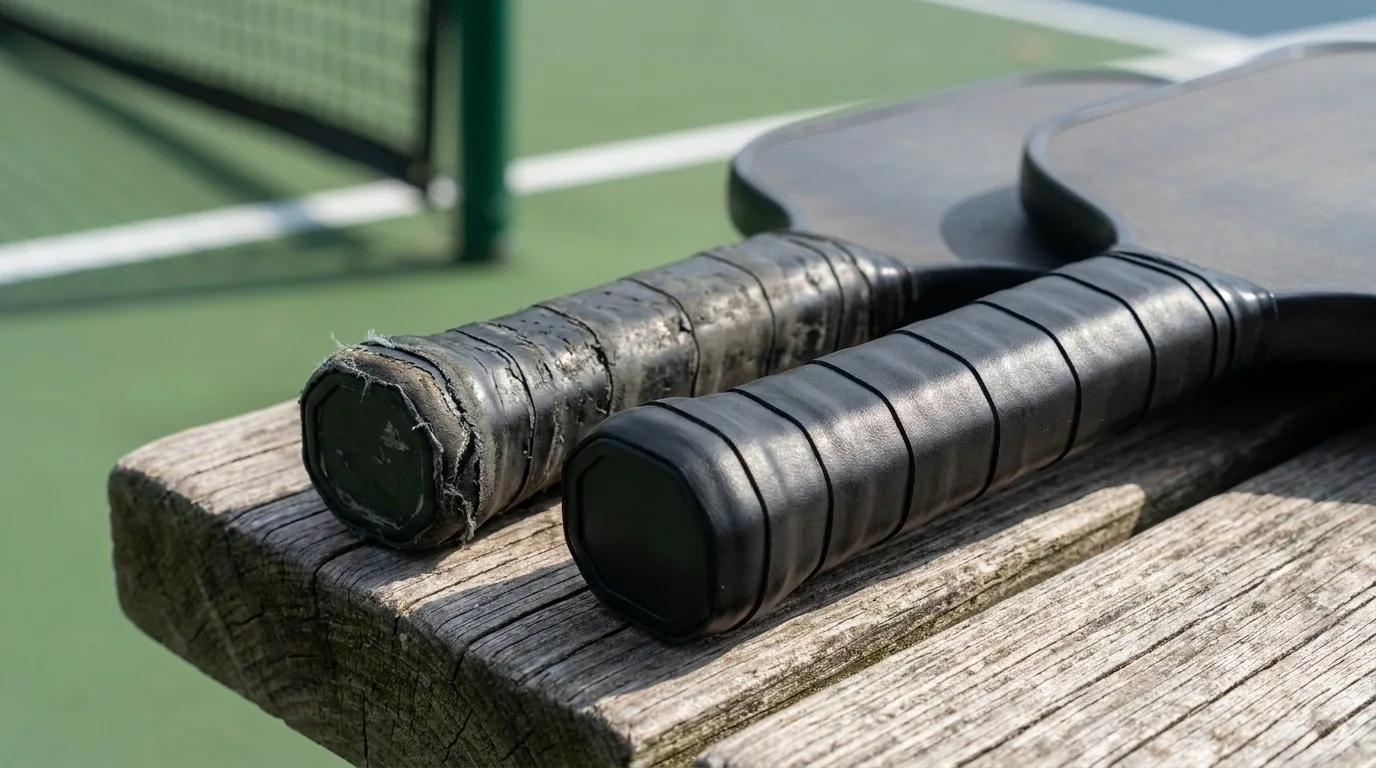
A worn paddle grip can change how you hold the paddle before you notice a problem in your swing. If the handle feels slippery, flat, or loose, do not automatically squeeze harder or buy a new paddle. First identify which layer has worn and whether the handle itself is still sound.
Start with the layer that is actually worn
A replacement grip is the cushioned wrap placed directly on the handle. An overgrip is a thinner layer wrapped over the existing grip. They are not interchangeable fixes. If only the outer layer has lost its feel, removing the main grip creates unnecessary work. If the base grip is peeling, compressed, or damaged, an overgrip may only hide the problem for a short time.
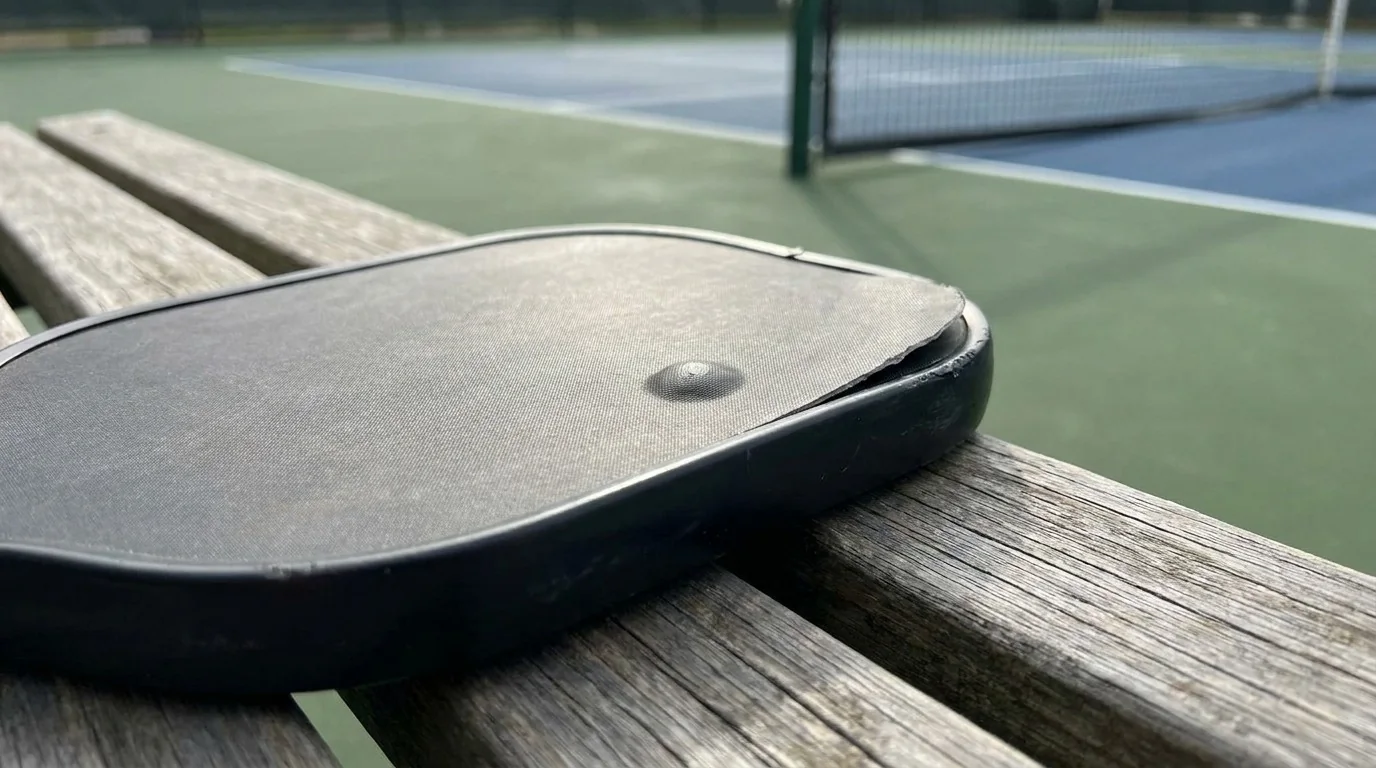
Turn the paddle slowly in your hand and inspect the whole handle. Look for a slick or glassy surface, peeling edges, a wrap that shifts, tears, or a section that has become noticeably flatter than the rest. Also notice what your hand is doing. If you keep readjusting between shots or squeezing harder to stop the paddle from moving, the grip is no longer giving you a dependable contact surface.
There is no useful replacement schedule that fits every player. Playing frequency, sweat, heat, humidity, and grip material all affect wear. Let the condition of the handle guide the decision rather than waiting for a calendar date.
Choose an overgrip or a replacement grip
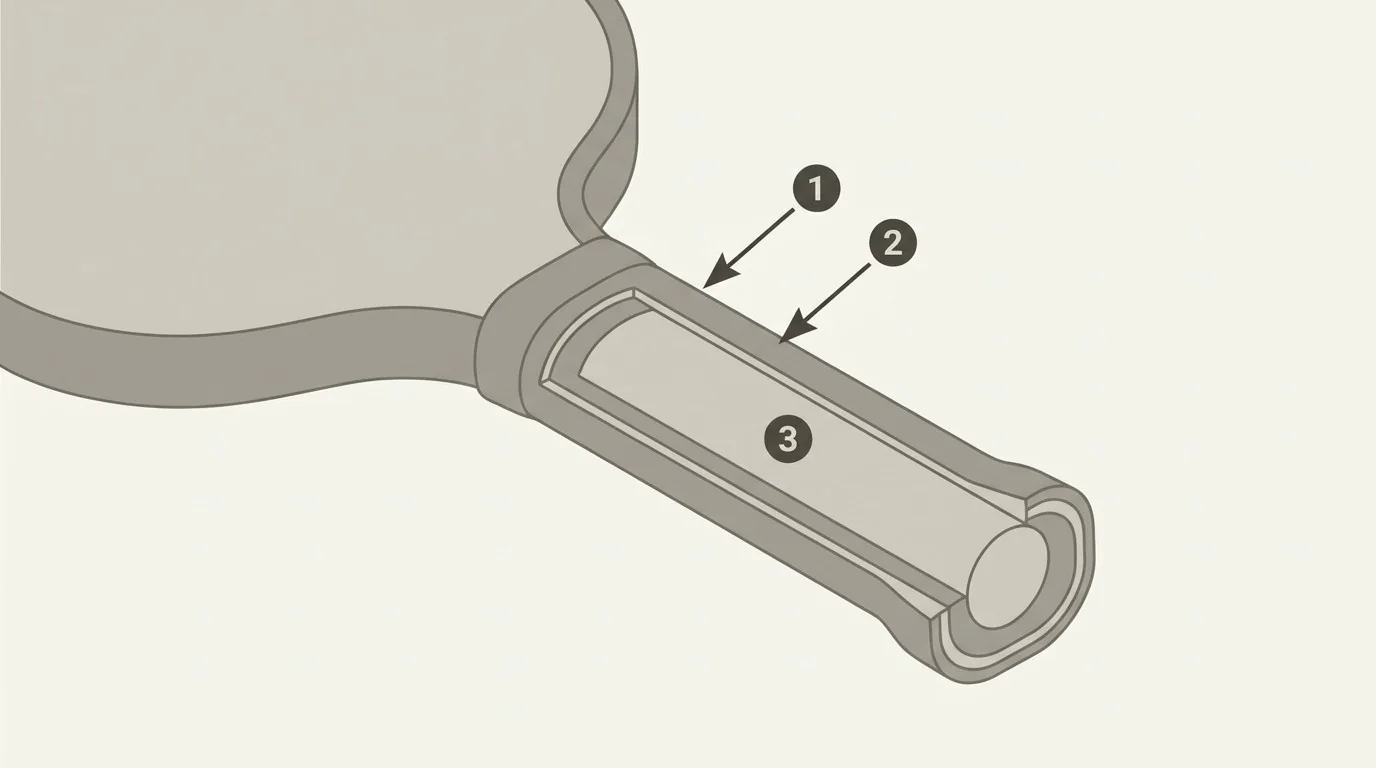
Choose an overgrip when the underlying grip is intact but the outside has lost tack or needs a small change in feel. It is a quick way to refresh the contact surface and can slightly increase handle thickness. Make sure the added layer still lets you hold the paddle comfortably and change grips when needed.
Choose a replacement grip when the original wrap is cracked, heavily compressed, peeling, or no longer sits securely. Remove only the layer you intend to replace. Clean the handle as directed by the grip manufacturer, then start the new wrap at the butt cap and keep the overlap even as you work upward. Use the supplied finishing tape and check that no raised edge catches your fingers.
Do not treat a new wrap as a repair for a loose or damaged handle. If the handle moves independently of the paddle body, makes an unusual sound, or feels structurally compromised, stop and ask the manufacturer or a qualified shop about the paddle. A fresh surface cannot correct an internal or structural problem.
Check the finished fit before playing
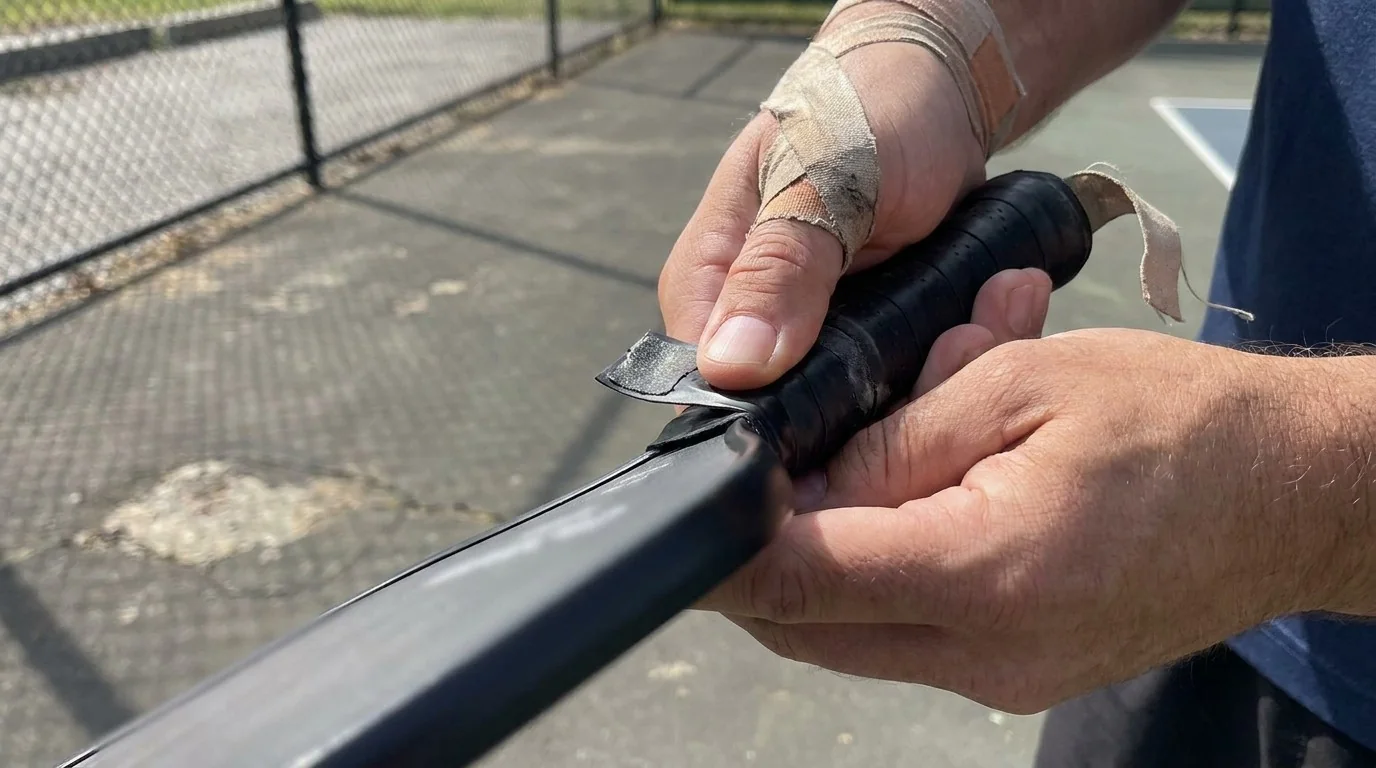
After wrapping, hold the paddle in your normal forehand position and then test the grip you use for a two-handed backhand, if applicable. The wrap should stay secure without forcing you to clamp down. Check the butt cap, finishing tape, overlap, and any raised seams.
If the handle feels bulky, do not keep adding layers to solve a slipping problem. Review whether you chose an overgrip or replacement grip, and check the overlap and thickness. If the paddle still shifts after the grip is secure, investigate the handle rather than changing your stroke.
A short pre-session check
- Twist the grip gently and confirm that the wrap does not move.
- Press along the handle and compare the cushioning from end to end.
- Look for peeling edges, loose tape, cracks, or flattened sections.
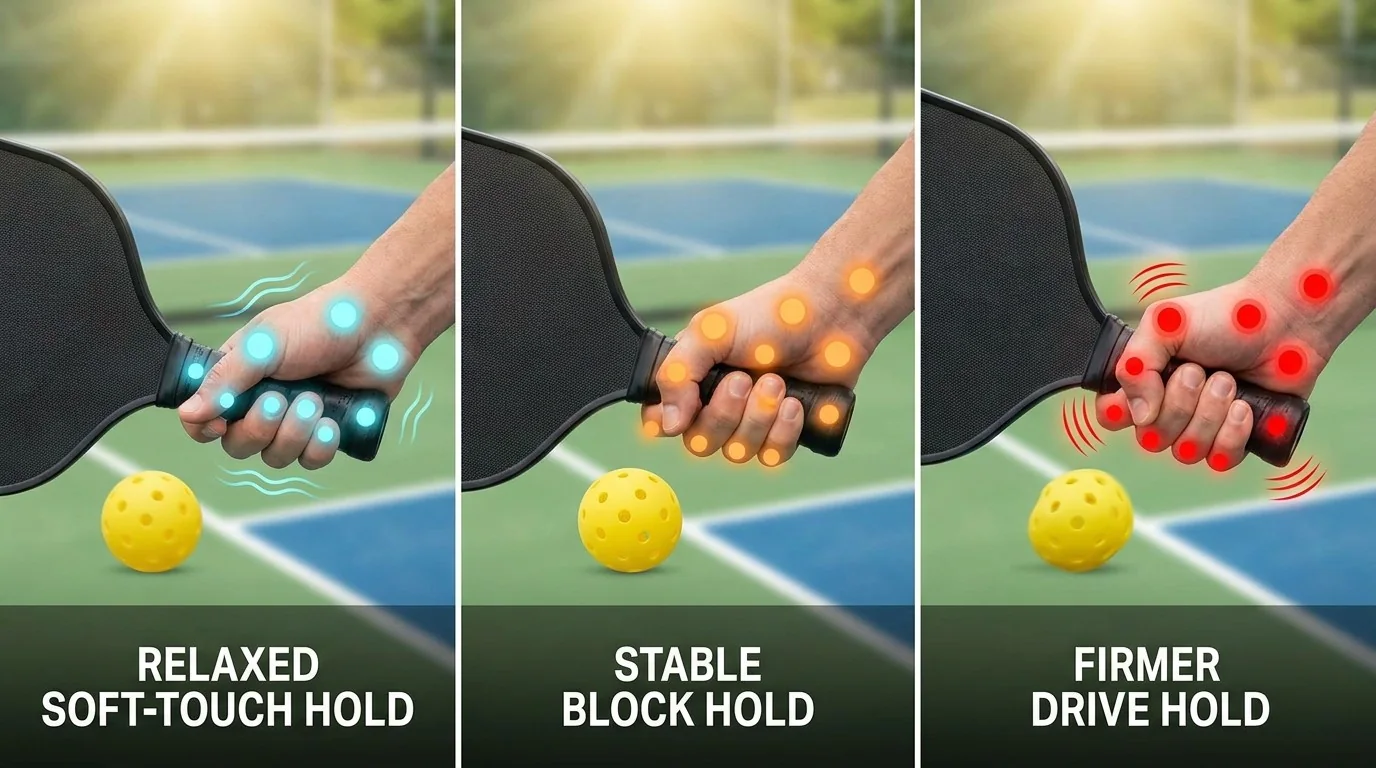
- Make a few relaxed practice swings and notice whether you are squeezing harder than usual.
- Keep the grip packaging or product details if the fit works, so you can repeat the setup later.
The goal is a secure, comfortable handle that lets your hand adjust pressure naturally. Diagnose the worn layer first, replace only what needs replacing, and treat any movement in the handle itself as a separate equipment issue.