How to Hold a Pickleball Paddle: Beginner Guide
A clear beginner plan for choosing, practicing, and placing a legal pickleball serve with confidence.
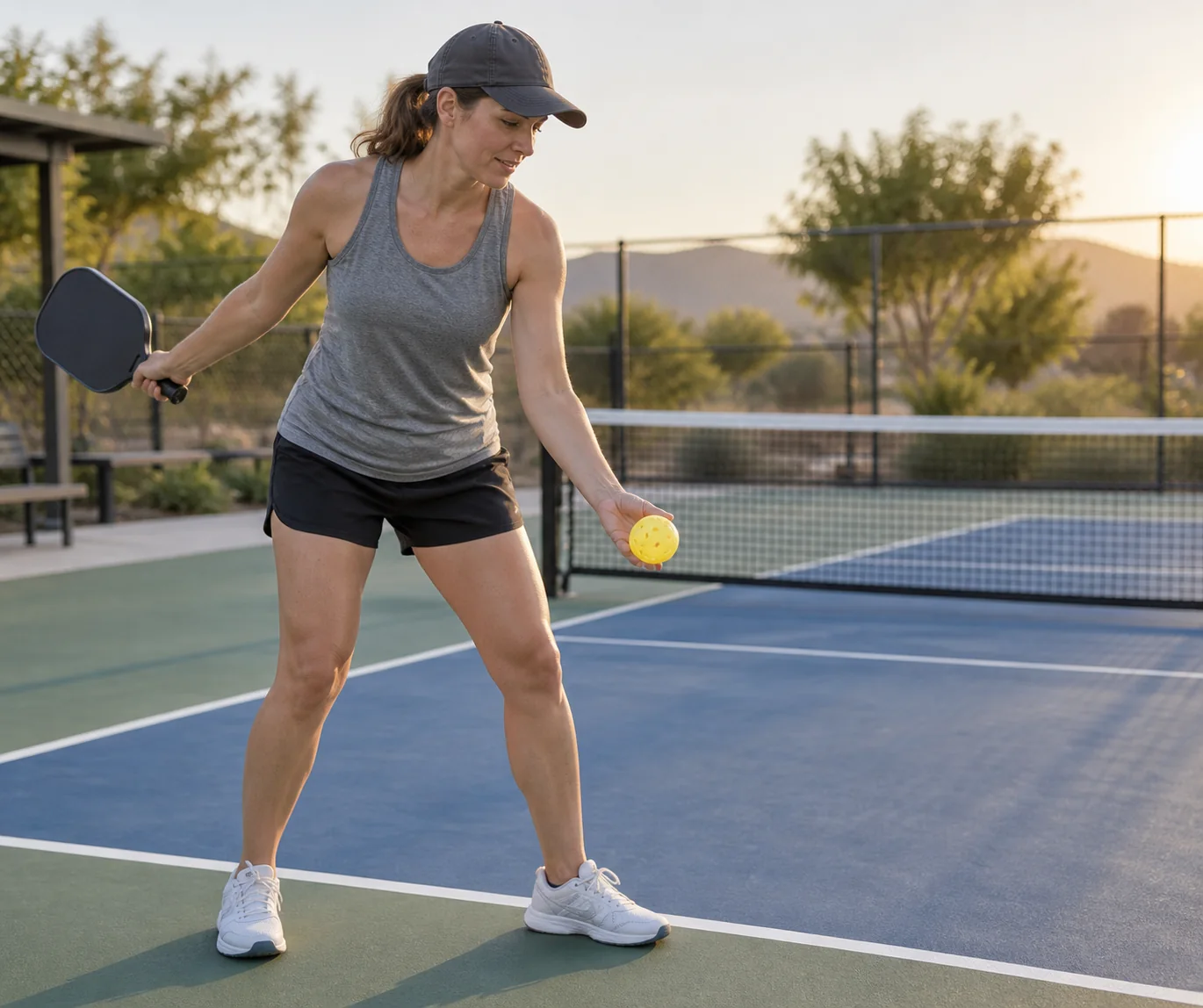
The how to hold a pickleball paddle is the first technique to make comfortable before you worry about power or advanced spin. A reliable hold keeps the paddle face predictable, helps you move between forehand and backhand, and lets your hand soften during touch shots. Start with one neutral grip, learn how pressure changes, and practice returning to the same ready position after every shot.
How to Hold a Pickleball Paddle: Start With a Handshake Grip
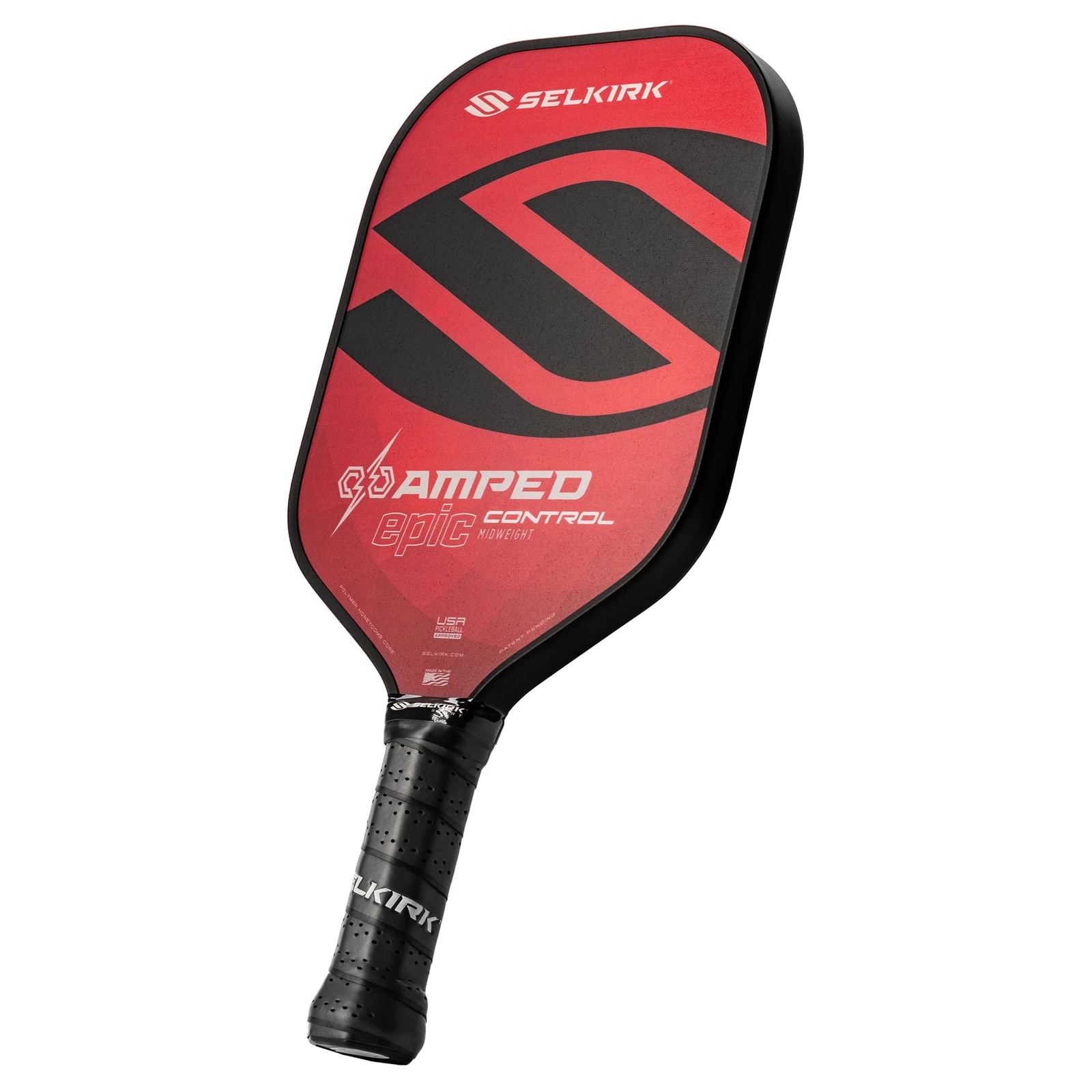
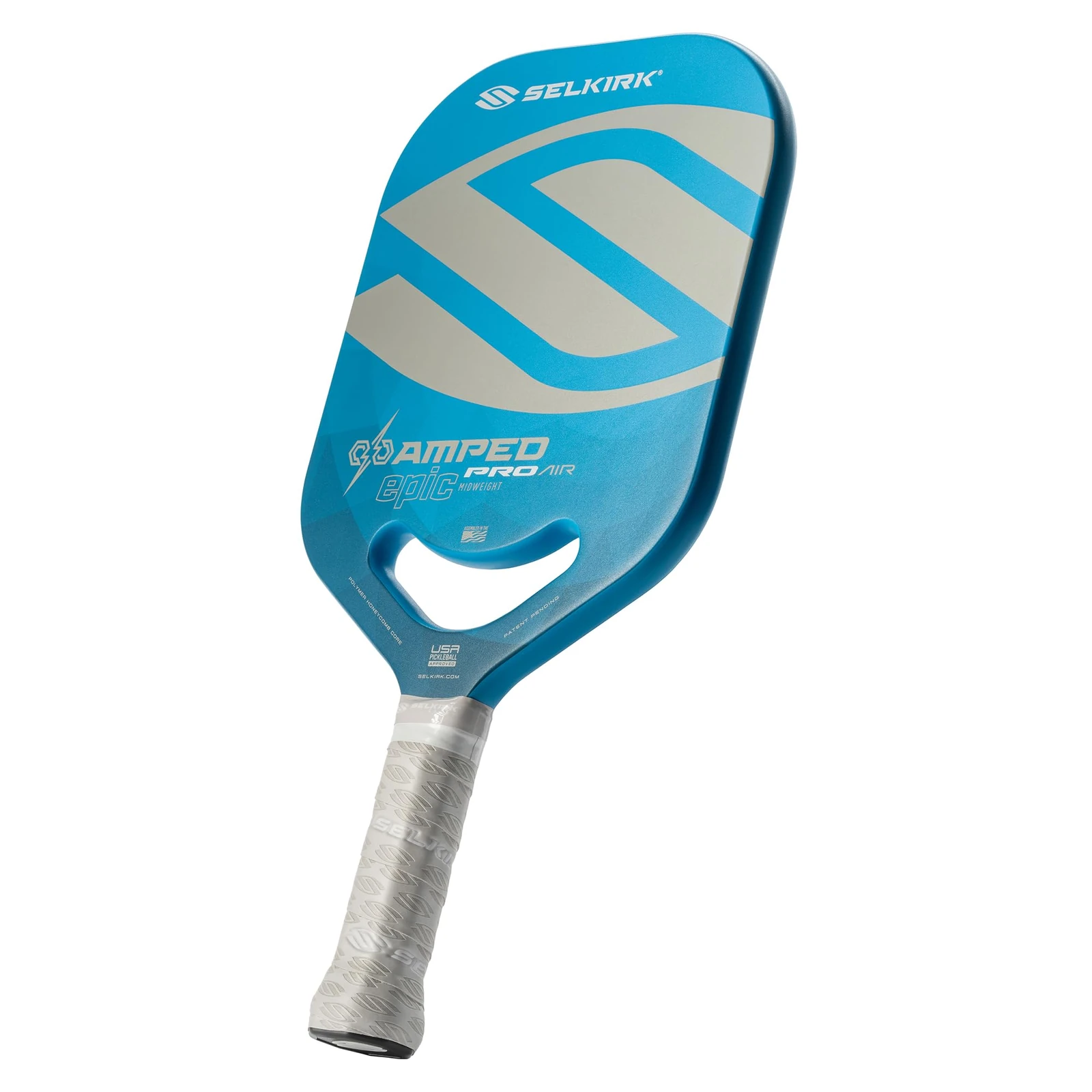
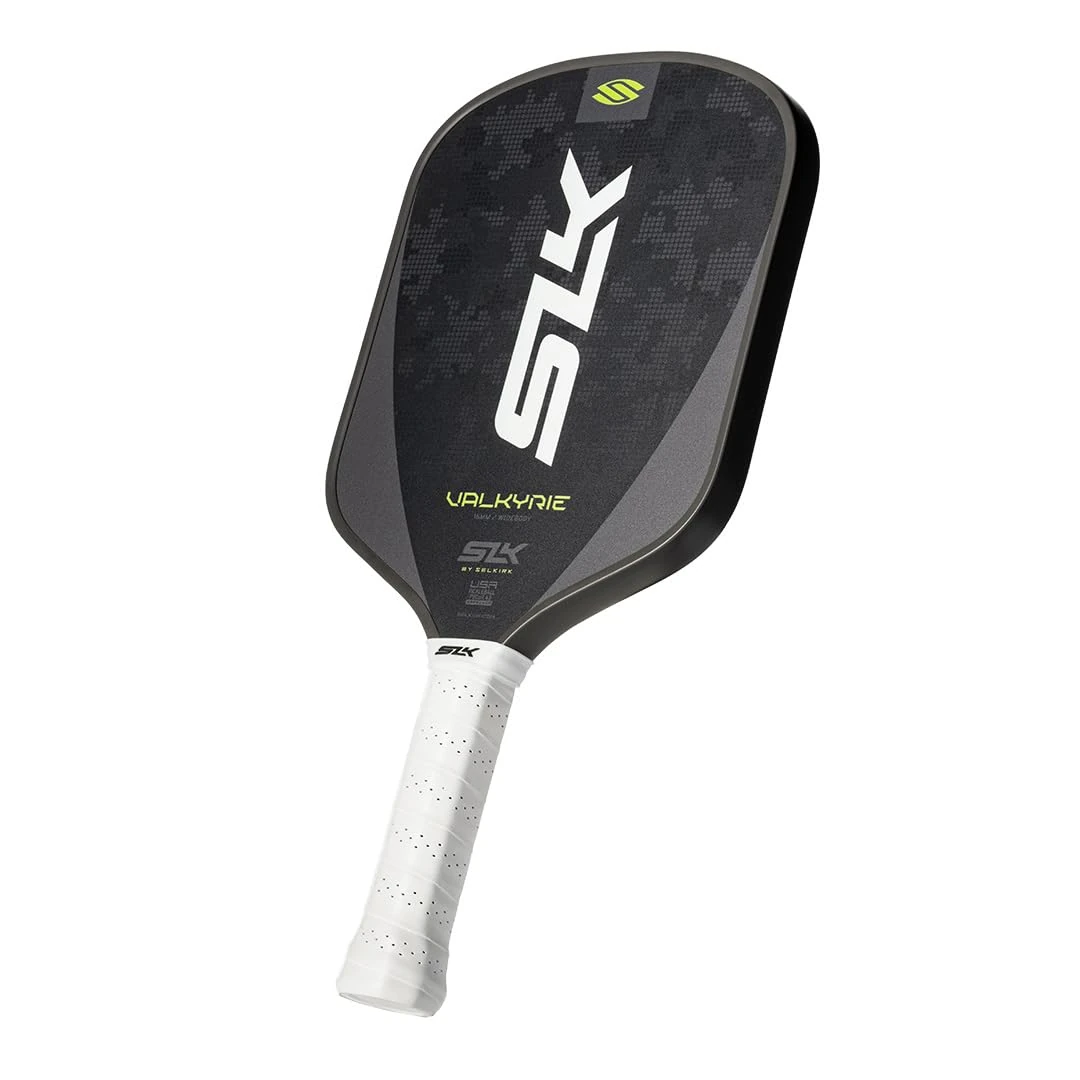
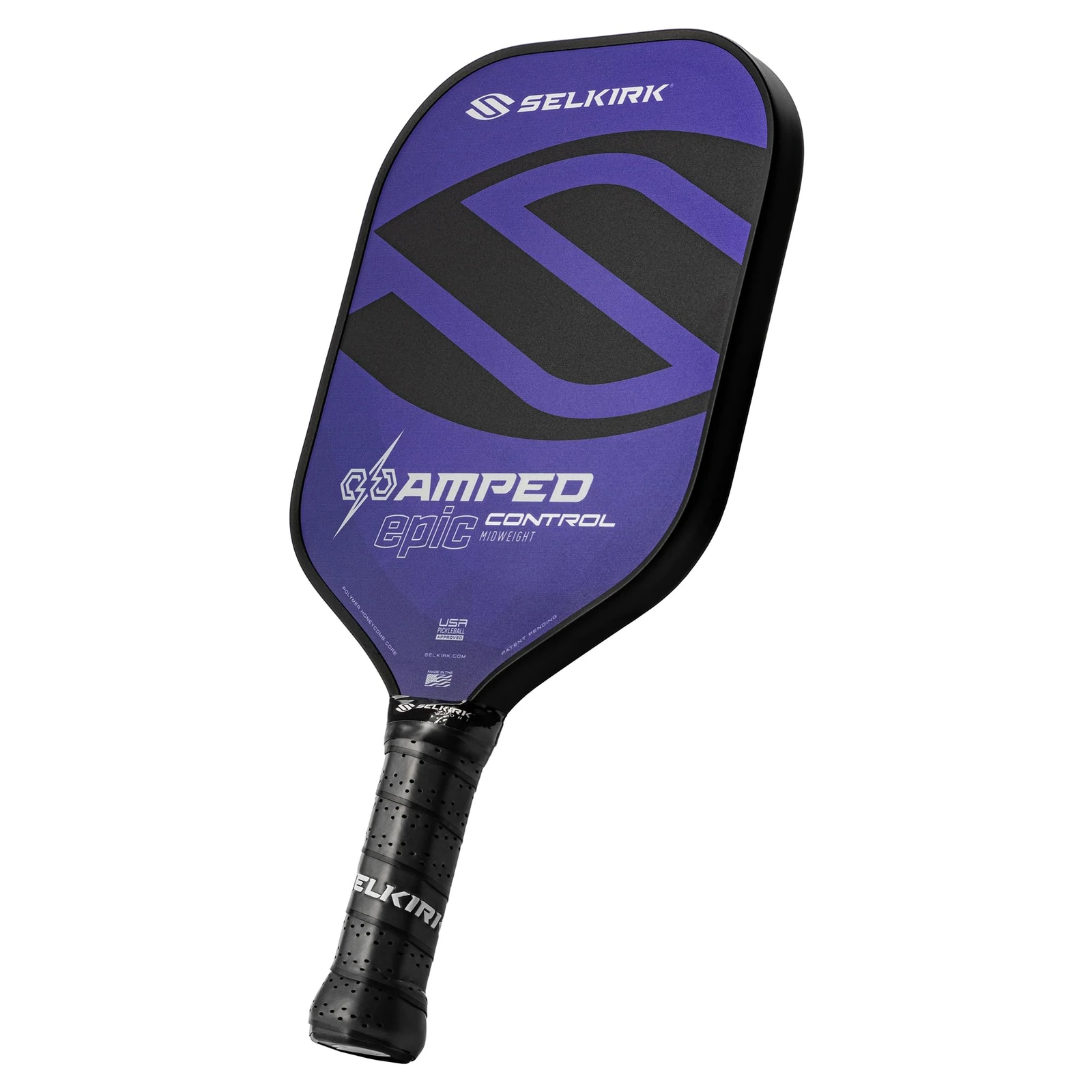
For most beginners, the easiest starting point is the continental, or handshake, grip. Hold the paddle in front of you with the edge roughly vertical, then place your hand on the handle as if greeting someone. Your thumb and index finger form a relaxed V along the upper bevel. The handle should rest more in your fingers than deep in your palm, while the butt cap stays supported near the base of your hand.
Do not chase a perfect bevel position if your handle is rounded. The useful test is practical: can you keep the face stable for a forehand, backhand, volley, and dink without twisting your wrist? If yes, you have a workable neutral starting point.
Keep the bottom of the handle available rather than choking up automatically. A lower hold offers reach and leverage. You may briefly move higher for a delicate exchange, but that is an intentional adjustment, not a replacement for your default grip.
Pickleball Grip Pressure for Control and Touch
Grip pressure matters as much as hand position. Use a light-to-moderate hold, roughly 3 or 4 on a scale of 10, during ready position, dinks, and soft resets. The paddle should not fall from your hand, but your forearm and shoulder should feel free. Imagine holding a small paper cup without crushing it.
Firm up briefly when blocking a fast ball or driving, then relax again immediately after contact. Holding maximum tension throughout a rally makes the paddle harder to maneuver and can cause touch shots to spring too far. A useful between-shot check is to notice whether your knuckles are whitening or your wrist feels locked. If so, loosen your fingers before the next ball.
Build a Ready Position Around Your Grip
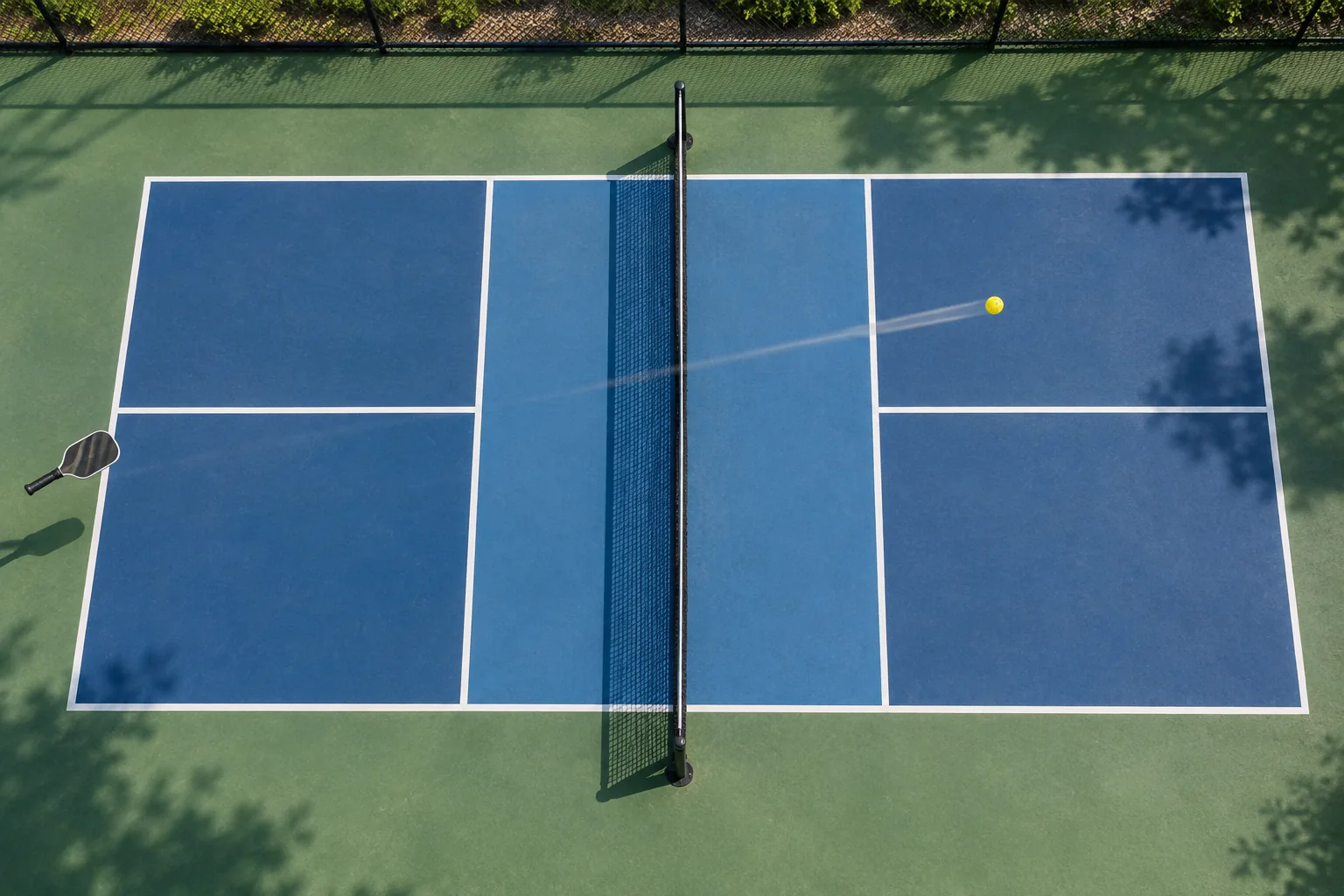
Your grip works best when the paddle starts in front of your torso. Keep the elbow comfortably bent, the paddle head around waist-to-chest height, and the non-dominant hand lightly supporting the throat between shots. This second hand helps you reset the paddle and prevents the dominant hand from tightening while you wait.
From this position, make a compact turn for a forehand or backhand instead of taking a large backswing. At the kitchen line, the neutral grip saves time because you do not need a dramatic rotation before a quick exchange. When you have more time and want extra forehand topspin, you can experiment with a small turn toward an eastern forehand grip. Return to neutral when the ball becomes fast or unpredictable.
Players moving from tennis often bring a strong forehand grip into every situation. That can feel powerful from the baseline but awkward for backhands and soft play. Players from badminton may overuse wrist action. Keep the paddle quieter and let your shoulder, arm, and body position share the work.
How Grip Choice Changes Across Common Shots
A beginner does not need a different grip for every ball. Use the neutral grip as home base and make only small, purposeful changes.
- Dinks and resets: stay relaxed and use a compact forward movement. Let the paddle absorb pace rather than stabbing at the ball.
- Volleys and blocks: keep the paddle in front and add just enough firmness to stop the face from wobbling.
- Groundstroke drives: if you have time, a modest forehand-grip adjustment may help you brush up the back of the ball. Do not force it when late.
- Serves: choose the hold that keeps your paddle face and contact repeatable. Comfort is more useful than copying an advanced player.
- Two-handed backhands: keep the dominant hand stable and place the non-dominant hand above it. Practice the motion slowly before using it in fast rallies.
Three Simple Paddle-Grip Drills
1. The silent reset
Stand in ready position and move the paddle between forehand and backhand preparation without hitting a ball. Keep the non-dominant hand on the throat between repetitions. Do three sets of 20 slow transitions. The aim is to feel the same neutral starting hold each time.
2. Pressure ladder
Shadow five dinks at pressure 3, five blocks at pressure 5, and five drives at pressure 6 or 7. Return to pressure 3 between groups. This teaches your hand that grip pressure is adjustable rather than permanently tight. Stop if your forearm becomes tired.
3. Targeted wall or partner taps
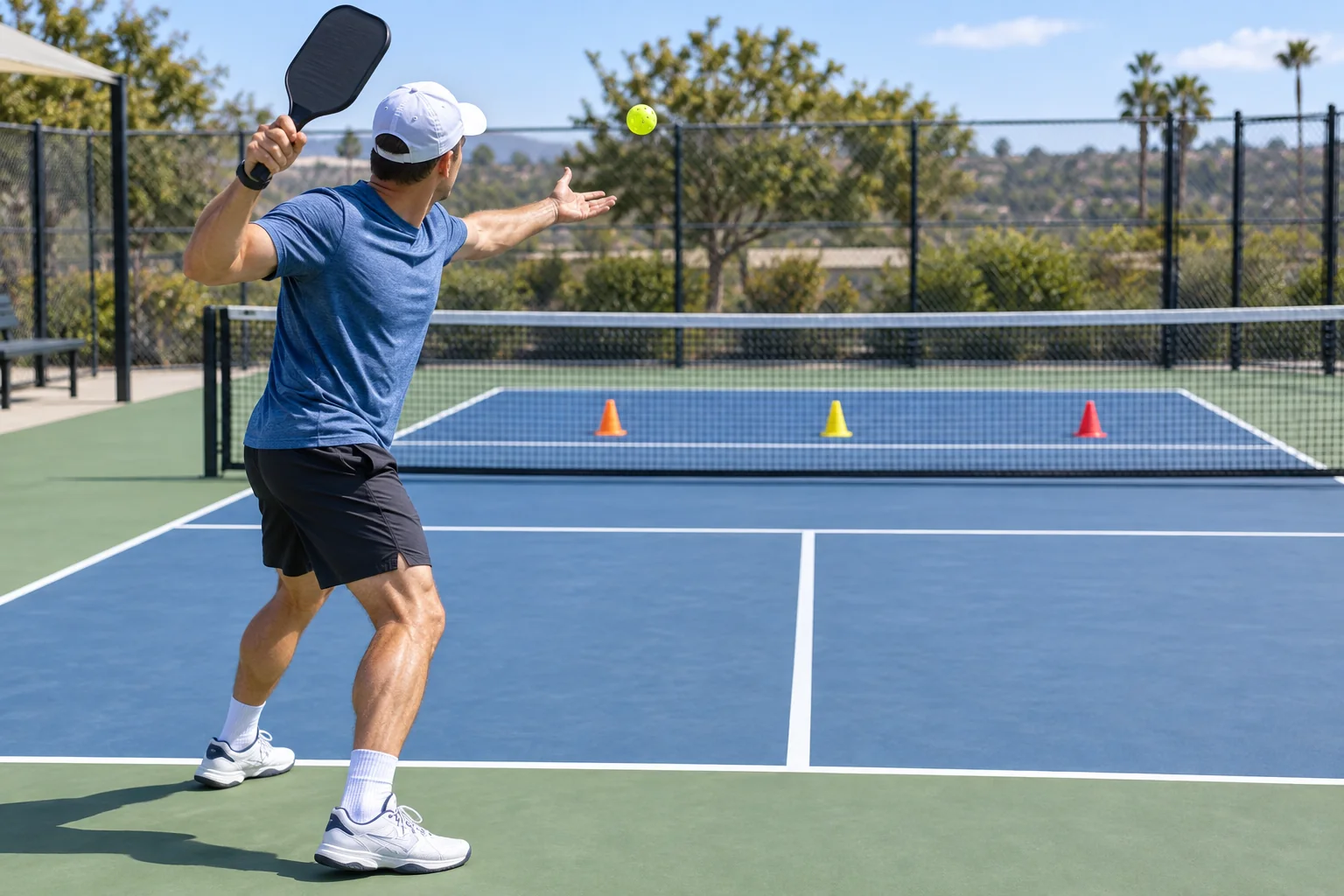
Using a safe open area, tap the ball softly against a wall or to a partner from close range. Keep the paddle face quiet and count controlled contacts. Begin with 20 forehands and 20 backhands, then alternate sides. If the ball sprays away, check your grip and ready position before swinging harder.
Common Pickleball Grip Mistakes and Fixes
- Death grip: loosen the fingers between shots and breathe out during contact.
- Frying-pan hold: turn the hand toward a handshake position so the paddle face is not lying flat.
- Choking up too far: move back toward the butt cap for normal rallies, keeping control without sacrificing reach.
- Palm-only squeeze: let the fingers wrap the handle while the palm remains relaxed.
- Locked wrist: reduce pressure and shorten the swing rather than forcing a wrist snap.
- Never checking fit: if the handle feels too thin or too large, test another size or add a suitable overgrip. Comfort should not create numbness or pain.
The best how to hold a pickleball paddle is not a rigid pose. It is a repeatable home position that stays relaxed until the shot demands a little more firmness. Practice the handshake grip, pressure ladder, and ready-position reset for a few minutes before games. Once your hand stops fighting the paddle, your footwork and shot choices have a much clearer foundation.