Pickleball Adjustment Steps: Meet the Ball in Front
A practical guide to split steps, small adjustment steps, balanced contact, kitchen movement, and recovery.
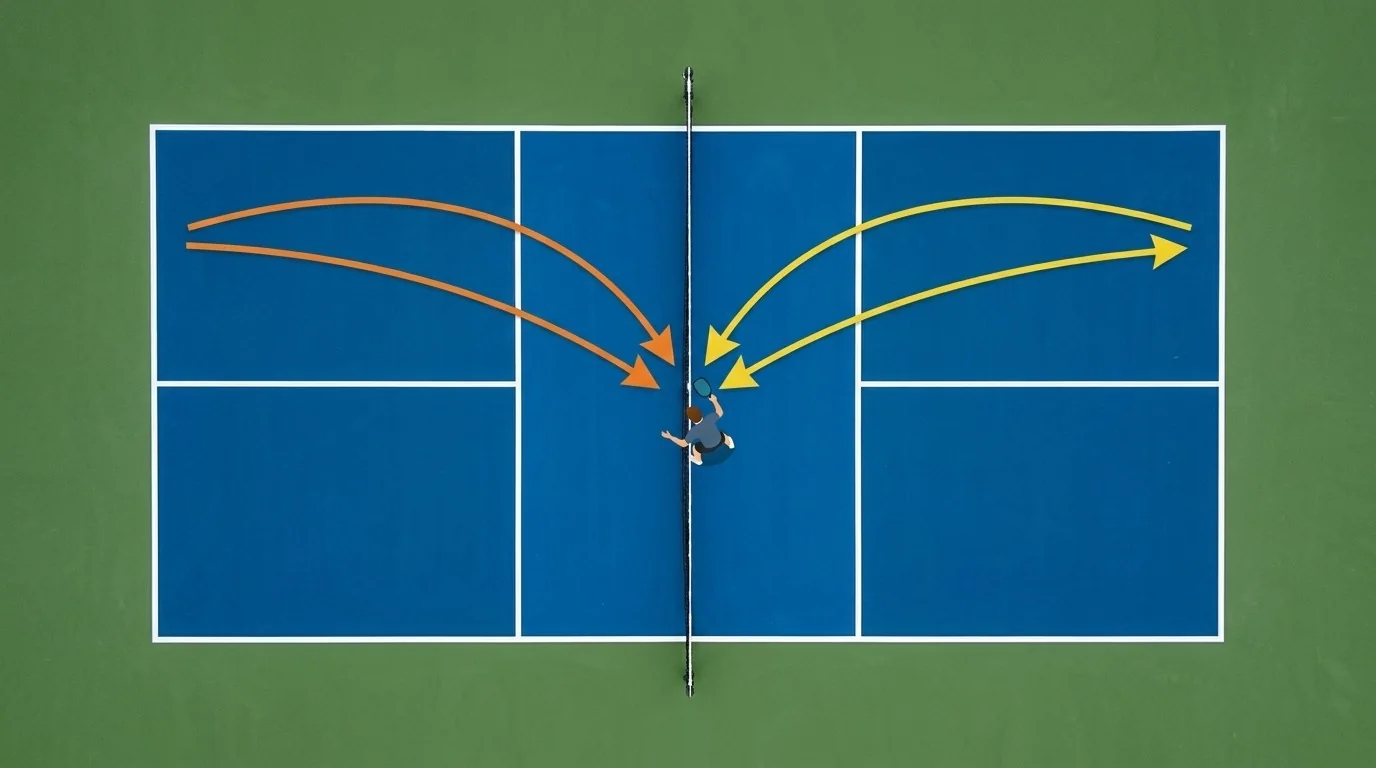
Clean pickleball contact starts with the feet, not the swing. Adjustment steps help you arrive with the ball in front of you, keep the paddle path predictable, and recover for what comes next. The aim is not to keep moving for its own sake. It is to use the smallest useful steps to create a balanced contact position.
Read the ball before you move
Begin in a ready position with the paddle in front and the feet light. When the opponent strikes the ball, use a split step so either foot can respond. Then read the ball's height, speed, and direction before choosing a large movement. A wide ball calls for an early lateral step. A ball coming toward your body may require a small retreat or a turn around the ball.
Your first step should take you toward the ball, but the final adjustment should give you room to swing. Do not run straight to the bounce and stop with the ball beside your hip. Arrive with the ball slightly in front of your body and enough space for the paddle to travel without reaching.
Build the position with small steps
Large emergency steps have their place, but most controlled contacts come from two or three short adjustments. Shuffle when you want to stay square, use a crossover when you need to cover more distance, and finish with a settling step before the swing. Keep your head relatively quiet. Let the feet solve the distance instead of asking the arm to stretch for the ball.
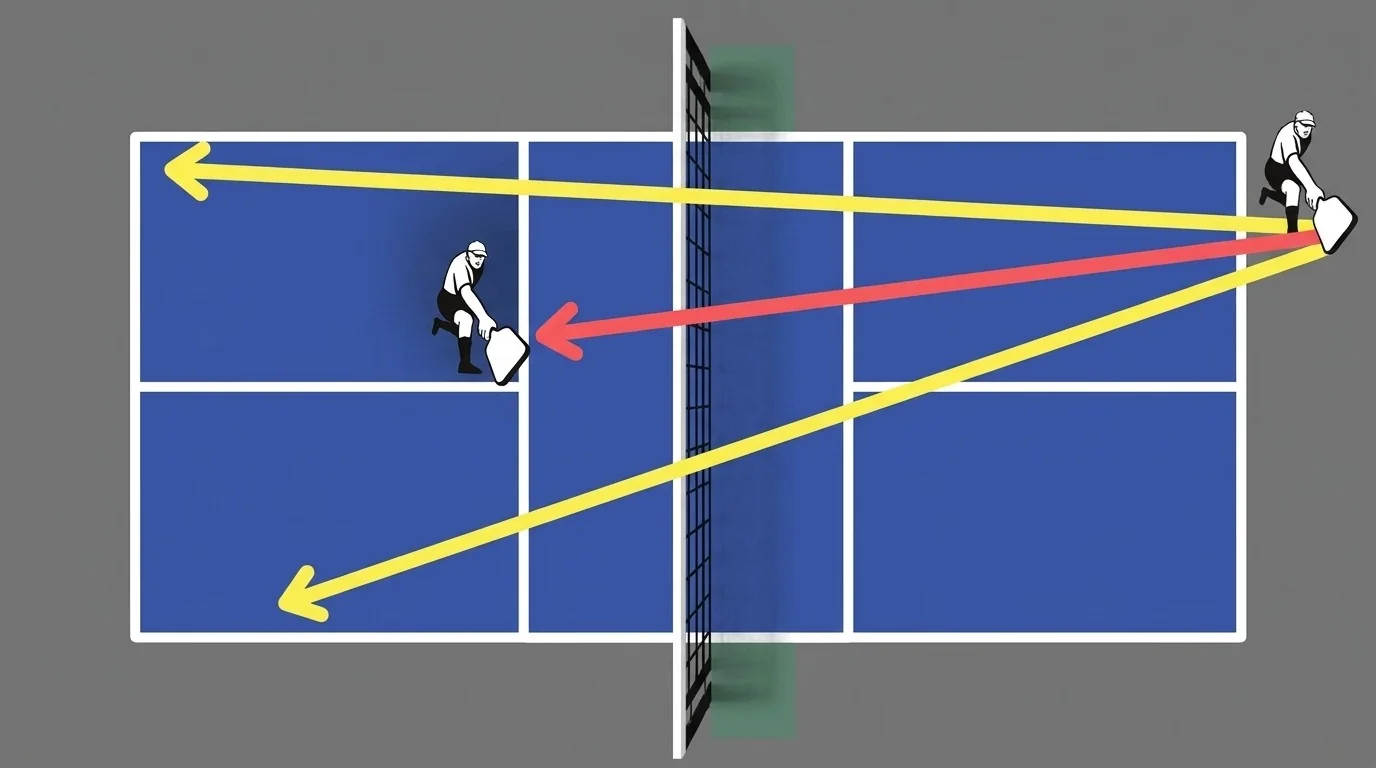
For a forehand, turn the shoulders early and use the non-paddle side to help judge the distance. For a backhand, rotate the torso and keep the preparation compact. In either stroke, contact is easier when the last adjustment is complete before the forward swing begins. If the ball is low, bend the knees rather than folding at the waist.
Adjust near the kitchen and in transition
Near the non-volley line, the steps should be quiet and short. Split as the opponent hits, then make a small side adjustment to keep the ball in front. Reaching across the body can expose the paddle face and send the ball up. A small crossover or drop step can help when the ball pulls you wide, but recover toward the line as soon as the shot permits.
In the transition area, do not sprint through your own contact. Move forward after the ball leaves the paddle, then stop or split before the opponent's next contact. That pause links your shot to the next defensive decision. If the ball is high and attackable, keep moving. If it is low or awkward, hold a balanced position and prepare to reset.
Correct the common spacing problems
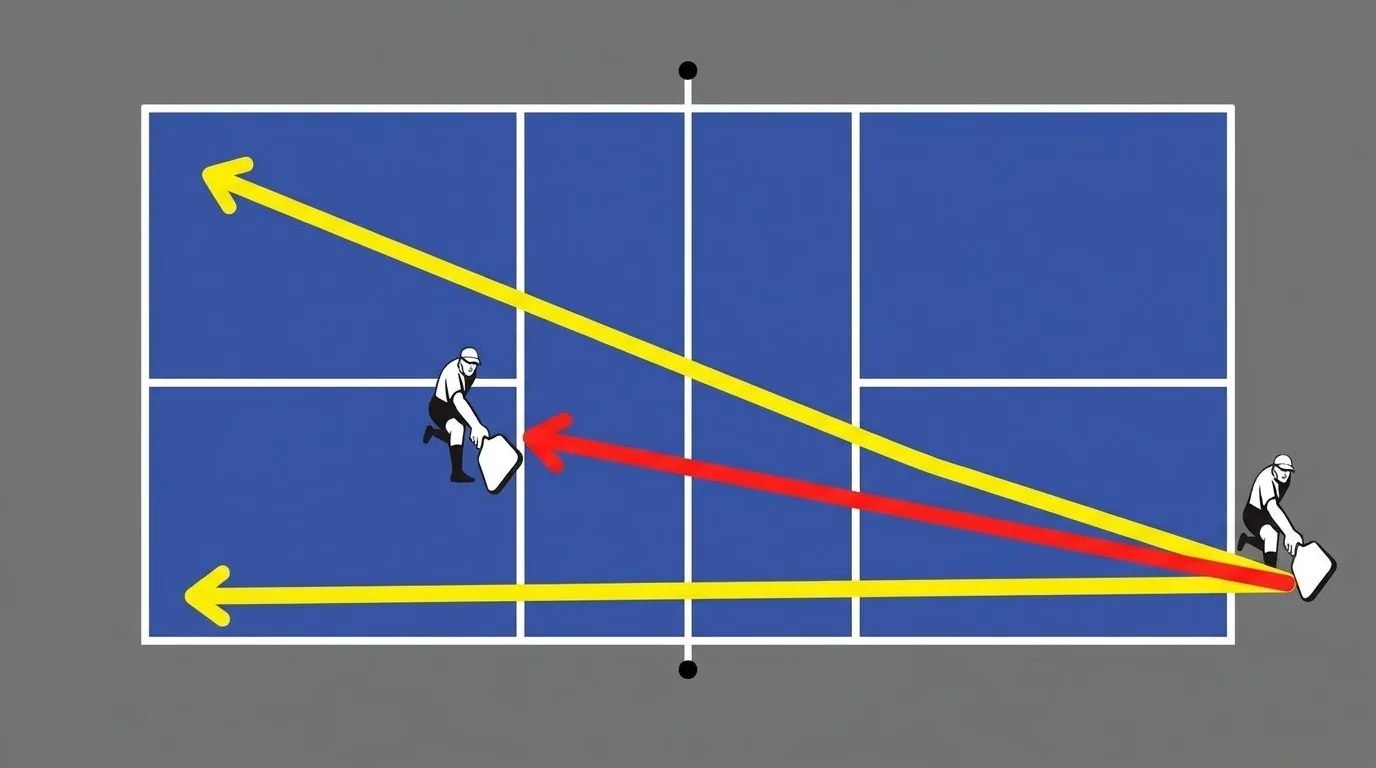
Late contact usually means the shoulder turn started too late or the feet stopped before the ball was in position. Begin the turn earlier and take an adjustment step before reaching. If the ball keeps flying long, check whether your feet are still moving through contact or whether the paddle preparation has become too big. If the frame catches the ball, use smaller steps and watch the opponent's contact instead of chasing the bounce alone.
A useful partner drill starts with gentle feeds to the forehand and backhand. The hitter says “set” when the feet have stopped, then plays a controlled shot toward a generous target. Progress by changing the feed's depth and width. Score the arrival separately from the shot: one point for balanced spacing, one for a playable ball, and one for recovering to a ready position.
Turn the movement into a rally habit
Before each shot, ask three practical questions: Where is the ball going? Where will I contact it? Where do I need to recover next? Those answers keep footwork connected to the point rather than turning it into a memorized pattern. Practise the split step, first directional step, adjustment, contact, and recovery as one sequence.
The best adjustment step is usually the smallest one that leaves you balanced. Move early, finish the distance with quiet feet, contact the ball in front, and recover before watching the result. With repetition, creating space becomes automatic, and both forehands and backhands become easier to control.