Pickleball Court Shade: How to Plan a More Comfortable Community Space
A practical guide to planning shade, seating, hydration, visibility, drainage, and maintenance around a shared pickleball court.
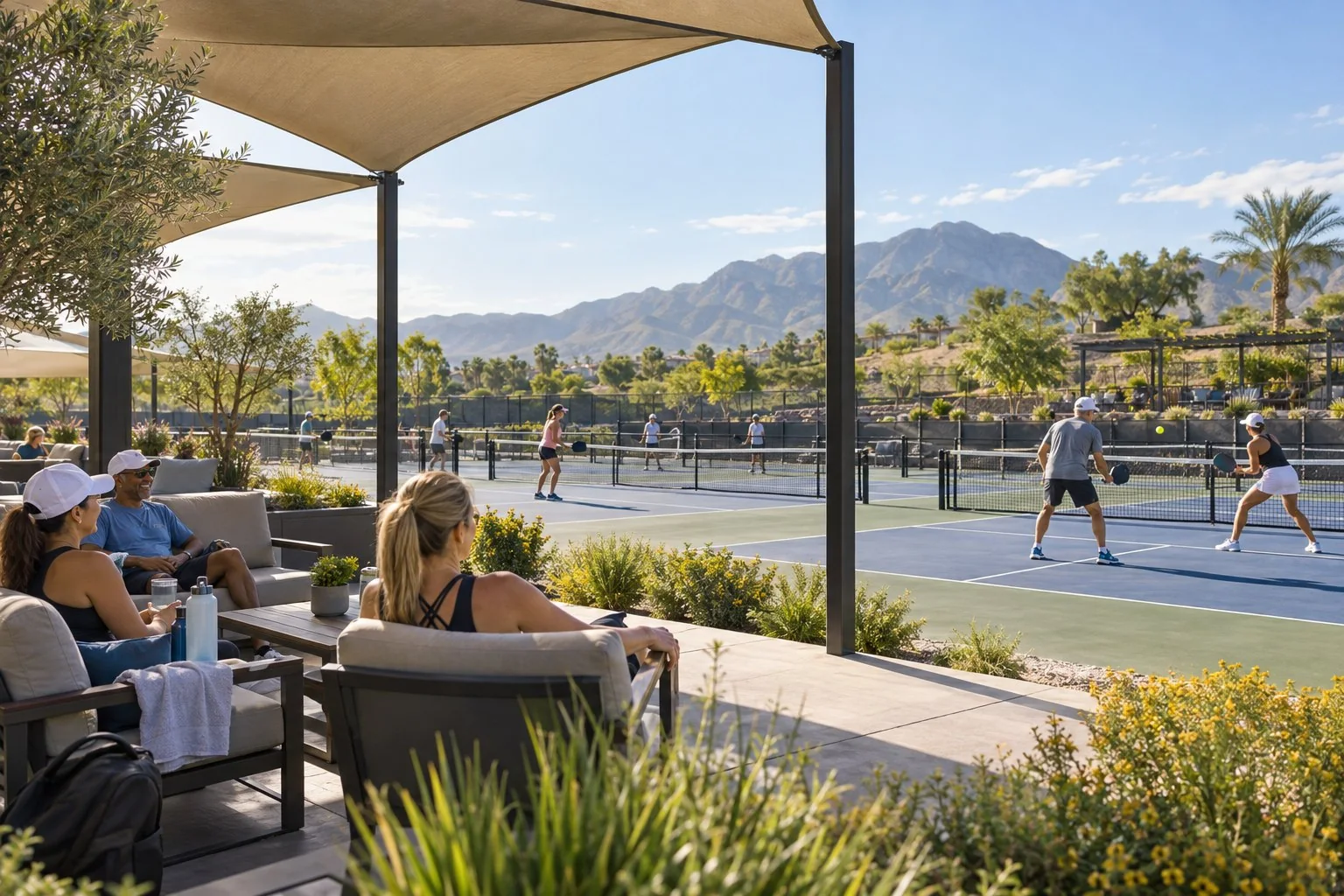
A comfortable pickleball venue is not defined only by its court surface. In warm weather, the shaded edge of the facility can decide whether players stay for another game, whether spectators can watch safely, and whether a community program feels welcoming to older adults and beginners. Good shade planning protects the playing area’s visibility while creating a practical place to rest, drink water, and wait for the next rotation.
Start with the people, not the structure
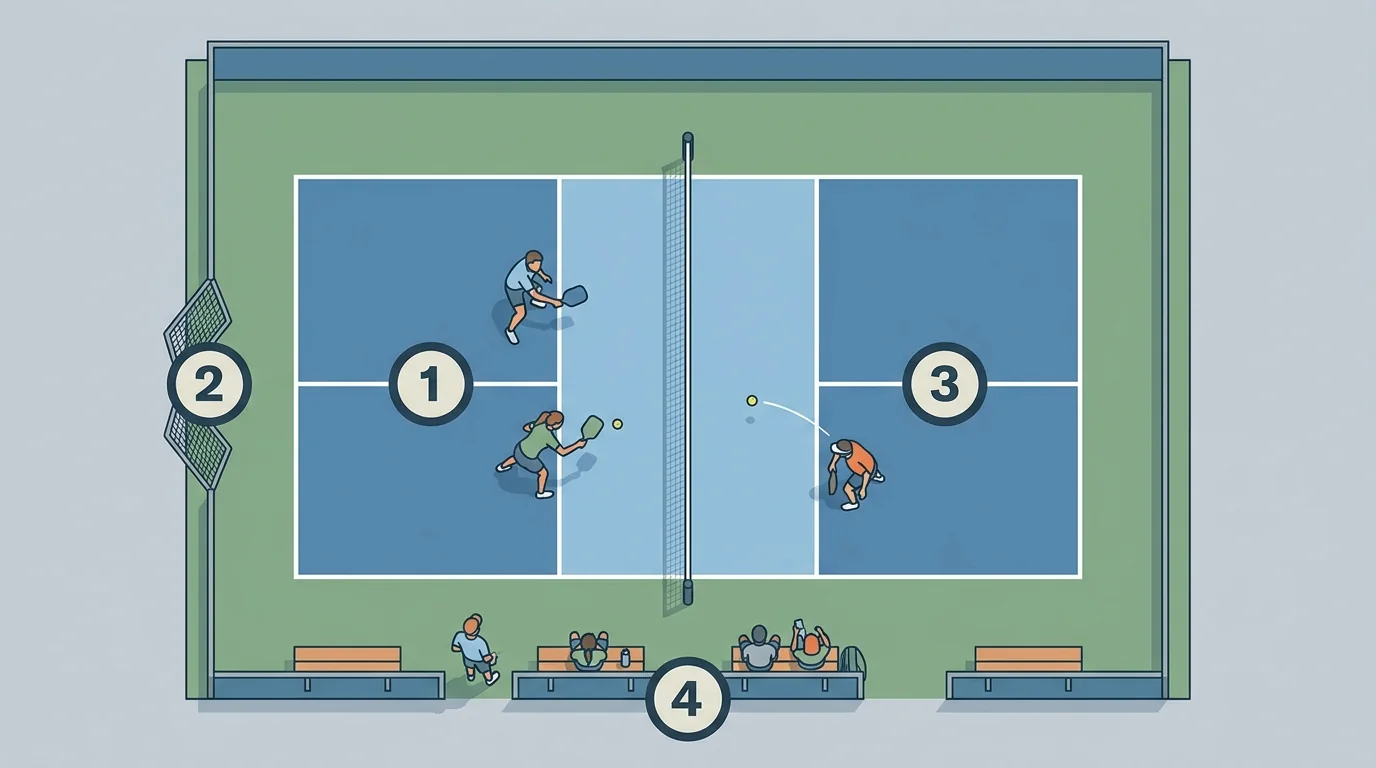
Before choosing a shade sail, canopy, or permanent roof, observe how the site is actually used. Note where players wait between games, where partners leave bags, where parents stand with children, and where a recovering player can sit without blocking the gate. A useful shade area should be close enough to the courts for clear calls and easy supervision, but far enough away that loose chairs, umbrellas, and bags cannot become trip hazards.
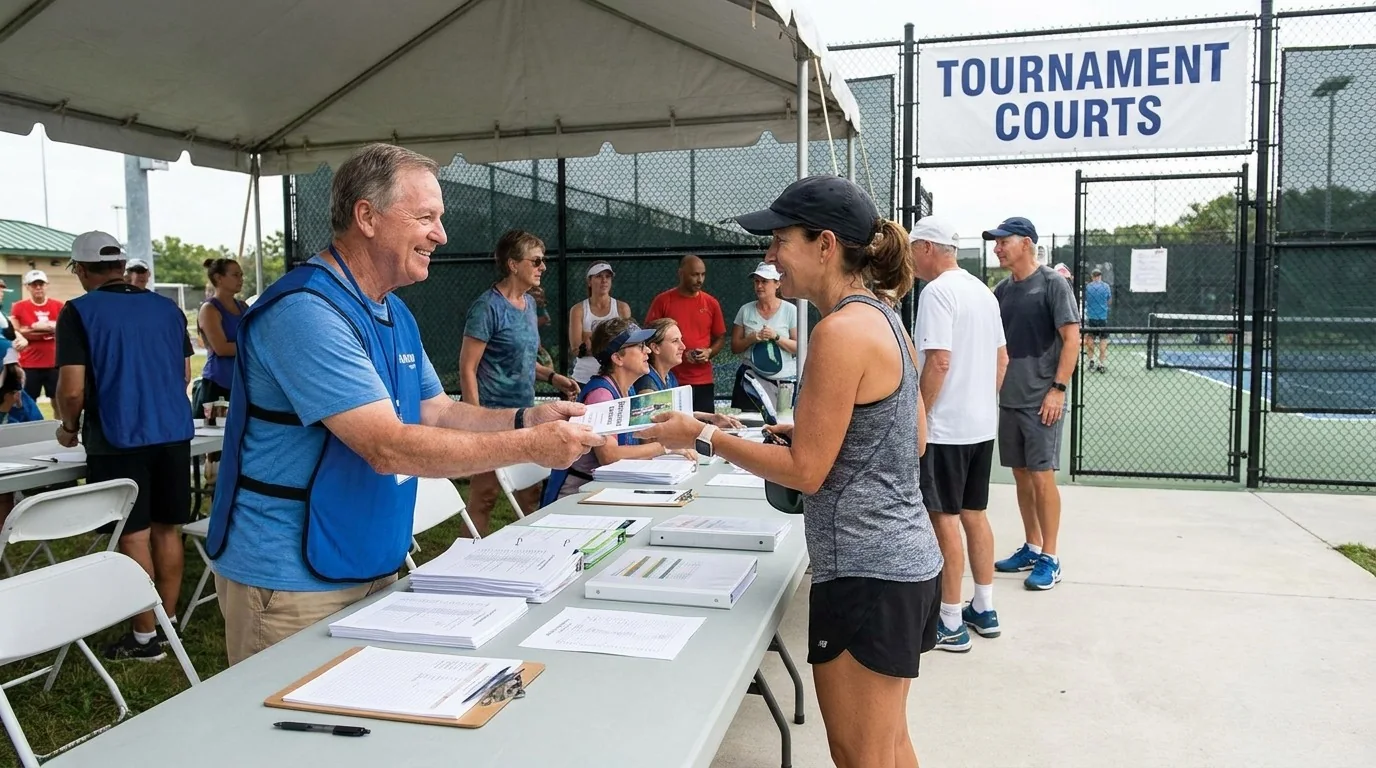
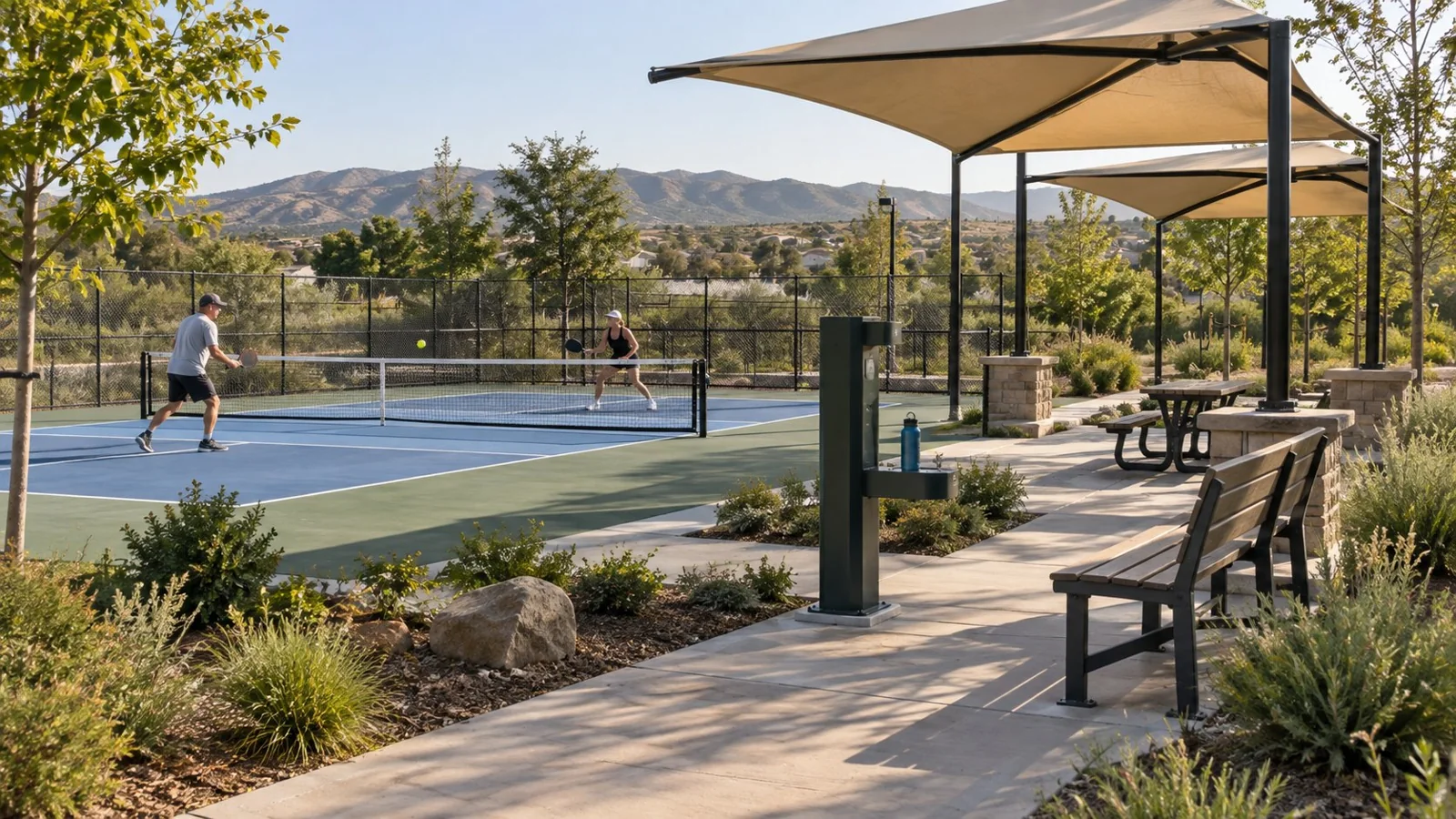
Create a simple comfort zone beside the court rather than filling the playing area with furniture. Place benches along a stable edge, keep the entry path open, and provide a water point that does not force people to cross behind an active server. If the venue hosts open play, leave room for a small queue so players can rotate without crowding the baseline.
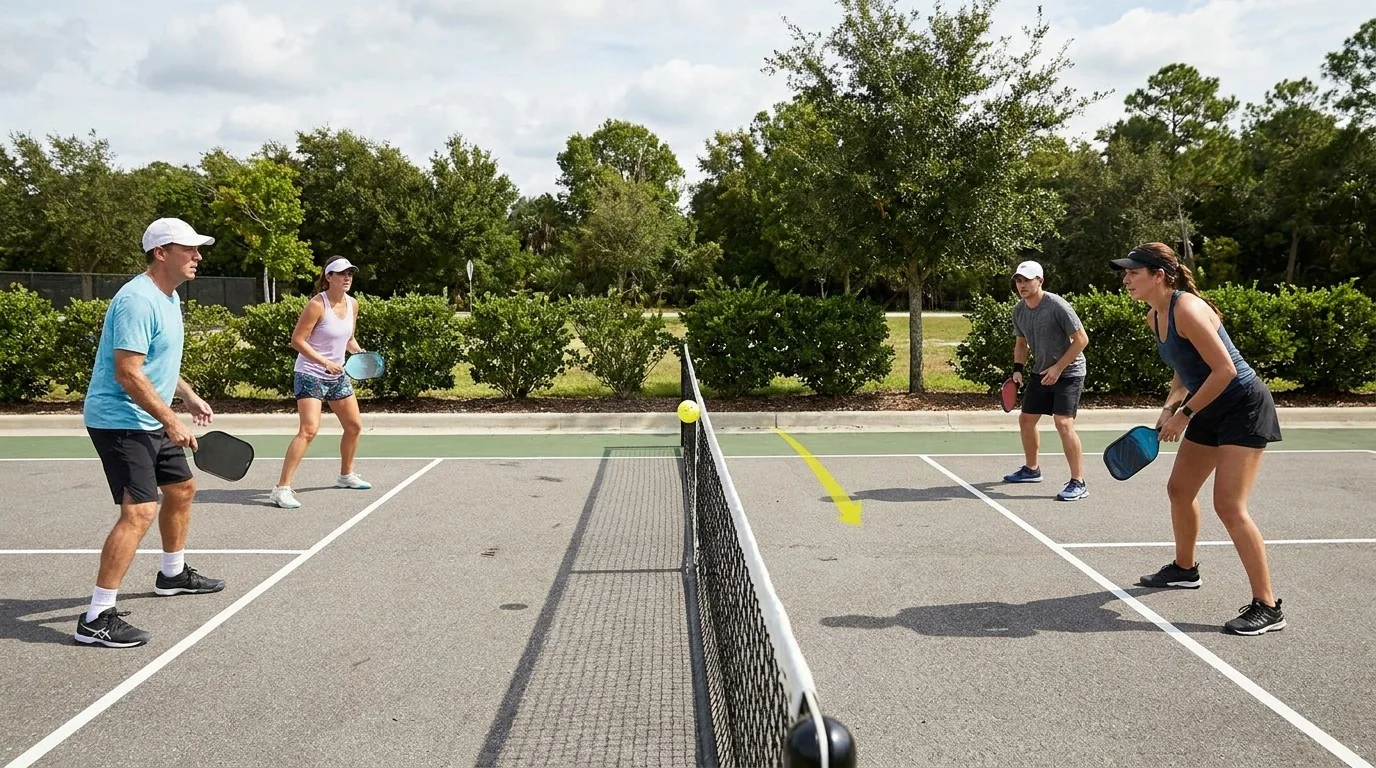
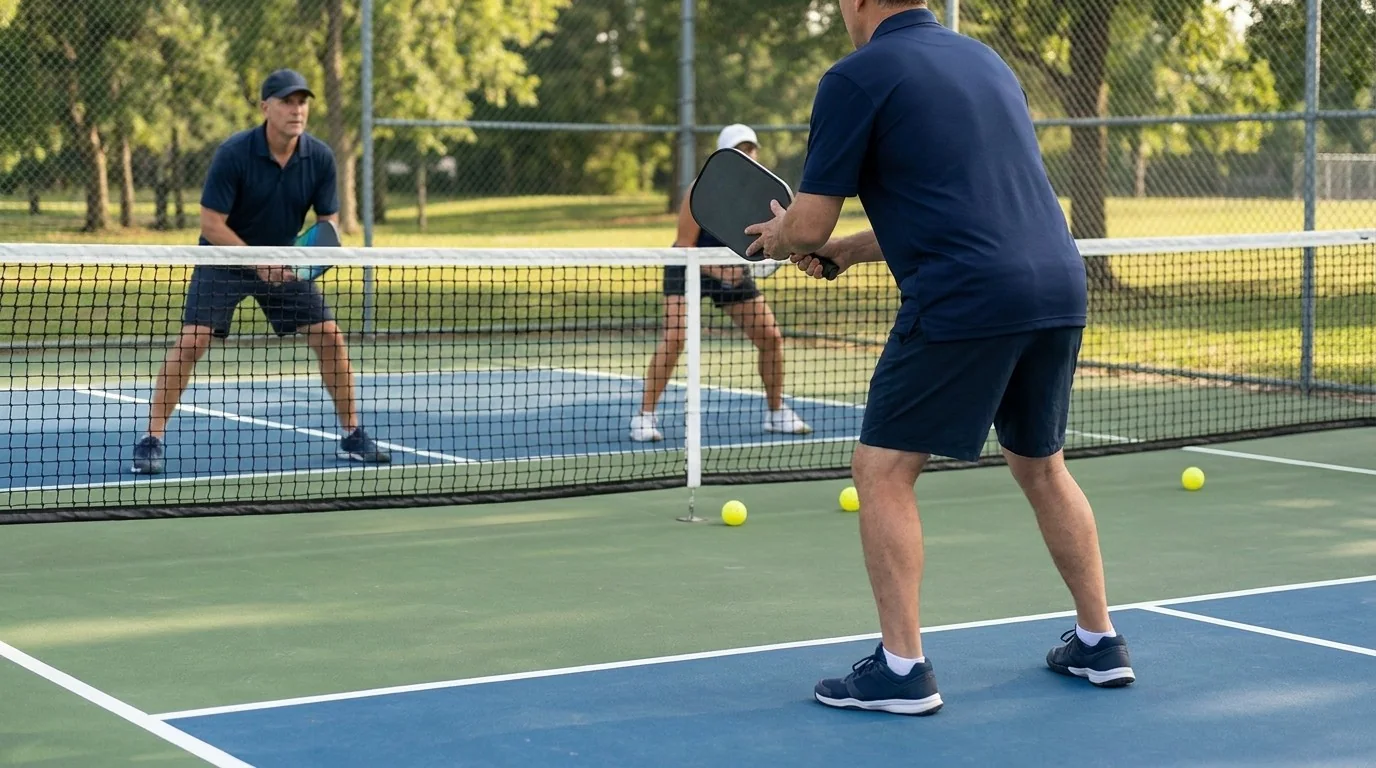
Shade is also a visibility decision. A canopy with a solid, bright underside can create glare when players look upward for a lob. Choose a matte, neutral surface and test it from both baselines at the hours when the venue is busiest. Watch for dark bands across the kitchen, sharp shadows behind the net, and a blocked view of adjacent courts.
Plan the structure for wind, water, and access
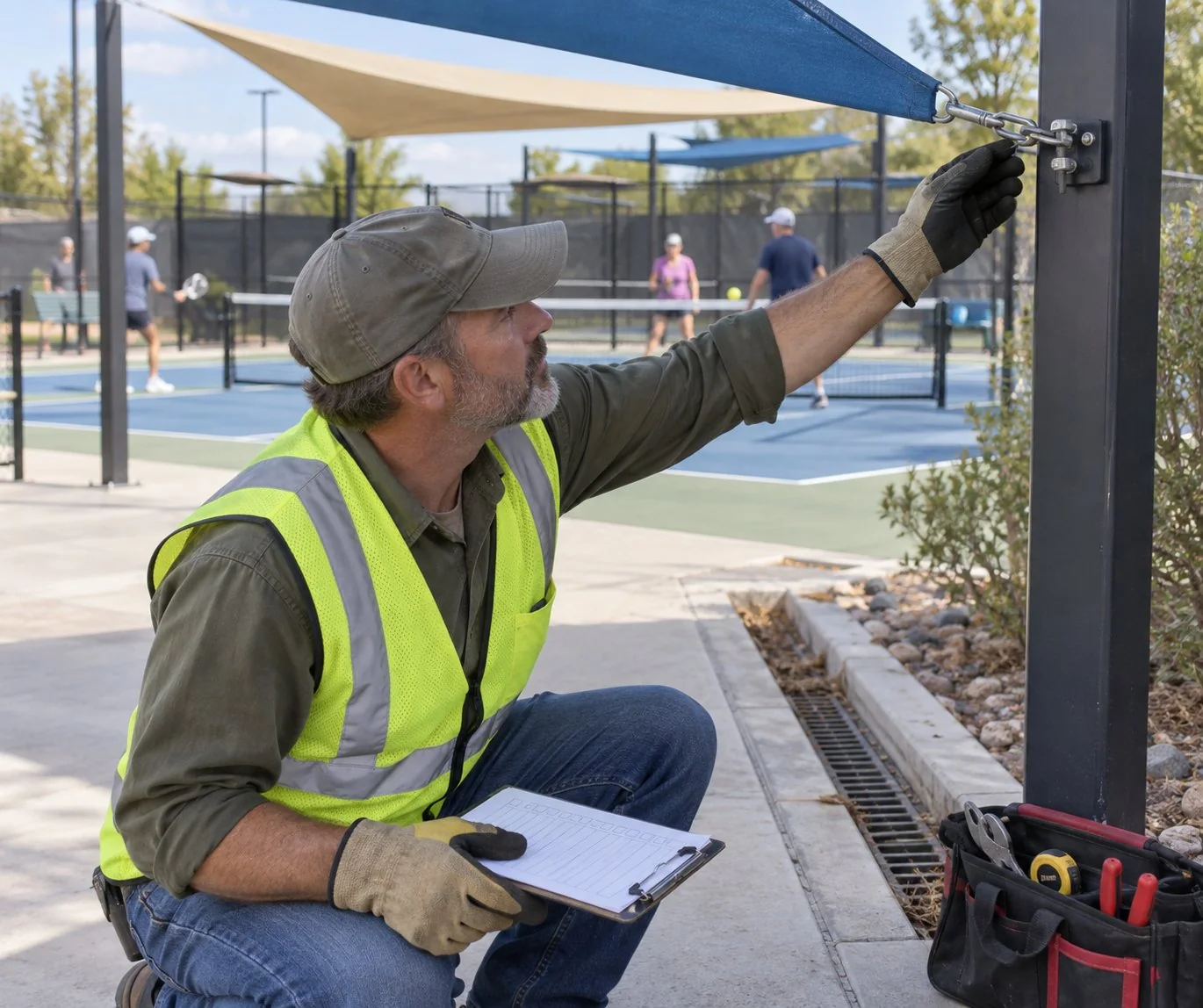
A temporary umbrella is easy to move but easy to tip. A shade sail or fixed canopy needs properly anchored posts, hardware that can be inspected, and enough clearance from fences, lights, and the net system. Do not treat a heavy fabric panel as a substitute for structural planning. The safest option depends on local wind exposure, the surface beneath each footing, and the facility’s approval requirements.
Keep water away from the court surface. A canopy should shed rain toward a planned drainage route, not onto the sideline or the entrance where players turn quickly. After installation, visit the site during or immediately after rain and look for puddles, runoff crossing the walking path, and fabric pockets that hold water. A dry, predictable edge is easier to maintain than a structure that solves sun exposure but creates a slipping hazard.
Leave access for maintenance and emergency movement. Gates should open fully, posts should not narrow the route, and the fire or service path should remain usable. Mark the location of anchors and inspect exposed fittings for sharp edges, corrosion, looseness, or frayed fabric. The goal is shade that quietly supports play, not another obstacle for volunteers to manage.
Test the court before committing to a permanent build
Use a short observation period before pouring footings or ordering a large canopy. On several busy days, record the shaded areas at morning, midday, and late afternoon. Ask players whether they can see the ball, whether the waiting area feels cooler, and whether the shade is large enough for the typical rotation. Compare the answers from both ends of the court instead of relying on one viewpoint.
A practical checklist is short: the ball remains easy to track; the kitchen and sidelines are not covered by distracting shadows; benches stay outside the movement path; water is reachable without crossing an active court; rain drains away from the playing surface; and every anchor, post, gate, and fabric edge can be inspected. Recheck the list after strong wind and after any change to lights or fencing.
The best community shade plan is modest, visible, and maintainable. Give players a cool place to pause, preserve open sightlines, and make the surrounding paths as safe as the court itself. Those choices improve the experience for casual open play without turning the venue into a construction project that volunteers cannot keep up with.