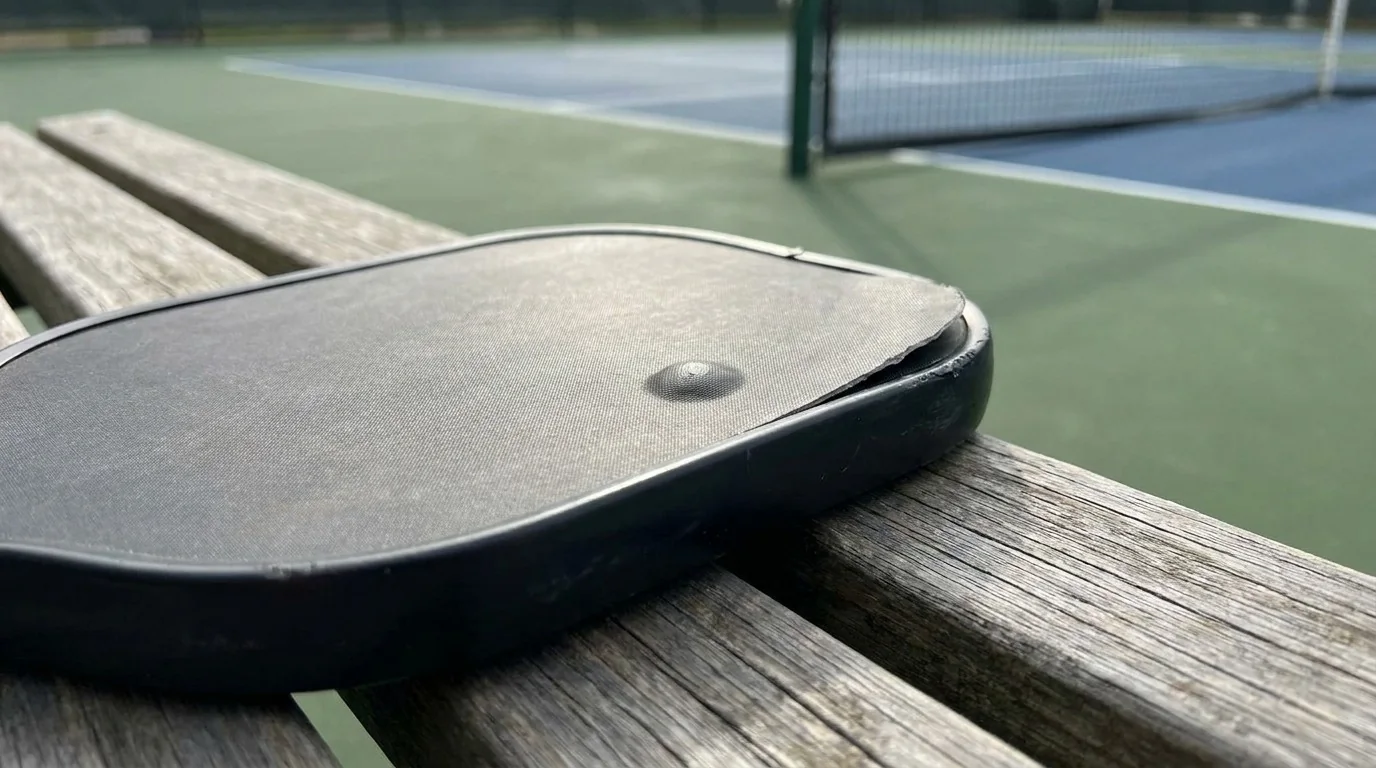
Pickleball Court Host Checklist: Welcome New Players Into Open Play
Build fairer pickleball open play by matching broad ability bands, explaining the rotation before serving, and adjusting groups without embarrassing anyone.
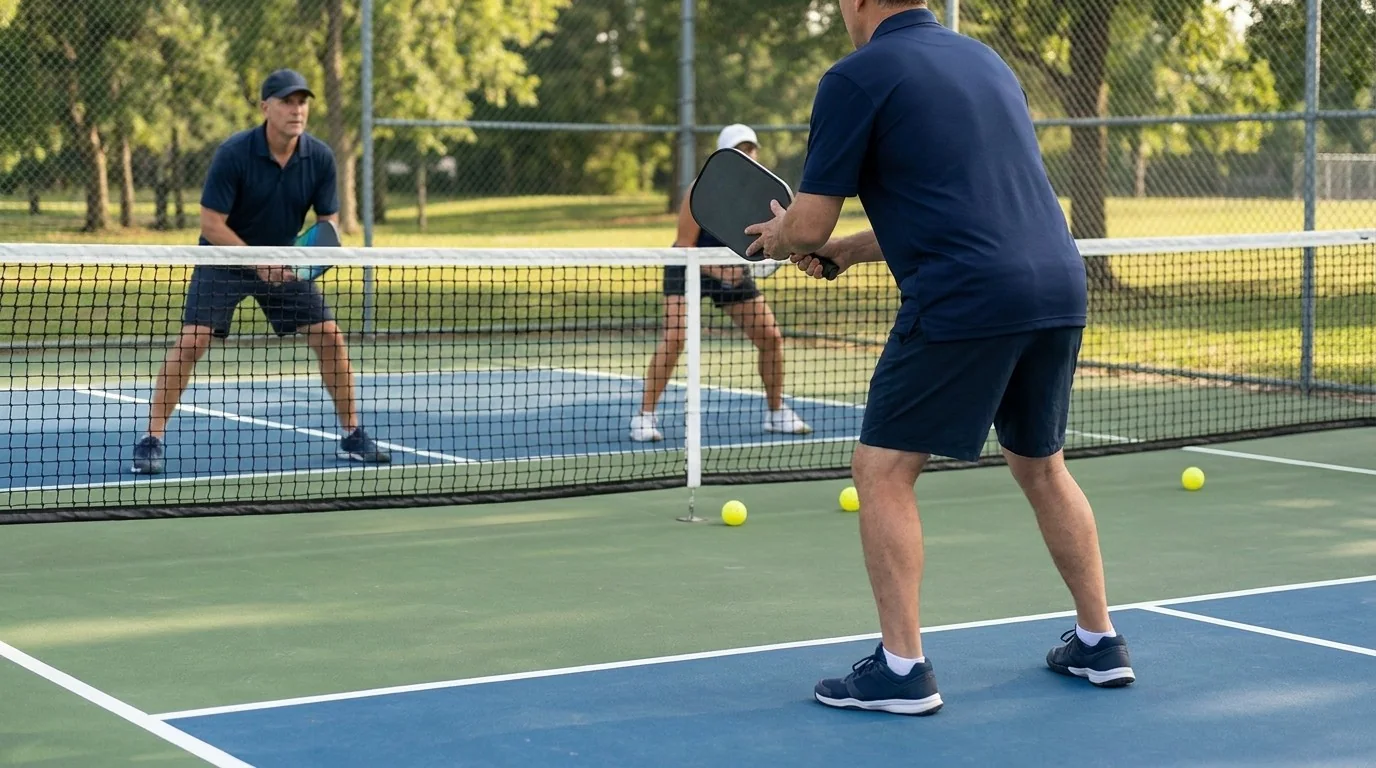
Fair open play is easier to run when the host settles the basics before the first serve. Match players by roughly compatible ability, explain how the rotation works, and tell each group what happens after the game. That is not about creating rigid social tiers. It is about avoiding games so uneven that one side stops enjoying them, while giving newer players a clear way into the session.
Match playing habits, not labels alone
A rating can be useful, but it is only one clue. Ask what a player can do reliably during a game: serve in, return with enough depth to begin the point, keep score, sustain a short exchange, and move around the court safely. A newcomer may bring strong racket-sport skills. Someone who has played for years may still prefer an easy recreational pace. A brief conversation tells you more than age, equipment, or confidence.
Use broad groups such as learning, recreational, and advanced instead of building a complicated ranking system. If attendance is small, make a cooperative mixed game and say so plainly. Clear expectations help a beginner avoid feeling judged and keep a stronger player from assuming every rally will be a hard contest.
Set the agreement before the first point
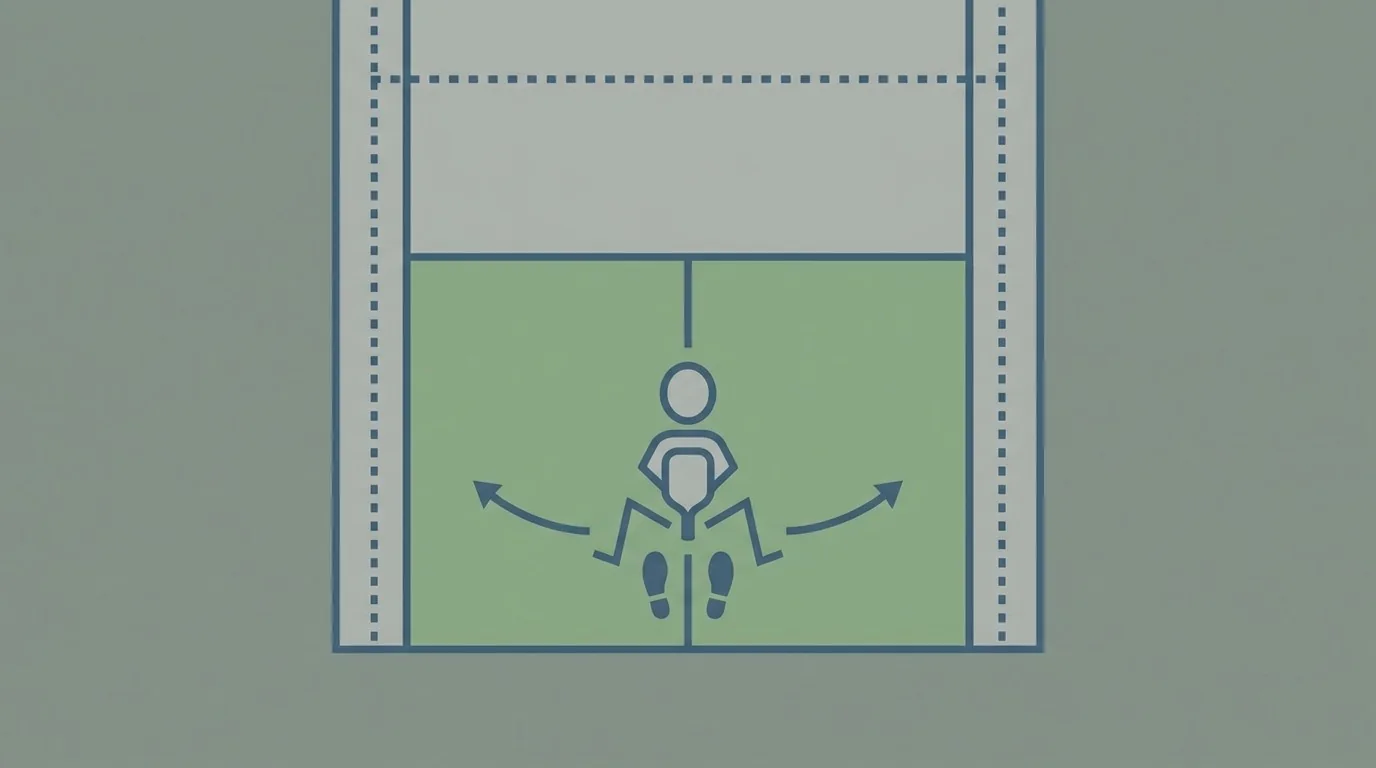
Before play starts, state the format, target score, and rotation. Tell players whether they stay on one court, rotate after each game, or step off after a win. If the venue uses a paddle queue, explain where a new paddle goes and when it becomes active. If a host keeps the list, identify who is next. Players should not have to work out the local custom during a close game.
Keep the announcement brief. For example: “We are making balanced fours, playing one game to the agreed score, then the next four enter. If you are unsure about the pace, ask before we start.” It covers the important points without turning open play into a meeting.
Adjust without embarrassing anyone
The first grouping will not always fit. A game may be badly uneven, or someone may need a slower introduction. Fix the next grouping instead of publicly rating the people on court. Offer learning, faster, or mixed games as choices, and let players move between them without making the choice sound like a judgment.
Partner selection can help balance a group too. Pair a developing player with someone patient who communicates clearly, then build the other side around a similar overall level. Putting every newer player together is not always the kindest option: it can make the game unnecessarily difficult and remove a useful example of court positioning and score calls.
Keep the system clear as attendance grows
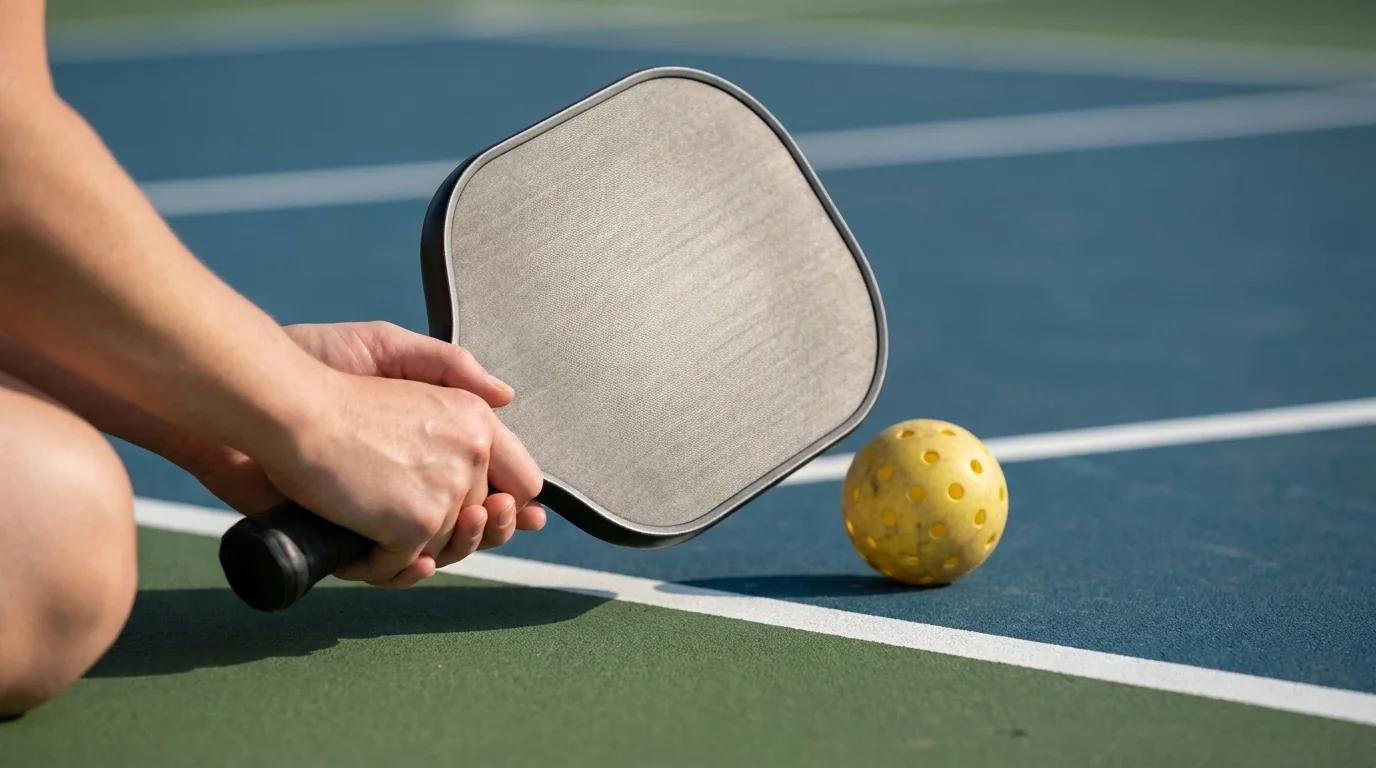
Busy sessions need a rule that applies to everyone. Use an approved visible way to record the order when the venue provides one. Announce the next group as a game nears its end, and give players time to collect balls and clear the active court. Never send a new group in while a rally is still underway.
After a few games, check whether waiting players understand the order, games are reasonably balanced, and newcomers can join without interrupting play. Shorter games during a rush, a dedicated learning court, or a host who checks the next group may solve a problem without adding unnecessary bureaucracy.
A good pickleball court host routine is predictable, kind, and easy to explain. Use ability as a guide rather than a label, agree on the rotation before serving, adjust privately when needed, and leave a clear path for players who are still learning.