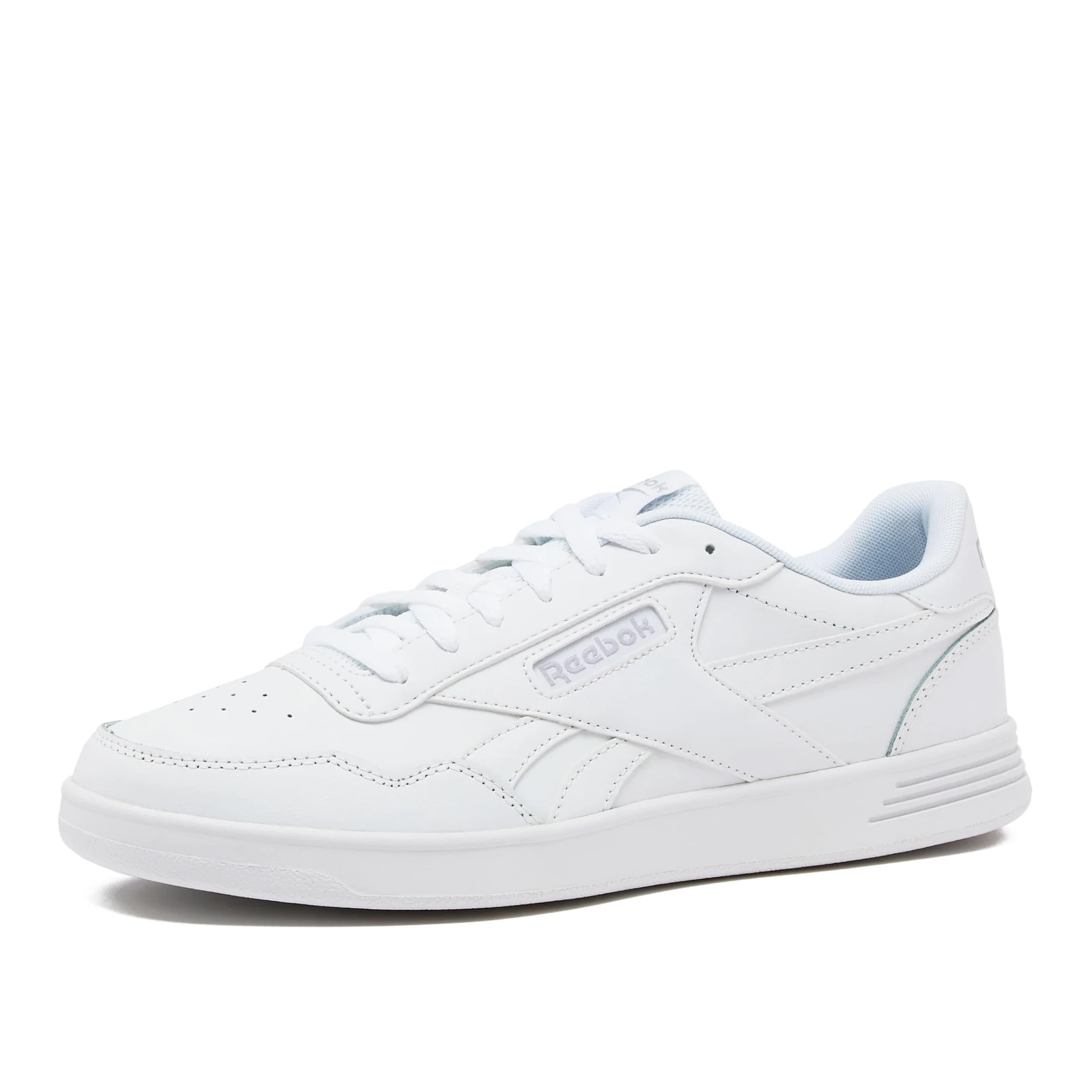
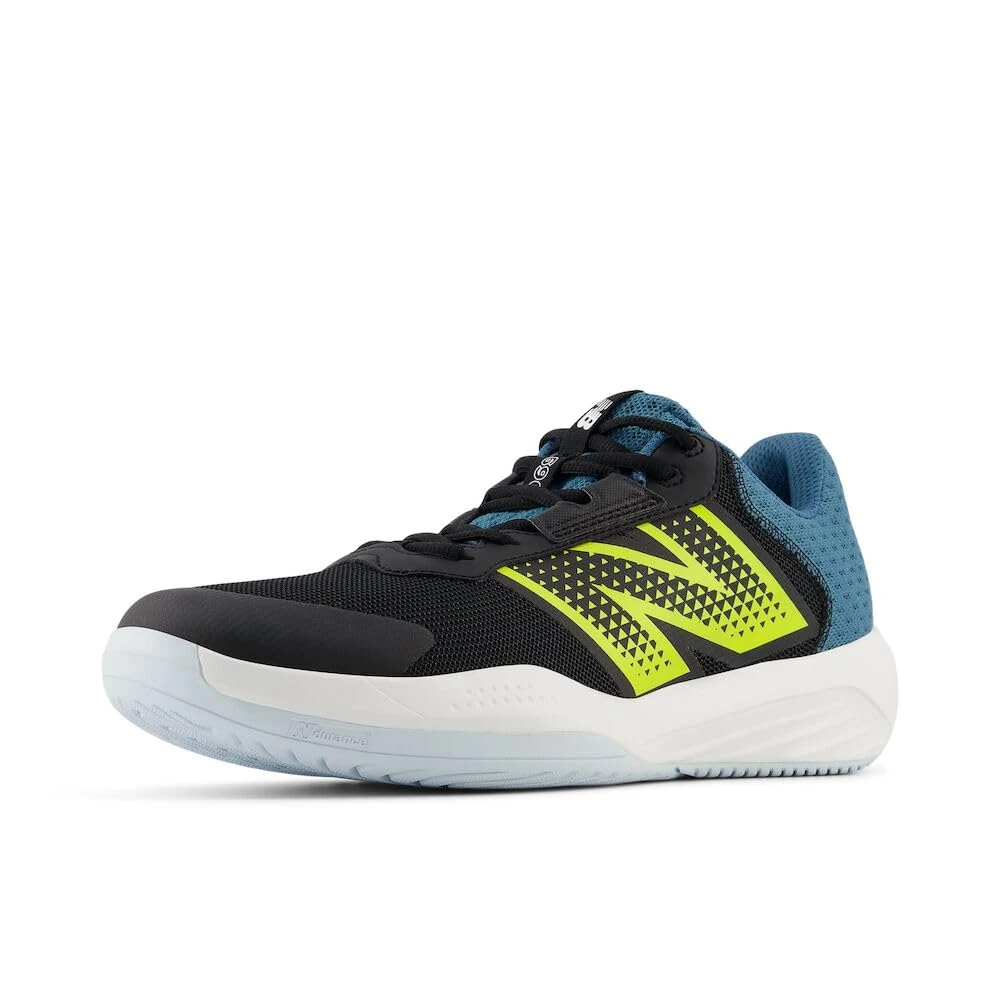
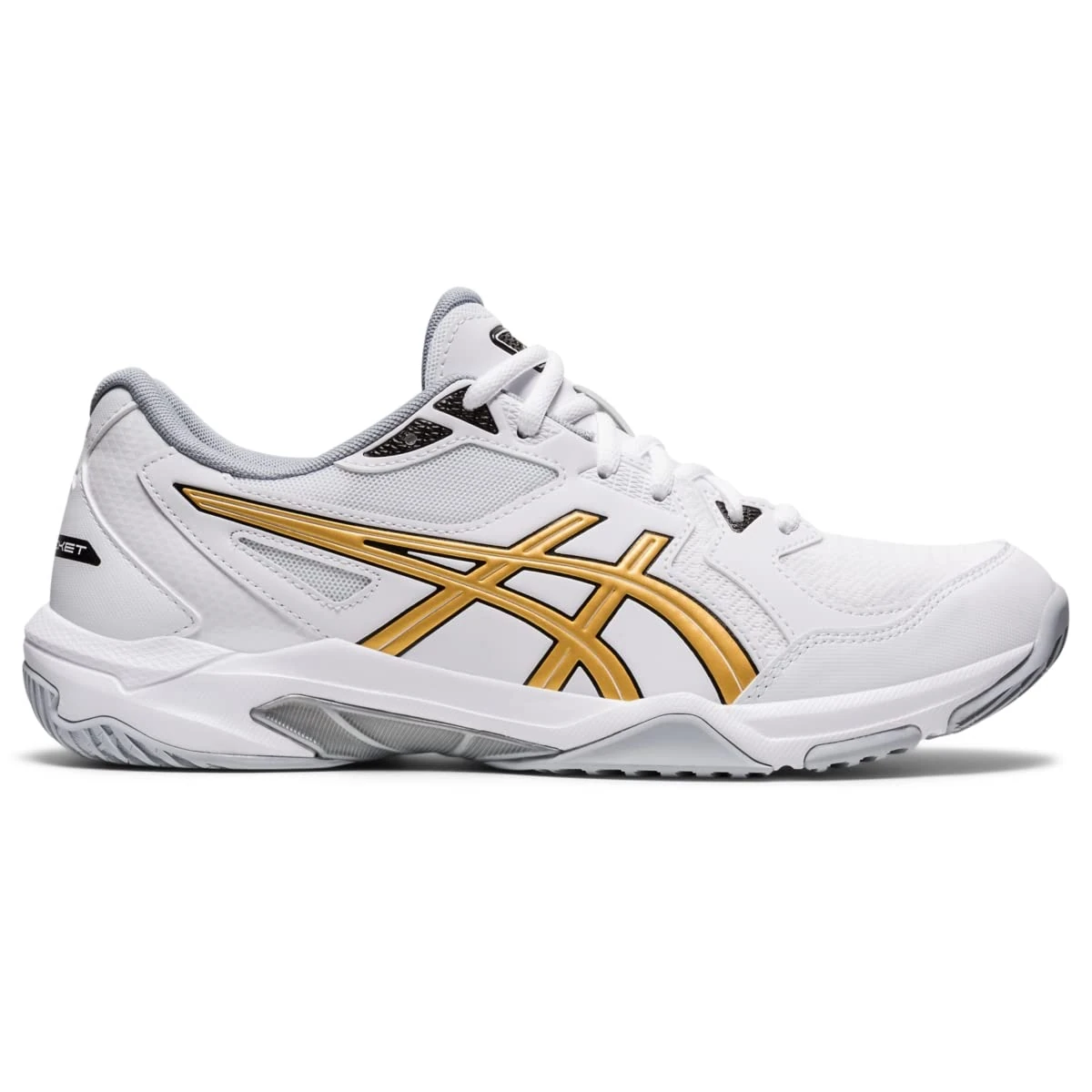
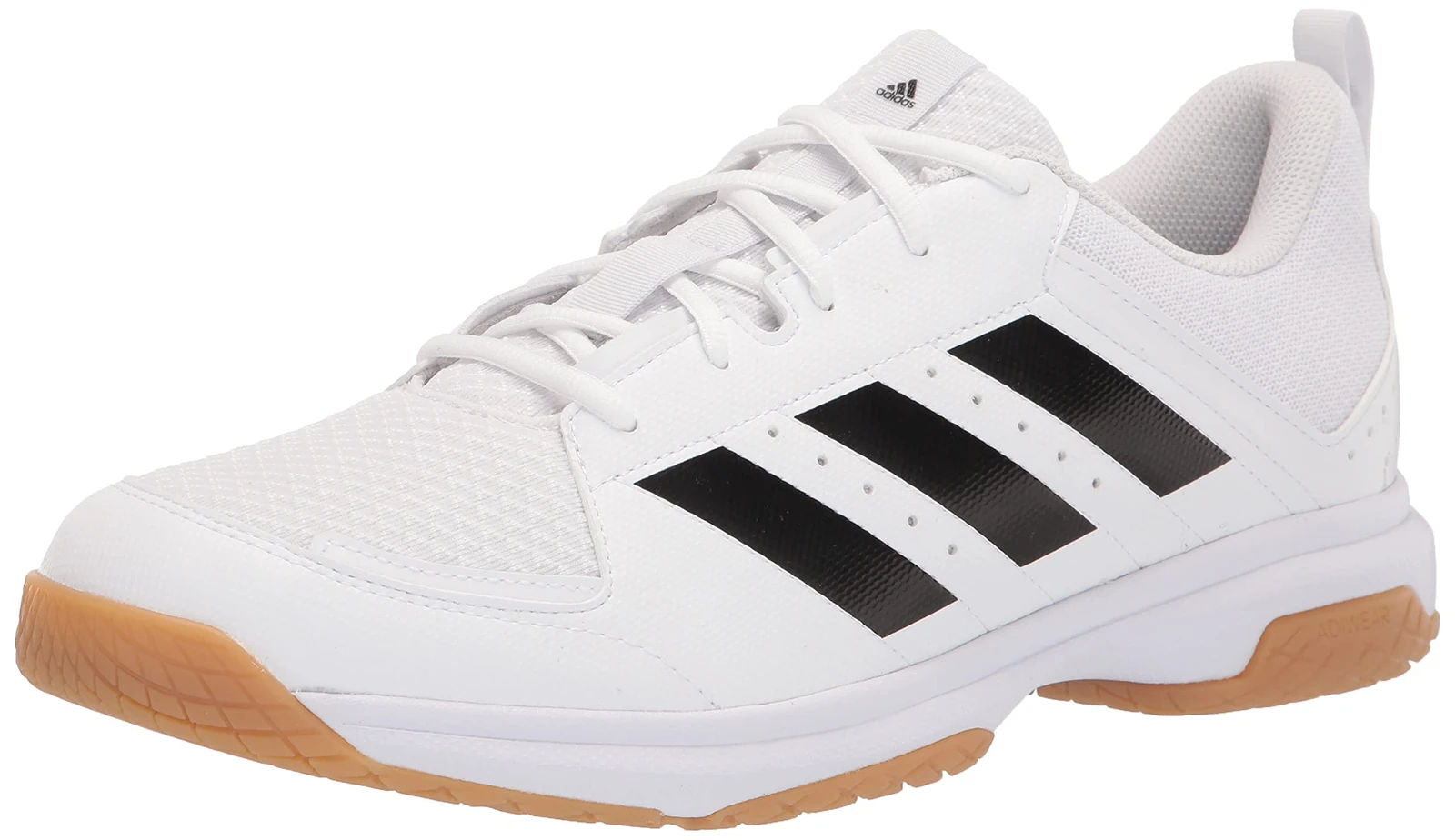
Pickleball Court Shoe Check: Test Stability Before Your First Session
Choose a dependable pickleball court shoe fit by checking heel security, toe room, lateral support, outsole behavior, and movement comfort.
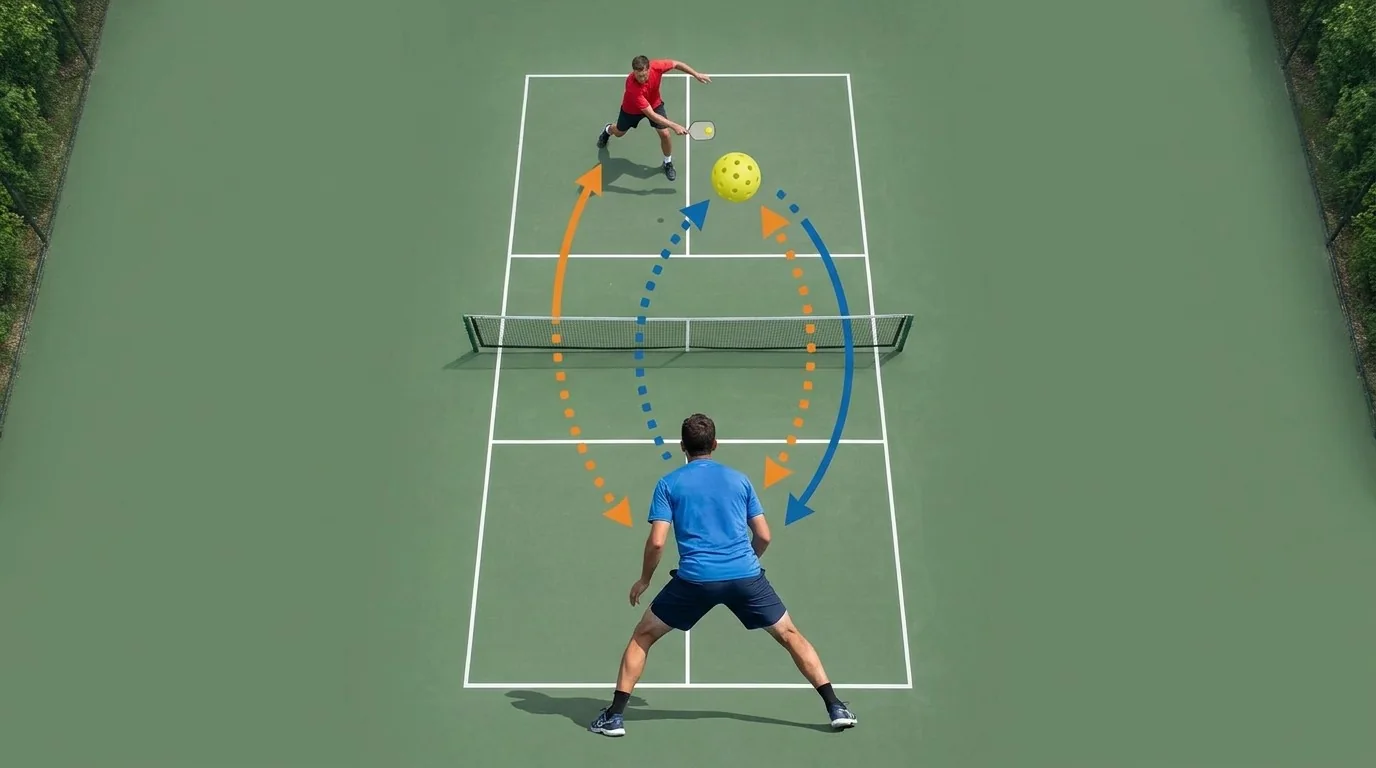
Court shoes affect how confidently you stop, slide, and recover on a pickleball court. The right pair holds the heel, gives the toes usable room, and supports lateral movement without making the foot feel trapped. Before taking a new pair into a long session, test the fit while you move rather than judging it from a chair.
Start with the fit you will actually play in
Try the shoes with the socks you normally wear for pickleball. If possible, test them later in the day, when your feet may be slightly larger. Your toes should not press against the front when you stop, and they should not slide forward during a braking step. Leave comfortable space at the longest toe while keeping the midfoot secure, not squeezed.
Walk, shuffle, and take a small step to each side. The heel should remain seated. If it lifts repeatedly, a normal lace adjustment may help. If the movement continues, the shoe shape may not suit your foot. A stable heel limits rubbing and makes changes of direction easier to predict.
Check support during side-to-side movement
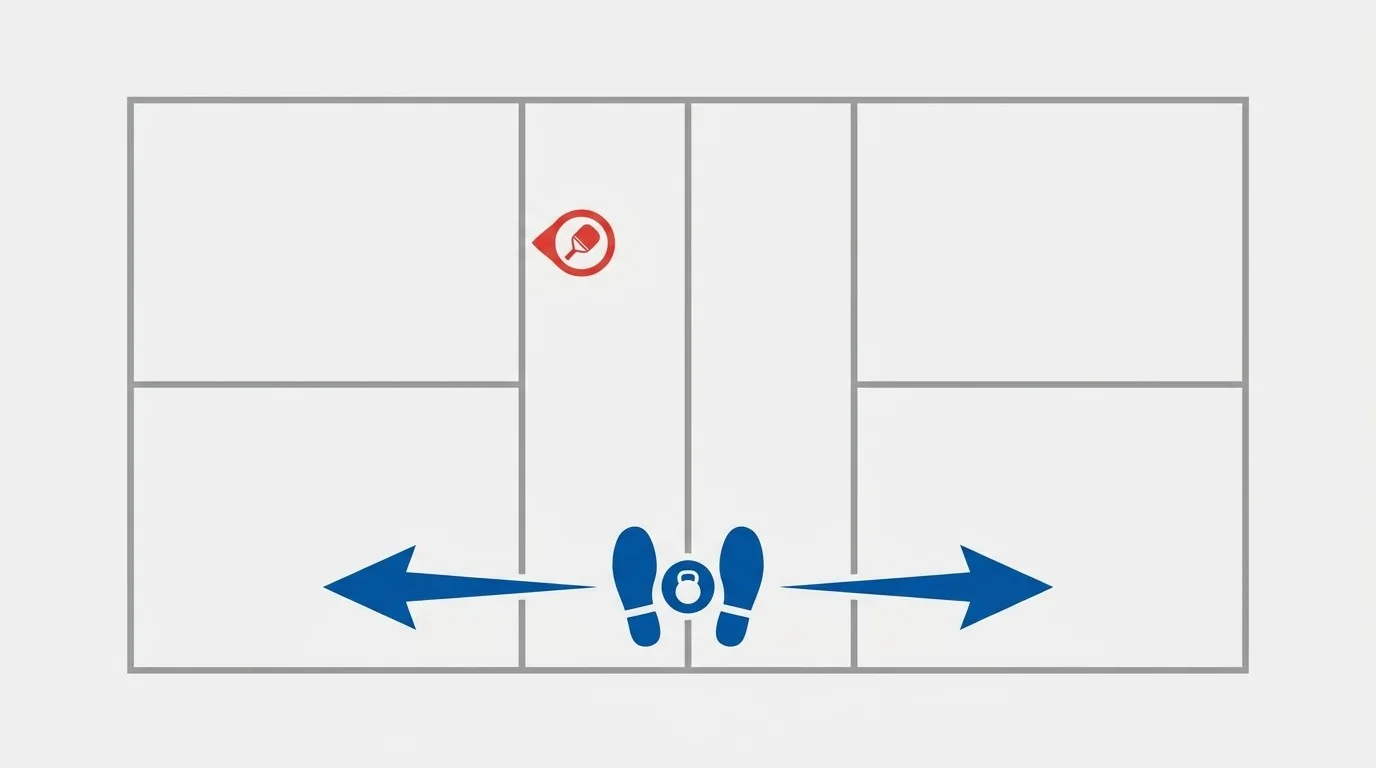
Pickleball asks for frequent lateral steps, short stops, and quick recovery movements. Stand in the shoes and make controlled side steps in both directions. The shoe should flex where your foot naturally flexes, while the base remains stable enough that you do not roll over the outside edge.
Support is not the same as stiffness everywhere. A completely rigid shoe can restrict natural movement, while a shoe that twists too easily may feel unstable. Look for a steady platform, an upper that holds the foot, and an outsole made for the surface where you play.
Find pressure points before they become a problem
Walk, stop, and make a small split step. Notice whether the toes strike the front, the little-toe side feels compressed, or a seam presses against the arch. Repeated lunges and recovery steps can make a minor pressure point much more obvious.
Fasten the shoe normally. Do not hide a poor fit with an unusually tight lace pattern. Your foot should stay centered without numbness. If one foot is larger, fit that foot first and use small lace adjustments to refine the other side.
Match the outsole to your court
Indoor and outdoor courts can require different outsole behavior. Choose a sole intended for the surface where you play and check that it makes clean, predictable contact. A dirty outdoor outsole can reduce traction or leave marks on another surface, so clean it before switching courts.
Inspect the tread and sidewall after several sessions. Flattened tread, separation, or a softened midsole can change how the shoe brakes even when the upper still looks fine. Replace the pair when wear changes stability, not only when the fabric develops a hole.
Fit mistakes that are easy to miss
- Buying by size alone: Length does not guarantee the right width or heel shape.
- Testing only while standing: Movement reveals sliding and pressure that a static check misses.
- Ignoring both feet: Fit the larger foot and check whether the two shoes feel different.
- Over-tightening the laces: Extra pressure cannot compensate for the wrong shape.
- Using running shoes by default: Their cushioning and side support may not suit court movement.
- Waiting for pain: Blisters and numbness are warnings, not a requirement for breaking shoes in.
Use a short pre-play movement check
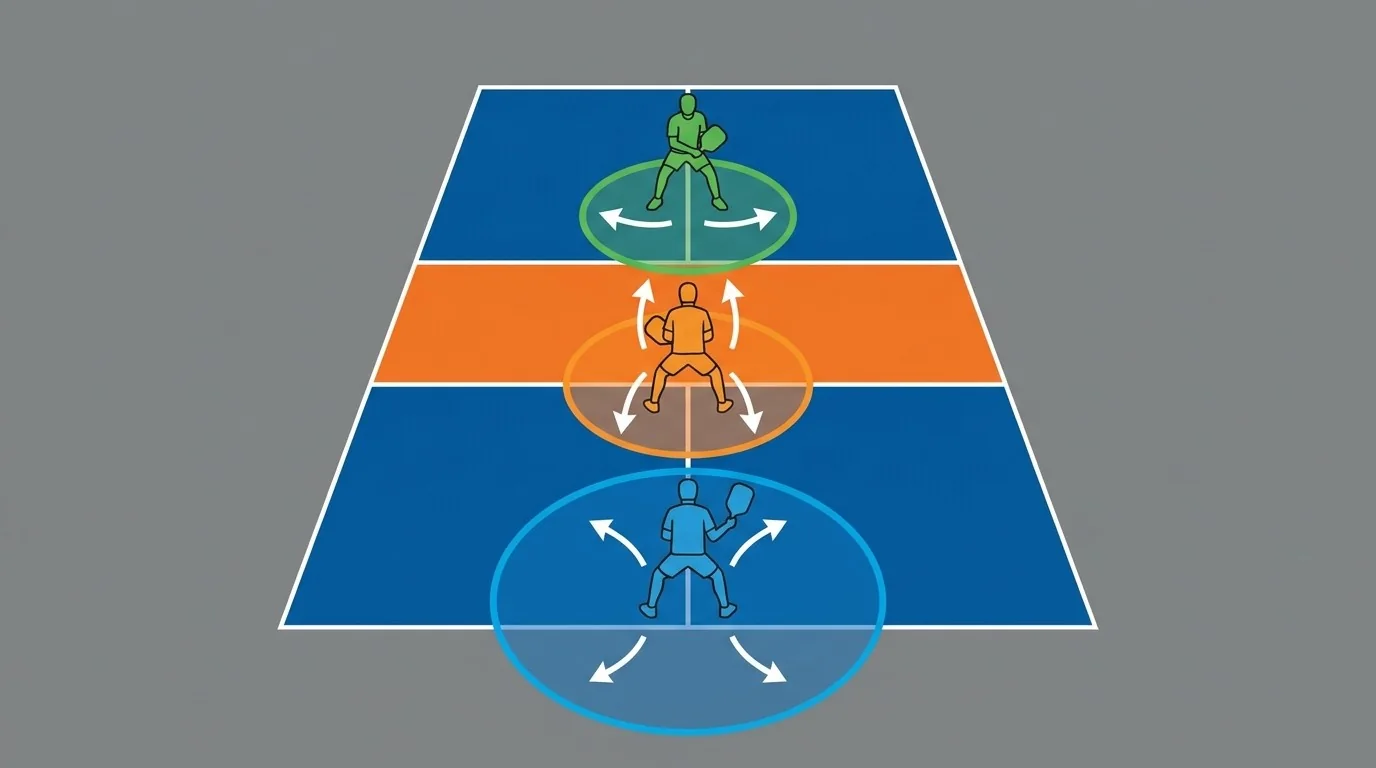
Before a longer session, walk for one minute, shuffle in both directions, make several controlled stops, and perform a few gentle lunges. Confirm that the heel stays down, the toes remain comfortable, and the sole grips without slipping. After about ten minutes of play, check the fit again. Heat and repeated movement can reveal pressure that was not obvious at first.
Keep the shoes clean and let them dry naturally after play. Store them where air can circulate, and avoid using a worn pair for demanding lateral sessions. A good fit cannot prevent every injury, but it can remove avoidable movement and comfort problems.
A dependable pickleball court shoe should feel secure without feeling tight: stable at the heel, comfortable at the toes, supportive during side steps, and suited to the court surface. Test all four qualities through movement before committing to a full session.