Pickleball Kitchen Line Rules: When a Volley Becomes a Fault
Understand when a pickleball volley near the kitchen line becomes a fault, how momentum matters, and how to make calmer calls.
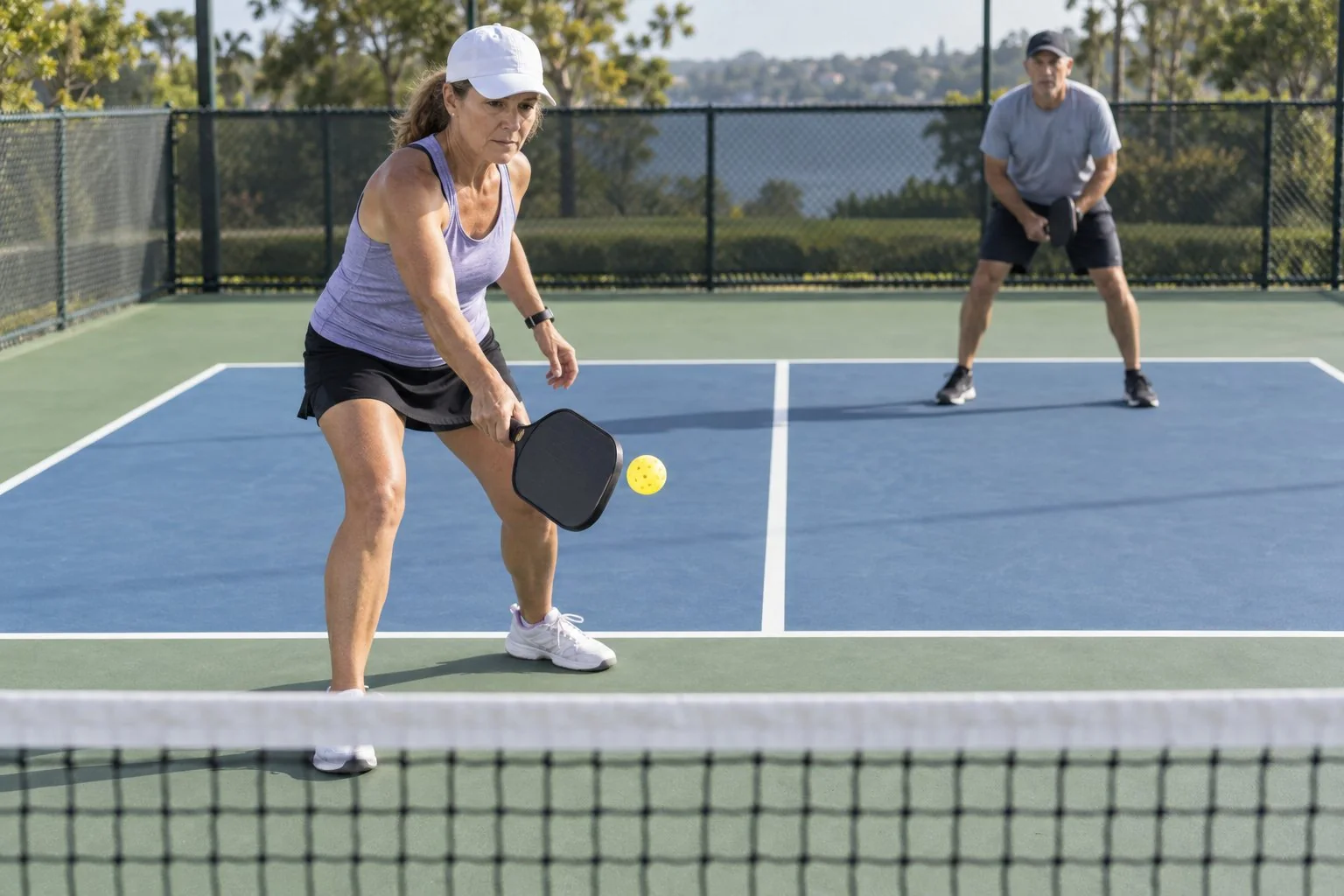
The kitchen line looks simple, but it creates some of the most common disagreements in pickleball. The key is not whether a player is standing near the non-volley zone. The key is whether the player volleys the ball while touching the zone, its line, or something connected to that area. Once you separate position from timing, the call becomes much easier to understand.
What the non-volley zone includes
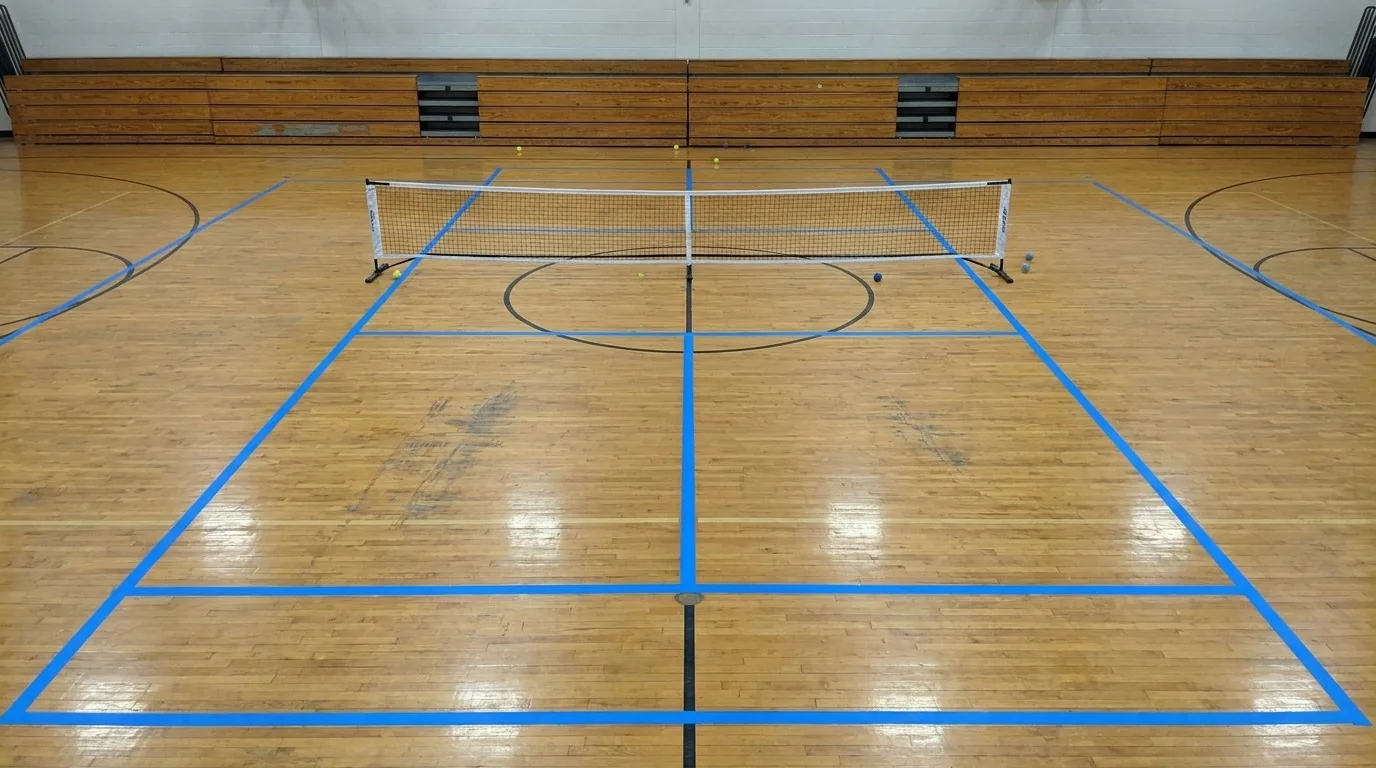
The non-volley zone extends seven feet from the net on both sides. Its boundary line is part of the zone, so a shoe touching the kitchen line counts the same as a shoe touching the painted area. The area behind the line is the legal volleying position, provided the player is not carrying momentum from an earlier contact.
That last detail matters. A player may hit a ball after it bounces while standing in the kitchen. A player may also enter the zone after the ball has bounced and continue the rally. The restriction concerns a volley: contacting the ball before it bounces. The kitchen is not a permanently forbidden area; it is a no-volley area.
Players sometimes watch only the paddle and ball. Watch the feet, too. A toe, heel, shoe edge, or clothing item touching the line can change a legal-looking volley into a fault. The same is true for a partner who is connected to the player or whose movement is caused by the volleying action.
When a volley becomes a fault
A fault occurs when a player volleys while touching any part of the non-volley zone, including its line. It is also a fault if the player’s momentum carries them into the zone after the volley. In other words, landing in the kitchen one moment later does not automatically make the volley legal. The movement must be connected to the action.
This is why a controlled stop is more reliable than a dramatic reach. If you are close to the line, establish balance before contacting a ball in the air. Do not rely on a quick recovery step after the paddle has already made contact. Your partner should also avoid bumping you or causing you to touch the zone during the same action.
The rule does not prohibit every ball hit near the kitchen. If the ball bounces first, the player can legally hit it from inside the zone. After that shot, the player should recover with balance and prepare for the next ball. The important distinction is bounce versus volley, not “inside” versus “outside” by itself.
A simple way to make better calls
Use three questions when a disputed shot happens:
- Did the ball bounce before contact?
- Was any part of the player, clothing, paddle, or connected equipment touching the kitchen or line at contact?
- If the ball was volleyed outside the zone, did momentum carry the player or a partner into it afterward?
In casual play, answer the questions calmly and replay the situation if nobody had a clear view. In organized play, follow the event’s officiating procedure rather than turning a close call into an argument. The goal is a consistent decision, not winning a debate over a shoe that was hidden by the net post.
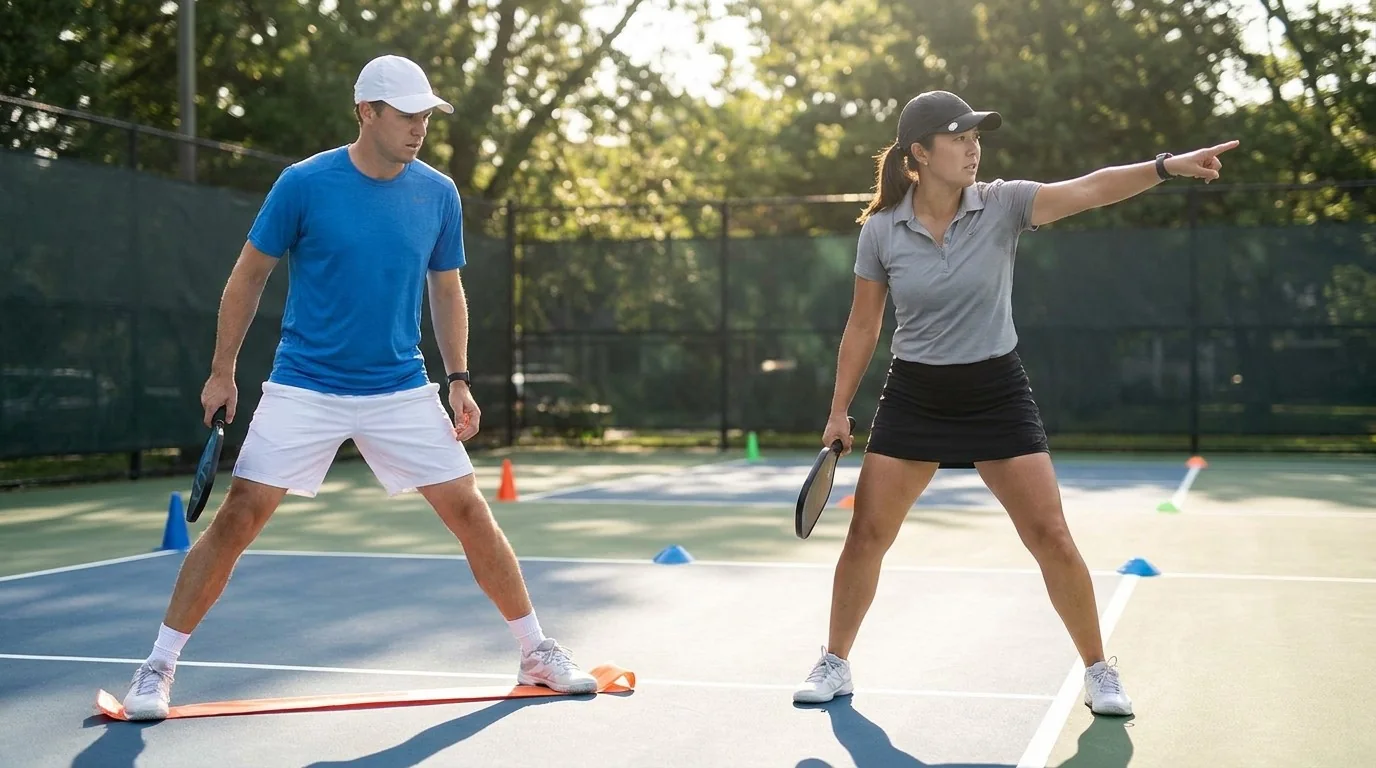
Practice helps. Place a strip of removable marker well behind the kitchen line and rehearse volley blocks without crossing it. Then practise a legal bounce-and-hit from inside the zone. Ask a partner to watch the feet and call “bounce” or “air” before describing the result. This builds awareness of timing and balance together.
A dependable kitchen habit is simple: know where the line is, stop before the volley, and let the ball bounce whenever you need to enter the zone. Clear foot awareness protects the rally and makes close kitchen-line decisions much less stressful.