Pickleball Net Post Winner Rule: How Spin Can Change a Rally
Learn when a pickleball that bounces first and then reaches the net post wins the rally, and how to distinguish that sequence from a fault.
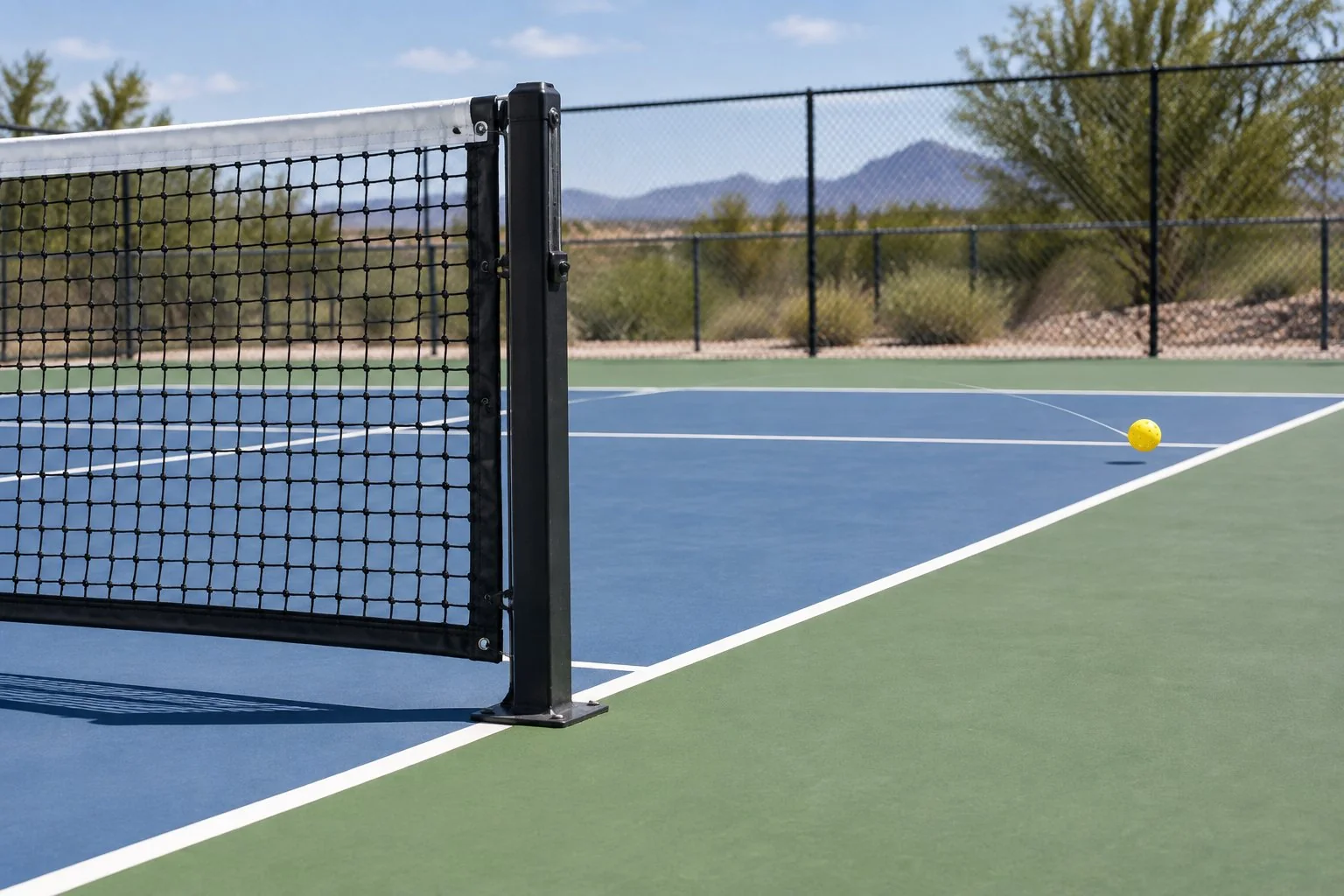
A pickleball that reaches the net post can look like a mistake, but the result depends on what happened first. Under the 2026 rules, a ball that crosses the net, bounces in the opponent’s court, and then touches a permanent object can produce a winner for the player who hit it. That is different from a ball that hits the post before landing, which is handled as a dead ball situation. The sequence matters more than the drama of the bounce.
The key sequence: bounce first, permanent object second
The practical test is easy to remember: did the ball bounce on the opponent’s playing surface before it touched the net post or another permanent object? If yes, the opponent has failed to return the ball before it reached that object. The rally goes to the team that made the shot.
Imagine a cross-court shot with heavy sidespin. It clears the net, lands inside the opponent’s court, and then curves outward into the net post. The post did not stop the ball before the bounce; it became involved only after the ball had already landed. In that situation, the original hitter has completed a winning shot. The opponent cannot claim that the post contact cancels the bounce.
This is unusual in ordinary recreational play because most balls lose their speed or are returned long before reaching the post. It becomes more visible on courts with wind, strong spin, unusual angles, or a shot that lands close to the sideline. Players should watch the order of events instead of calling “dead” as soon as they hear contact near the post.
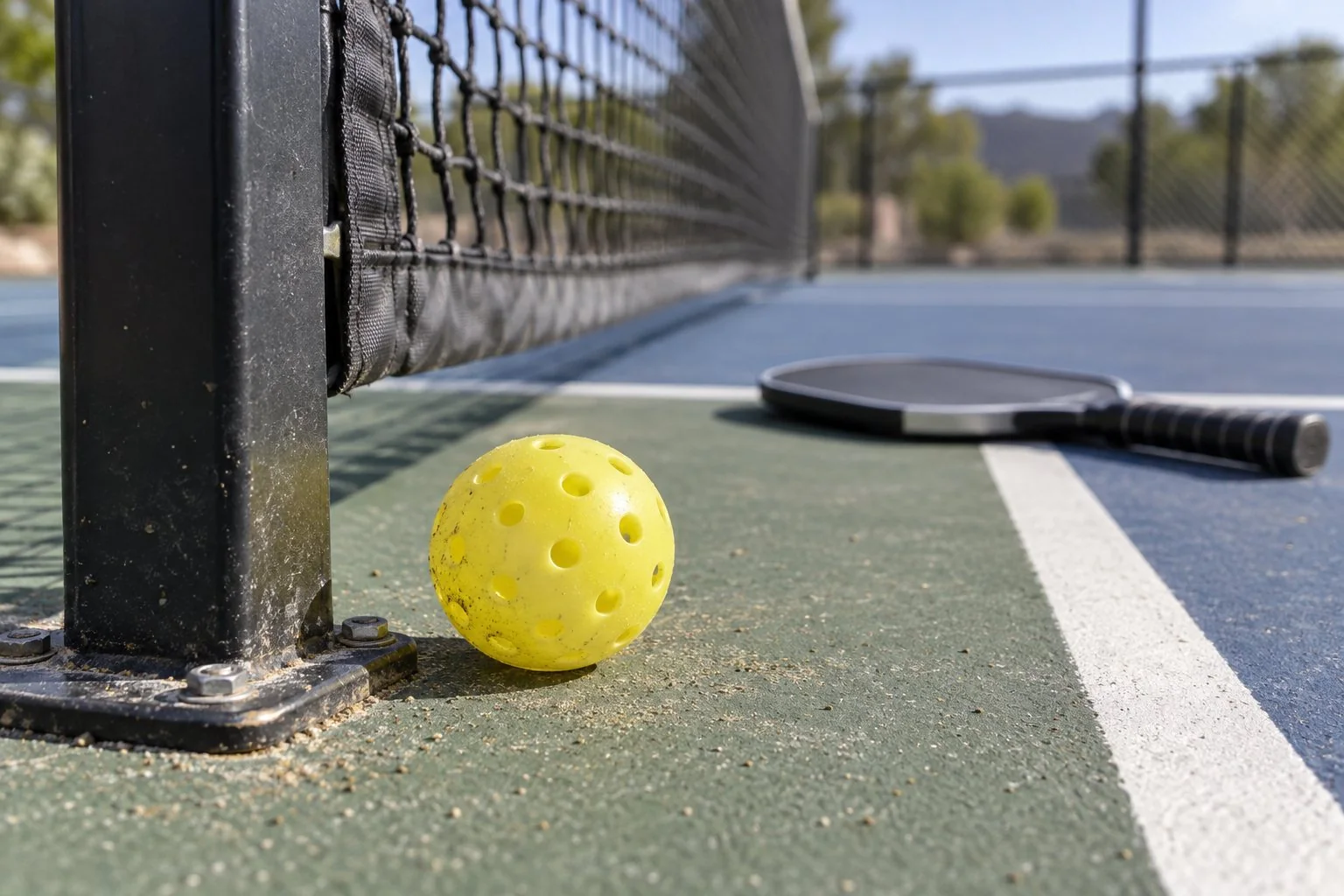
When the same-looking shot is a fault
The outcome changes when the ball touches a net post or other permanent object before it bounces in the opponent’s court. A ball that strikes the post in the air has not landed in the correct court first. It cannot be treated as a completed winning shot simply because it was heading toward the opponent’s side.
The same caution applies when a player fails to return a ball that has already bounced and then the ball reaches a permanent object. In that case, the fault is against the player who did not make the required return. The rule is designed to describe responsibility clearly: once the ball has bounced in your court, you must return it before it reaches the object.
Do not confuse the net post with the net itself. A ball can touch the net and continue when it remains in play, provided it crosses correctly and the rest of the rally is legal. The special issue here is a permanent object after the ball has landed, not every ball that brushes equipment around the net.
How players should make the call
Use a short three-step check when a close ball reaches the post:
- Identify whether the ball crossed the net.
- Confirm whether it bounced inside the opponent’s court.
- Decide whether the post or permanent object was touched after that bounce.
If the order is unclear in friendly play, replaying the point is often fairer than arguing from sound alone. The player nearest the bounce may have the best view, but both teams should describe what they actually saw. Avoid using spectators as unofficial referees when the format does not allow it.
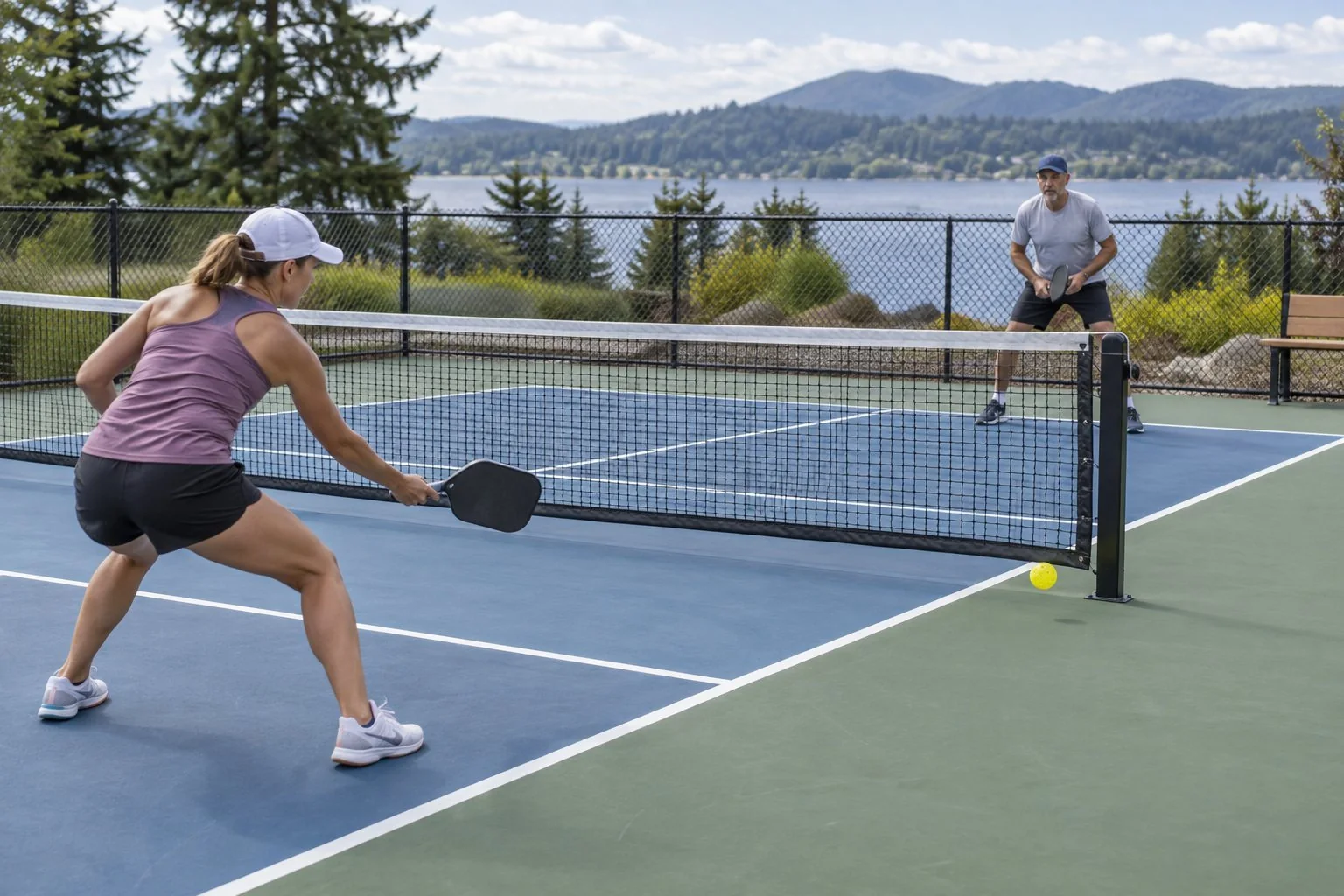
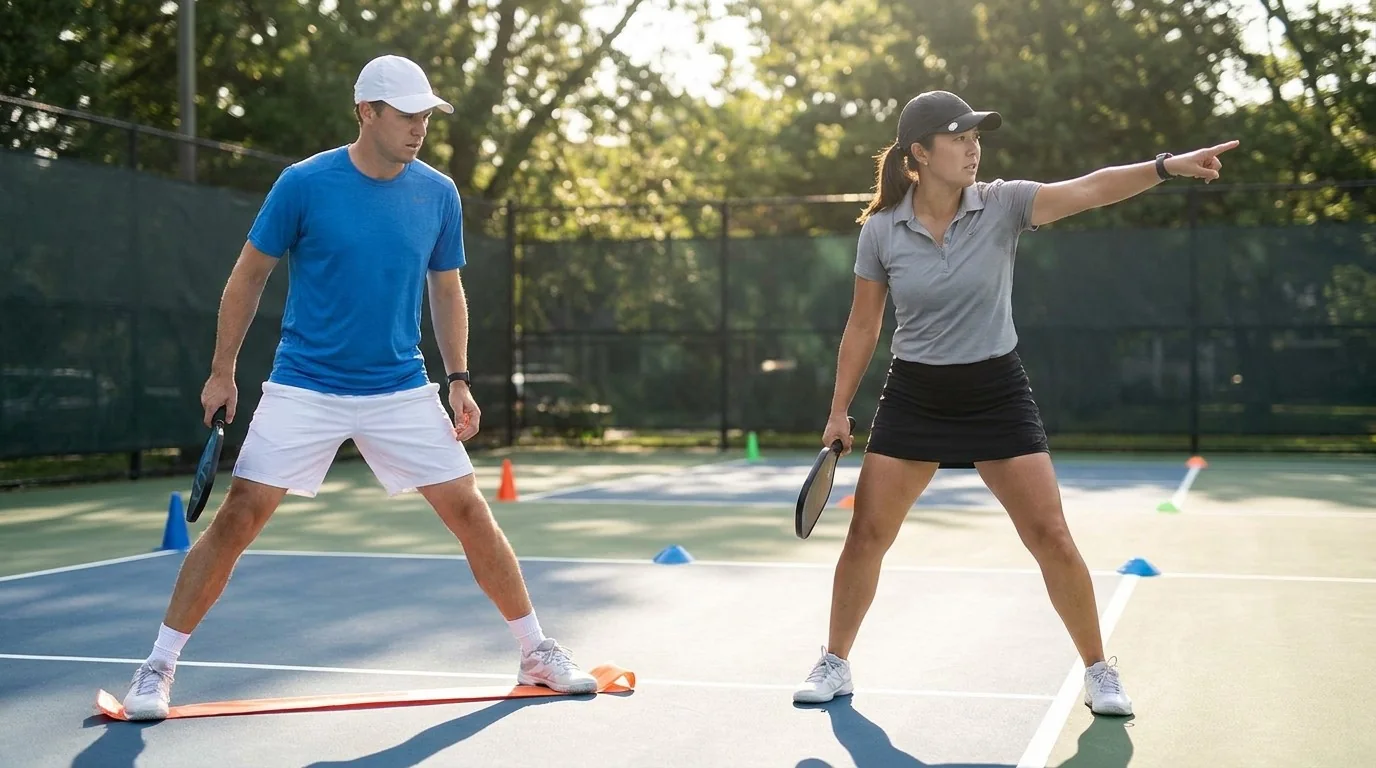
A useful practice drill is to place a target near, but not against, the sideline and practise controlled cross-court shots with moderate spin. The goal is not to hunt for a lucky post winner. Instead, players learn to recognise the ball’s path, keep their eyes on the bounce, and recover for the next shot when the ball stays playable. A partner can stand near the post and call whether the bounce came before the object contact.
Finally, remember the larger principle: a permanent-object rule is judged by sequence. Ball-to-court contact, then ball-to-object contact, can award the rally to the hitter. Object contact first does not create the same result. Knowing that difference helps players make a confident call without turning a rare bounce into a long interruption.