Pickleball Net Setup: Choose the Right Portable Net and Keep It Taut
A practical guide to choosing a portable pickleball net, checking official height, maintaining tension, and storing it safely.
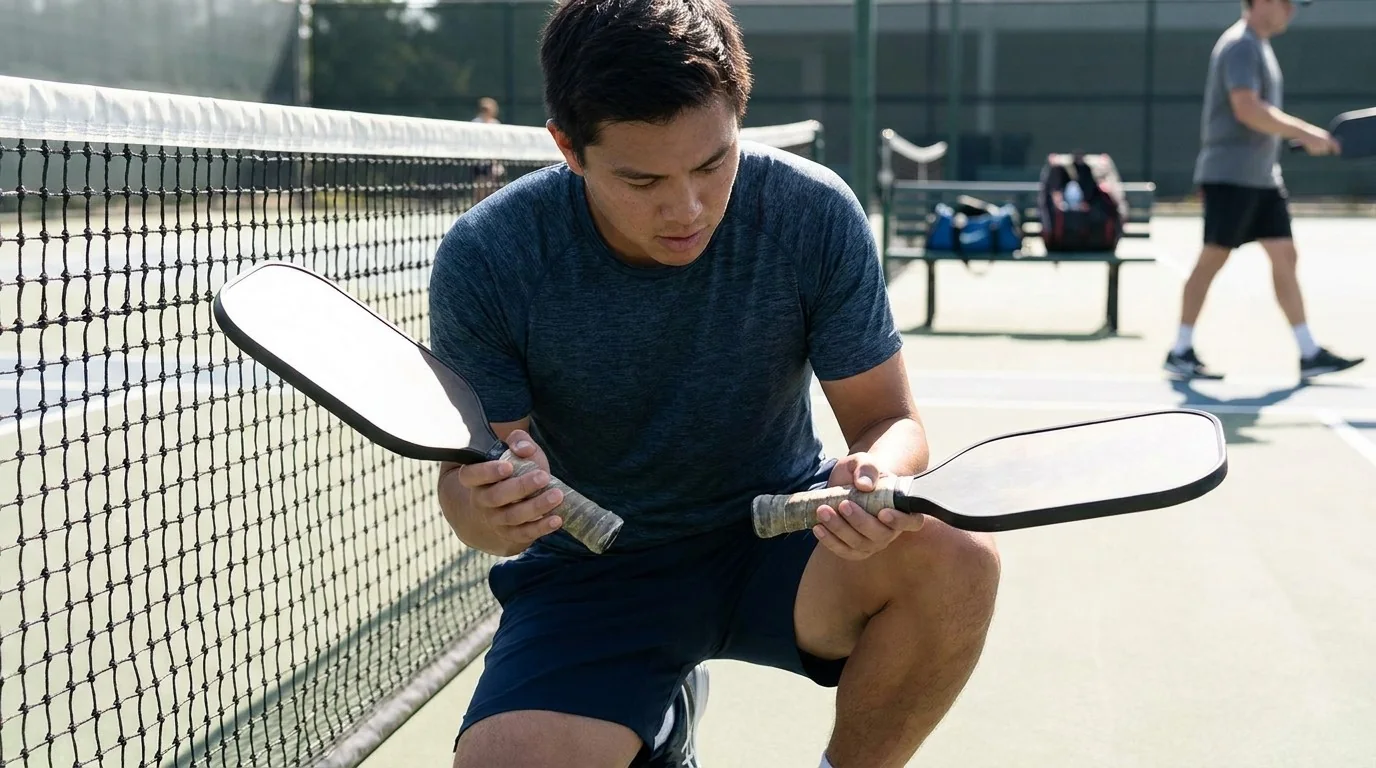
A portable pickleball net earns its place on a court when it is the right size, holds its height, and stays stable through a rally. Pickleball net setup is more than putting the frame together. You also need a quick check before play and a simple storage routine afterward.
Choose a net that fits the job
Start with a frame that assembles the same way every time. Look for a durable net sleeve, clear height adjustment, and feet that stay planted on the surface. A pickleball-specific portable net is the safer choice than adapting a tennis system unless the organizer has confirmed that the equipment is suitable.
The best net is not necessarily the one with the most parts. It is the one you can assemble without forcing connectors, identify at a glance, and check before players step onto the court.
A quick setup habit also helps a group avoid confusion. Lay out the posts, feet, straps, and net before connecting anything. Follow the frame’s intended order, then walk around the finished setup once. This catches a reversed section, a loose buckle, or a foot sitting unevenly before the first ball is served.
Check the height and alignment
Once the frame is up, make sure the net is centered and the top tape is level. The official playing height is 36 inches at the sidelines and 34 inches at the center. A center strap helps hold the middle at the lower height, but it does not replace a measurement or visual check.
Check both posts, the center of the net, and the court lines before the first rally. A frame can look square while the net is shifted or the tape is uneven.
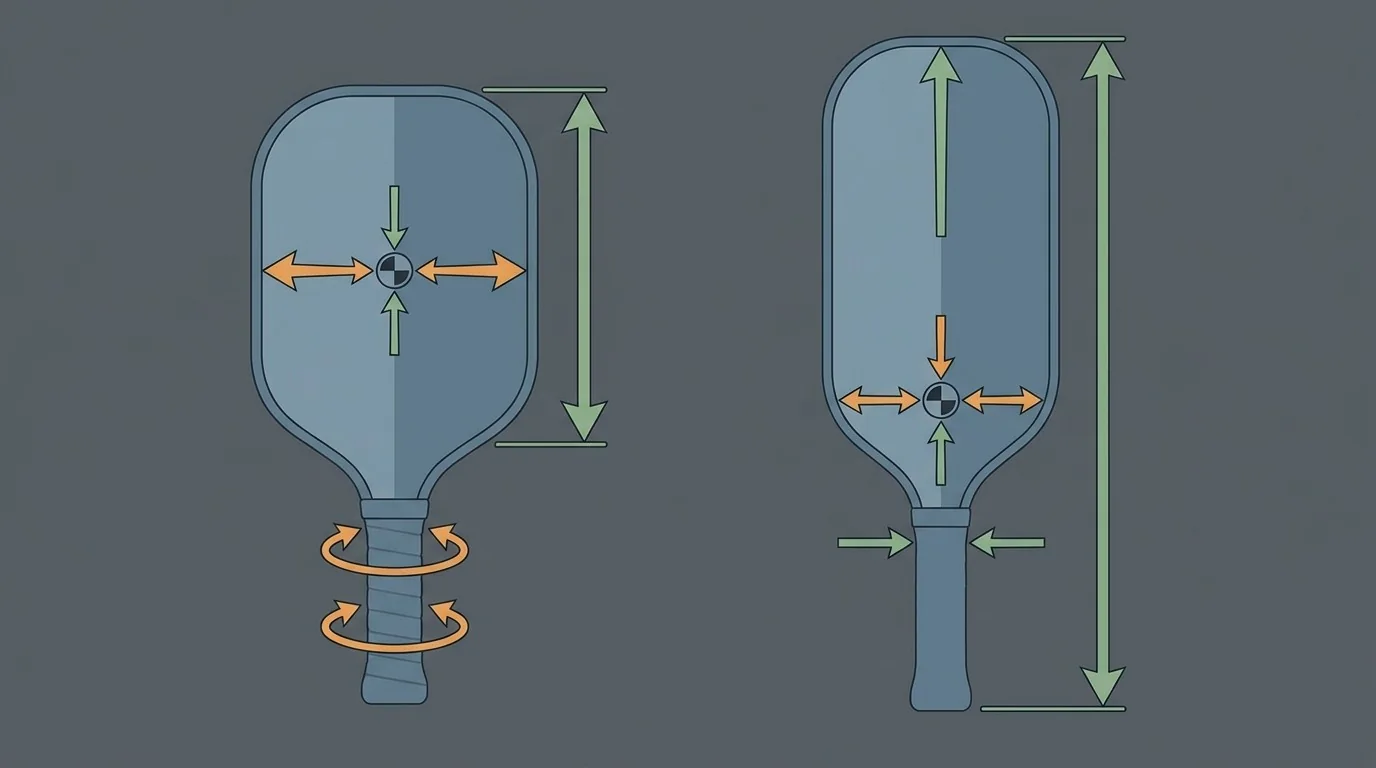
Set tension without stressing the frame
The mesh should be taut enough to keep its shape, not so tight that it bends the posts or strains the connectors. Too little tension leaves a sagging center. Too much can place unnecessary stress on the frame.
Use the manufacturer’s adjustment points. Do not pull hard on the mesh or improvise knots. During the check, inspect the sleeve, stitching, straps, buckles, post joints, and feet. Small damage is easier to deal with before a session than after the net fails during a game.
Dry and organize it after play
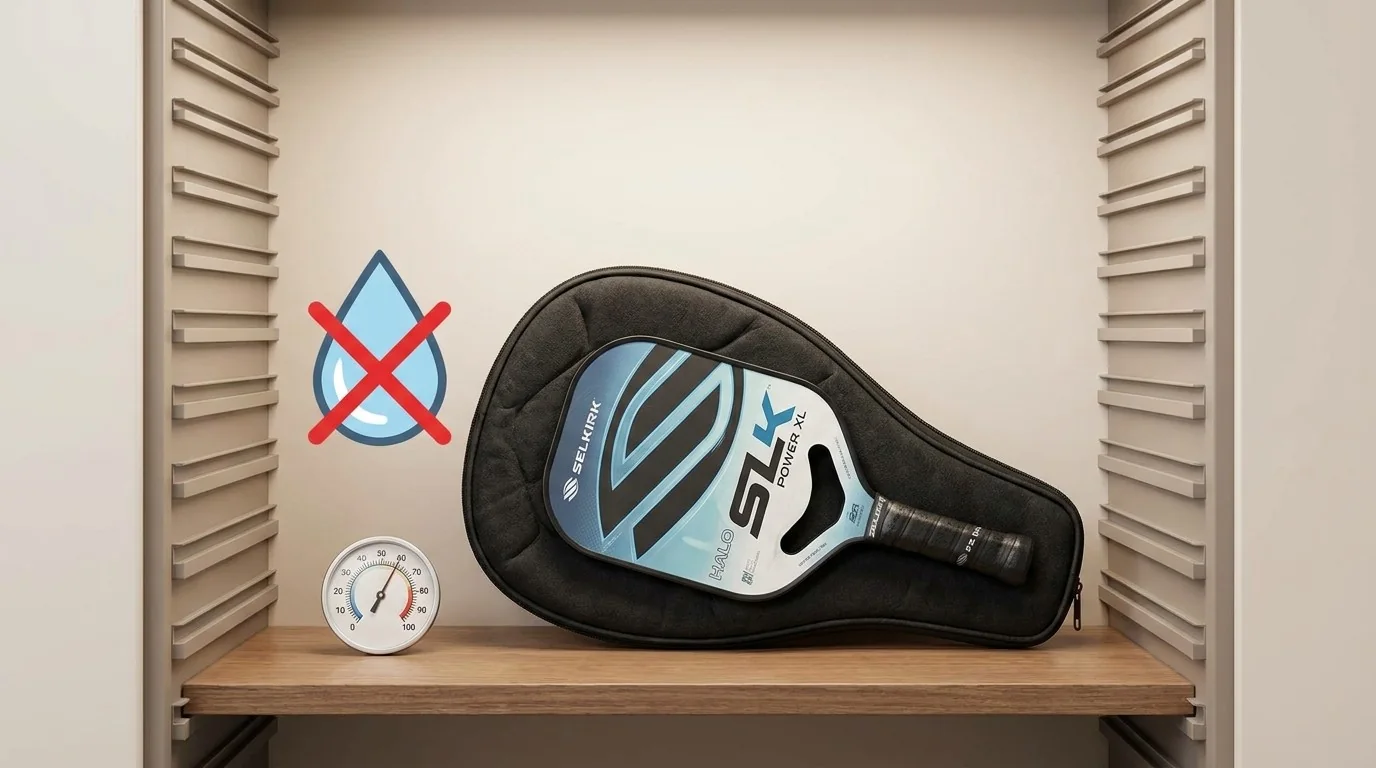
If the mesh or frame is wet, let the parts dry before packing them away. Store the net in its bag, keep heavy equipment from crushing the posts, and avoid prolonged heat or moisture. Keep the connectors together so the next setup is not rushed or incomplete.

Use a short pre-play checklist
- Is the frame fully seated and stable?
- Is the net centered over the court?
- Is the top tape level from post to post?
- Does the center sit at the correct height?
- Are the straps, sleeves, joints, and feet intact?
- Is the net dry enough to store safely after play?
If one answer is no, fix the setup before serving. A few seconds spent checking the net protects the court layout and keeps an avoidable equipment problem from interrupting the session.