Pickleball Paddle Core Thickness: Compare 13mm, 14mm, and 16mm Feel
Compare 13mm, 14mm, and 16mm pickleball paddle cores by feel, rebound, control, stability, and the shots you actually play.
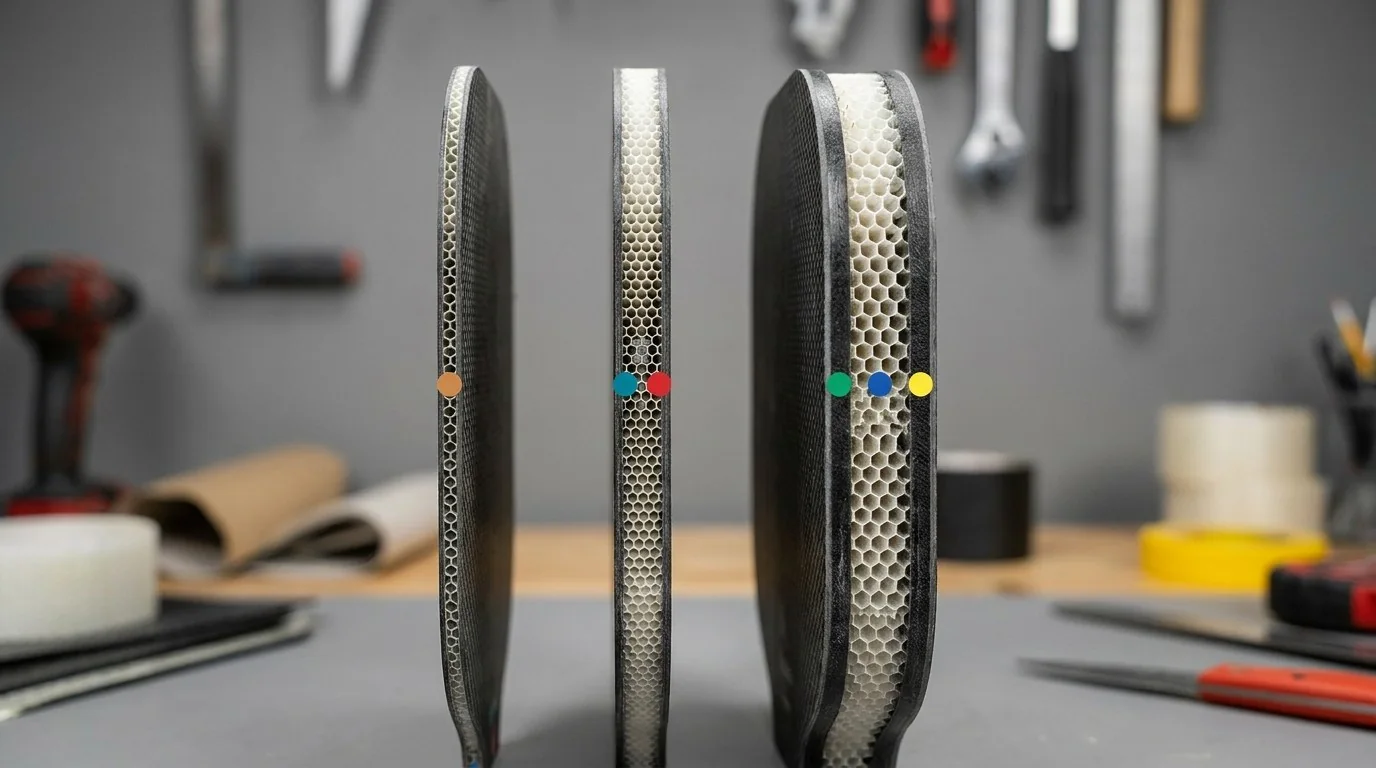
Paddle thickness is a useful way to narrow a pickleball comparison, but the number on the core is not a performance guarantee. A 13mm, 14mm, or 16mm paddle can differ in rebound, shock absorption, stability, and sweet-spot feel. Face material, shape, total weight, balance, grip, and construction still affect the result. Treat thickness as a starting point for testing, not a shortcut to the right choice.
What core thickness changes
A thinner core usually feels quick through the swing and gives a more direct response. That can suit a player who values fast drives, counters, or hand exchanges. The same lively response may require more care on dinks and resets, especially when contact is off-center. A 13mm paddle is worth putting on the test list when maneuverability and immediate feedback are priorities.
A thicker core gives the ball more material to work against at contact. The result often feels softer, absorbs more incoming pace, and offers a steadier response area. Those tendencies can be helpful on blocks, resets, and kitchen exchanges, although the complete paddle design still decides how it actually plays. A 16mm paddle is a sensible comparison when stability and touch matter more than maximum pop.
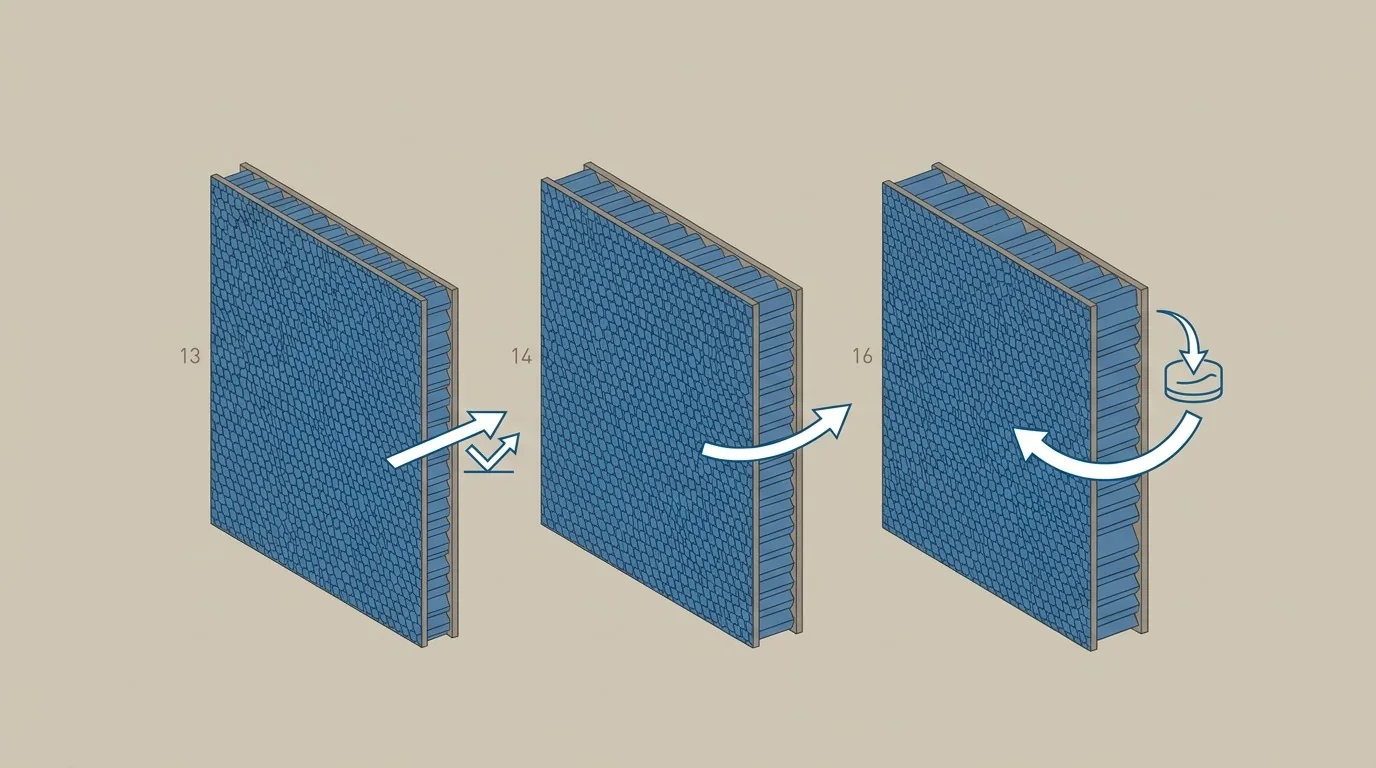
Comparing 13mm, 14mm, and 16mm
13mm: quick and direct
A 13mm paddle may feel nimble and respond immediately when you speed up the swing. Try it if you like a crisp launch or want less material between the ball and your hand. Then check the same paddle on dinks and resets. If the ball comes off higher than you intended, remember that the cause may be the overall design, not thickness by itself; a thicker model is still worth testing.
14mm: the middle comparison
A 14mm core is a useful starting point for an all-court player who wants a middle test. It may provide enough response for serves and drives while remaining comfortable for blocks and transition shots. Do not assume two 14mm paddles will feel alike. Shape, face, weight, perimeter support, and manufacturing method can change the balance and response substantially.
16mm: softer feel and stability
A 16mm paddle often suits players looking for a calmer response and more predictable control. Judge it on resets, blocks, and repeated kitchen exchanges, not only on one hard drive. If it helps you keep the face steady and the ball down, the extra thickness may be useful for your game.
Test the complete paddle
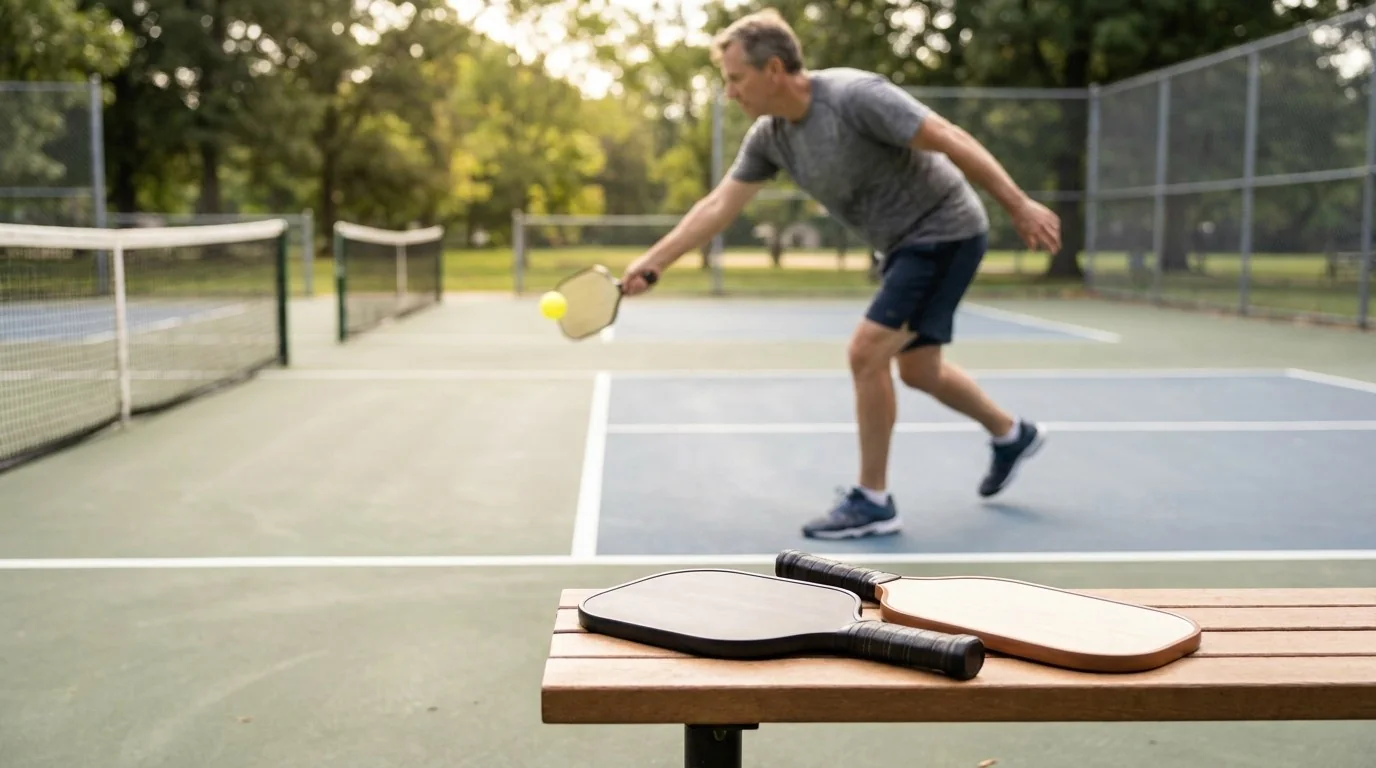
Use the same ball and repeat the same group of shots with each candidate: controlled drives, blocks, dinks, and resets. Notice whether the ball launches higher than expected, whether the paddle twists on off-center contact, and whether your hand or forearm starts to tense. A few showroom swings can miss problems that appear during a longer session.
Compare the weight and balance you will actually play with, including the grip or overgrip. A light, thick paddle can swing very differently from a heavier, thin one. Face material and shape may change the feel enough that the millimeter number alone cannot predict it.
Make the buying decision from your real problem
Start with the shot or sensation you want to change. If you need quicker handling and a more direct response, place 13mm paddles on the list. If you want a balanced first comparison, include 14mm. If your priority is to soften pace, add stability, or regulate the soft game more easily, test 16mm. Choose the model that lets you prepare early, control height, and repeat your normal shots late in a session.
The useful question is not which thickness sounds most powerful. It is which thickness, together with the rest of the build, supports your contact, target, and recovery choices.