Pickleball Paddle Face Materials: Carbon Fiber vs Fiberglass
Compare carbon fiber and fiberglass pickleball paddle faces by feel, control, power, texture, and practical buying fit.
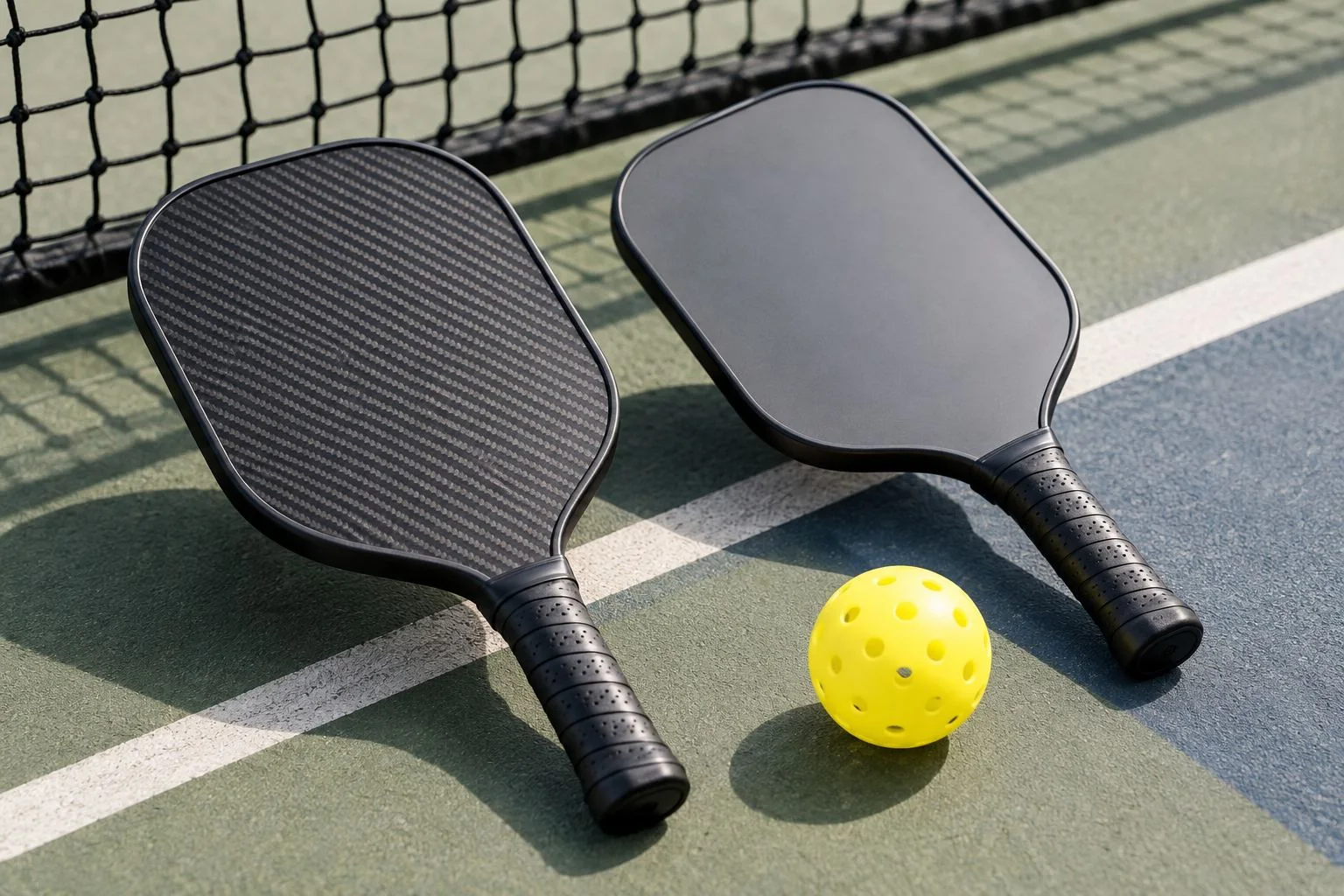
Carbon fiber and fiberglass are two common face-material descriptions in pickleball paddle shopping. They can point to different playing sensations, but the label alone does not decide whether a paddle is right for you. Core thickness, surface texture, shape, weight, balance, handle comfort, and your own swing all matter. A useful comparison starts with what each material tends to feel like, then checks the complete paddle rather than chasing one word on the face.
How carbon fiber and fiberglass tend to feel
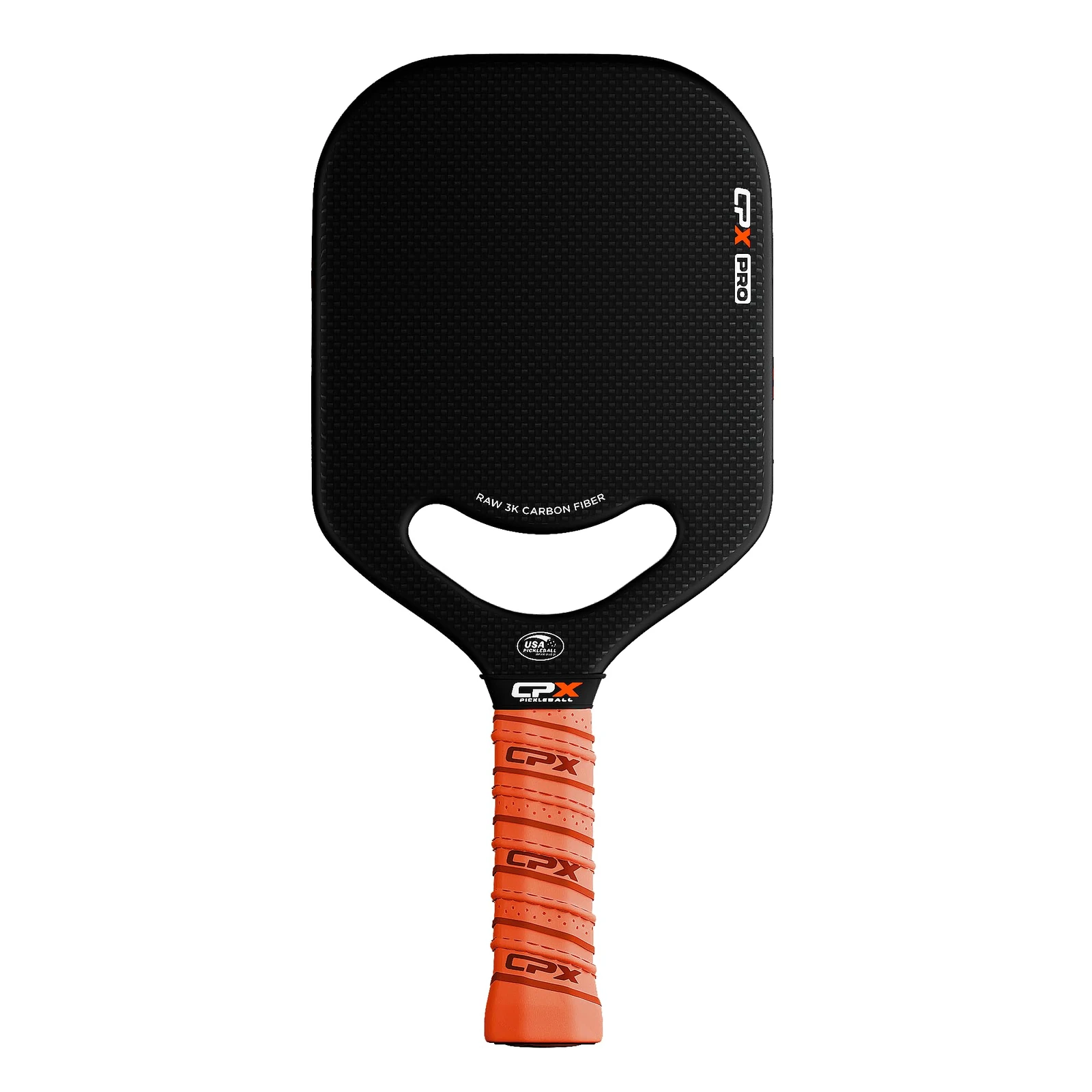
Carbon fiber is valued for a firm, controlled response and a light, structured face. Many players notice a more muted feel on soft shots, which can make resets and dinks feel predictable when the paddle is well matched to their technique. Carbon-fiber faces are often paired with textured finishes, but visible texture is not proof of a particular construction or a guarantee of extra spin. The core and finish are still part of the equation.
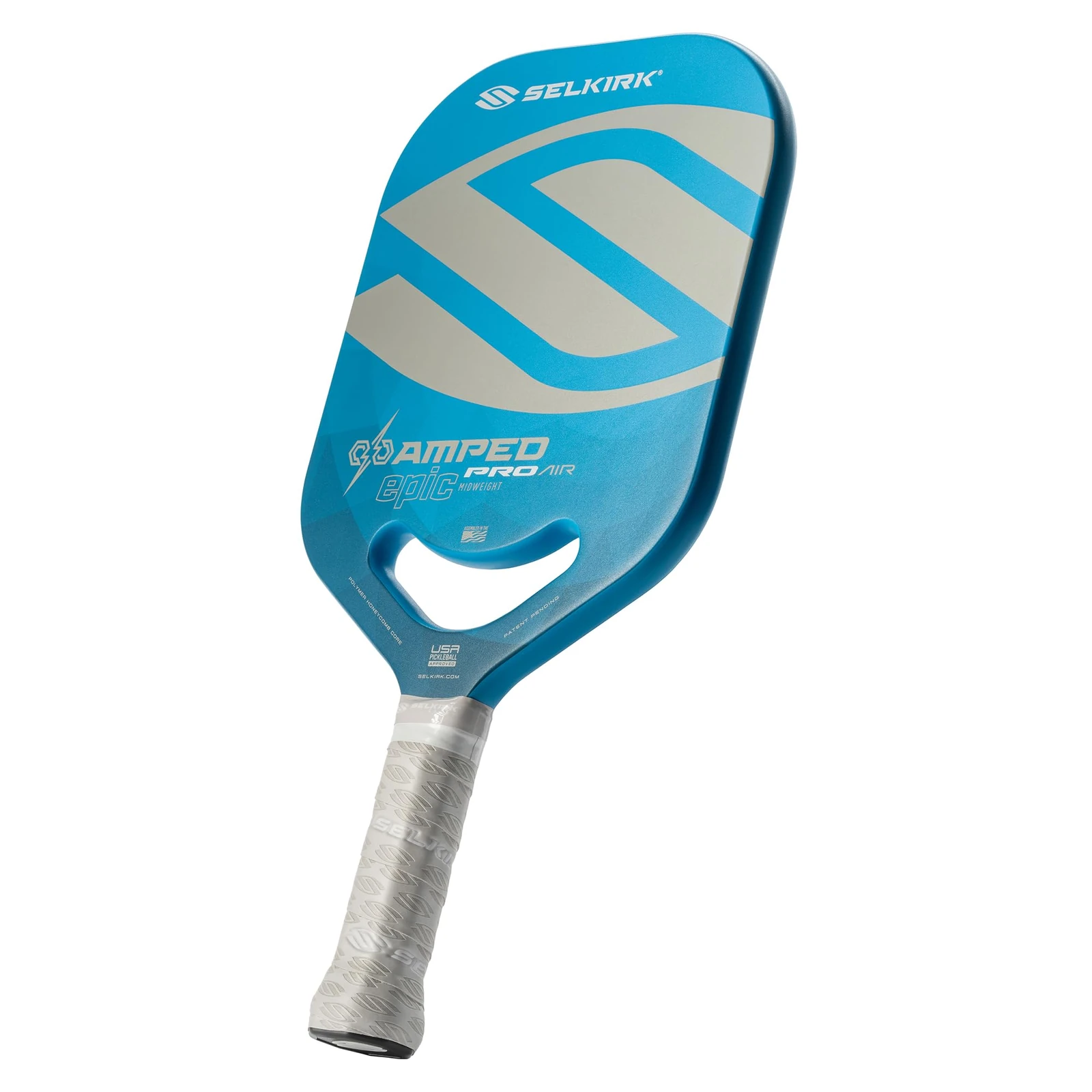
Fiberglass, often described as a composite face, can feel livelier at contact. That liveliness may help a recreational player generate depth without taking a large swing, although it can also make touch shots feel more energetic until the player adapts. Two fiberglass paddles can behave differently because their cores, face layers, thicknesses, and balance are not identical.
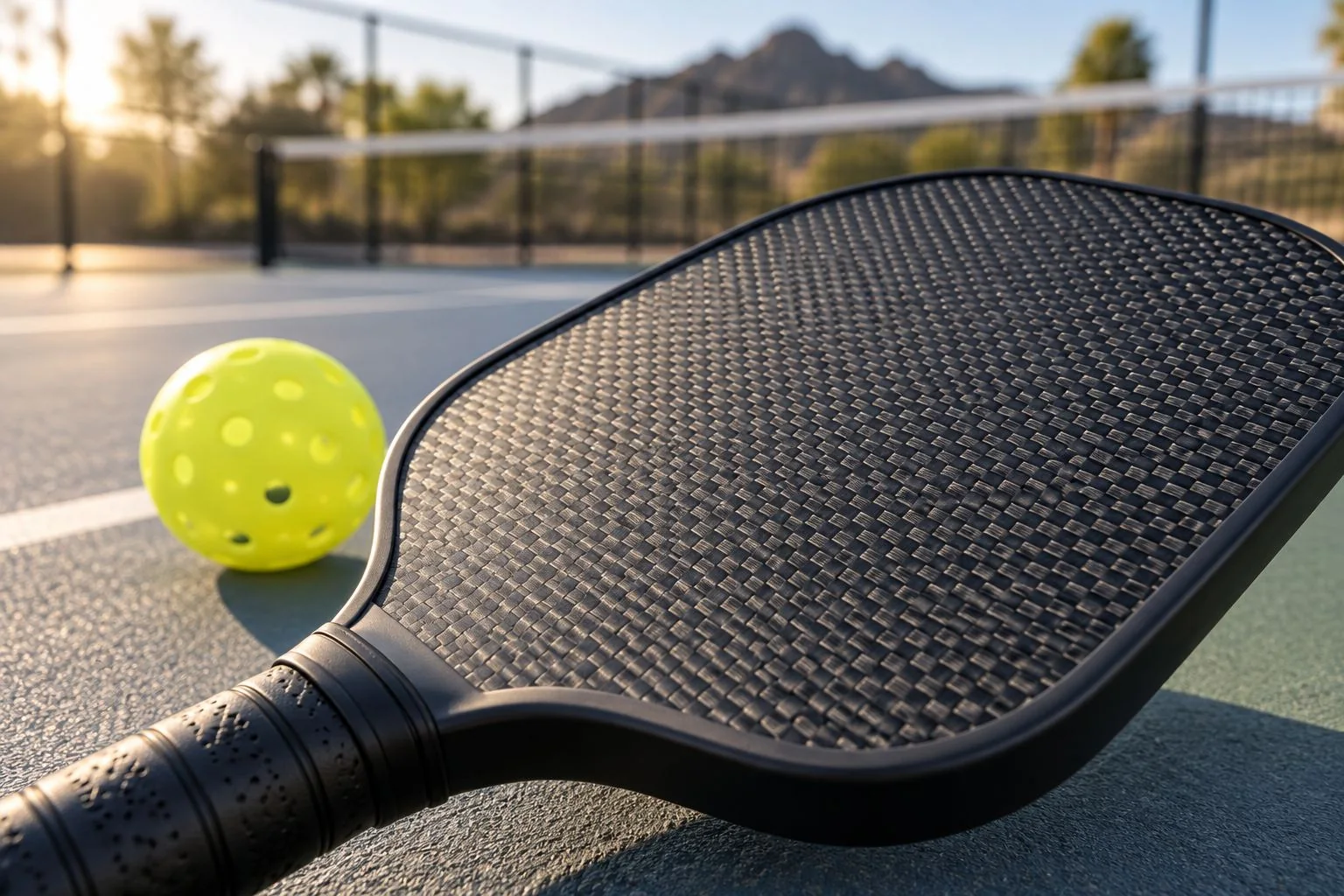
Neither material is automatically better. A player who values a calm response at the non-volley zone may prefer the feedback of one carbon-fiber paddle, while someone who wants easy pace from a compact swing may enjoy a lively fiberglass model. These are tendencies, not rules. Read the construction details and, when possible, test the actual paddle.
What to compare beyond the face label
Start with thickness and weight. A thicker paddle commonly prioritises stability and control, while a lighter paddle may feel quicker during hand battles. Balance changes the experience too: weight toward the head can add plow-through but may feel slower on rapid exchanges. A lighter, handle-heavy design can move quickly, yet it may require more work to create depth.
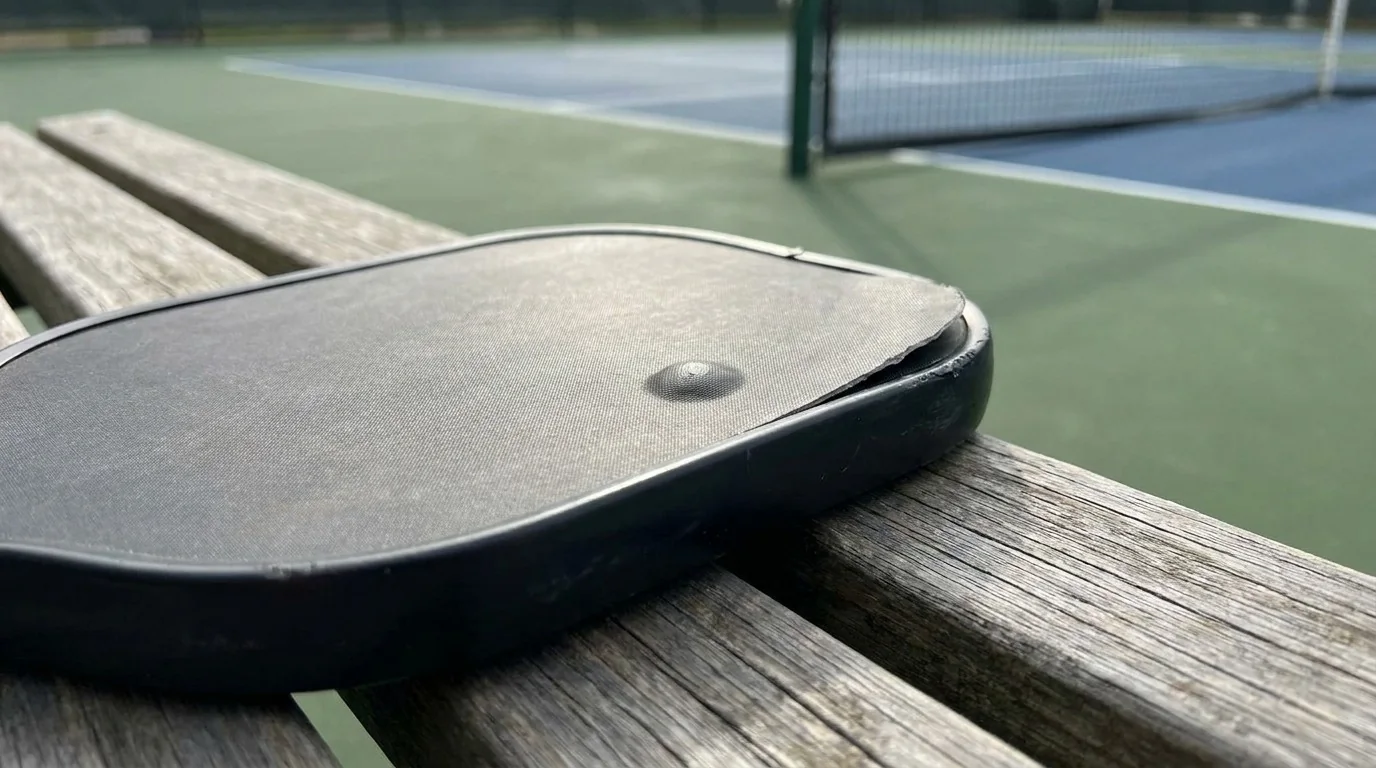
Surface texture deserves a separate check. A rough-looking finish can wear with use, and a printed pattern is not the same as a durable grippy surface. Ask how the finish is made and what care the maker recommends. Do not assume that a material name guarantees legal status, spin, or durability.
If you can demo a paddle, use the same short test for each option: hit several soft crosscourt dinks, controlled volleys, deep returns, and easy serves. Notice whether the ball leaves too quickly, whether off-centre contact twists the paddle, and whether your shoulder or wrist feels strained after a few minutes. Keep the same ball and court when comparing.
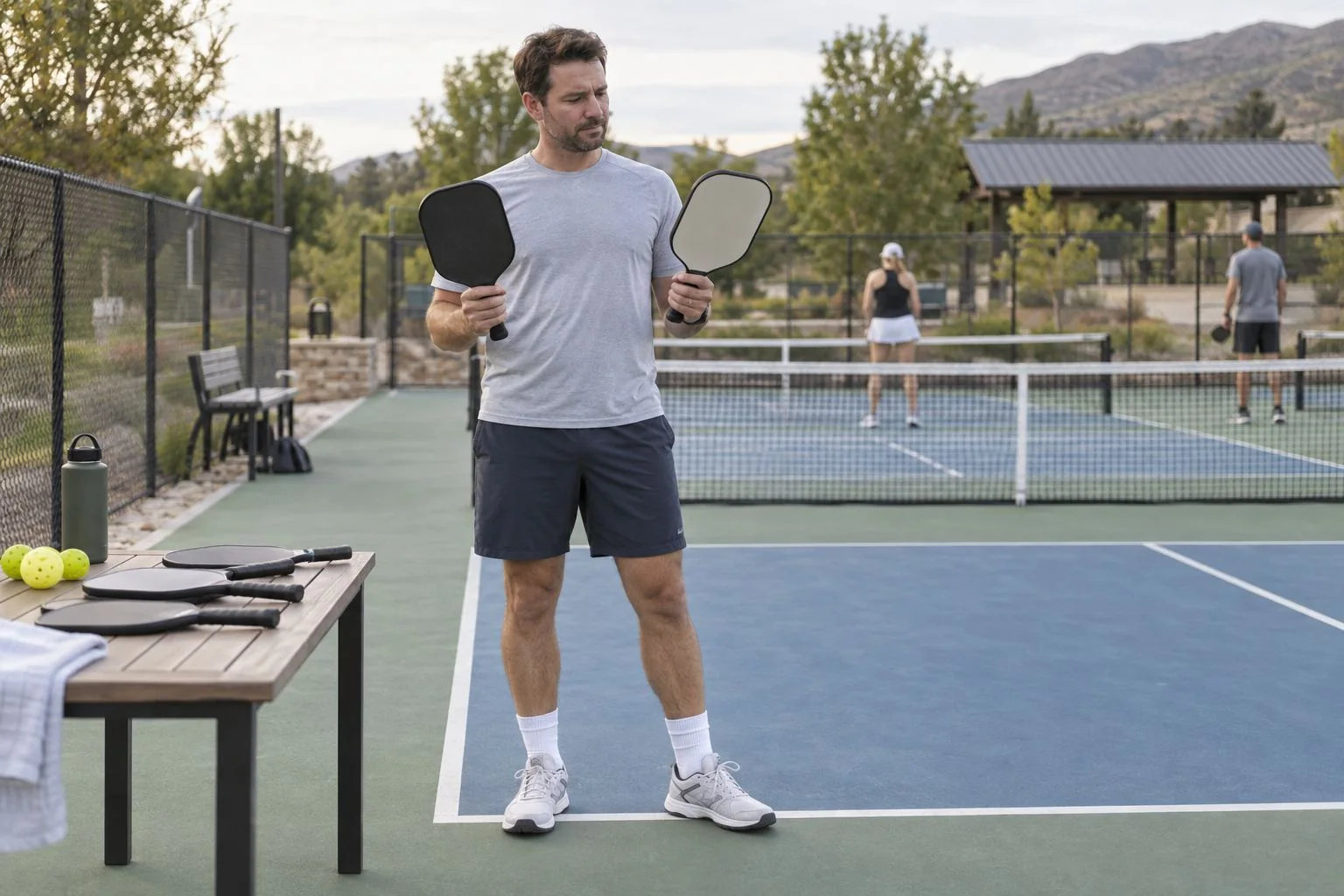
Finally, check the practical fit. The grip should feel secure without squeezing, the handle should support your preferred backhand, and the paddle should not feel tiring after a normal session. Look for a clear warranty and inspect the edge guard and face after play. A well-fitting fiberglass paddle is more useful than an uncomfortable carbon-fiber paddle, and the reverse is equally true.
For a simple buying decision, choose the material that supports your main need, then confirm the complete specification: weight, thickness, shape, grip, balance, surface finish, warranty, and certification where relevant. Treat carbon fiber and fiberglass as starting points for a demo, not as promises of a particular scoreline.