Pickleball Paddle Fit Check: Match Grip, Shape, and Feel to Your Game
A practical pickleball paddle fitting guide covering weight, grip size, shape, surface, construction, and a useful test checklist.
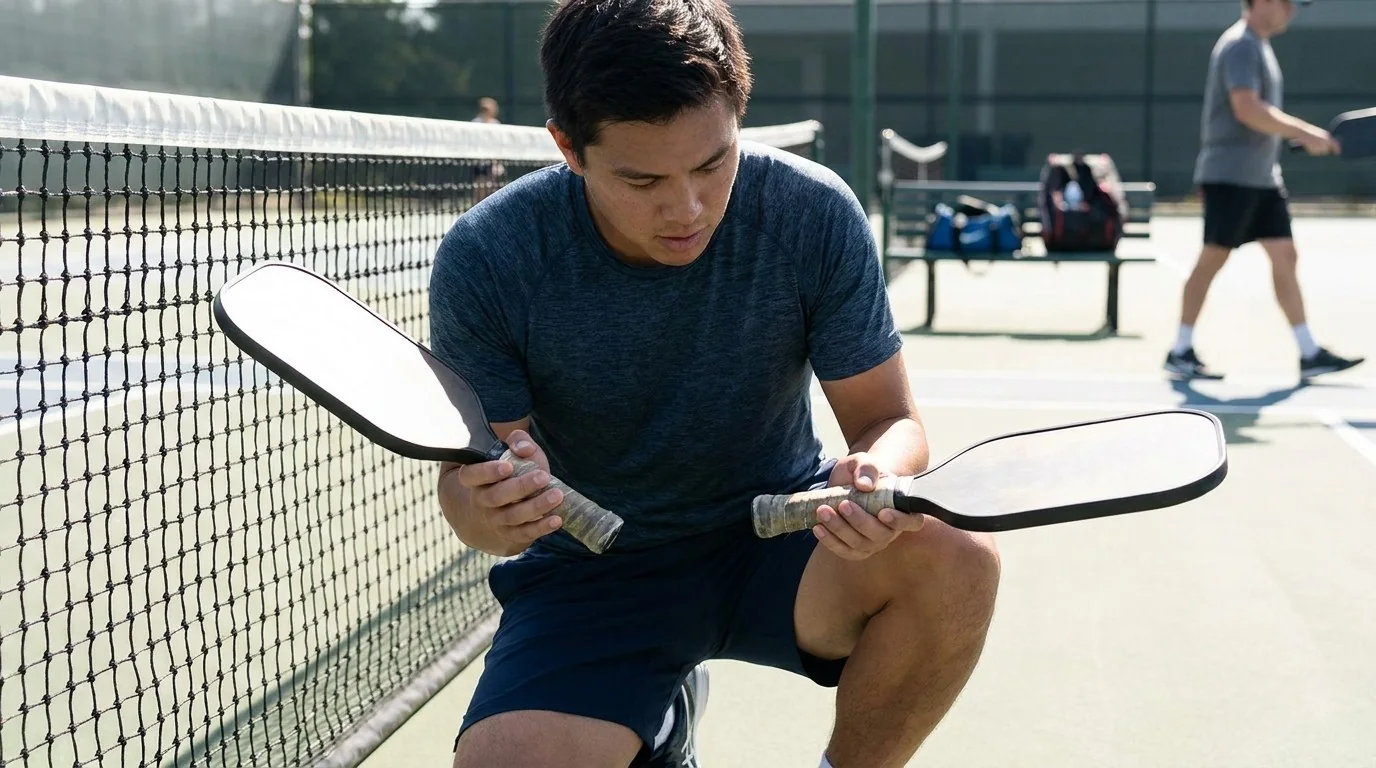
Choosing a pickleball paddle is easier when you treat fit as a playing decision rather than a shopping contest. Weight, grip, shape, surface, and construction all change what the paddle asks your hand and body to do. The best choice is the one you can control repeatedly, including late in a session.
Start with the way you play
If your points depend on soft hands, resets, and patient kitchen exchanges, start with a comfortable weight and a predictable response. If you create pressure with drives and serve pace, extra mass may help, but only if you can still move the paddle quickly during hand battles. A heavier paddle can add stability and power. It can also reveal late preparation and increase fatigue.
When possible, test a paddle for a full session. A few swings in a shop tell you little about how your shoulder and forearm feel after repeated volleys. The useful test is straightforward: can you prepare early, contact the ball in front, and recover without squeezing harder? If not, the paddle may be asking more from your swing than its first impression suggests.
Match grip size to control
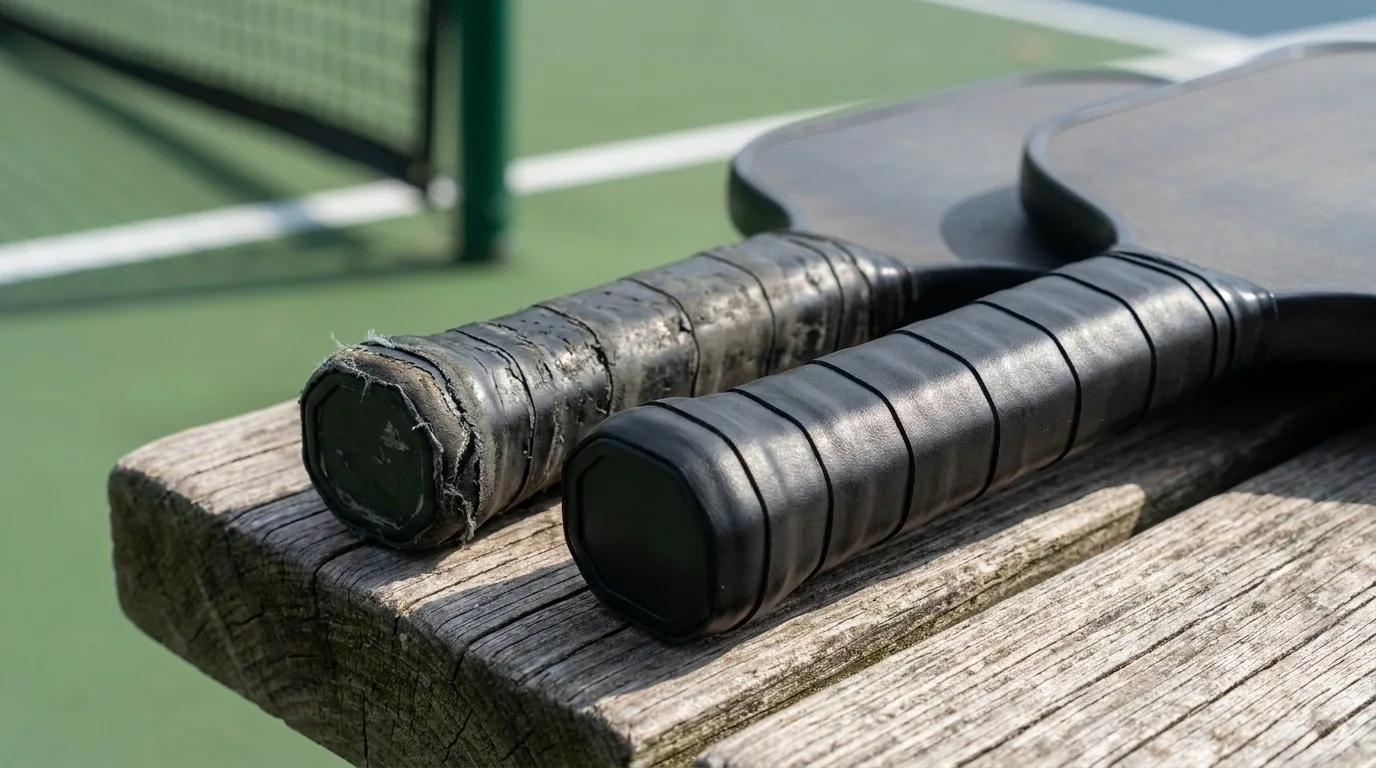
The handle should feel secure without forcing your fingers deep into your palm. A grip that is too large can slow hand adjustments. One that is too small may encourage squeezing and unwanted movement. Measure your hand as a starting point, then check how the handle actually feels in play. An overgrip increases circumference, while a thinner replacement grip creates more room.
Leave enough freedom to change pressure during a dink or reset. Notice whether the handle rotates during a two-handed backhand, whether the edge feels secure during a volley, and whether the grip remains comfortable after repeated serves. Those observations tell you more than a short first impression. A grip is not right merely because its measurement matches a chart.
Choose shape for reach or forgiveness
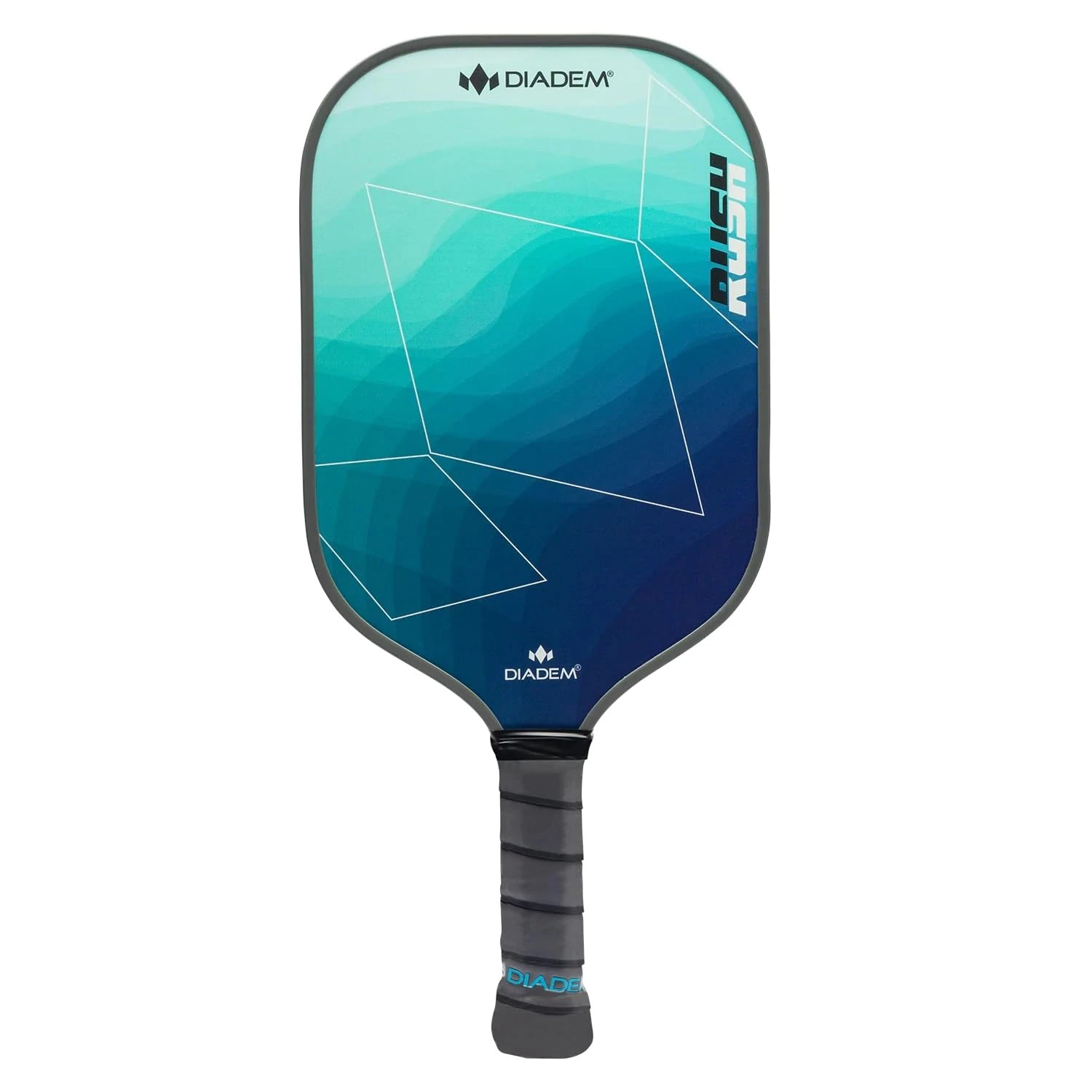
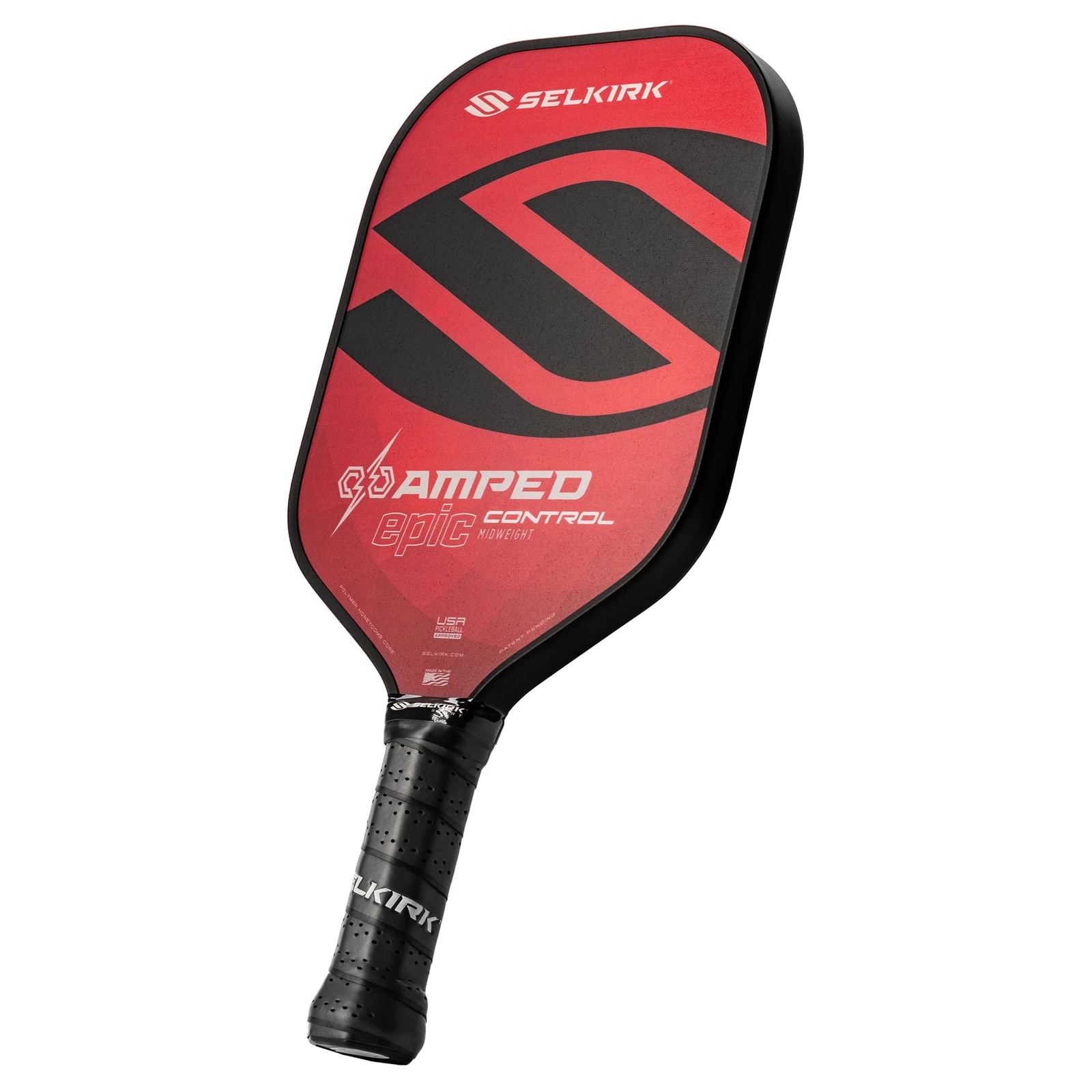
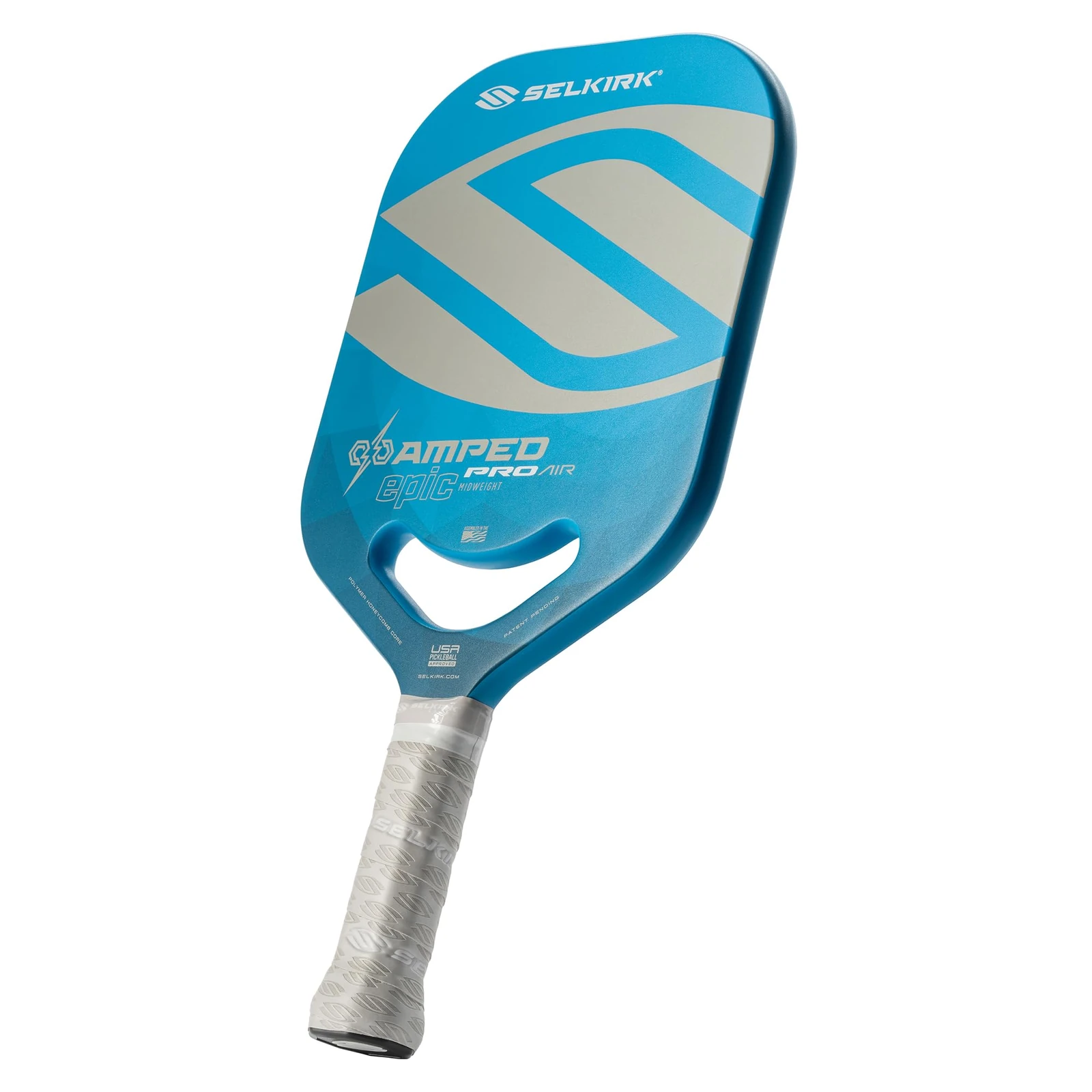
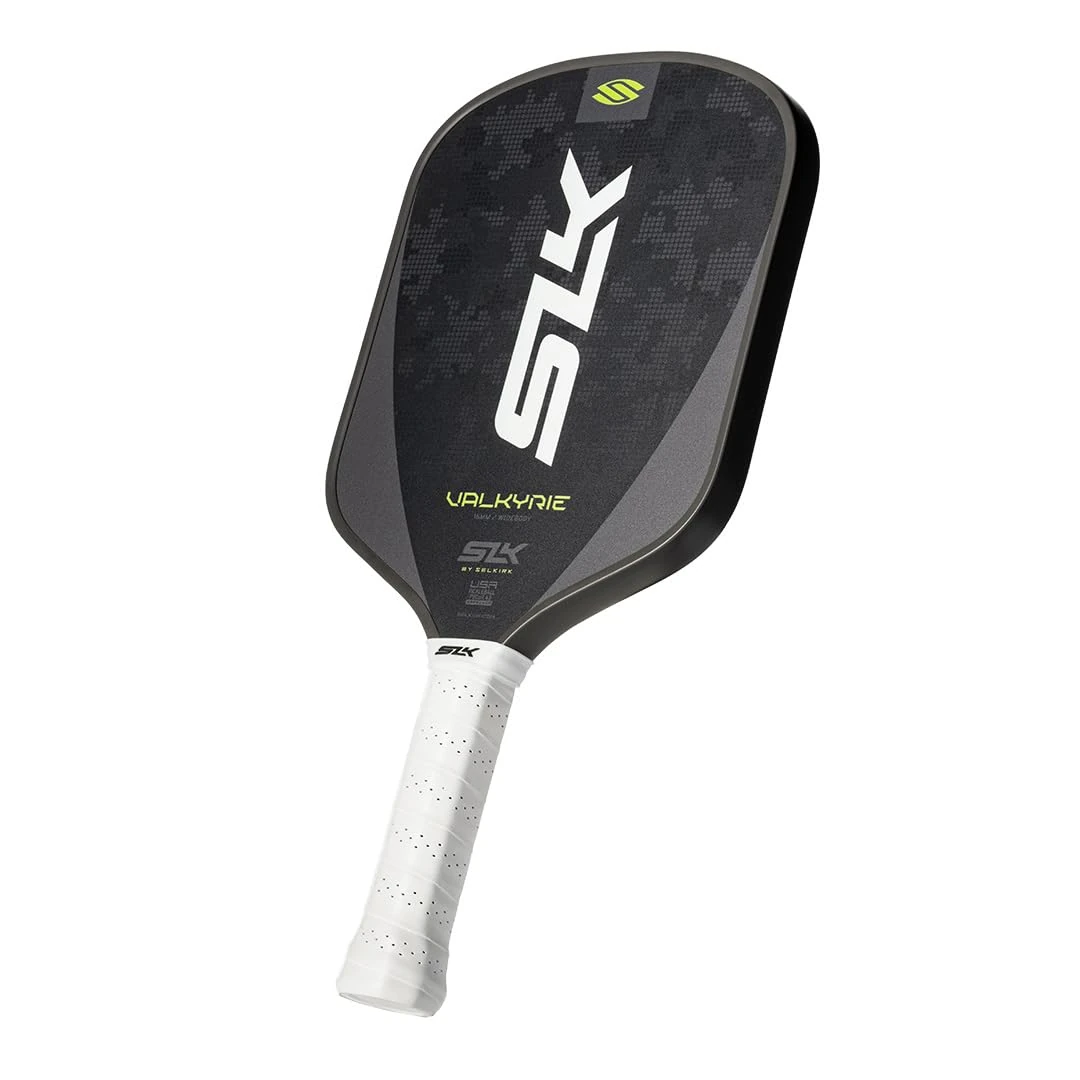
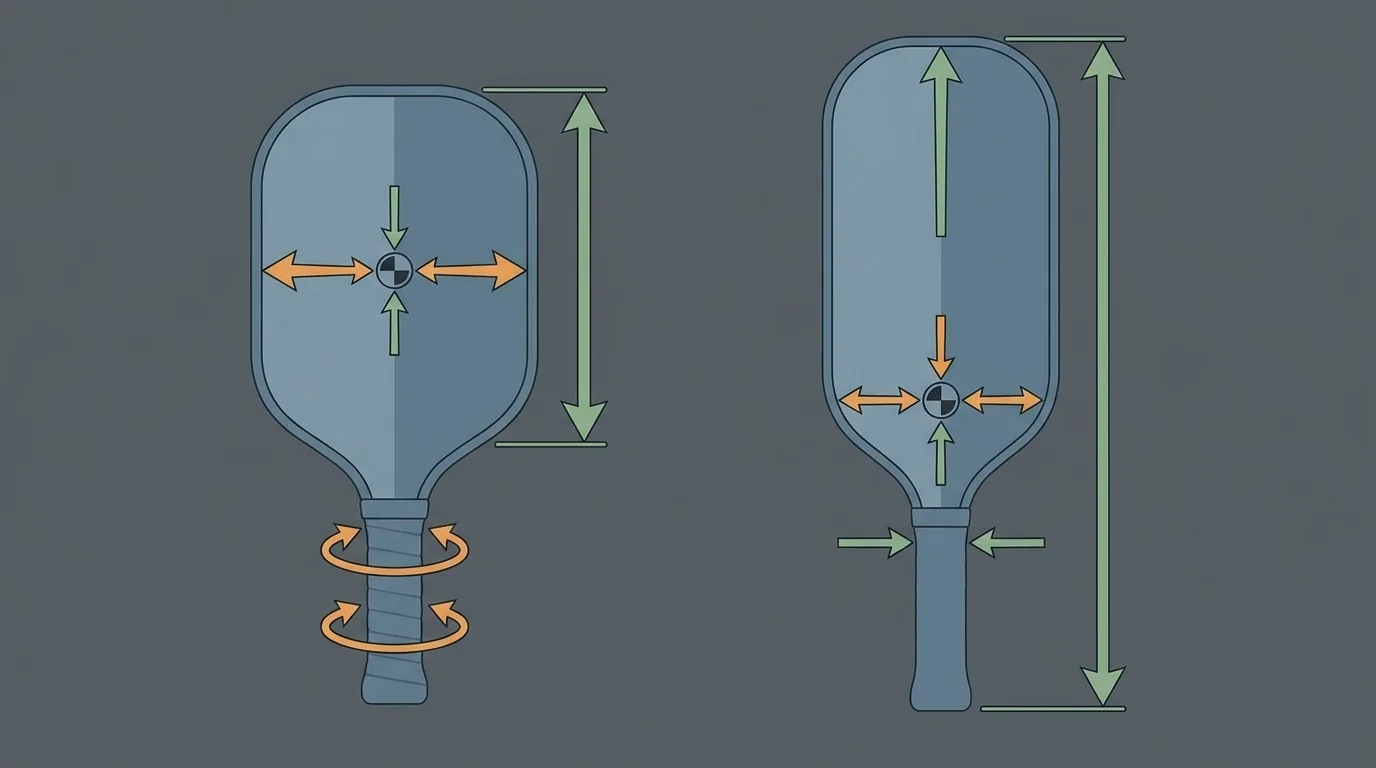
A widebody shape generally offers a broad hitting area and can feel forgiving near the edges. An elongated shape adds reach and leverage, but it may demand more precise timing. Neither shape automatically improves a player.
Choose based on your usual contact. Quick exchanges tend to favor maneuverability, while baseline coverage and singles may reward reach. If you often contact the ball late or struggle to move the paddle in front of your body, added reach is not automatically the answer; the longer shape still has to arrive on time.
Check the surface and construction
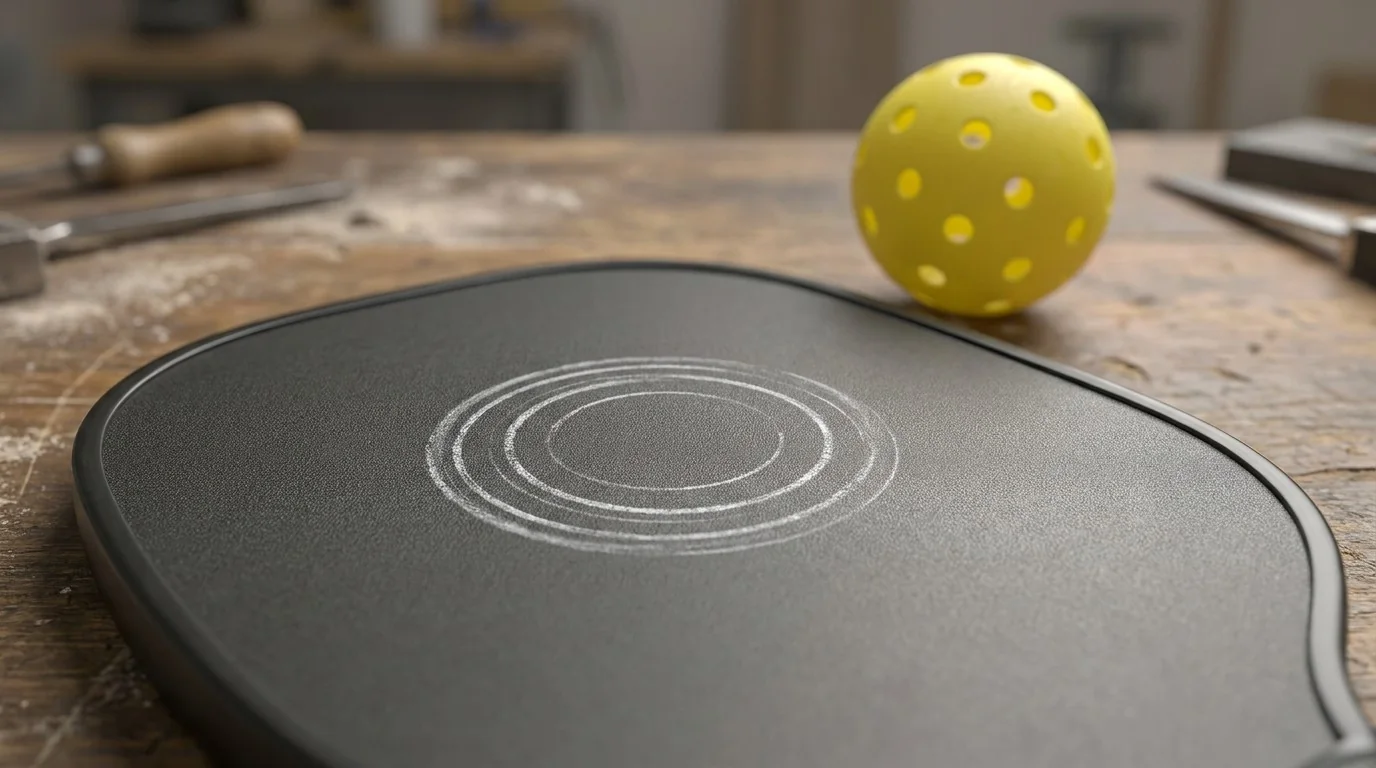
Texture affects spin, but a specification is not a substitute for durability or control. Consider how often you play and whether maintaining spin matters more to you than maximum pop. Construction changes feel as well. Some paddles emphasize a lively response, while others make it easier to absorb pace.

Use a short fitting checklist
Before buying, ask yourself:
- Is the weight comfortable after ten minutes?
- Can I move from forehand to backhand without lifting my shoulder?
- Does the grip let me relax and still keep the handle secure?
- Do I need reach, a larger sweet spot, or faster hand speed?
- Does the paddle feel predictable on a reset?
Answer those questions with your own strokes and budget in mind. A well-fitted paddle will not fix poor preparation, but it can remove a distraction so your technique has room to develop. Recheck the choice after several sessions rather than treating the first practice as final. Comfort and control matter more than a specification sheet.
Also notice whether your contact stays consistent when you are tired. Late-session control is part of real paddle fit, and it often exposes a mismatch that is easy to miss during a short test.