Pickleball Paddle Handle Length: How to Choose for Control and Reach
Compare pickleball paddle handle length for reach, two-handed backhands, quick hand changes, grip comfort, balance, and practical player fit.
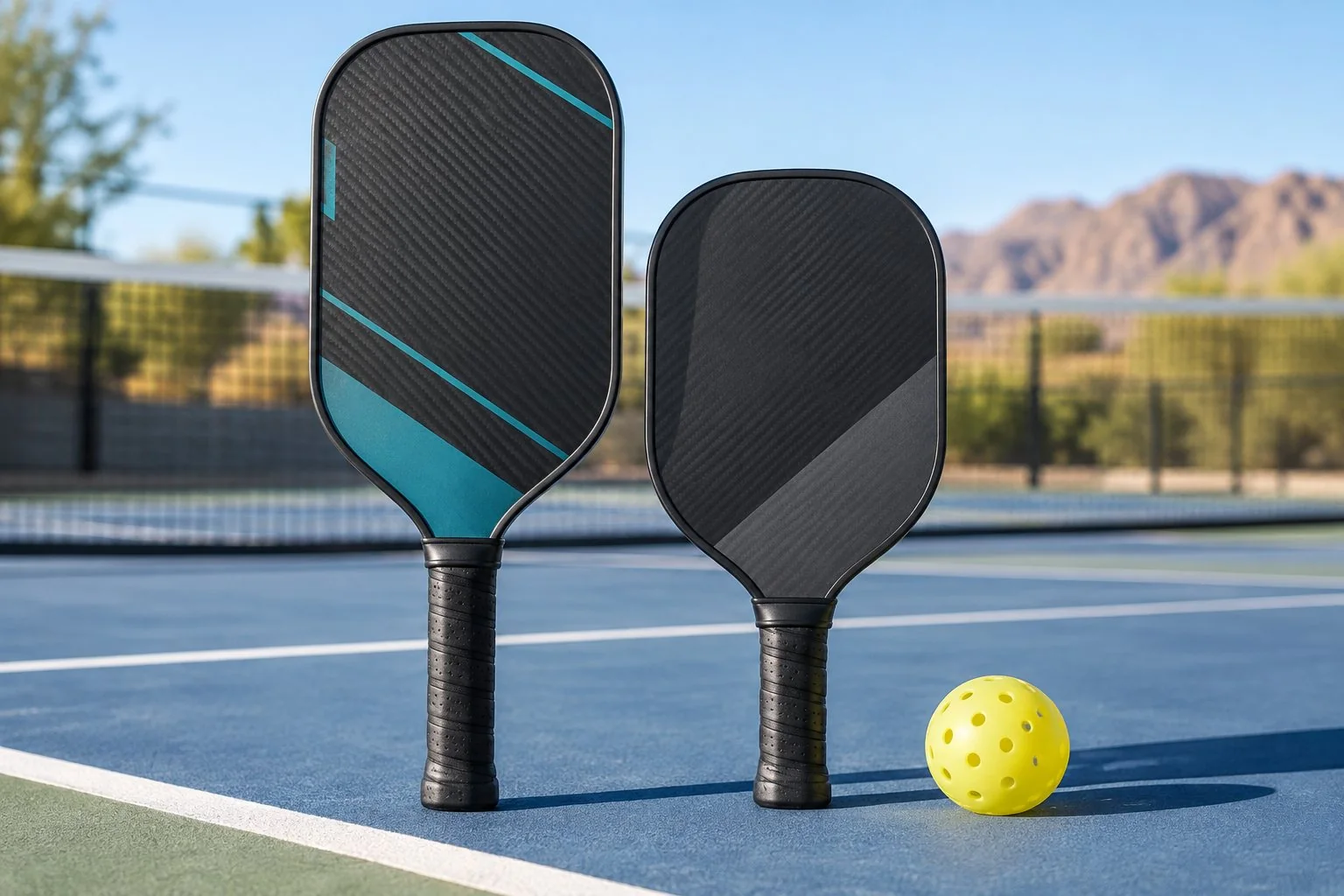
Handle length is easy to overlook when shopping for a pickleball paddle. Players often focus on weight, shape, or face material, then discover that the handle changes how the paddle sits in the hand, how comfortably a second hand fits, and how quickly the paddle moves in a fast exchange. There is no universal best length. The useful choice is the one that supports your strokes without making the grip feel crowded or the paddle slow to reposition.
What a longer handle changes
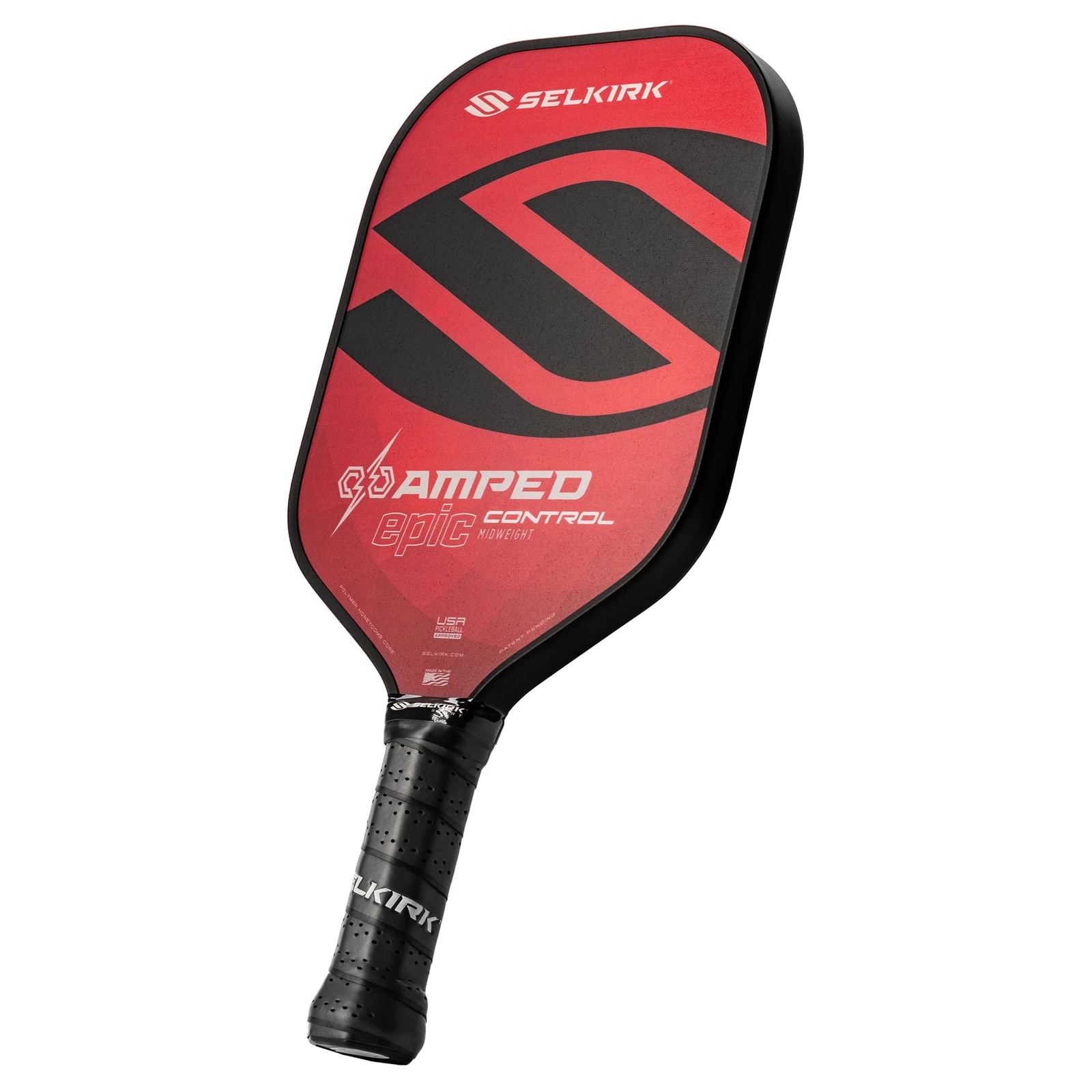
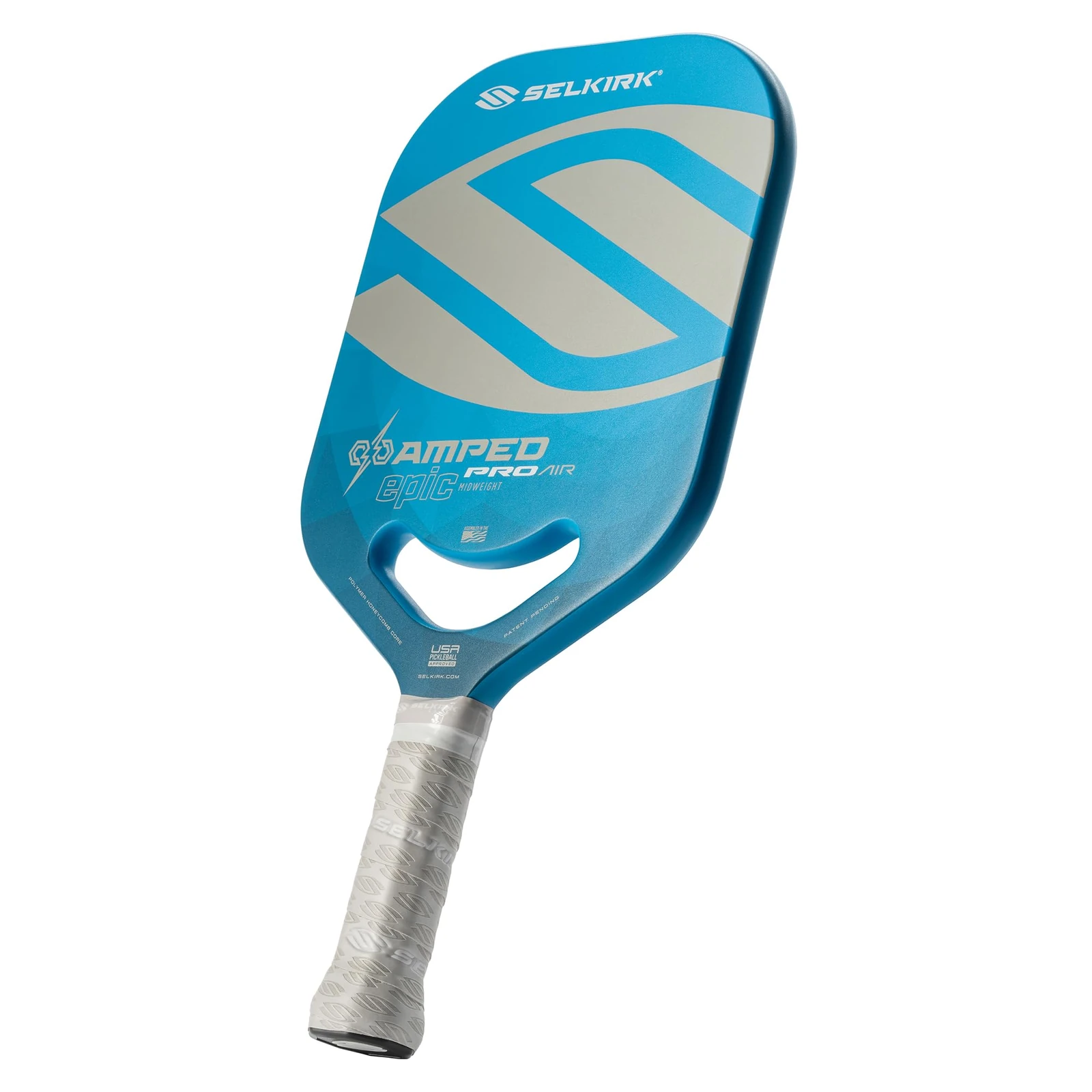
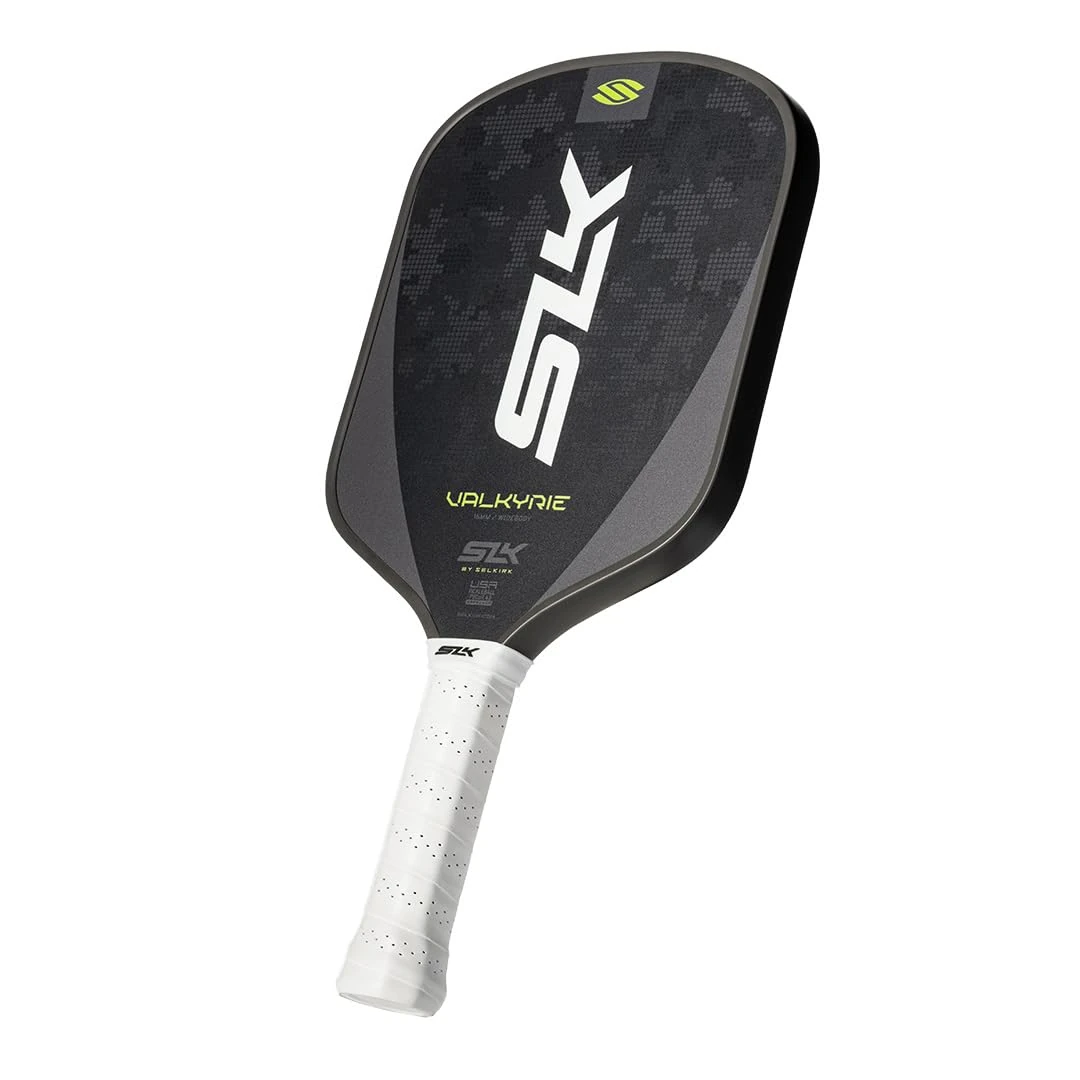
A longer handle gives the hand more room and can make a two-handed backhand feel more natural. It may also provide extra leverage and a little more reach on balls that pull you wide. That benefit is most noticeable when the second hand regularly joins the stroke rather than staying on the throat or off the paddle.
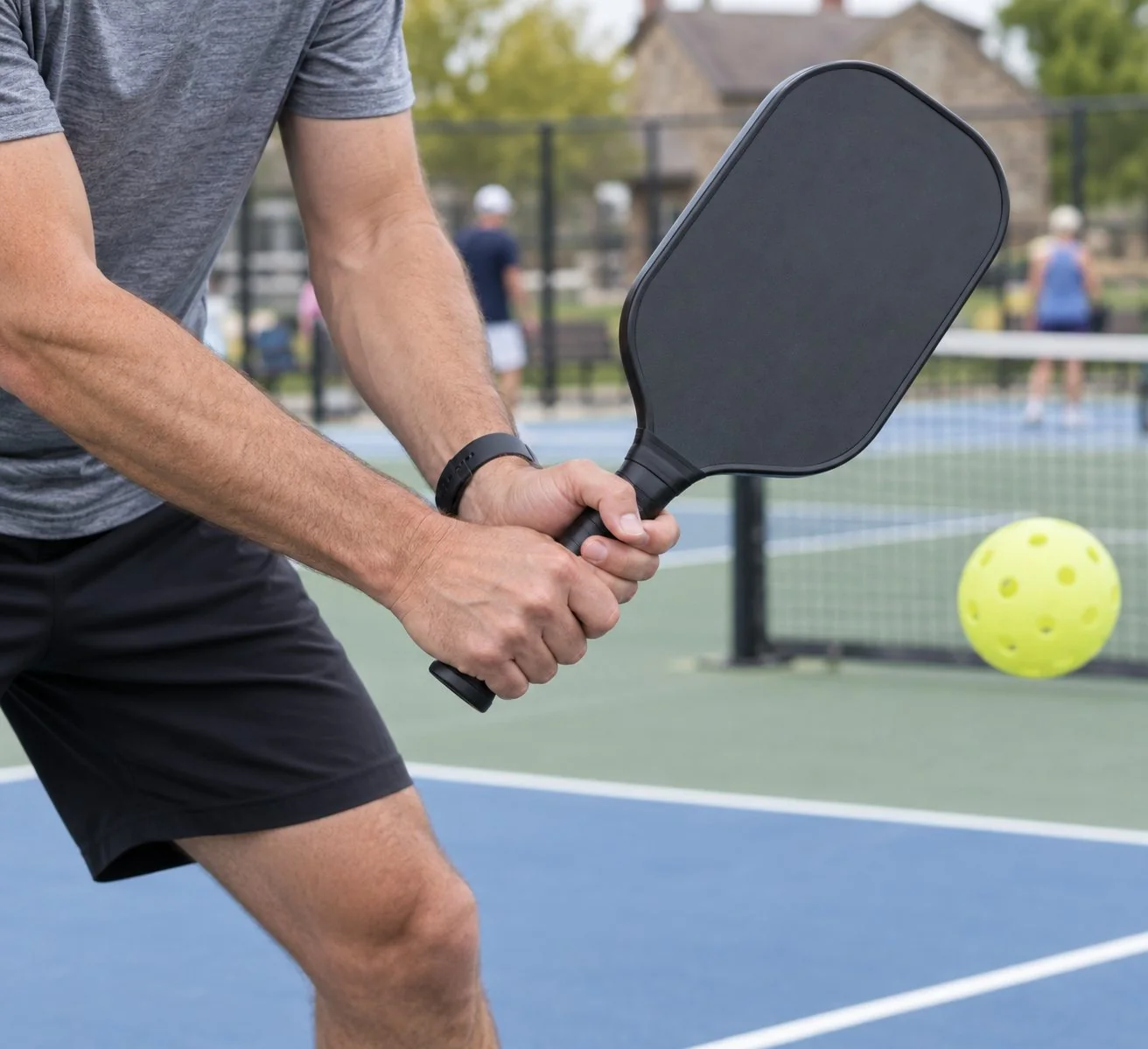
The trade-off is speed. More length behind the hand can increase the distance the paddle travels during a hand change or compact volley. At the kitchen, where the ball arrives quickly, a handle that feels comfortable on a full swing may feel cumbersome during a short punch. Test the paddle in the positions where you actually lose time, not only during a comfortable baseline rally.
A longer handle also changes balance. Even when two paddles have similar listed weights, a longer design can feel different because more mass sits farther from the hand. Think in terms of maneuverability and balance, not a number on the scale alone.
Match the handle to your strokes and grip
Start by observing your natural grip. If your second hand already reaches the handle on backhands, extra room may improve comfort and consistency. If you play mostly one-handed and keep the lower hand relaxed, a shorter or more compact handle may let you rotate the paddle faster. Neither preference is a rule; it is a reason to test before buying.
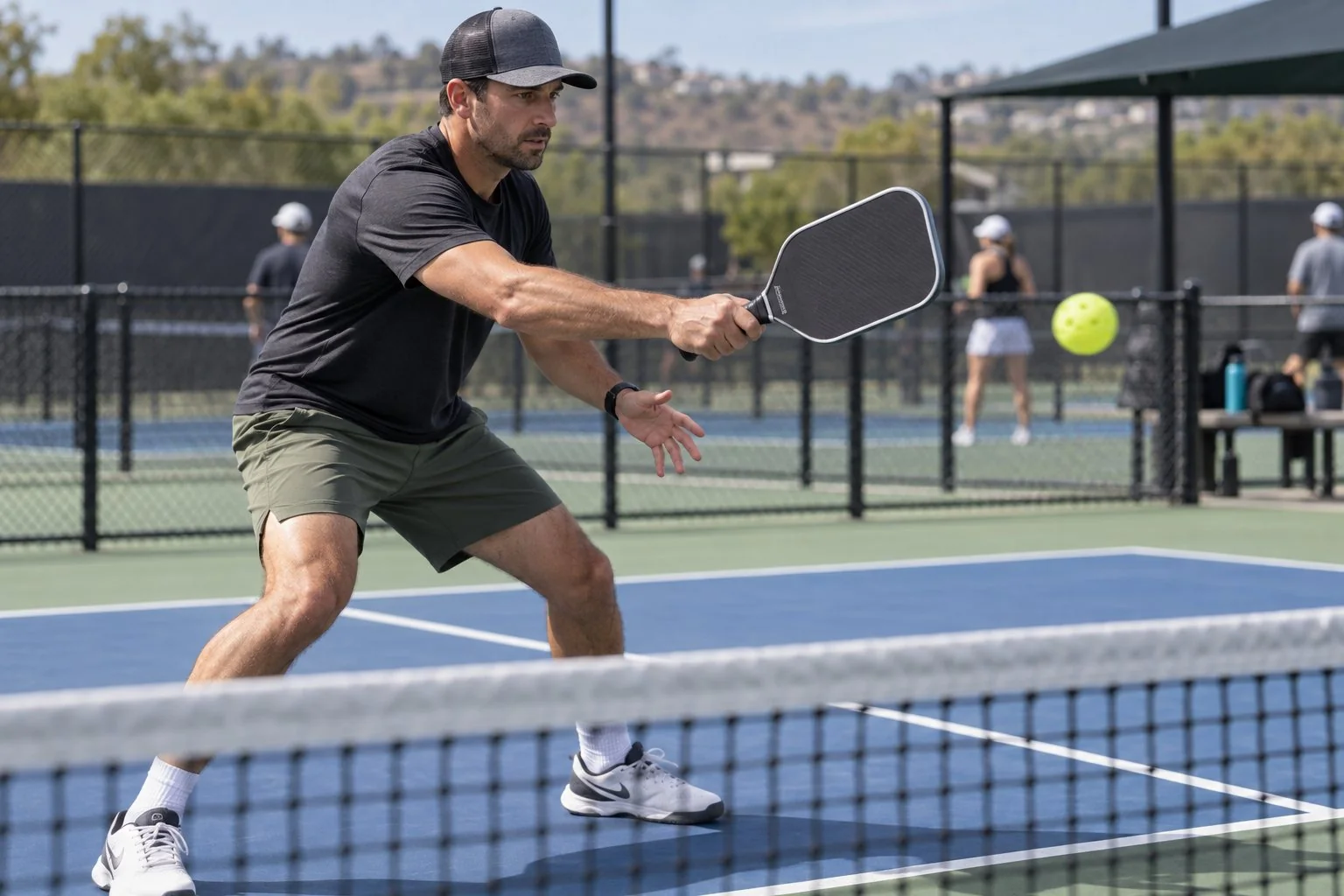
Check where your little finger ends when the paddle is held in your normal ready position. You want enough room to avoid crowding, but not so much empty handle that the butt cap catches clothing or your hand slides during a swing. Keep the grip pressure light and make several forehand-to-backhand changes. A good fit should feel stable without requiring you to squeeze harder.
Players with smaller hands should pay attention to circumference as well as length. A long handle wrapped too thickly can make a two-handed grip harder, while a slim handle may allow better finger movement but feel less secure. Try the stock grip first, then test a modest overgrip only if the underlying size feels close.
A five-minute court test
Borrow or demo two paddles with noticeably different handle lengths. Hit ten relaxed forehands, ten backhands, and ten two-handed backhands. Then stand at the non-volley line and make gentle punch volleys while alternating sides. Notice whether the paddle arrives on time, whether your second hand finds the same place, and whether your wrist or forearm tightens.
Next, test a few reaches without stretching recklessly. The longer paddle may help you contact a wide ball, but reach is useful only if you can keep balance and recover. Finish with quick hand changes and a few soft shots. If the handle repeatedly catches your clothing, bumps your other hand, or makes the face late, the extra length is probably not helping your game.
Write down comfort, control, reach, and recovery separately. A paddle that wins the reach test but loses the quick-volley test may suit a player who attacks from the baseline more than someone who spends most points at the kitchen.
Buying checklist
- Decide whether a two-handed backhand is central to your game.
- Compare handle length and grip circumference together.
- Test quick hand changes, not only full swings.
- Consider balance and maneuverability in addition to static weight.
- Check that the butt cap stays clear of clothing and the second hand.
- Use a demo period when possible, especially if changing shape or balance.
Handle length is a fit decision, not a status signal. Choose the shortest length that gives your preferred grip enough room, or the longer option only when its reach and two-handed comfort outweigh the slower hand changes. The right paddle should make your normal contact feel repeatable, not force you to rebuild every stroke around the equipment.