Pickleball Paddle Inspection Log: Record Wear Before It Spreads
Learn how to inspect a pickleball paddle for cracks, loose edge guards, dead spots, rattles, and other signs that it needs service or replacement.
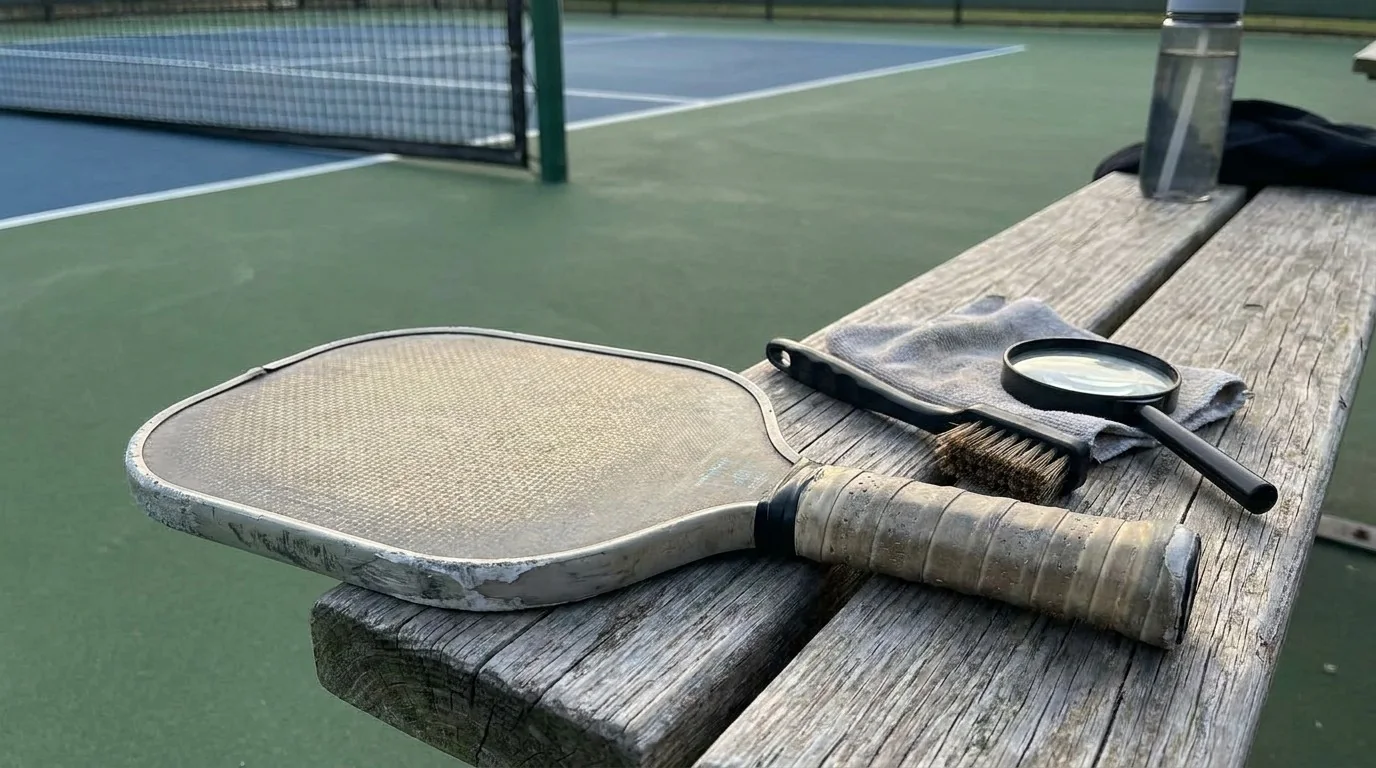
A pickleball paddle inspection log takes less than a minute, but it can keep a small equipment problem from becoming a surprise during practice or a match. Think of it as a practical visual, sound, and feel check for everyday play, not a laboratory certification.
Start with the outside
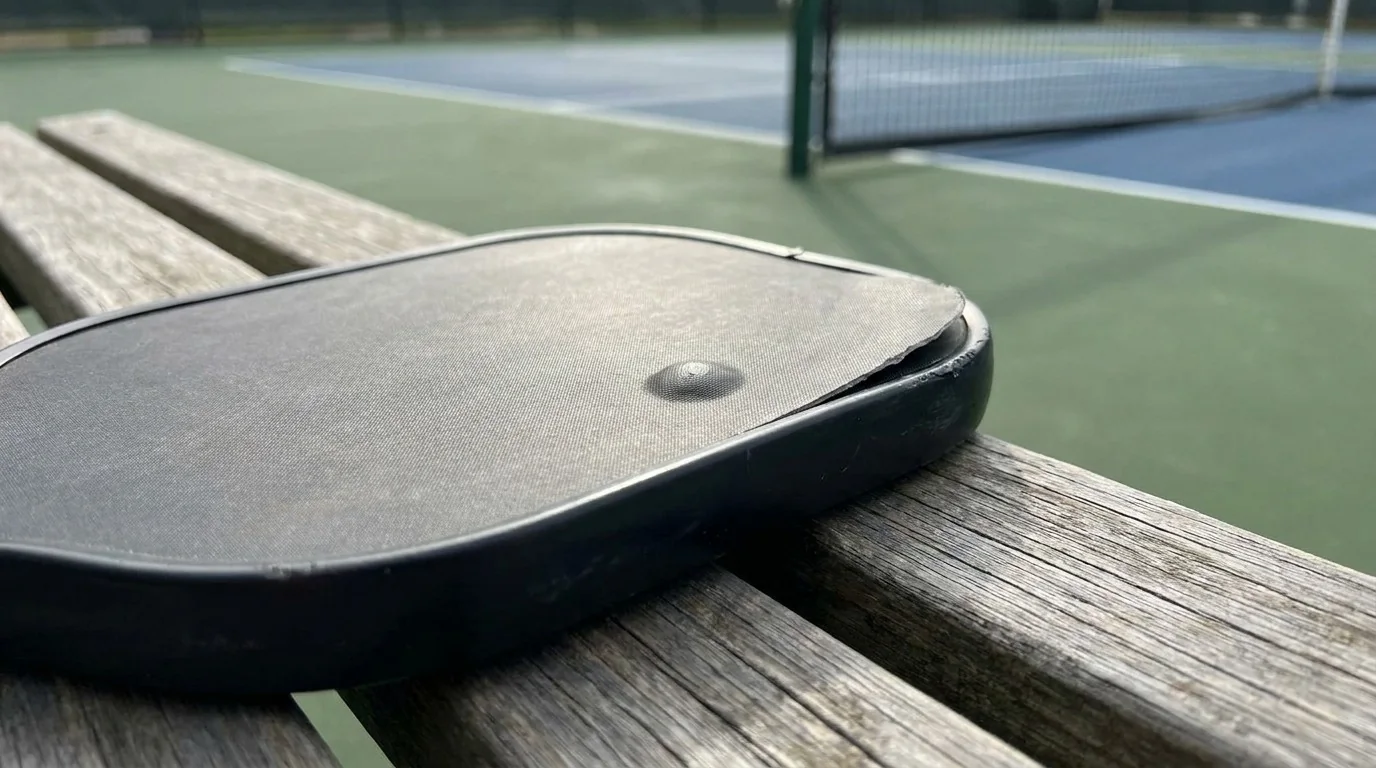
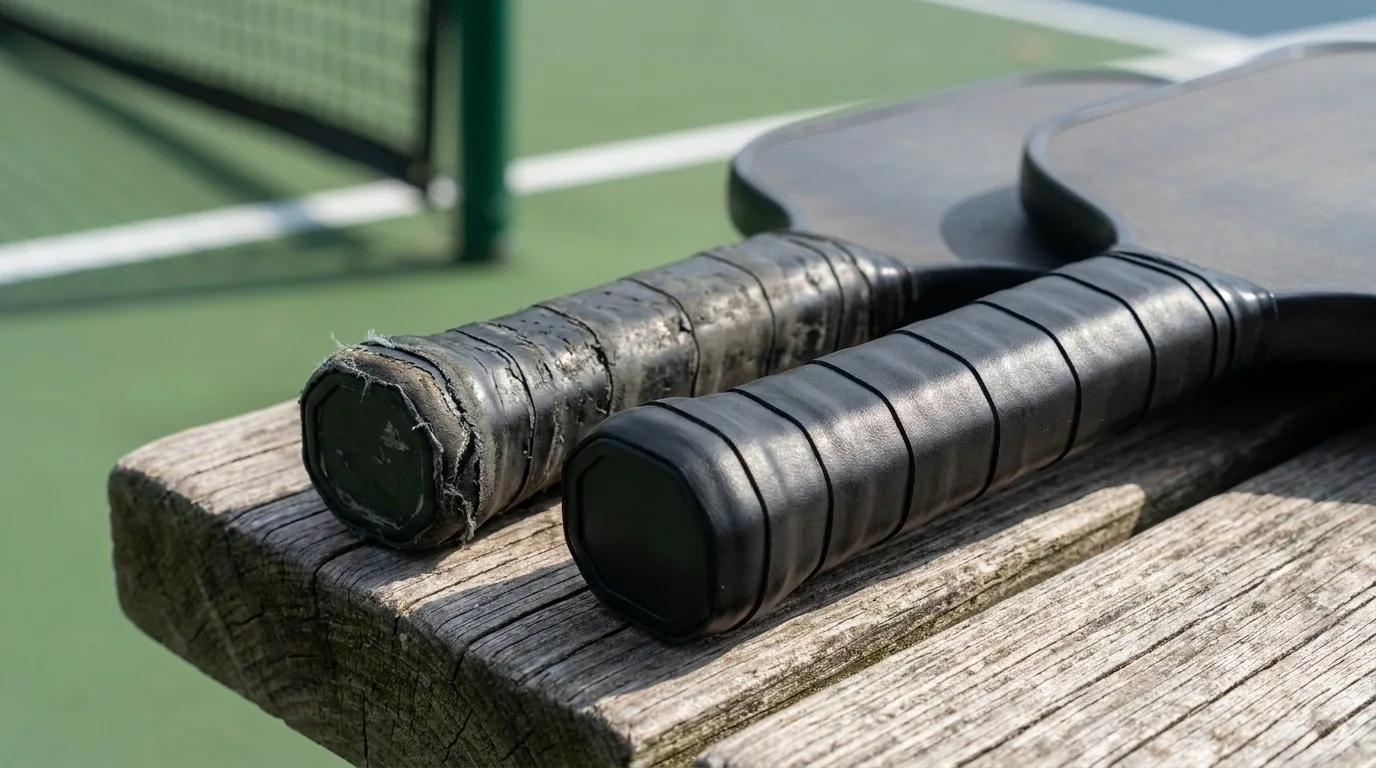
Wipe both faces with a lightly damp, lint-free cloth and let the paddle dry. Under even light, check the hitting surface, frame, edge guard, handle, and butt cap. Look for cracks, chips, lifting layers, or an edge guard that has started to loosen. A scrape alone does not mean the paddle has failed. A crack that grows, exposes the core, or changes the shape needs attention.
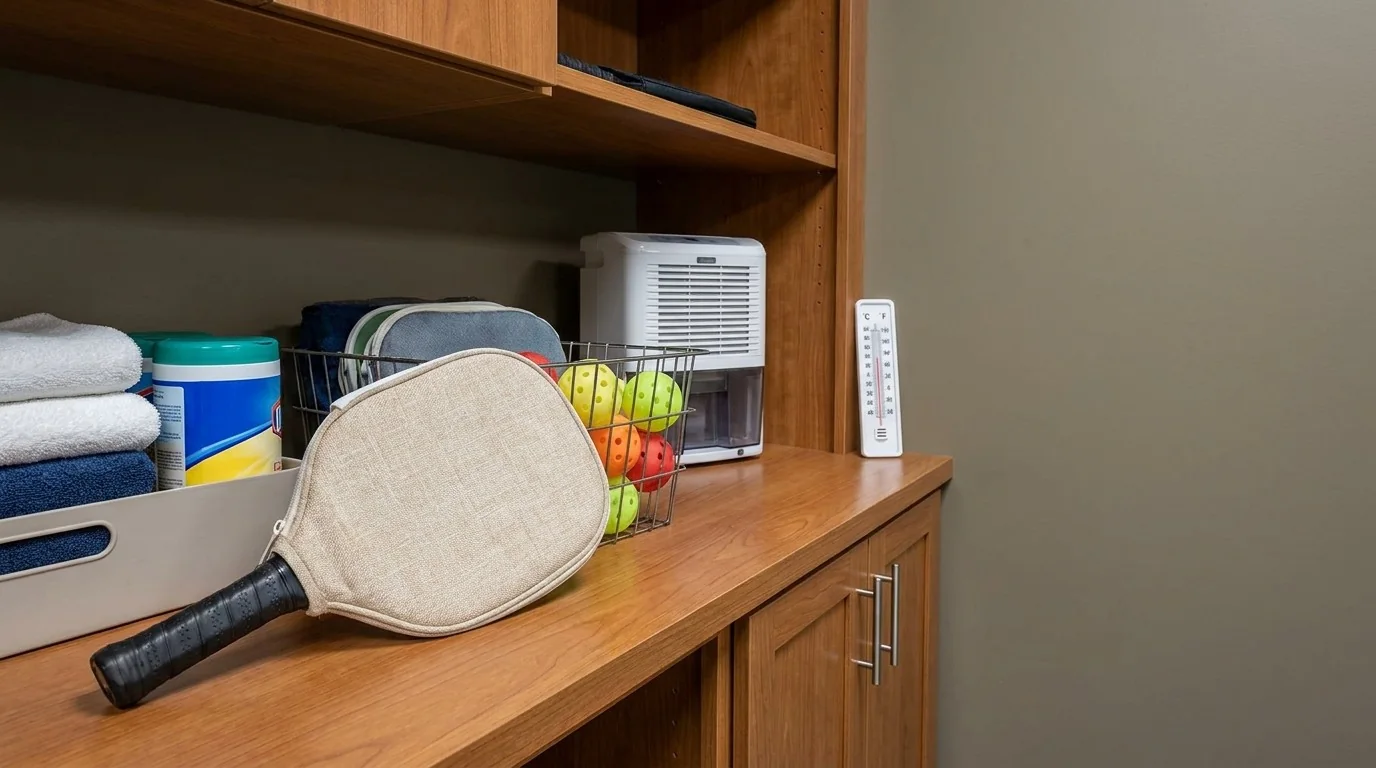
Skip household solvents and aggressive cleaners. Store the paddle away from prolonged heat, freezing conditions, and heavy objects. A hot car or damp storage area can shorten equipment life. A cover helps protect it from knocks while you transport it.
Listen for a change
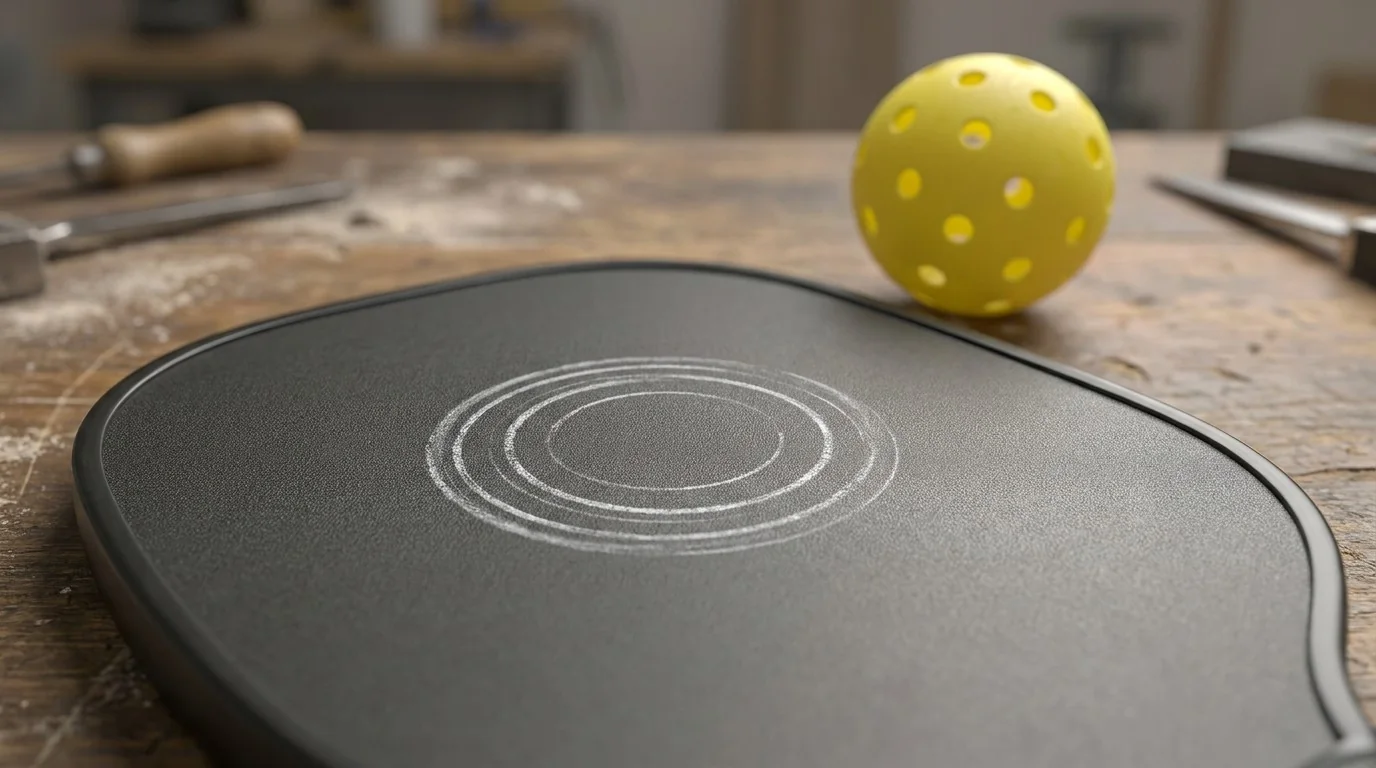
Gently tap several face zones with a fingernail or soft plastic handle, comparing similar areas. A healthy, consistent paddle should give a broadly consistent response. A new dull thud, crunch, rattle, or sharply different sound is a reason to stop and investigate. This comparison can flag a problem, but it cannot identify a particular internal defect by itself.
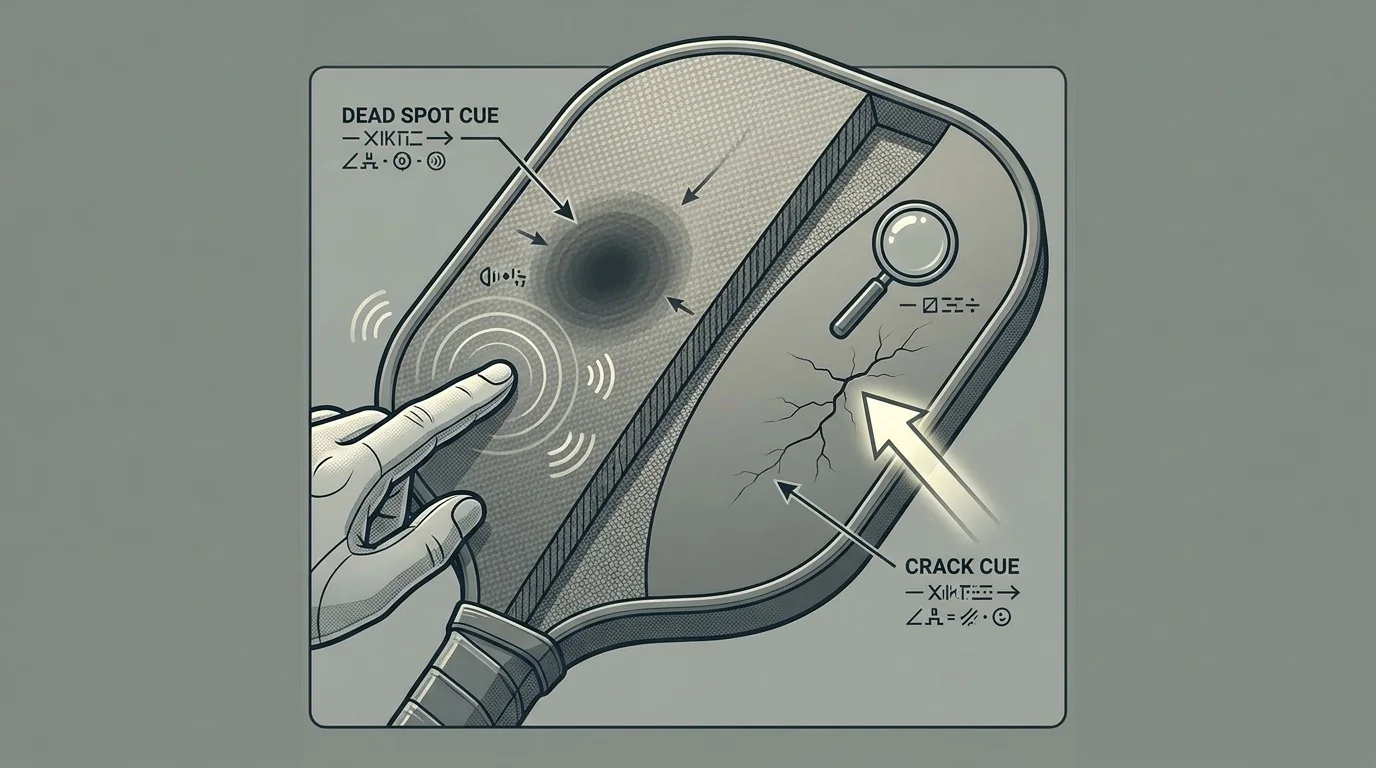
Check for dead spots and soft areas
During cooperative hitting, pay attention to a region that suddenly feels muted, unusually soft, or different from the rest of the face. A change in rebound, strange vibration, or a new sound after an impact can point to internal damage, such as a compromised core or separation between layers. Do not slam the paddle into the ground or bend it to test it. Those actions can cause the damage you are trying to find.
If you see a crack, feel structural movement, hear a persistent rattle, or notice a clear performance change, take the paddle out of play. Contact the manufacturer or seller, and keep purchase details and photos if a warranty assessment might apply. Warranty terms vary. Normal wear, court scrapes, and unauthorized repairs may be treated differently from manufacturing defects.
Use the same pre-play checklist
Before a session, take thirty seconds to ask:
- Is there a new crack or separation on the face or frame?
- Is the edge guard firmly attached and the handle secure?
- Do comparable face zones sound and feel broadly consistent?
- Has the paddle been dropped, hit, or exposed to extreme temperatures?
- Is the grip dry enough to hold without squeezing too hard?
Record the date and take a quick photo when you buy the paddle or notice a change. Comparing its condition with an earlier reference is more useful than trusting memory. Replace the paddle when its structure or response is no longer dependable, and follow the manufacturer’s inspection and warranty instructions.
The routine is straightforward: clean gently, inspect the outside, compare sound and feel, store the paddle sensibly, and stop using it when structural damage is apparent. The point is dependable equipment, not an improvised stress test.