Pickleball Rally Scoring in 2026: What Players Need to Know
A practical guide to distinguishing standard and rally scoring, tracking positions, and making calmer decisions when every rally can change the score.
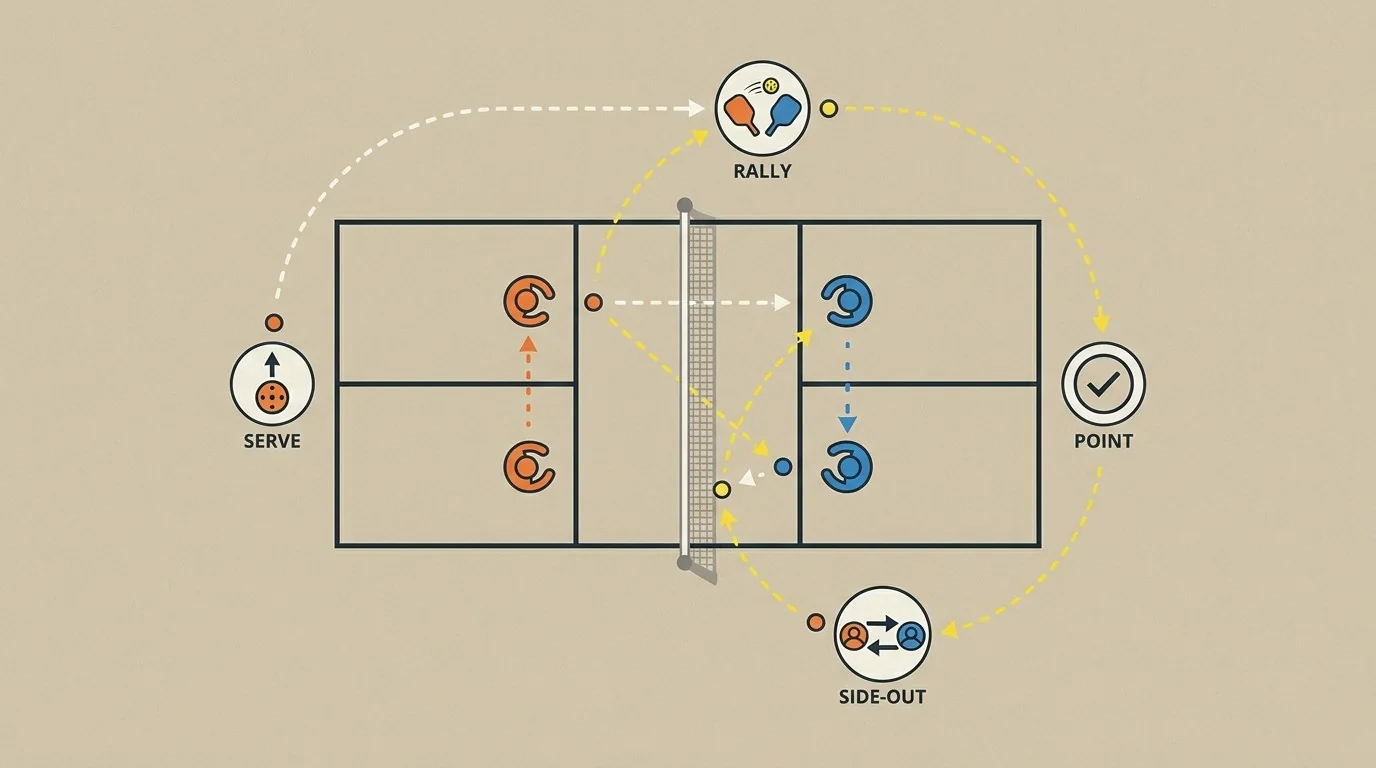
Rally scoring is no longer just a practice-game curiosity. In 2026, USA Pickleball permits it as a provisional tournament option in specified formats, while many recreational games still use traditional side-out scoring. That means the first useful skill is not memorizing one universal system; it is identifying the format before the first serve and adjusting your decisions to match it.
Start by naming the format
Ask the organizer whether the game uses standard scoring or rally scoring. In standard scoring, only the serving side can score. A rally won by the receiving side changes service but does not add a point. In rally scoring, the side that wins the rally normally receives a point, with the tournament rules defining the applicable game-point exception and format.
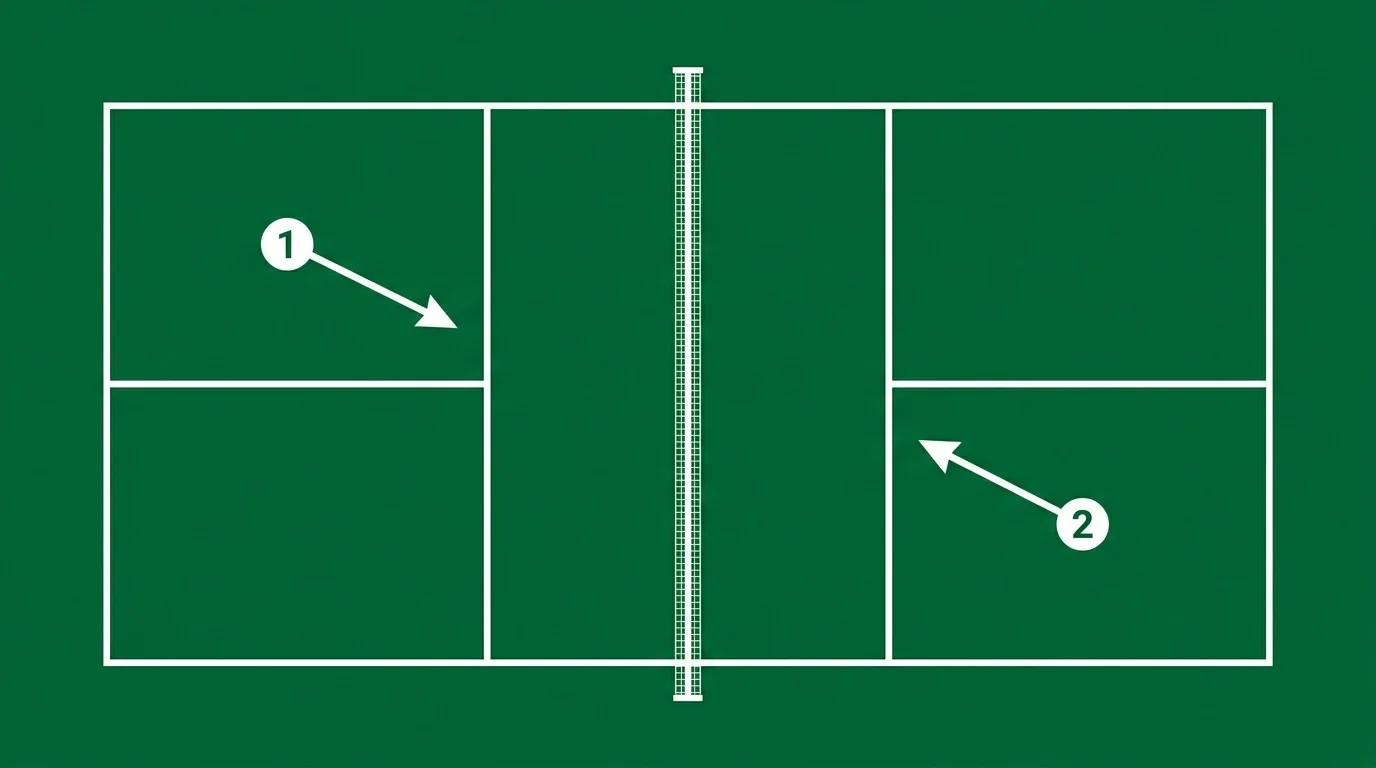
The practical difference appears late in a game. Under rally scoring, a receiver may be able to win the rally and move the score immediately; under standard scoring, the same defensive win may be valuable because it earns the serve without changing the number on the scoreboard. Do not import a rally-scoring assumption into a side-out game, or vice versa.
Before play, confirm three details: the target score, whether the game must be won by two, and whether the event has a special rally-scoring provision. The official rulebook and the tournament director control the format. A club house rule may be perfectly fine for recreation, but it should be announced clearly so both sides make decisions from the same information.
Use the score to organize positions
In singles, the server’s score still determines the serving side in the familiar even-right, odd-left pattern. In doubles rally scoring, the approved format changes the service sequence: one server serves until the team loses the rally, then the opponents receive both the point and the serve. Players still need to know which teammate is the starting server and where that player belongs when the team’s score is even or odd.
A simple between-rally routine prevents most confusion. First, say the score in the format required for the game. Second, check that the correct server is holding the ball. Third, glance at the serving side and receiver. Only then begin the ten-second serving window. If anyone notices a wrong score before the return of serve, stop and correct it; after the return, follow the applicable officiating procedure rather than stopping casually in the middle of the rally.
Make better decisions under rally pressure
Rally scoring rewards disciplined risk management because every exchange can move the score. On a short ball, attack only when your balance and contact height support the shot. On a low ball, choose a reset or controlled dink instead of donating a fast error. When serving, prioritize a repeatable target and enough margin over the lines; a spectacular ace is worth no more than a routine point, while a service fault gives away the rally immediately.
At game point, slow your internal clock. Call the score, name your first target, and commit to the highest-percentage opening. Receiving players should treat game point as an opportunity to apply pressure, not as permission to swing harder than usual. The rules determine whether the receiver can finish the game in that format, so learn the local provision before the match begins.
A 12-minute practice drill
Play four minutes with traditional scoring and four with rally scoring, starting each game at 7–7. After every rally, the server must announce the score and both players point to the correct serving side. In the final four minutes, allow one player to call a deliberate timeout between rallies and ask the partner to explain who serves, where they stand, and what the score means. Rotate roles.
Track two things rather than only wins: incorrect position calls and rushed choices at 9–9 or later. The goal is a calm repeatable routine. When the format changes, your stroke mechanics do not need to change; your scoreboard awareness and risk decision do.