Pickleball Return Depth: How to Buy Time
Learn pickleball return depth with target zones, contact height, footwork, recovery choices, and simple drills that measure consistency without chasing power.
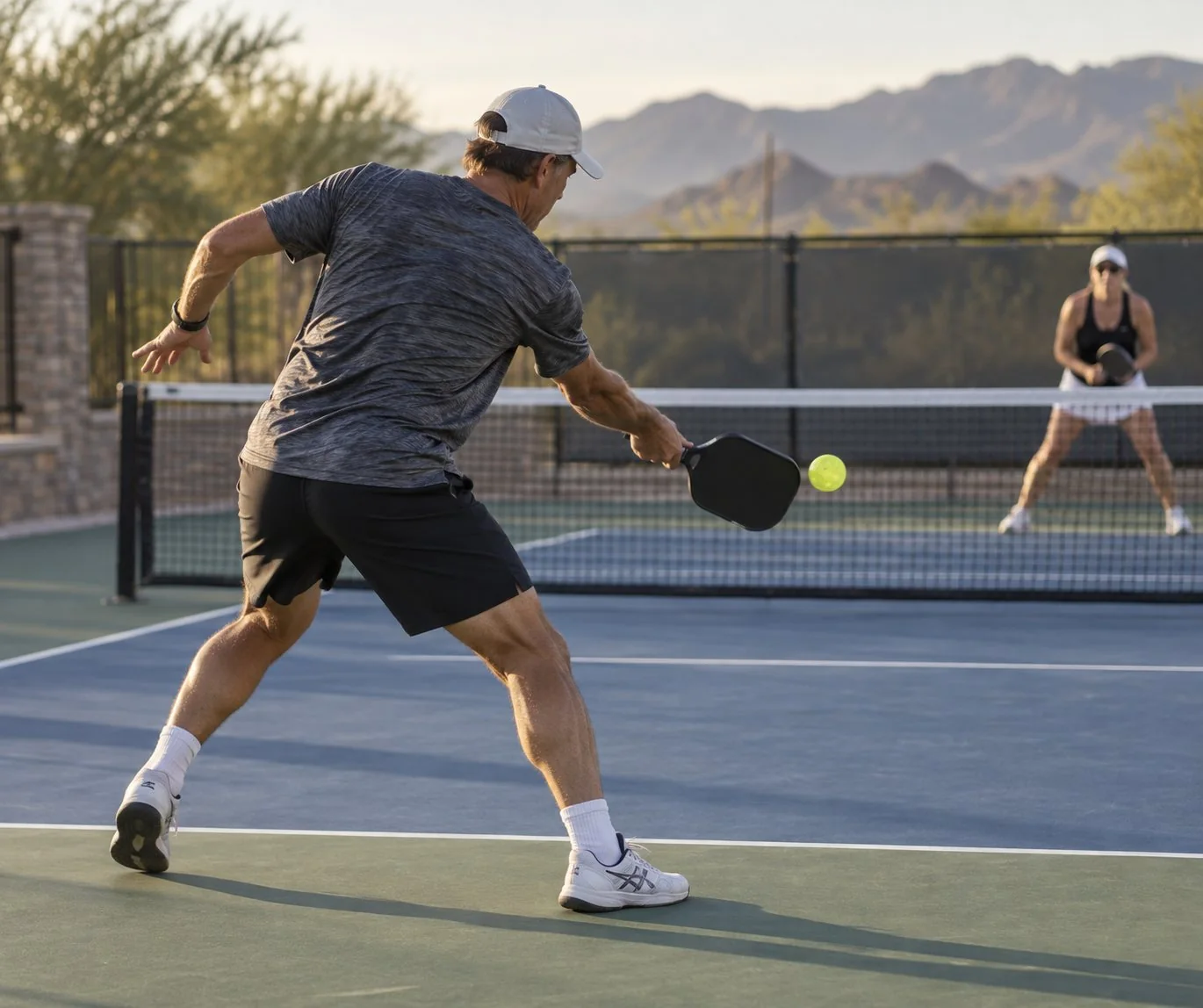
A pickleball return depth gives you time to move forward before the serving team can attack. The best return isn’t simply the hardest one; it lands deep, clears the net with margin, and leaves you balanced enough to approach the kitchen line.
Why does return depth matter?
A short return lets the server reach the kitchen sooner. A deep return makes the third shot more difficult because the server must hit from farther back, often after moving forward. Depth also changes the opponent’s contact height and reduces the angles available on the next ball.
Treat depth as a decision, not a slogan. If the incoming serve is low and fast, a controlled crosscourt return may be safer than a flat drive. If the serve sits high, you can use more pace while keeping the ball inside a generous target.
How deep should a pickleball return go?
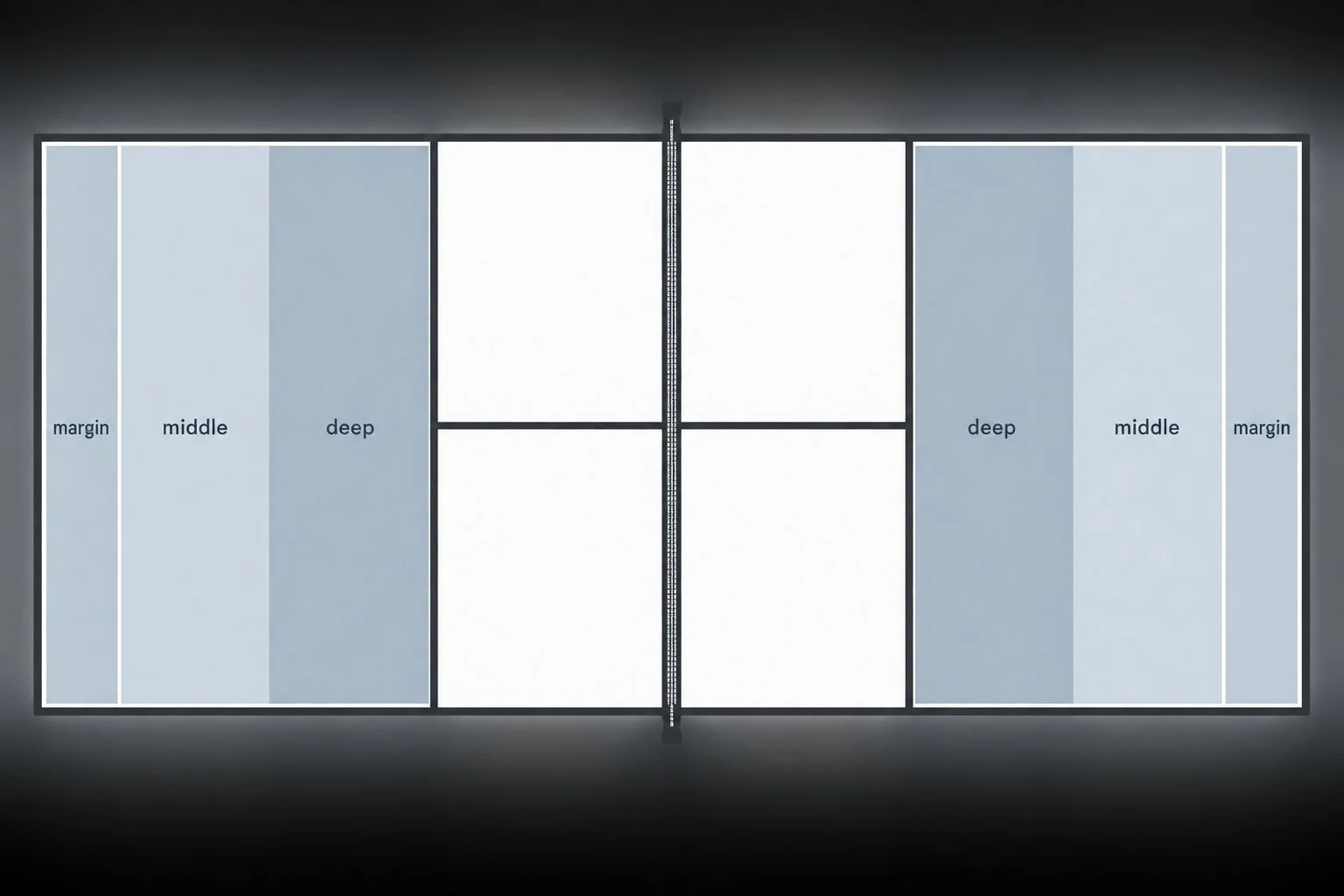
Aim several feet inside the baseline rather than painting the line. A practical training target is the back third of the service box, with extra room from the sideline. The exact landing area changes with the opponent’s position, wind, and your own recovery path.
Measure it. Hit 20 returns and count those landing in your chosen deep zone. If 13 qualify, the result is 13 ÷ 20 = 65%. Record short balls separately. A 65% practice rate is a training observation, not a match guarantee, but it tells you whether a technical change is helping.
Contact height matters. When the ball rises into a comfortable window, extend through the target without an oversized backswing. Keep the paddle face stable and let the shoulder and trunk support the stroke. A huge swing often sacrifices recovery time for a small increase in speed.
What footwork follows the return?
Recover after contact instead of watching the ball. Use small adjustment steps, then move forward while the ball travels. Split-step before the opponent hits so you can respond to a drive, drop, or lob. Running through the shot leaves your weight moving forward and makes the next ball harder to handle.
Crosscourt returns offer more distance and a lower net path near the middle, while down-the-line returns can surprise a player who cheats inward but leave less margin. Choose the direction that preserves your next position, not just the direction that looks aggressive.
Which return drills build consistency?
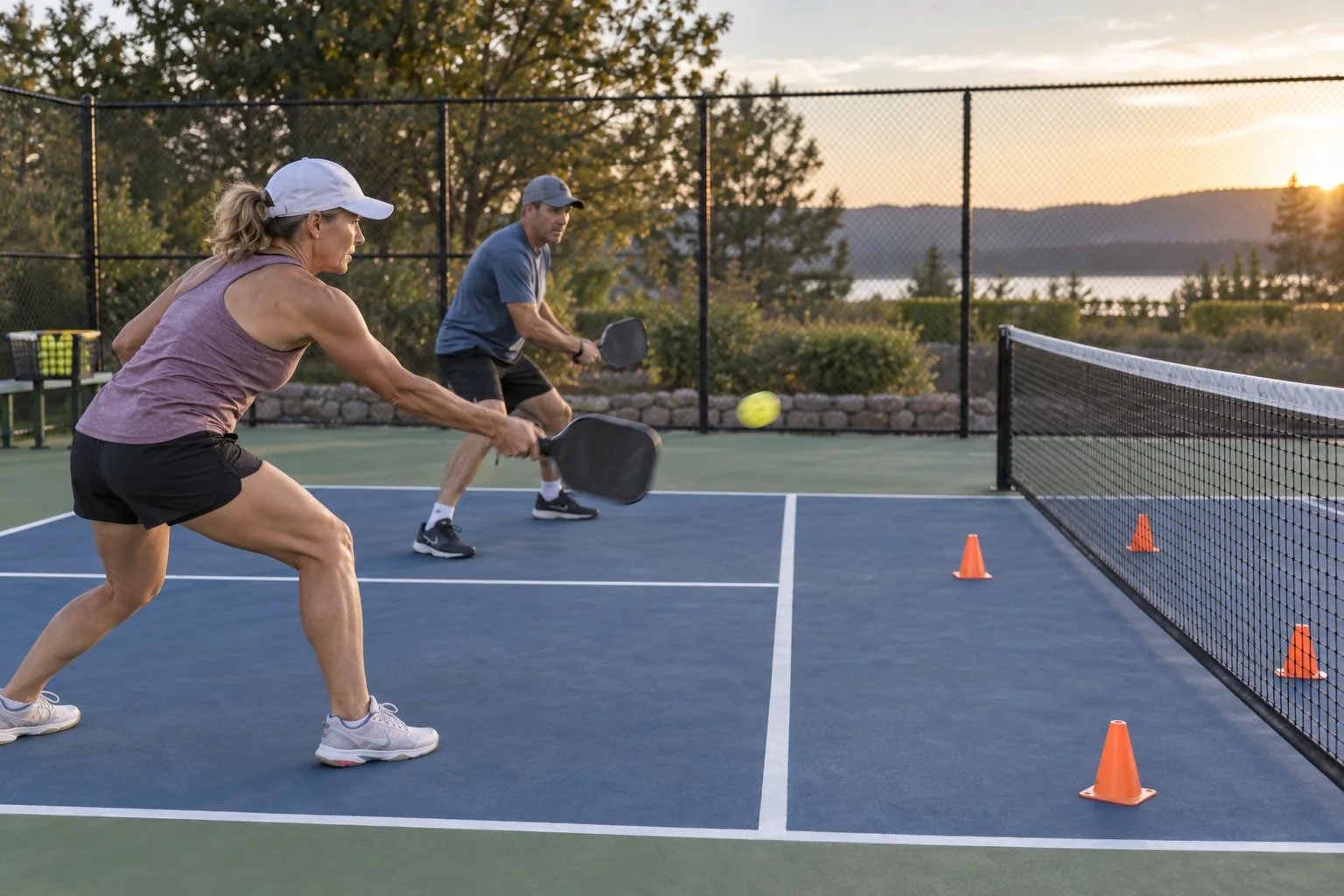
Place two cones in a deep target zone. Hit 10 forehand returns and 10 backhand returns, counting both depth and whether the ball stayed in. If 8 forehands and 6 backhands qualify, compare 80% with 60% before changing your grip or swing.
Add movement next. Start one step outside your normal return position, recover toward the middle, and repeat. Have a partner vary the serve depth without announcing it. The purpose is to connect reading, contact, and recovery rather than rehearse a perfect feed.
Common return mistakes
Aiming at the baseline creates unnecessary errors. Contacting behind the body produces a floating ball or a late pull across the court. Standing still after impact gives away the time your deep return created.
Use a simple cue: clear the net, land deep, move forward, split-step. Keep the cue short during games. Review your numbers after practice, and change one variable at a time so you can tell whether the adjustment actually improved the return.