Pickleball Serve Plus One: Build the Next Ball Before You Hit It
A practical guide to the pickleball serve-plus-one pattern: use a purposeful serve, read the return, choose the right next ball, and move with balance.
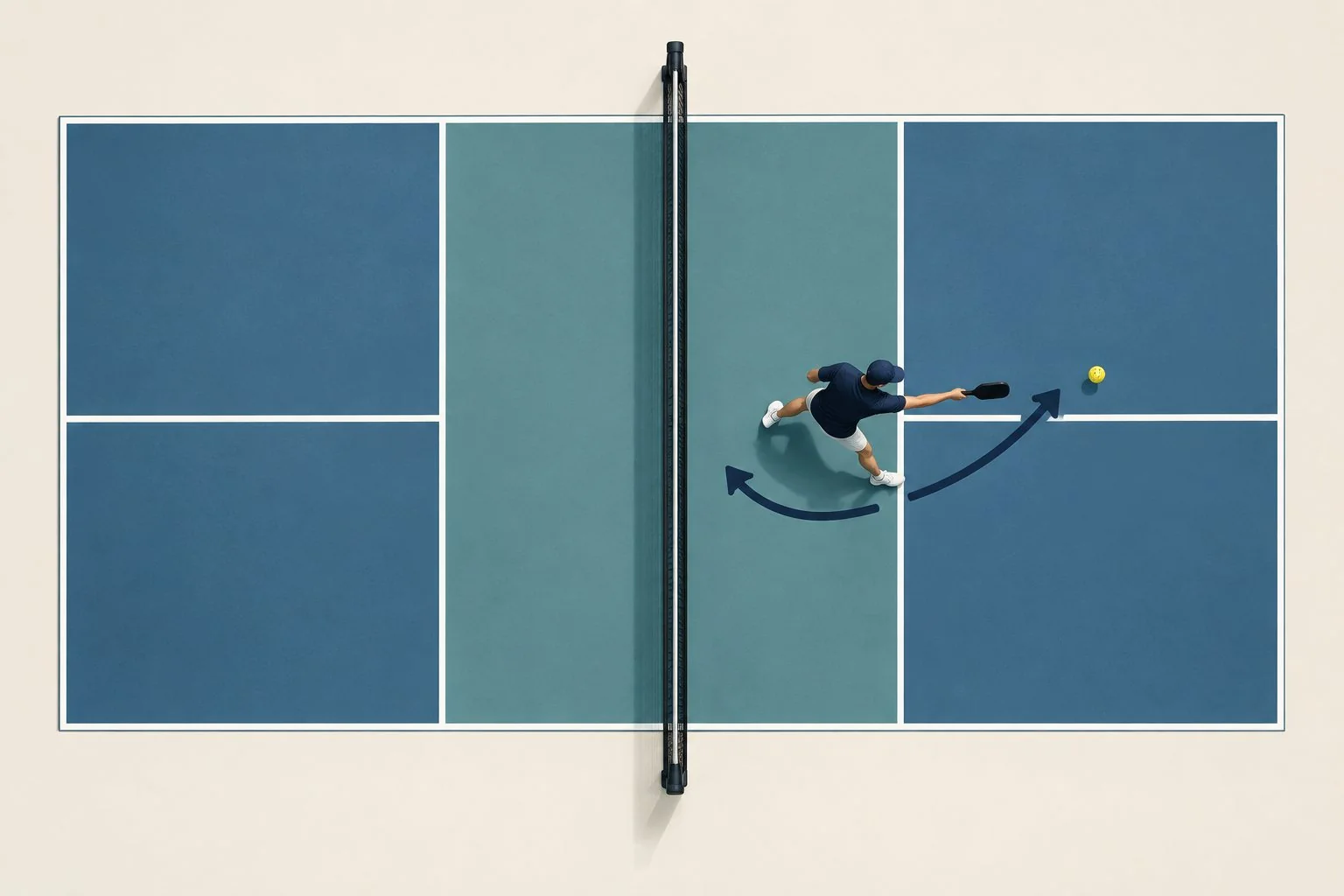
The pickleball serve plus one is a rally pattern: serve, read the return, play the next ball with a purpose, and move only when the shot gives you time. It is not a single magic serve or an instruction to attack every return. The useful question is what your serve is likely to create and how you will respond without losing balance.
Start with a serve that creates a readable return
Use a legal serve with a clear intention. Depth can push the receiver back, while a well-placed serve can make the return travel from an uncomfortable contact point. Do not chase maximum speed if it destroys placement. A repeatable serve gives you better information than an occasional fast one.
Before serving, choose a simple expectation: where might the return come from, and which next ball do you trust? In doubles, tell your partner the broad plan. A short call such as “drive if it sits up” is enough. The goal is shared movement, not a long conversation during the point.
Read the return before choosing the next shot
After the return bounces, read three things: depth, height, and your own position. A deep return may leave you near the baseline and make a controlled drop or a measured drive sensible. A shorter ball gives you more time and a better contact point, but only attack if the ball is high enough to clear the net with margin.
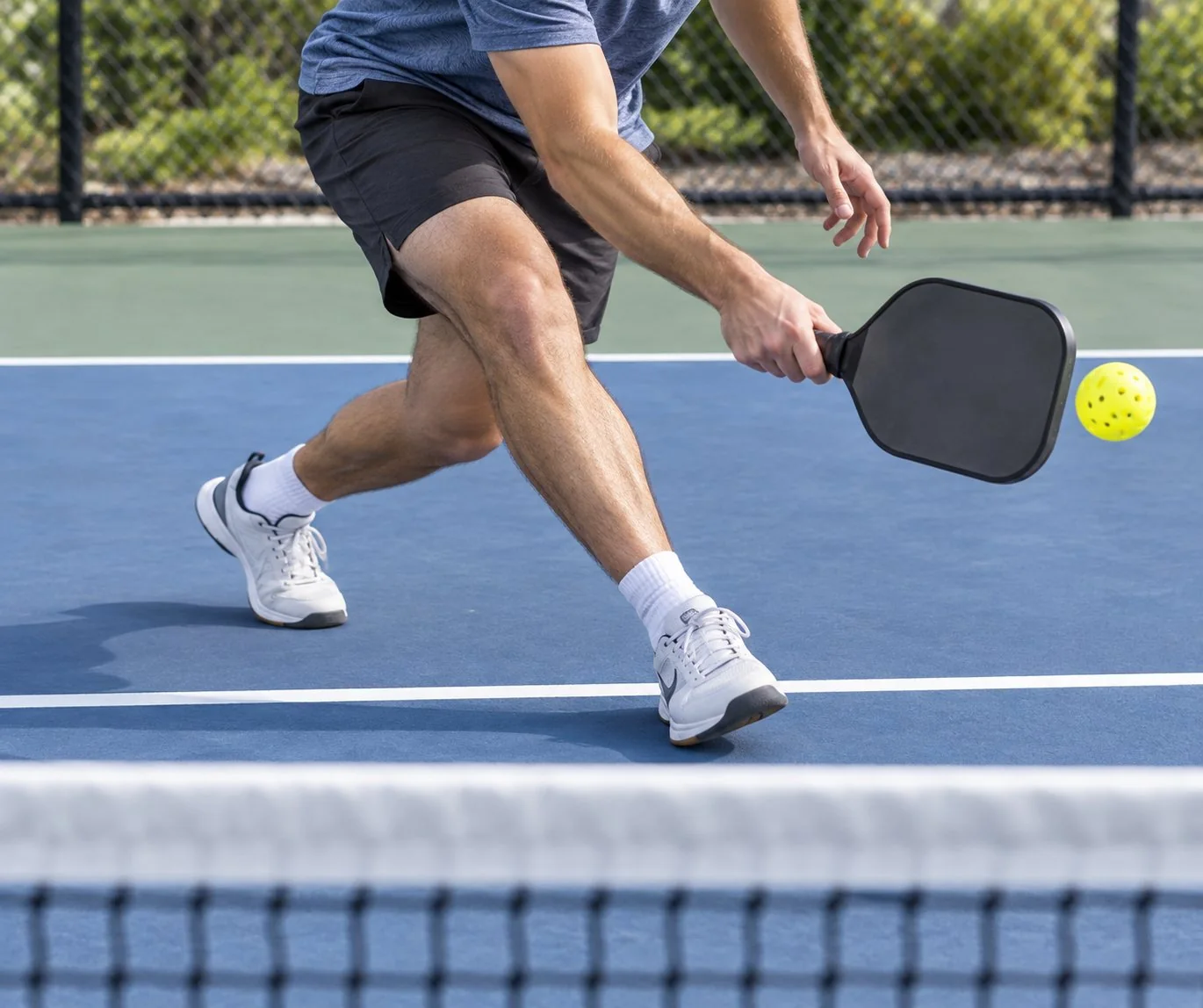
If the ball is below net height, do not force a flat swing because it looks attackable from a distance. Use a compact motion, keep the ball low, and choose a target that gives you time to recover. If the ball rises into a comfortable strike zone, a controlled drive can pressure the opponent and set up your next shot. Pace is useful when it produces a predictable block, not when it simply gives away an error.
Keep your feet active through contact. Set behind the ball when possible, then finish in a stance that can respond to the fourth ball. Moving forward blindly after the shot is a common mistake. Advance behind a ball that makes the opponent lift or defend; pause and protect yourself when your shot is high or uncertain.
Turn the pattern into a repeatable practice
Start with serves to a chosen deep target. Have a partner return to realistic zones, alternating deep and short balls. Call your decision before the return: drop, drive, or control. Then play the next shot at moderate pace and freeze after contact. Check whether your paddle is ready, your weight is balanced, and your recovery position is useful.
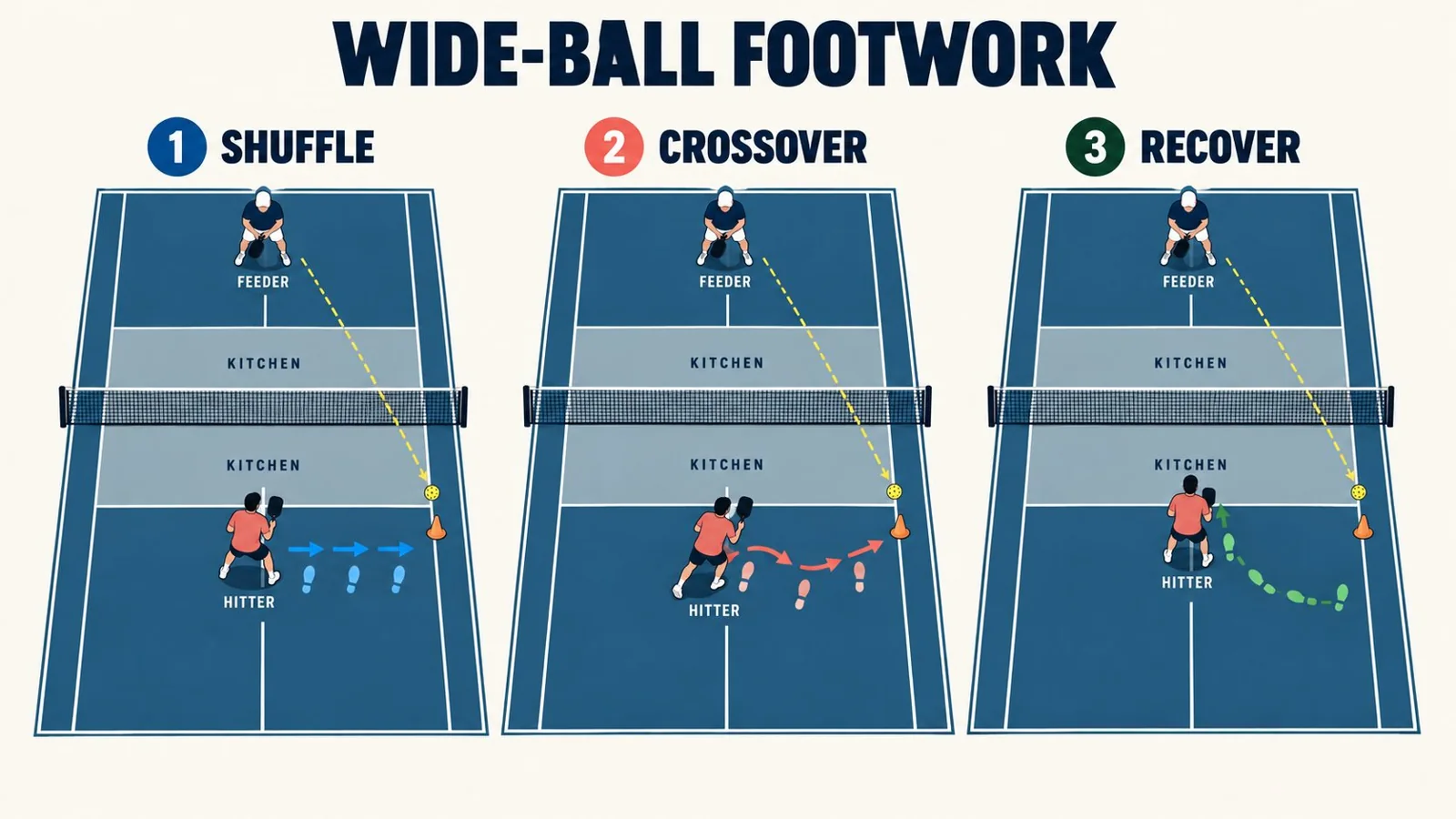
Progress to live points in which the serving team earns a quality repetition only when the serve, next-ball decision, and recovery all meet the plan. Track decisions rather than winners. Did you recognise a low ball? Did you avoid overhitting? Did you move behind a playable shot? These questions build match skill faster than celebrating one spectacular drive.
Common errors include serving without a plan, deciding too late, swinging at a low ball, and running forward while watching the shot. Slow the sequence down in practice. Serve with margin, read the bounce, make a compact contact, and let the ball—not impatience—tell you when to advance. With repetition, the serve-plus-one pattern turns the first exchange from guesswork into a manageable next-ball decision.