Pickleball Service Motion Rules: What Counts as Legal
Understand pickleball service motion rules: legal contact, paddle position, feet, release, and simple examples for checking a serve before a match.
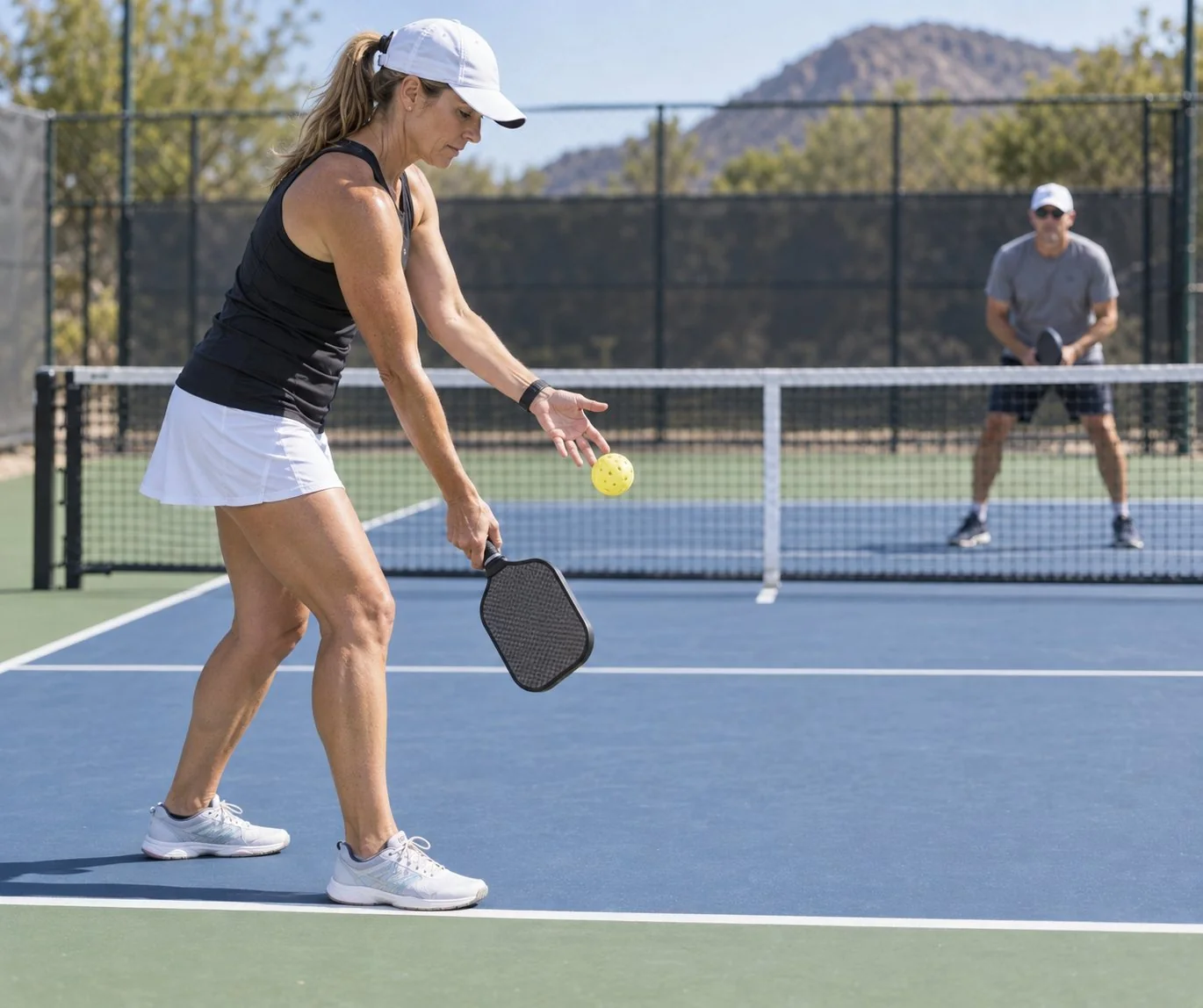
Pickleball service motion rules focus on how the ball is released, contacted, and directed, as well as where the server’s feet are positioned. A legal serve still needs to land in the correct diagonal service court. The safest habit is to make the motion repeatable rather than adding extra spin or a dramatic swing.
What makes a pickleball serve legal?
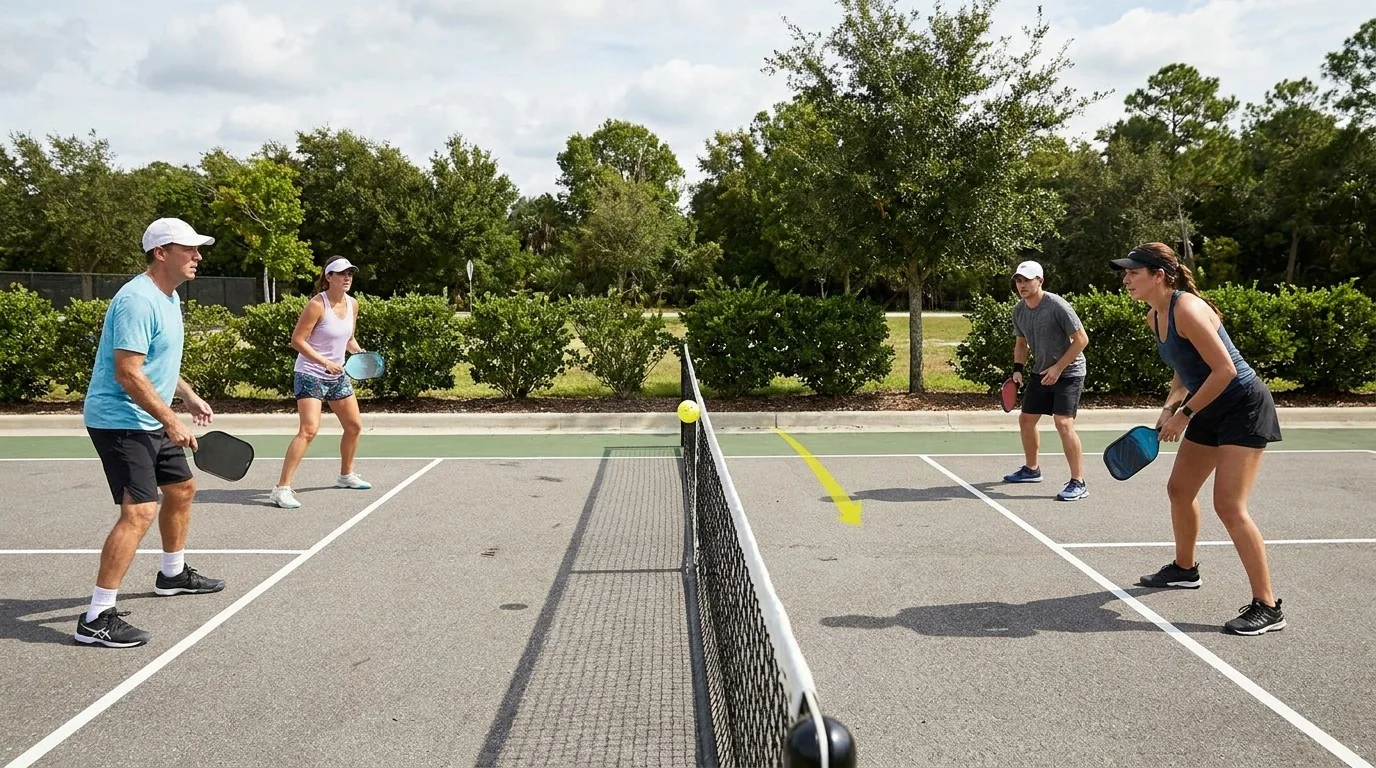
Before serving, establish a balanced stance behind the baseline and send the ball diagonally across the net. The contact must follow the rule set used for your event, so players should check the current tournament rules when a specific format matters. Recreational groups should agree on the standard before play begins.
The server must release the ball in a way that allows a clear strike; hiding the release or carrying the ball through contact makes the action difficult to judge. Keep the paddle and hand movement simple. A serve that looks unusual is not automatically illegal, but uncertainty is a reason to pause and clarify the applicable rule.
Where should the feet be?
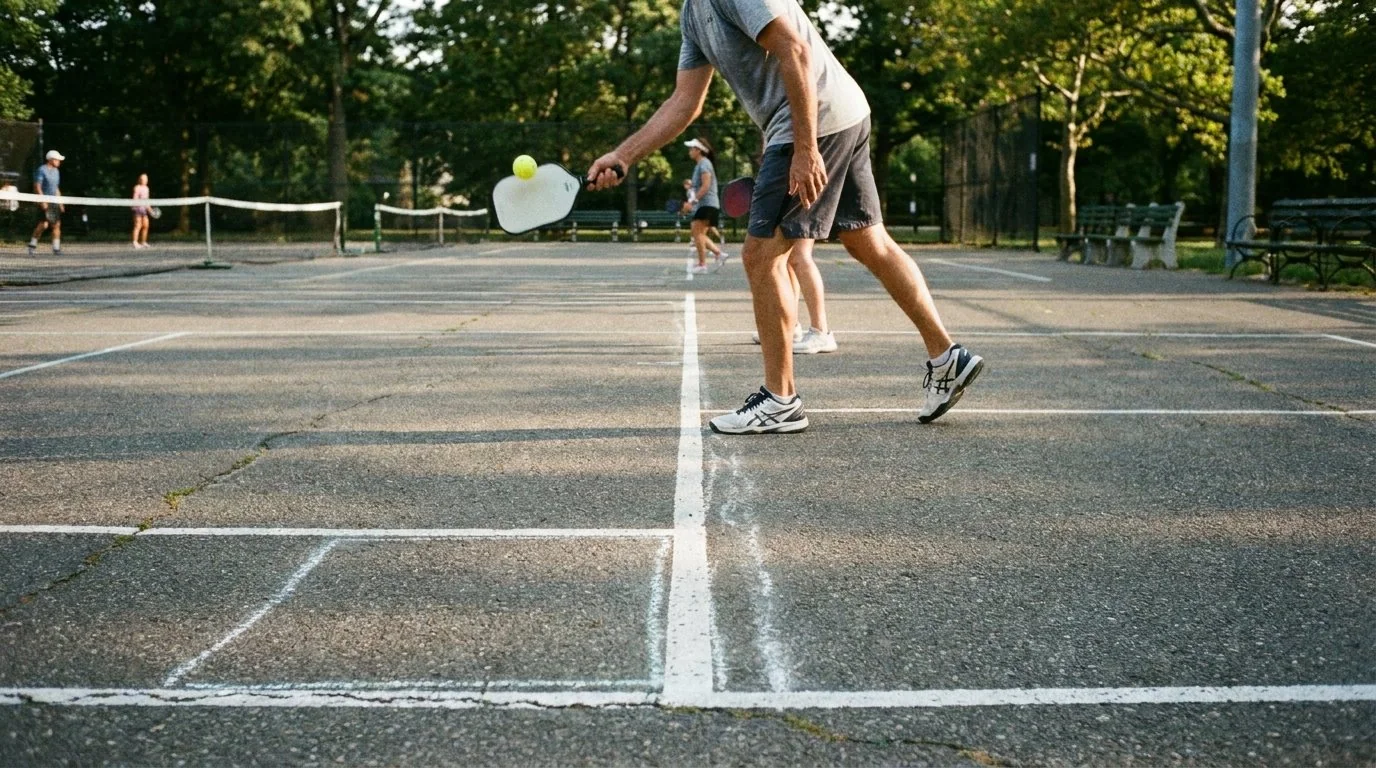
Both feet must remain behind the baseline and within the extension of the correct service area until contact, according to the governing rules being used. A toe brushing the line can create a foot fault even when the ball lands perfectly. Check the feet first during practice because players often watch the paddle and forget the baseline.
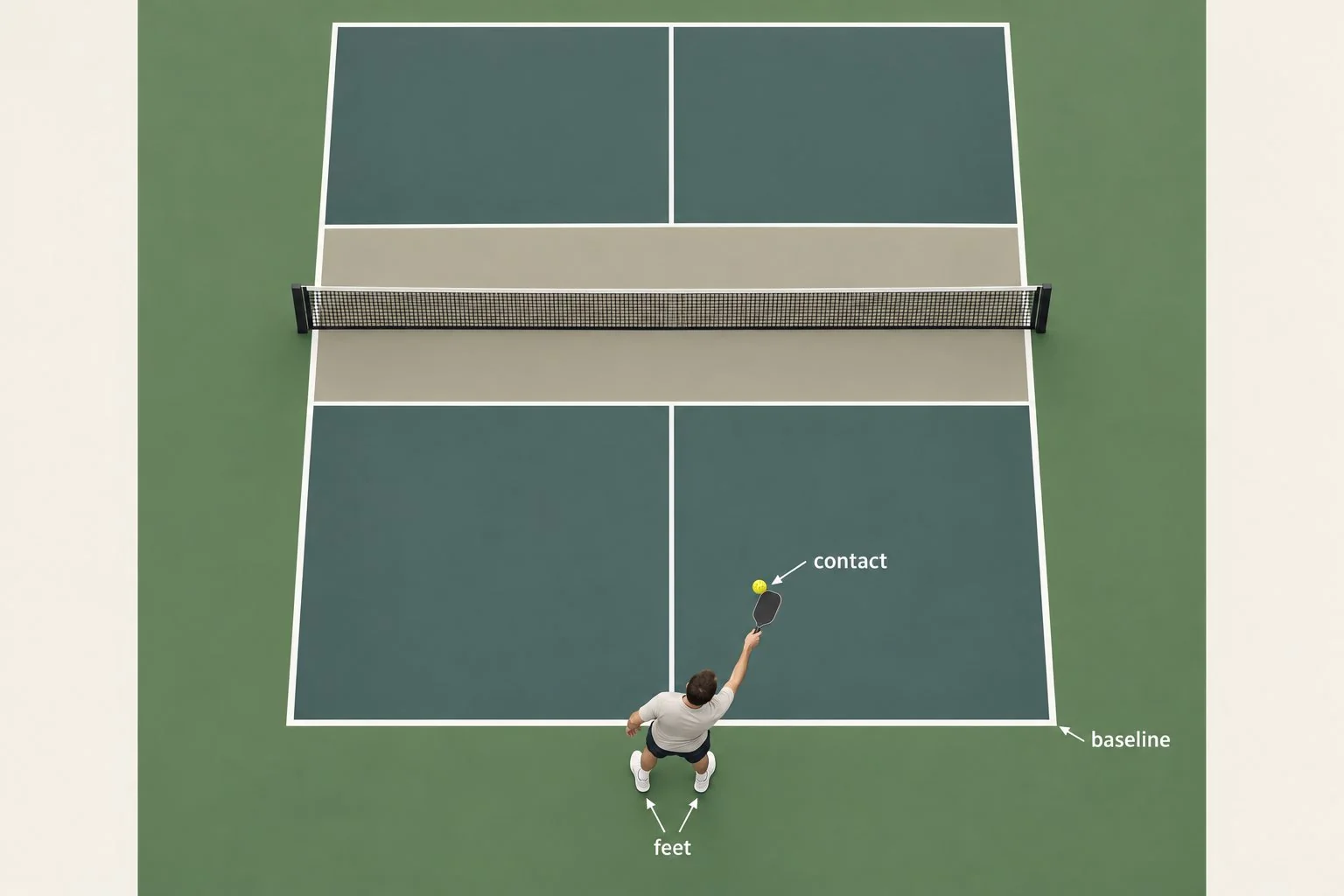
Use a practical example. Mark a baseline and serve 20 balls while a partner watches only your feet. If two contacts occur with a toe on or beyond the line, the observed practice result is 18 legal positions out of 20, or 90%. That is a training observation, not an official ruling or a prediction of match performance.
How should contact and direction be checked?
Stand far enough behind the baseline to leave a small recovery margin. Contact the ball in front of the body and finish toward the diagonal target. A serve that clips the net or lands outside the service court is a fault even if the motion itself looked clean.
Do not argue from memory when a close call occurs. Stop the sequence, identify the rule set, and agree on the next decision. In tournament play, the referee or official procedure controls; in casual play, a calm replay or correction may preserve the session.
Which drills reveal service faults?
Run three short checks. First, have a partner watch the feet for 10 serves. Second, watch the release and contact for another 10. Third, mark the landing court and count valid targets. If your counts are 9, 8, and 7, record them separately as 90%, 80%, and 70%. Changing one part of the motion at a time makes the numbers useful.

Next, serve after a short pause and use the same setup each time. Practice both service sides, because the non-dominant side can change your foot position. Stop if pain alters the motion.
Legal-serve checklist
Confirm the rule set. Start behind the baseline. Release clearly. Contact without stepping on the line. Aim diagonally and check the landing court. When a match official is present, follow that official’s decision.