Pickleball Sweet Spot: How to Find It
Learn where the pickleball sweet spot sits, how contact changes feel and control, and which simple drills help you find it under pressure.
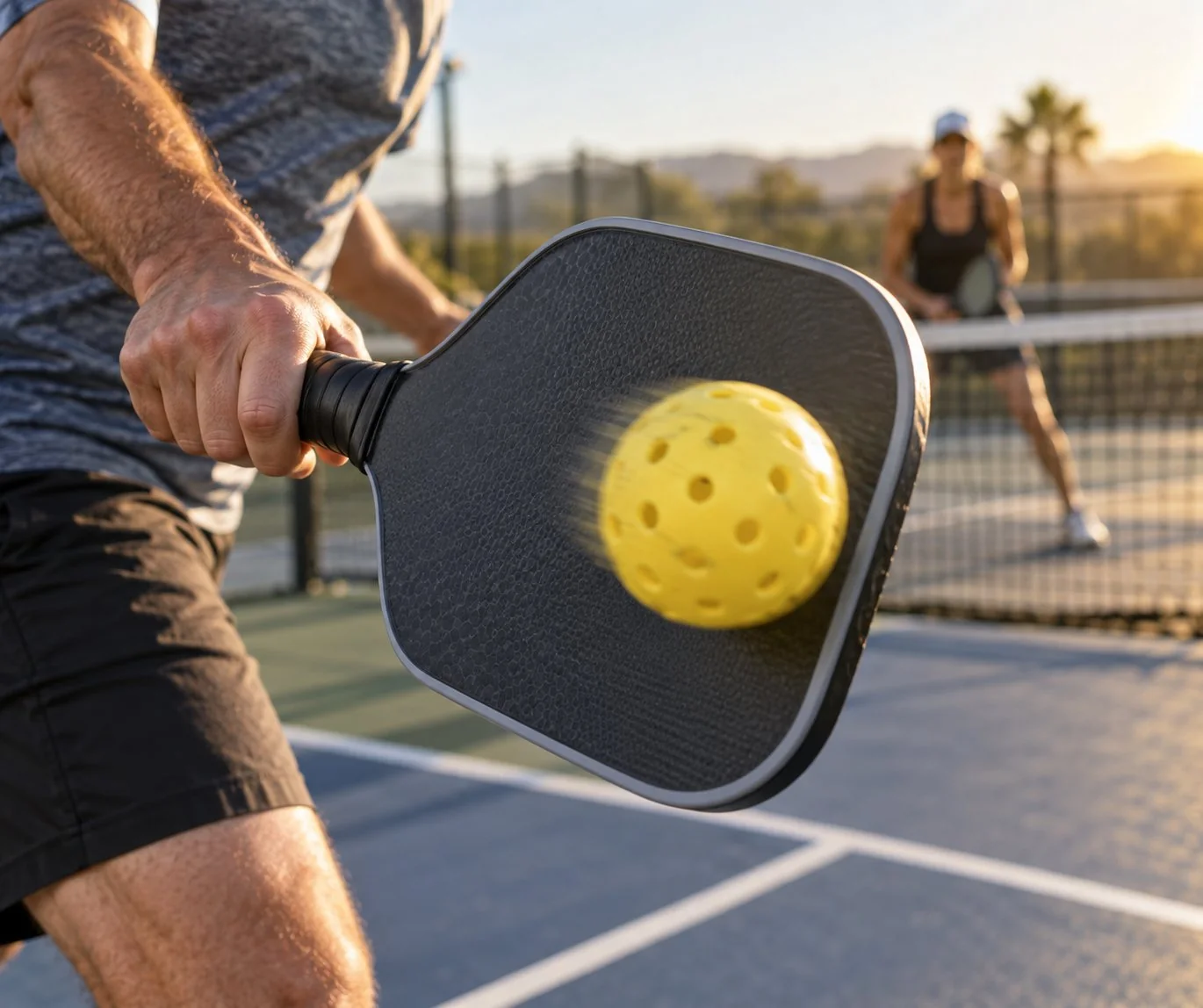
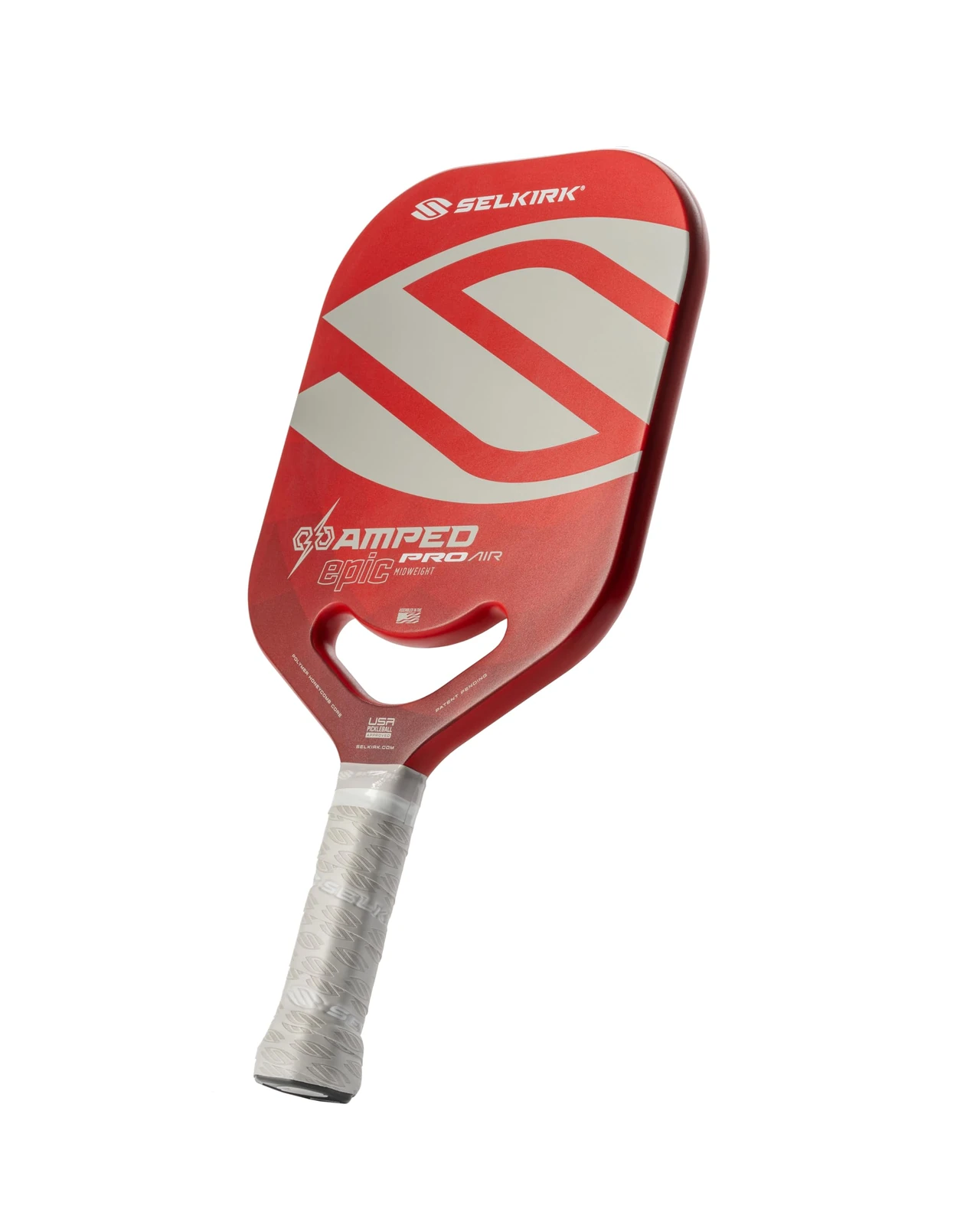
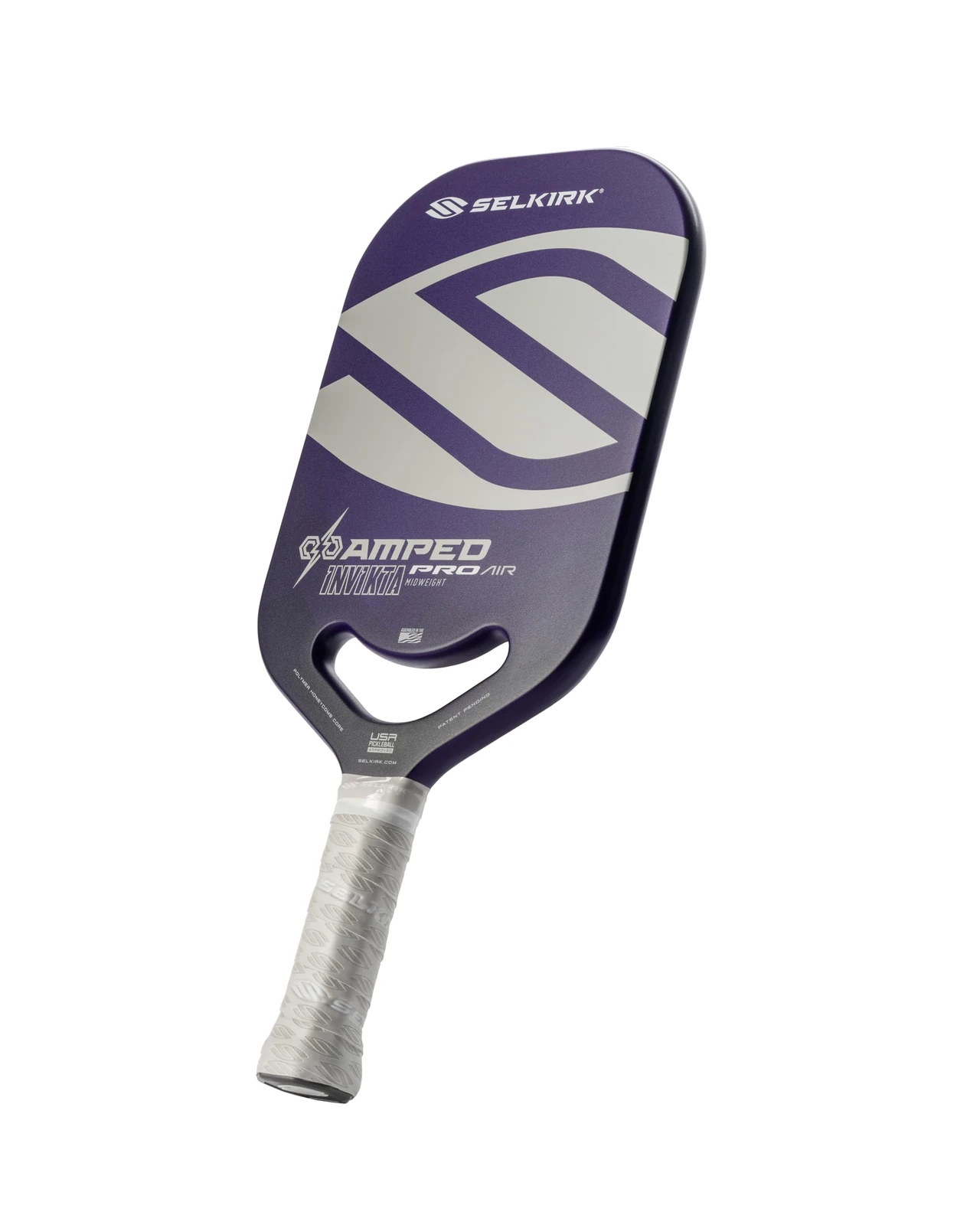
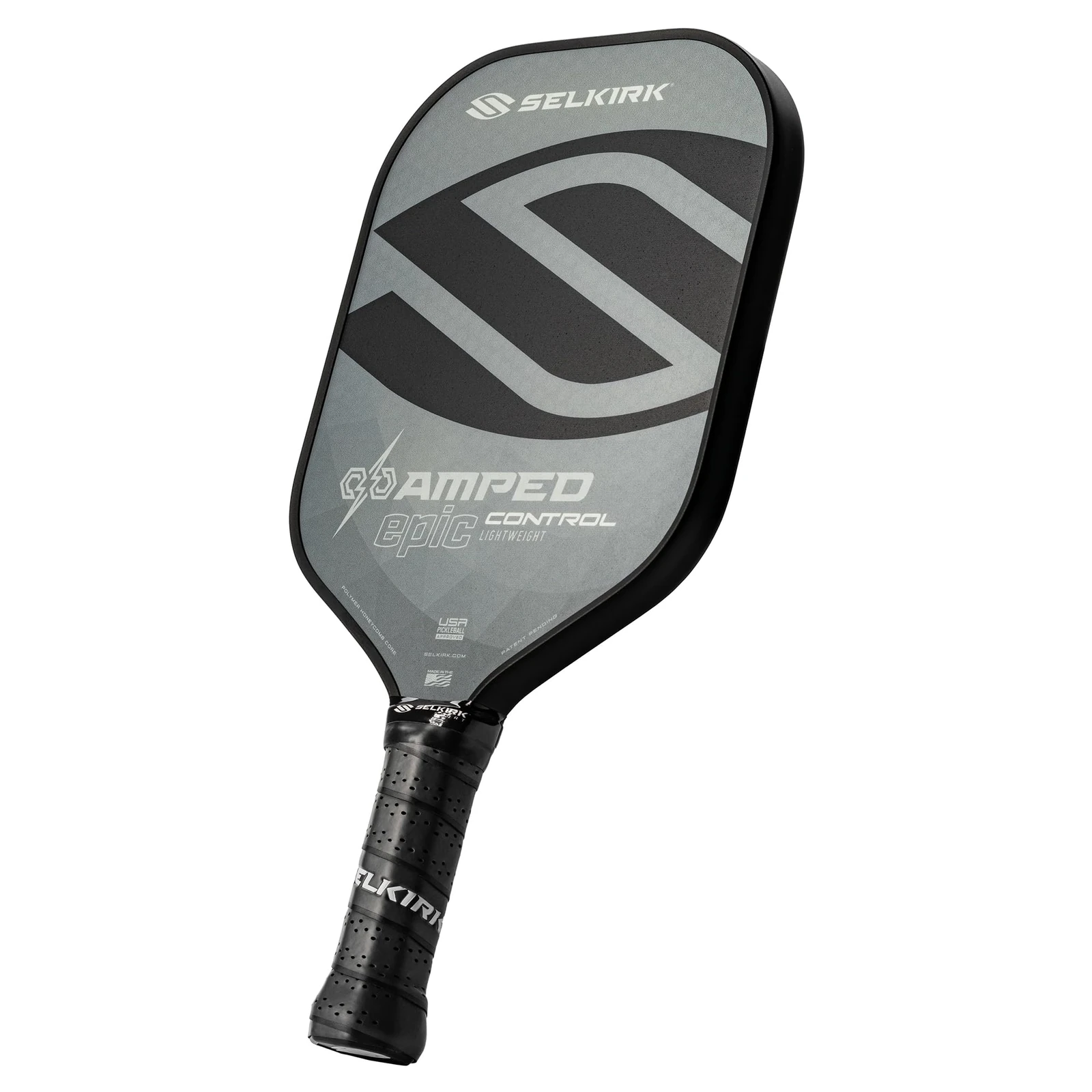
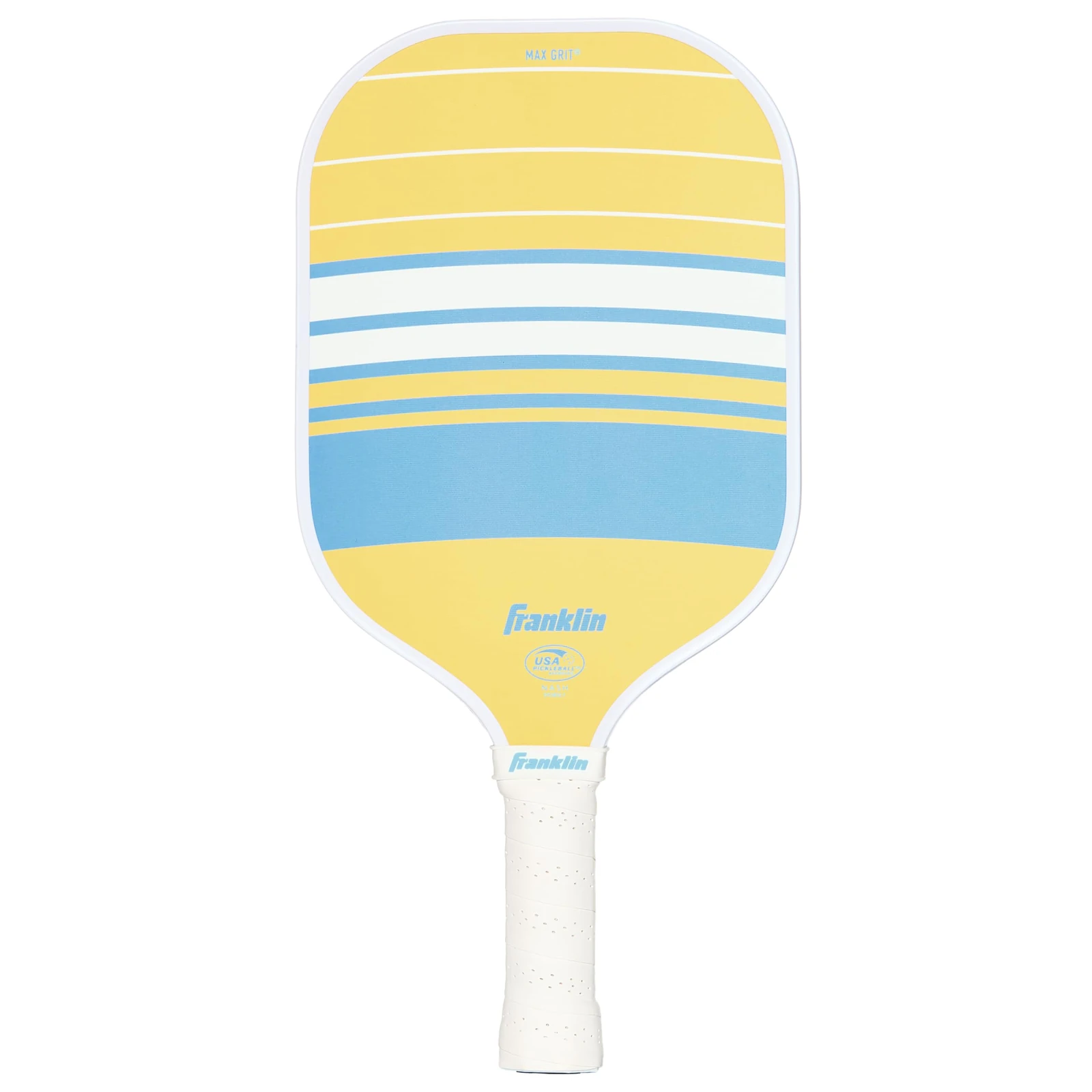
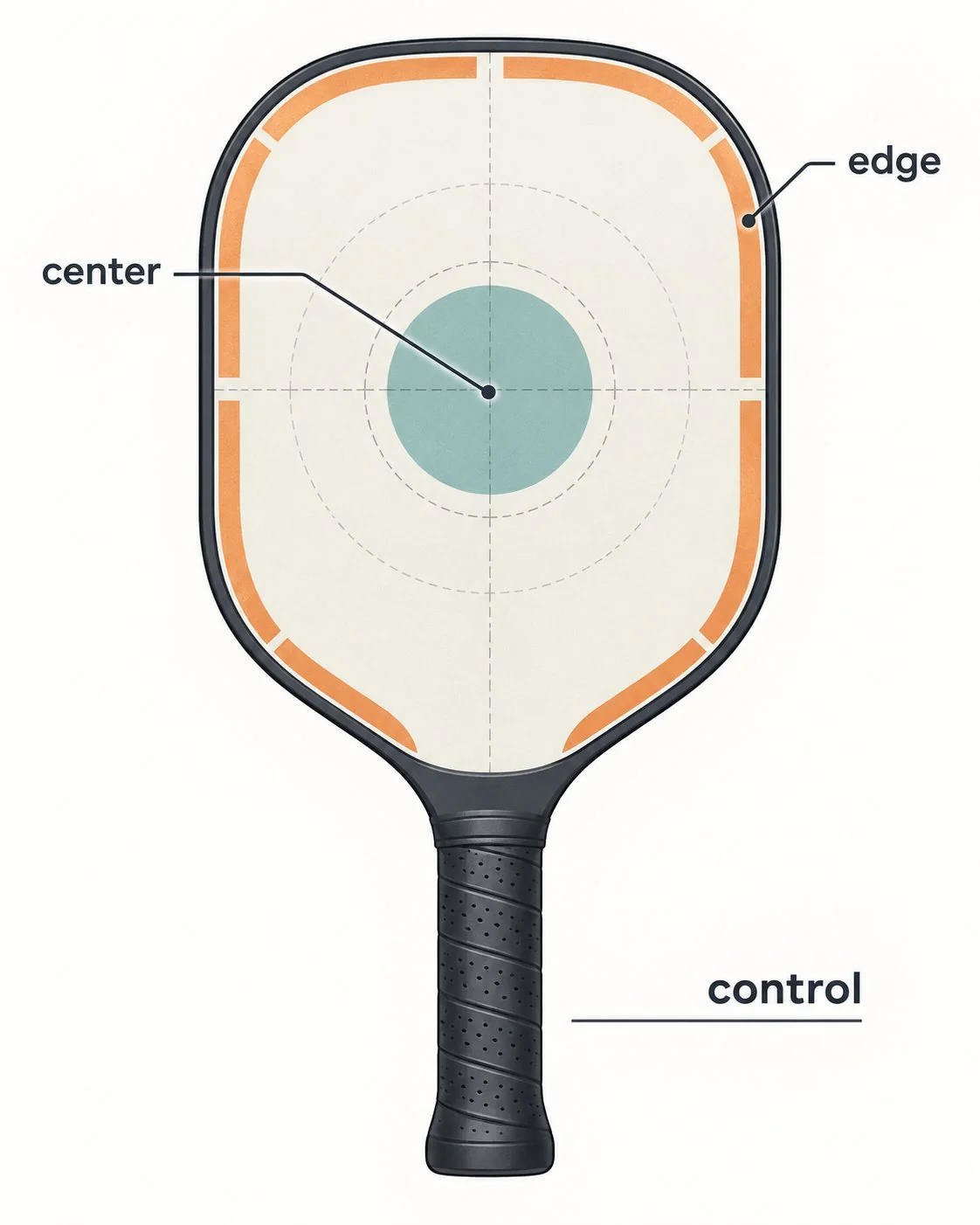
The pickleball sweet spot is the part of the paddle face that gives you a more stable, predictable response when contact is clean. It is not a painted guarantee, and its size varies with paddle construction, shape, and impact. Your task is to learn where your own paddle feels most controlled.
What does the sweet spot feel like?
A centered contact usually produces less vibration and a clearer response than a hit near the edge. That does not mean every off-center ball is lost. A compact block can still work when you meet the ball early and keep the face stable.
Use the sweet spot as a practice reference, not as a promise of extra power. A paddle with a large forgiving area may feel steadier on defensive shots, while a narrower or elongated face may reward more accurate spacing. Compare feel only after matching ball, court, and swing.
Where should you contact the ball?
Keep the ball in front of your body and create room with small adjustment steps. Reaching at full extension often moves contact toward the edge. For a dink, the center of the face need not be perfect, but the face angle and soft hands must remain repeatable.
A simple training example uses 20 controlled blocks. If 14 feel stable and travel to the intended target, the session rate is 14 ÷ 20 = 70%. After moving your preparation slightly earlier, suppose 16 of 20 feel stable: 80%. This is a practice observation, not a laboratory rating or match guarantee.
How can you find your paddle’s contact zone?
Start with gentle feeds from a partner. Hit ten balls to the middle target, then ten to the backhand target. Do not chase pace. Notice vibration, sound, launch angle, and whether the ball leaves on the intended line. Mark tendencies in a notebook rather than trying to judge every shot emotionally.
A useful cue is “move first, swing second.” Get the body behind the ball before changing the paddle angle. If you are late, a harder swing rarely fixes the contact point; it usually adds another variable.
Which drills improve contact consistency?
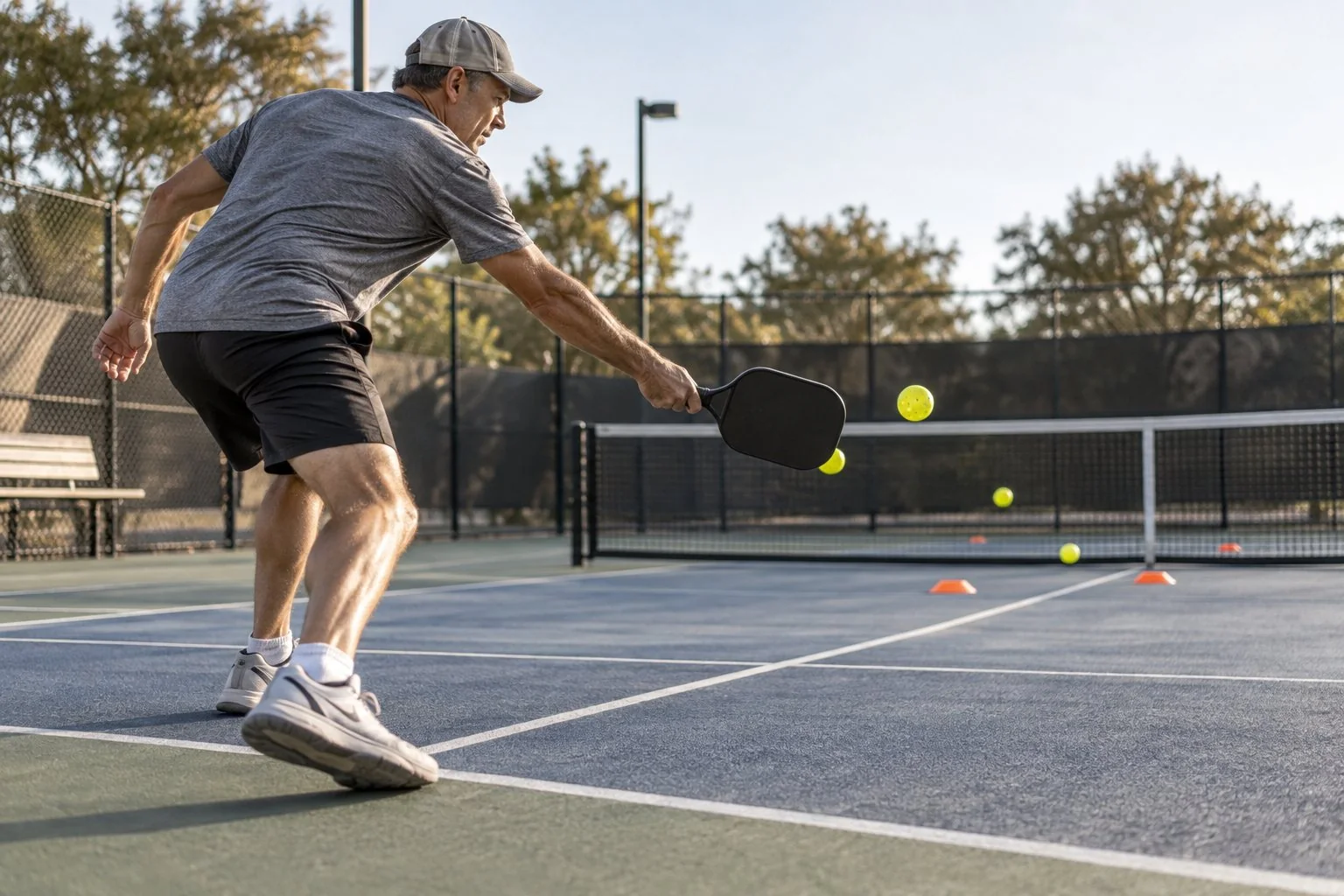
Place a target zone about 60 cm wide near the kitchen. Hit 10 forehands and 10 backhands with moderate feeds. If 7 forehands and 5 backhands finish inside the zone, compare 70% with 50%. Change one detail next, such as starting paddle height, then repeat the same count.
Add movement after the stationary drill works. Begin one step left or right of your normal position, adjust with small steps, and stop before contact. This teaches spacing rather than rewarding a reach. Stop if vibration or pain changes your mechanics.
Sweet-spot checklist
Watch the ball, move early, contact in front, and keep the face quiet. Track stable contacts separately from balls that merely land in. A good result combines placement, balance, and a repeatable feel. Repeat the same 20-ball test after each adjustment so the comparison stays useful.