When a Pickleball Hits a Player: The Ball-Contact Rule Explained
A clear guide to pickleball ball contact with a player or clothing, timing, fault responsibility, out-ball confusion, and fair recreational calls.
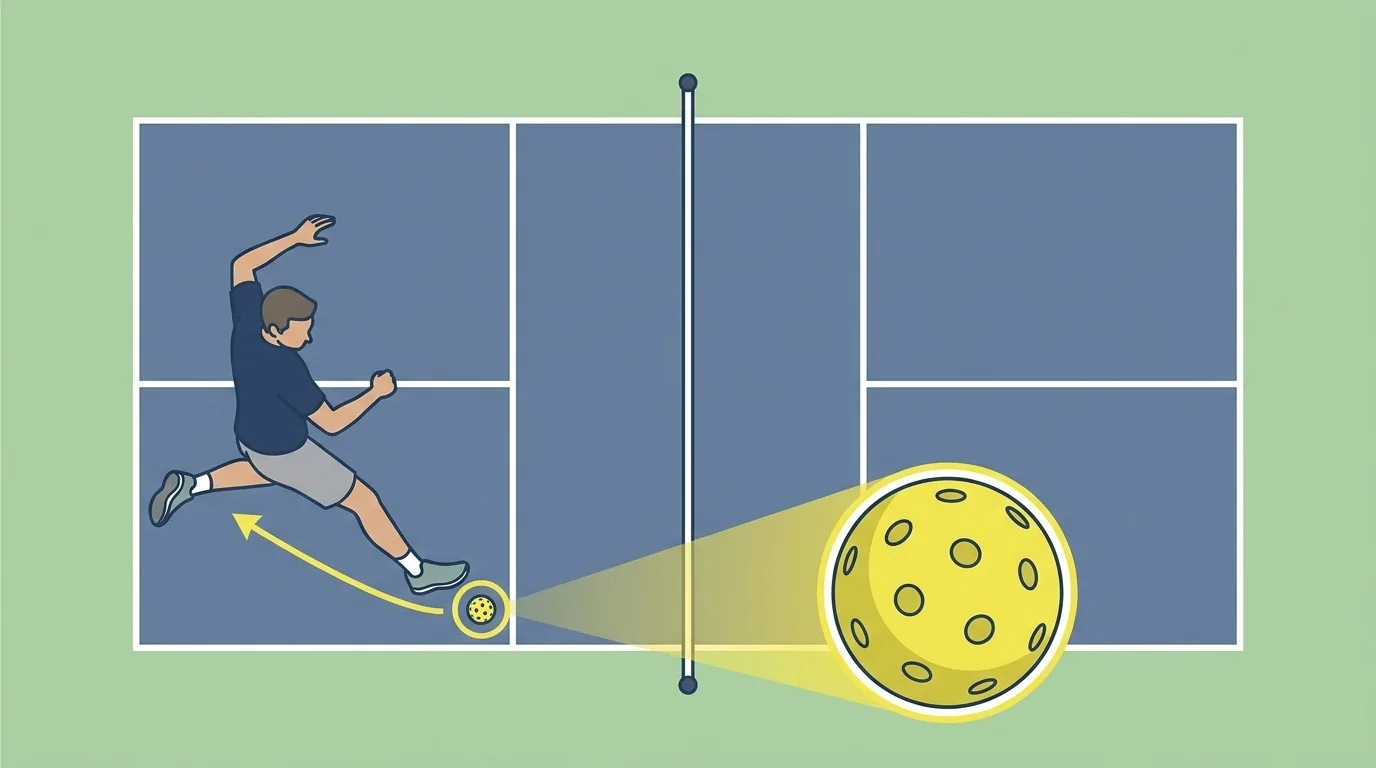
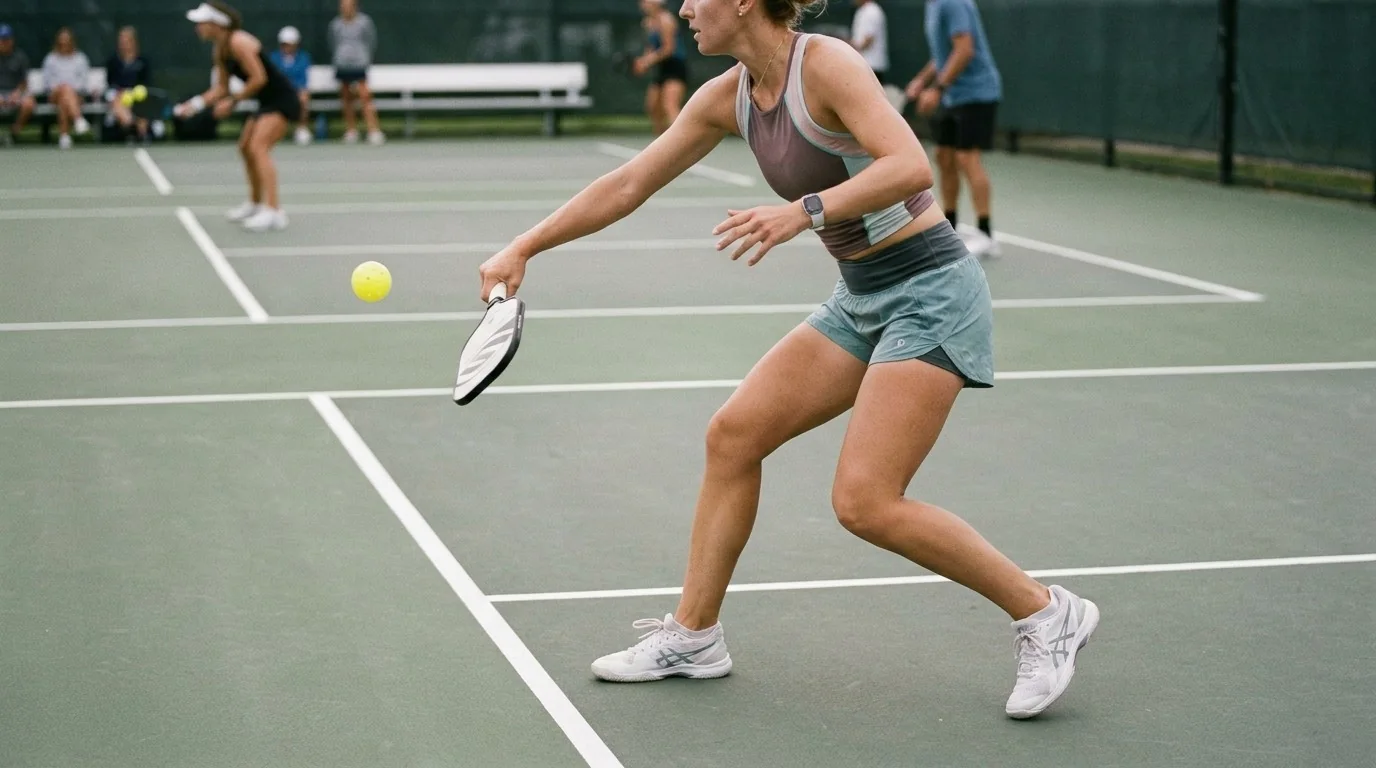
A pickleball hitting a player can end the rally, but the call depends on the sequence. Was the ball still in play? Had it bounced already? Had another fault or dead-ball event happened first? Answer those questions in order instead of guessing where the ball would have landed.
When player contact is a fault
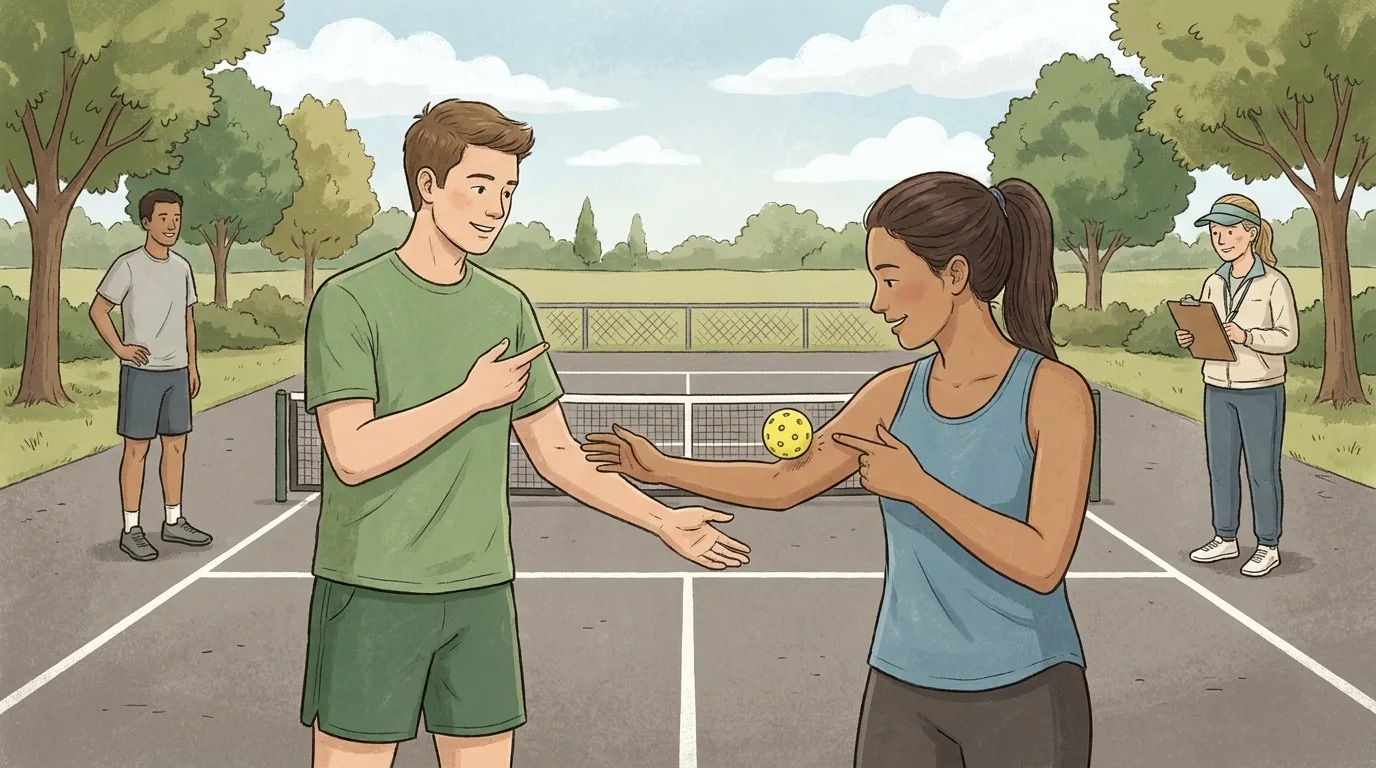
If a ball in play touches a player, that player may be responsible for a fault. The same principle generally applies to anything the player is wearing or carrying. A paddle is different: it is equipment used to strike the ball, so a normal paddle contact is not the same as the ball touching the player or their clothing. The key question is whether the ball reached the player or apparel before it could be returned legally.
Do not try to stop a ball with your hand, foot, shirt, hat, or another worn item. Even when the ball looks as though it is heading out, letting it complete its flight avoids a needless contact dispute.
Contact before or after the bounce
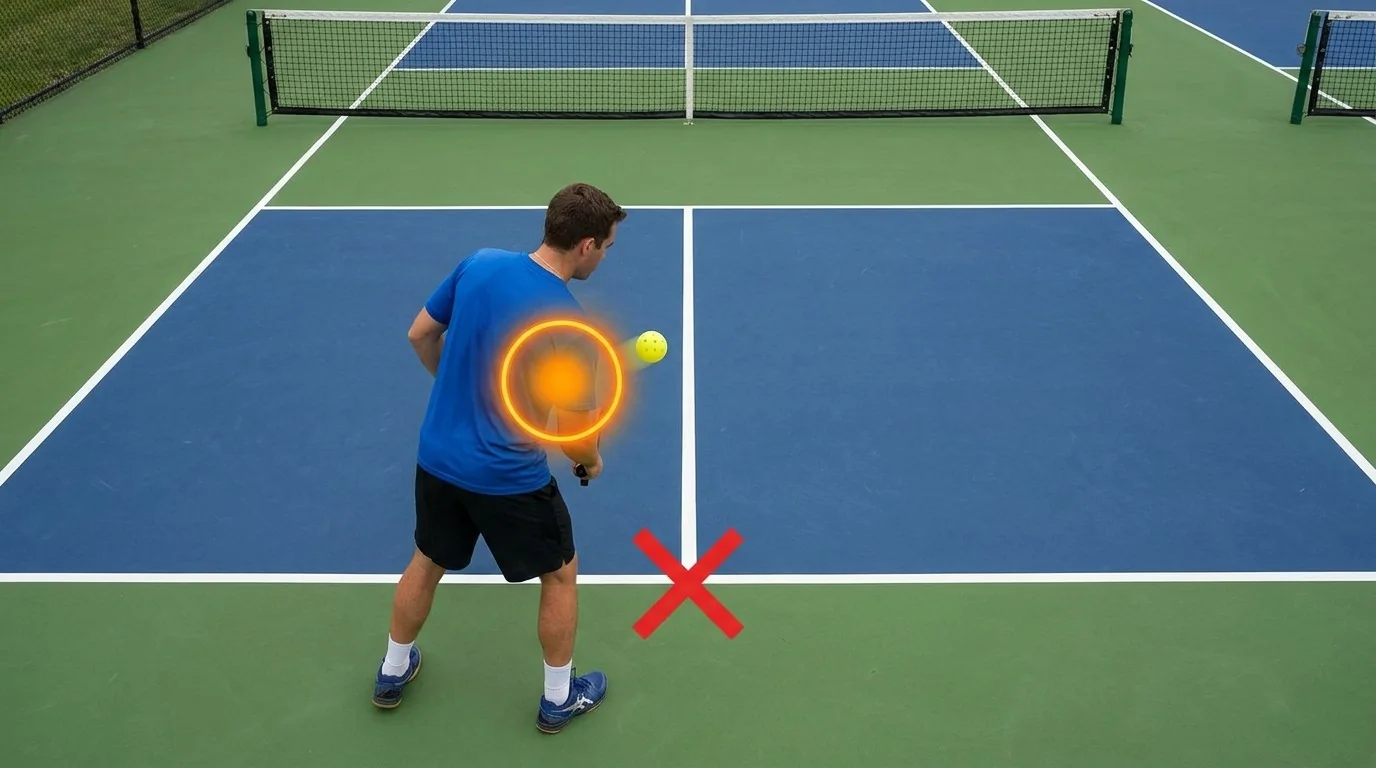
Timing changes the call. When the ball hits a player before bouncing on that player’s side, the contact is normally a fault against that player. The two-bounce rule does not make body contact legal; it describes the groundstrokes required after the serve.
If the ball has bounced and then touches the player while they are trying to return it, the player still has to complete a legal return. A ball that hits the player instead of reaching the opponent’s court is not a successful return. Stop the rally, establish what happened, and award the point or side-out under the scoring format in use.
What if the ball was going out?
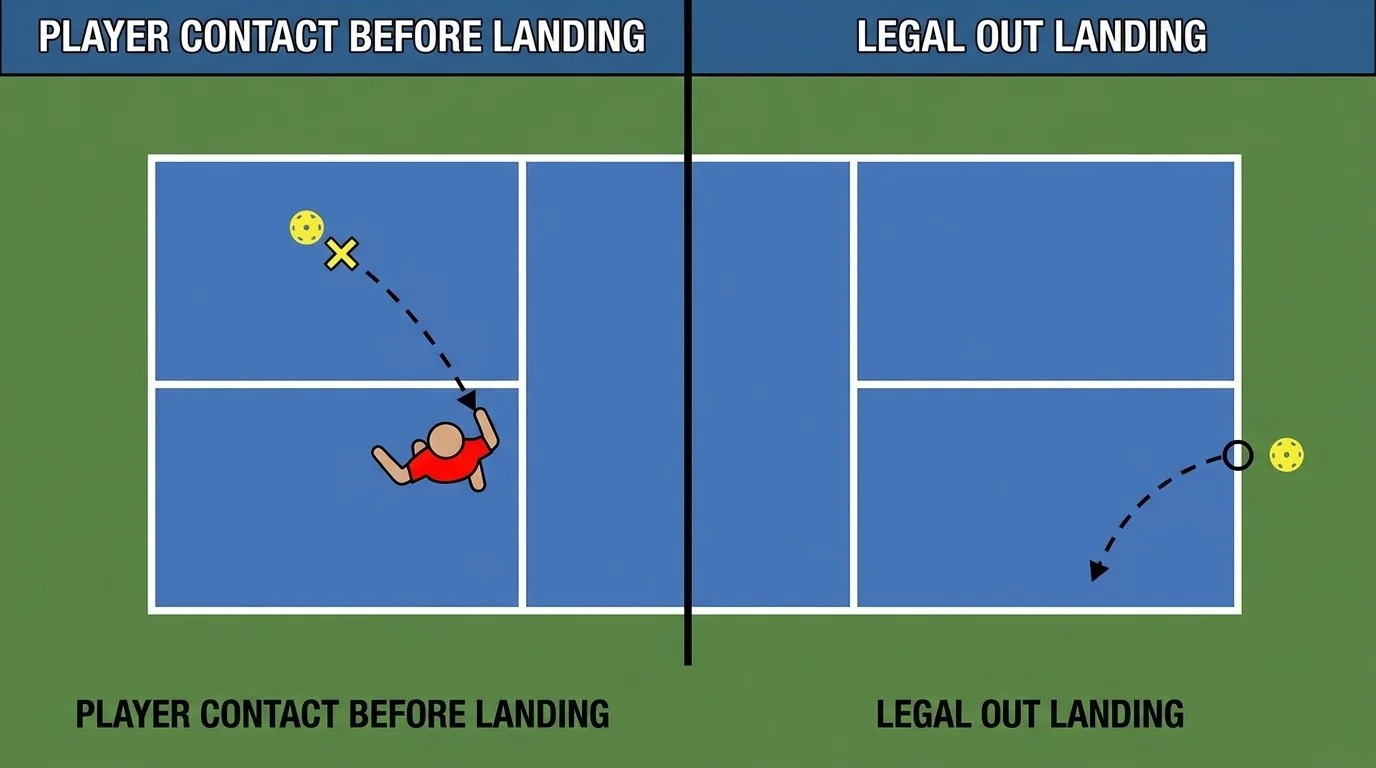
A ball touching a player is not harmless just because it might have landed out. Contact can end the rally before the ball reaches the floor, so decide that event first. If the ball clearly lands out without touching a player, it is out. If it touches a player before landing, apply the player-contact rule instead.
The same applies to apparel. A loose shirt, hat, shoe, or carried item is not a loophole. Treat contact with the player’s apparel as contact with the player, then determine which side caused it.
A calm call protocol for recreational games
Use four steps: stop, identify the contact, check the timing, and apply the fault. Say “ball on player” or “ball on clothing” rather than arguing about the likely landing spot. If there is no referee and both teams are unsure, discuss the sequence briefly and apply the benefit of the doubt fairly. Do not replay a rally merely because its outcome is inconvenient.
In doubles, communicate right away and let the person who saw the contact describe it. Partners should not create a new version after the rally. Calling promptly prevents the decision from changing after someone sees where the ball might have landed.
Situations that look similar
A ball hitting the net, a paddle, or a permanent court fixture is not automatically the same as ball contact with a player. A paddle may legally strike the ball, including during one continuous swing, but a player cannot use another body part to stop or redirect it. A ball hitting an opponent after a legal shot can also raise a responsibility question, so distinguish accidental contact from deliberate interference and check whether the ball had already become dead.
When a dispute also involves a hinder, a line call, or a ball that was already out, resolve the earliest event in the sequence. The first valid fault or dead-ball event controls what happens next.
Practise the rule without arguments
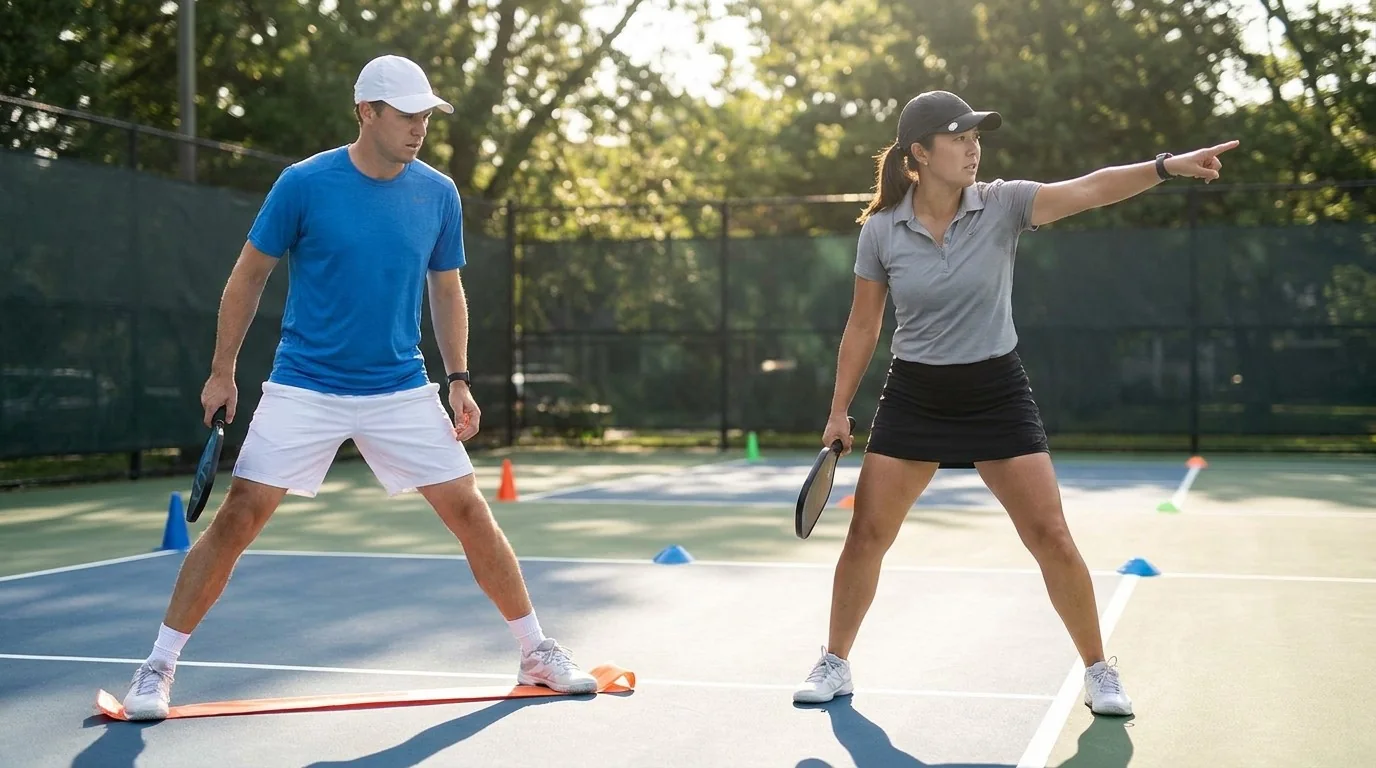
In a practice game, have a feeder send safe balls toward different body heights while the receiver lets borderline balls pass. An observer calls “contact,” “bounce,” or “out” and explains which event occurred first. Repeat with a hat or loose shirt only if the group can do so safely; never intentionally hit a person.
The point is not to memorize every edge case. Recognize when a live ball touches a player or clothing, make the call promptly, and separate that contact from a ball that simply lands out. Agreeing on the sequence keeps recreational games competitive and respectful.