How to Choose Tournament-Ready Pickleball Gear Without Guesswork
A practical guide to selecting legal, comfortable, and reliable pickleball gear for sanctioned matches, from paddle approval and grip fit to indoor and outdoor ball selection.
Buying pickleball equipment for casual games is easy: choose a paddle that feels comfortable, pick up a few balls, and start playing. Preparing for organized or sanctioned competition requires more care. A paddle can feel powerful and well made yet still fail equipment requirements, while a ball that works well outdoors may behave poorly indoors. The safest approach is to evaluate legality, playing conditions, fit, and durability together rather than relying only on advertising claims.
Start With the Approval Status
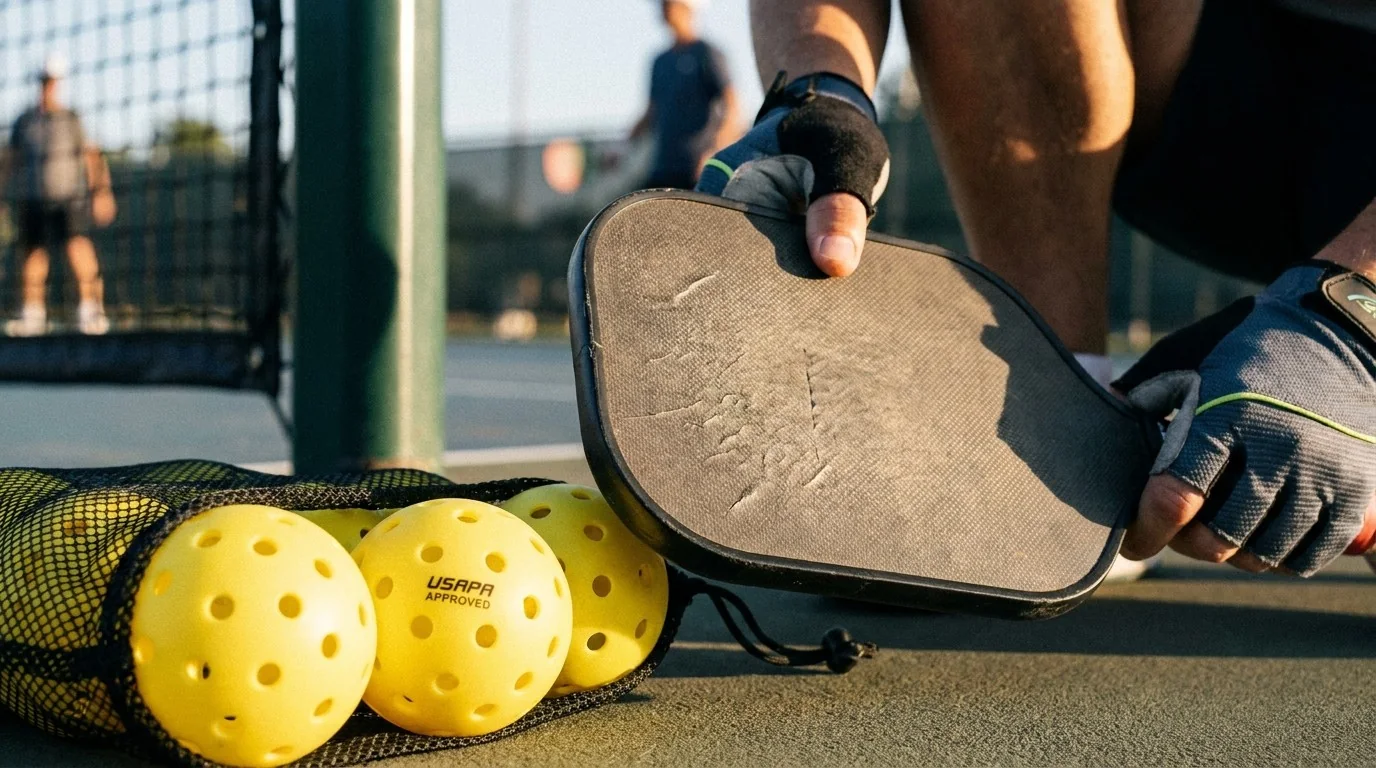
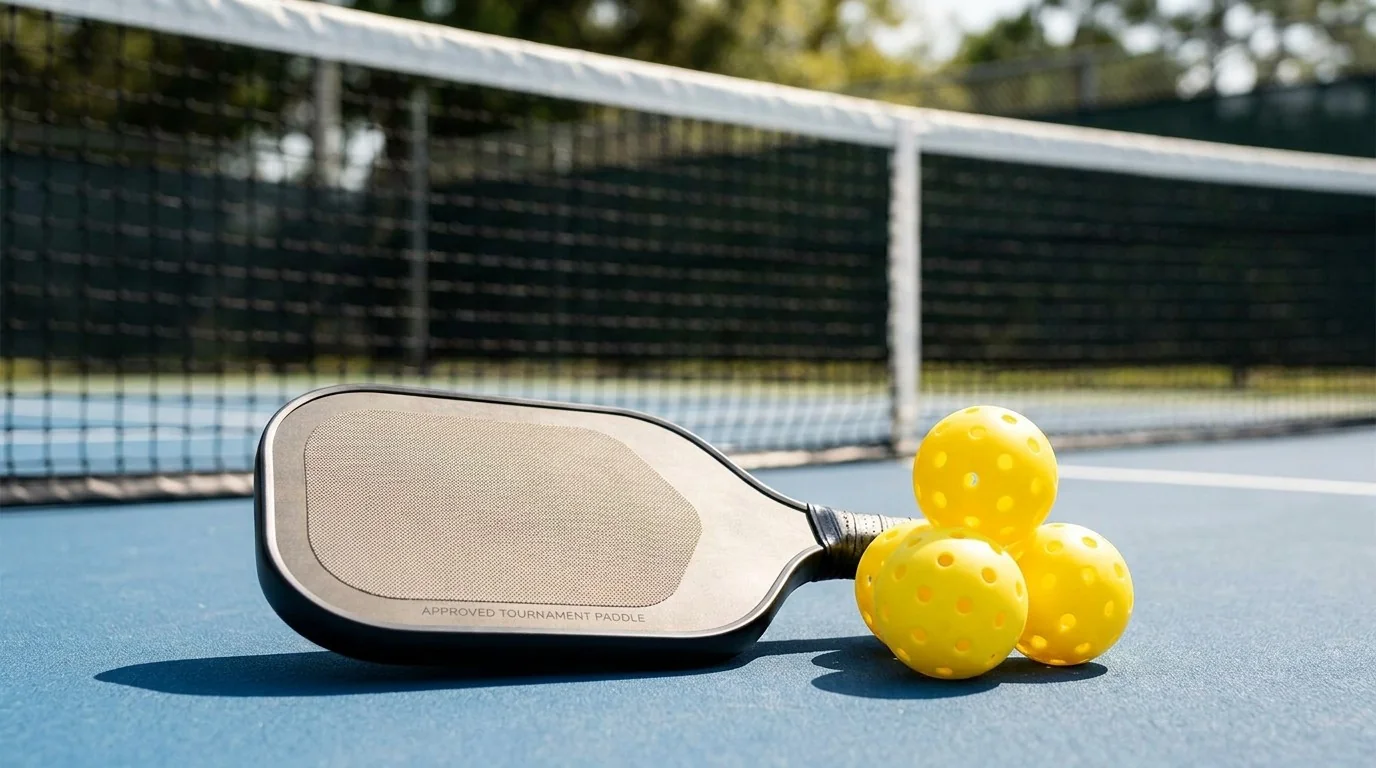
If you expect to enter a sanctioned tournament, check the current approved equipment database before buying. Do not assume that a familiar brand or an expensive price guarantees eligibility. Approval applies to a specific paddle model, not simply to the manufacturer. Two paddles from the same company may have different construction, surface materials, or performance characteristics, so each model needs to be checked individually.
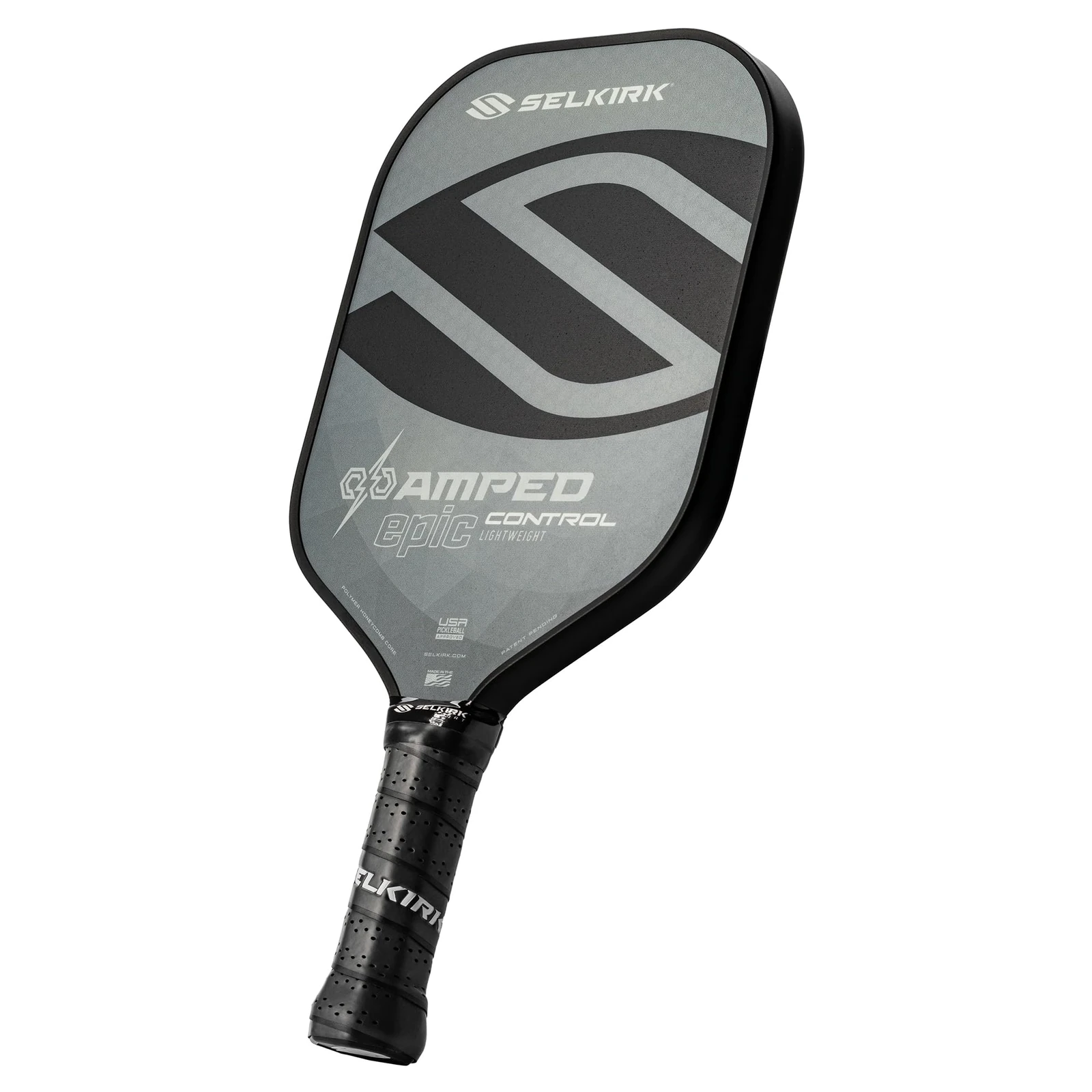
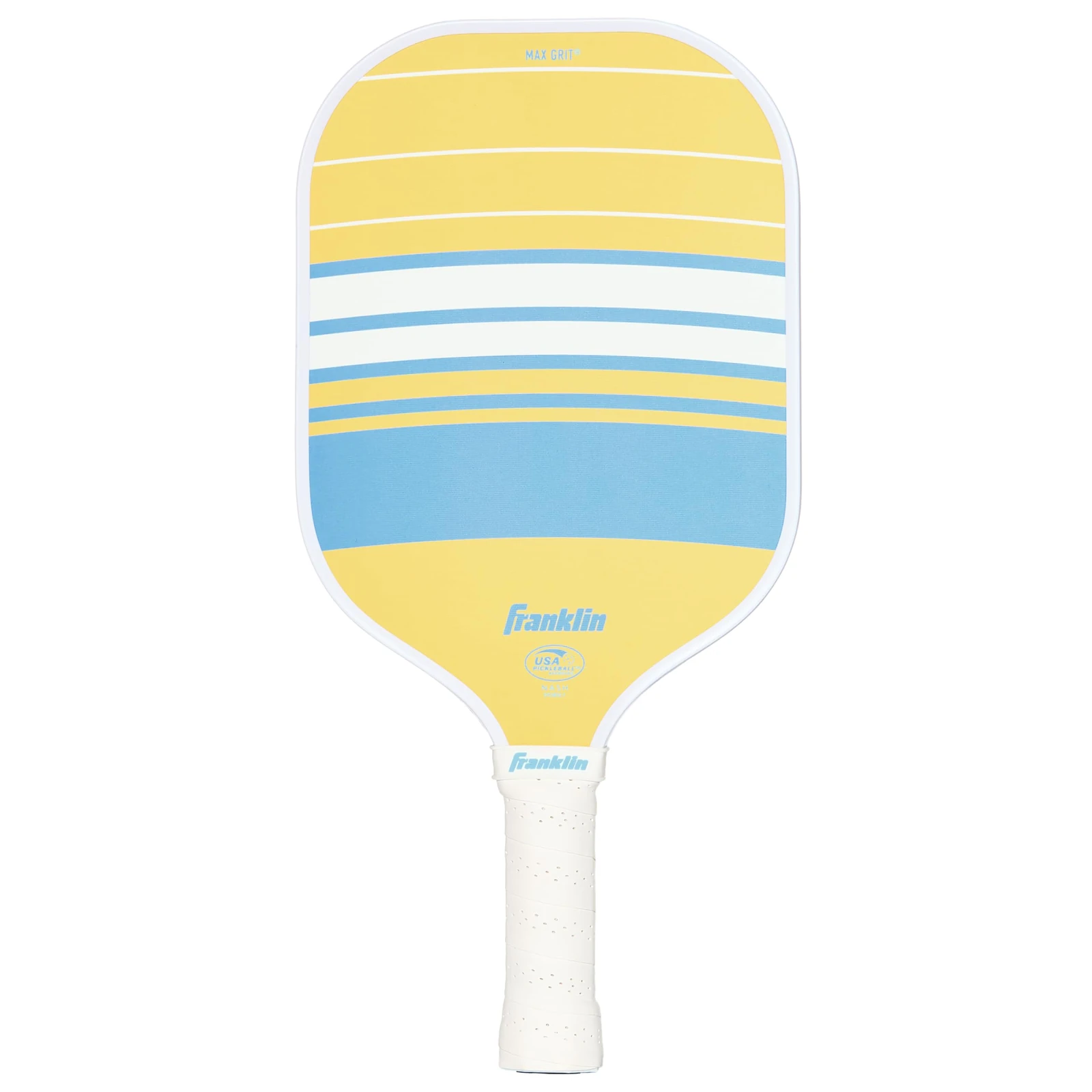
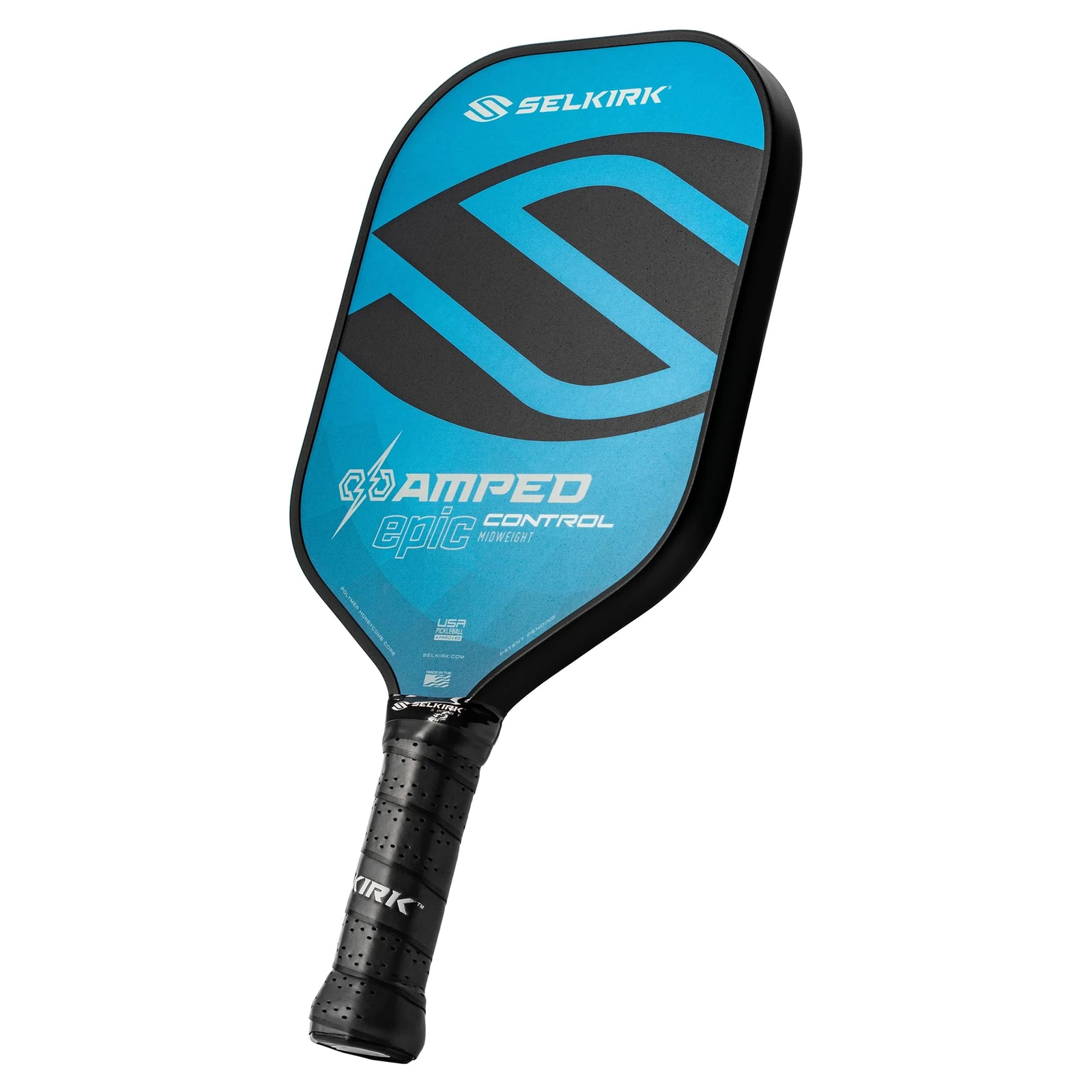
A tournament paddle must display a clearly identifiable brand and model name or number. Its total length and width, including the edge guard and butt cap, cannot exceed 24 inches, and the paddle itself cannot be longer than 17 inches. There is no universal weight limit under the standard equipment rules, but weight still matters for comfort, maneuverability, and fatigue.
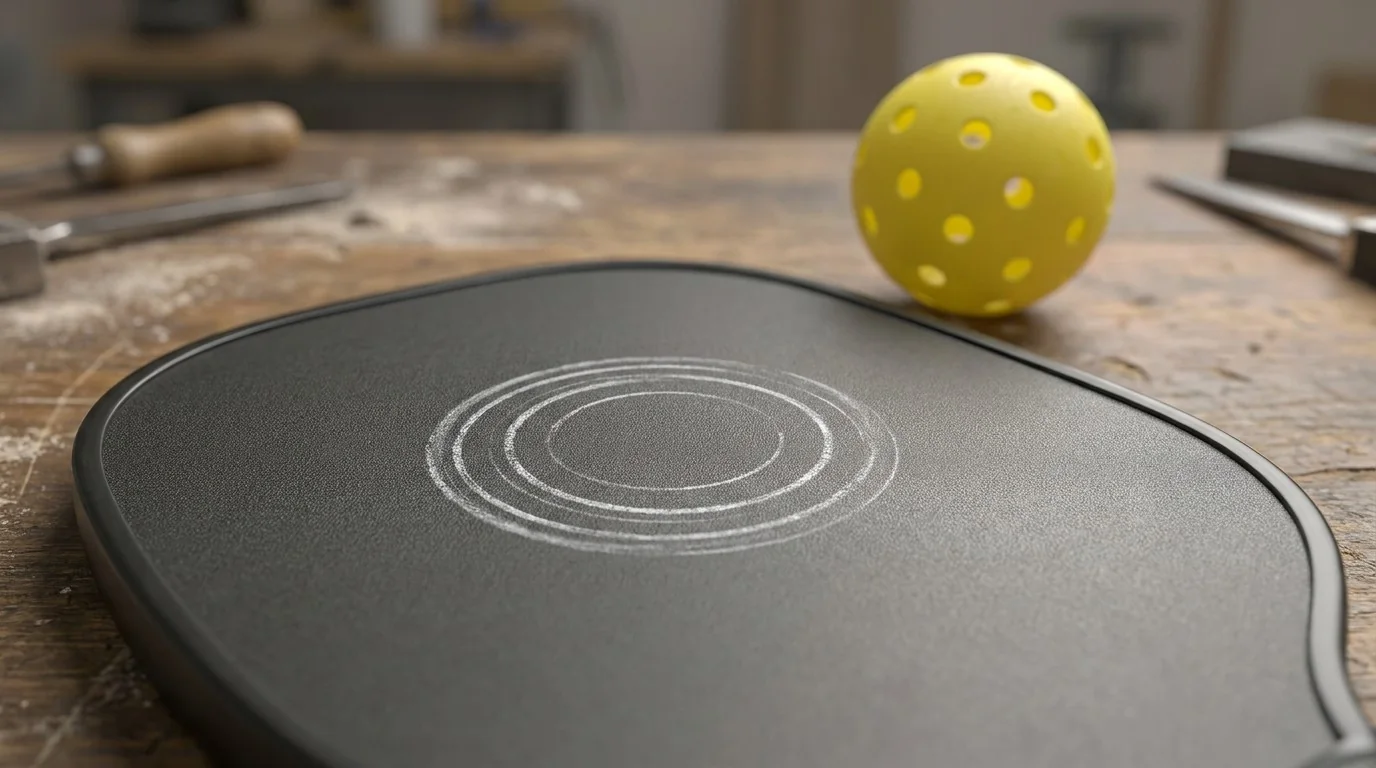
Avoid modified surfaces, gritty coatings, sandpaper-like materials, rubber additions, or mechanical features intended to increase spin or head momentum. Normal accessories such as an overgrip, permitted edge protection, or approved weight tape may be acceptable, but any modification must remain within the applicable equipment rules. When in doubt, use the manufacturer’s original configuration and verify the model before match day.
Match the Paddle to Your Playing Style
Once legality is confirmed, choose characteristics that support your actual game. A control-oriented paddle is usually easier to manage for players who rely on soft shots, resets, blocks, and accurately placed dinks. A power-oriented design can help an aggressive player finish points, but extra power may make it harder to keep drives and returns inside the court. More power is not automatically better if it increases errors.
Paddle shape also changes the experience. A longer face can provide additional reach and may suit players who frequently defend lobs or attack from farther behind the kitchen line. A wider shape generally offers a larger, more forgiving hitting area. Beginners often benefit from a balanced design with a comfortable sweet spot instead of selecting the longest or most powerful option available.
Grip fit deserves equal attention. A grip that is too small can encourage excessive hand movement and require constant squeezing. A grip that is too large can restrict wrist action and become uncomfortable during extended play. Hold the paddle with a relaxed continental-style grip and check whether your fingers can wrap around the handle without pressing tightly into your palm. If possible, test the paddle for several minutes rather than judging it from a single swing.
Weight distribution is just as important as the number on a scale. A head-heavy paddle may generate more momentum but can feel slower during quick exchanges at the kitchen. A handle-heavy or evenly balanced paddle may be easier to maneuver during blocks and hand battles. Players with elbow, wrist, or shoulder concerns should prioritize a manageable setup and avoid increasing weight simply to gain power.
Choose the Right Ball for the Court
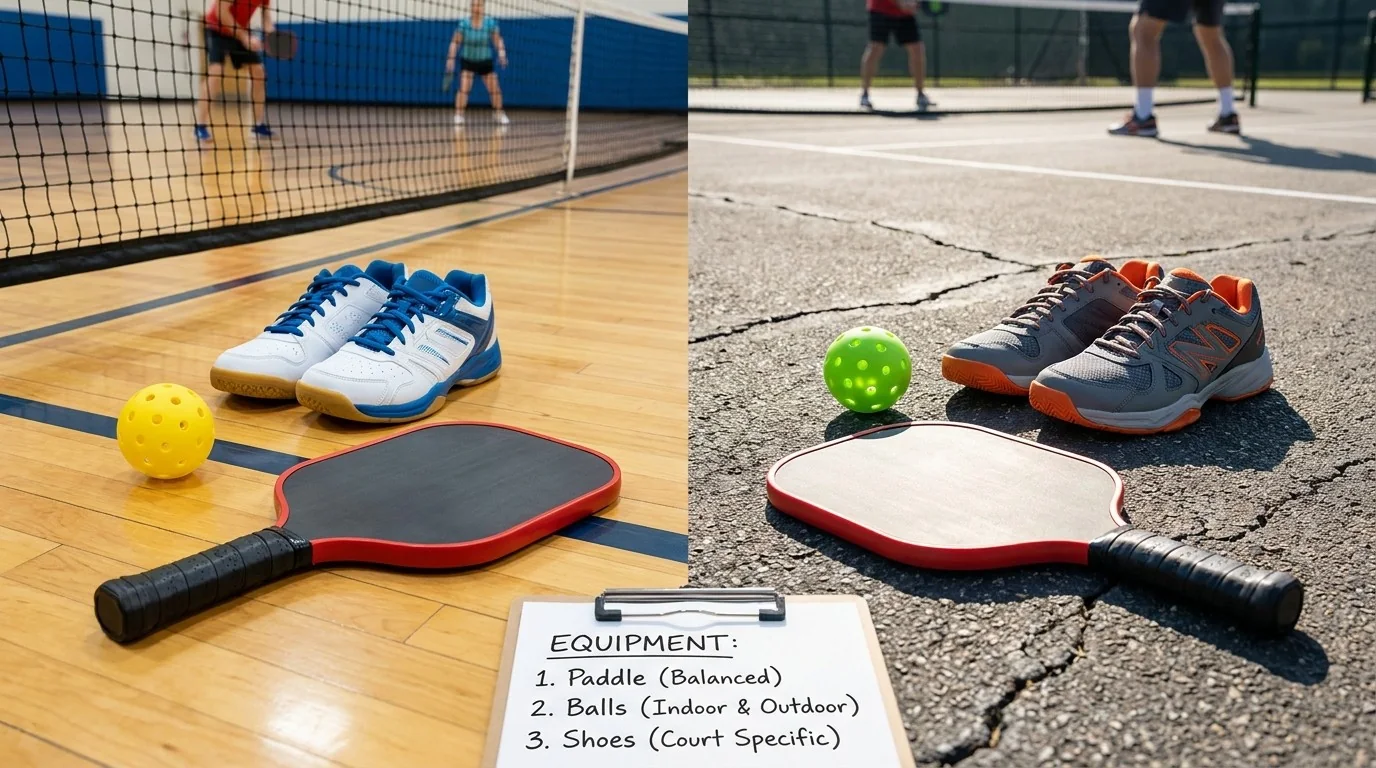
Pickleballs are not interchangeable in every setting. Outdoor balls are typically designed with smaller holes and a somewhat harder construction to handle wind, rough surfaces, and temperature changes. Indoor balls often use larger holes and a softer feel because the playing environment is more controlled. Using the wrong type can change speed, bounce, and control.
The tournament organizer normally selects the official ball, so confirm the required model before an event. The ball should meet the applicable specifications, carry the manufacturer or supplier identification, and be in good condition. A damaged ball may develop an inconsistent bounce, visible deformation, cracks, or a seam that affects its flight.
For practice, buy several balls of the same model and type used in competition. This helps you calibrate your serve, return, and third-shot patterns before the event. Outdoor balls wear faster on abrasive courts, while indoor balls may become soft or scuffed after extended use. Rotate practice balls and remove any ball that no longer rebounds consistently.
Use a Simple Pre-Match Equipment Check
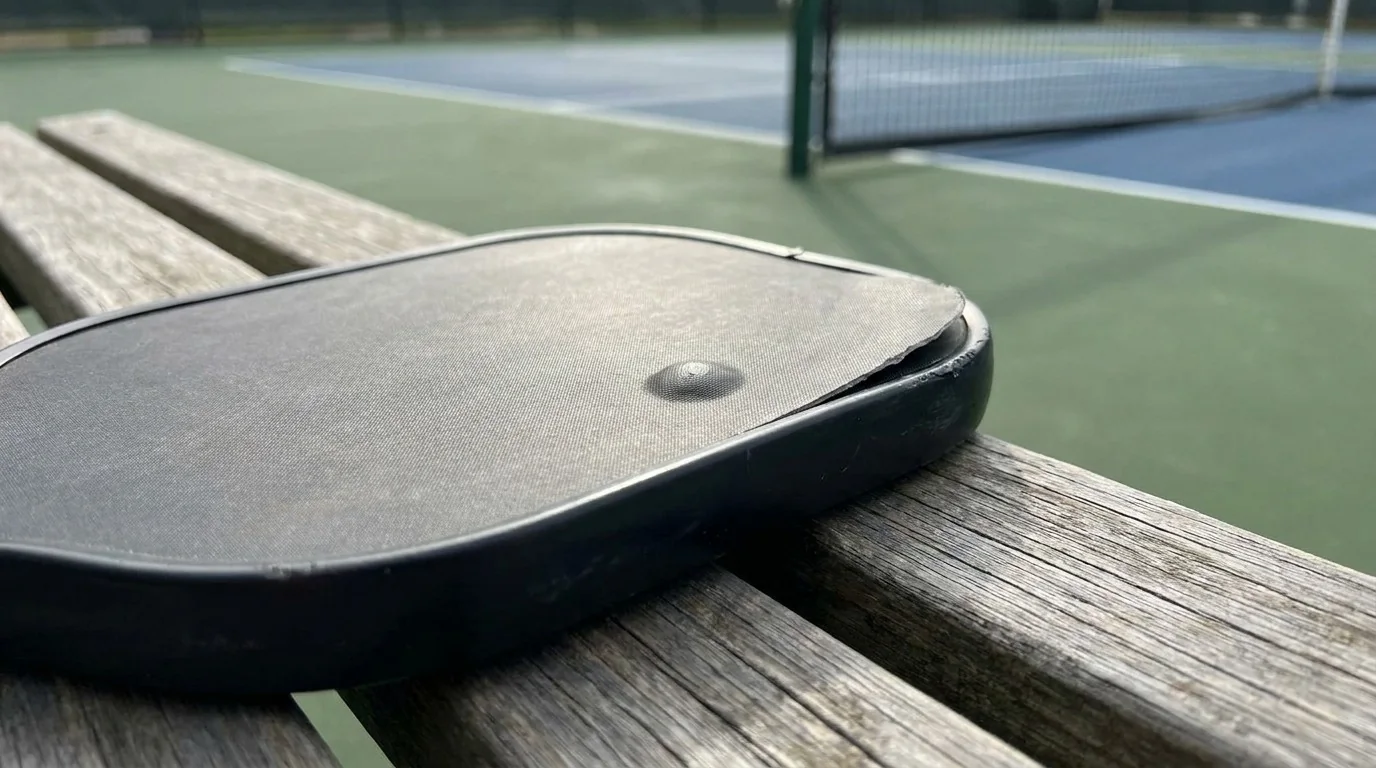
A week before competition, inspect the paddle face for cracks, delamination, holes, deep dents, or unusual surface damage. Confirm that the model remains listed as approved and that any grip or tape changes are permitted. Check the ball type required by the organizer, then practice with that ball on a similar court surface.
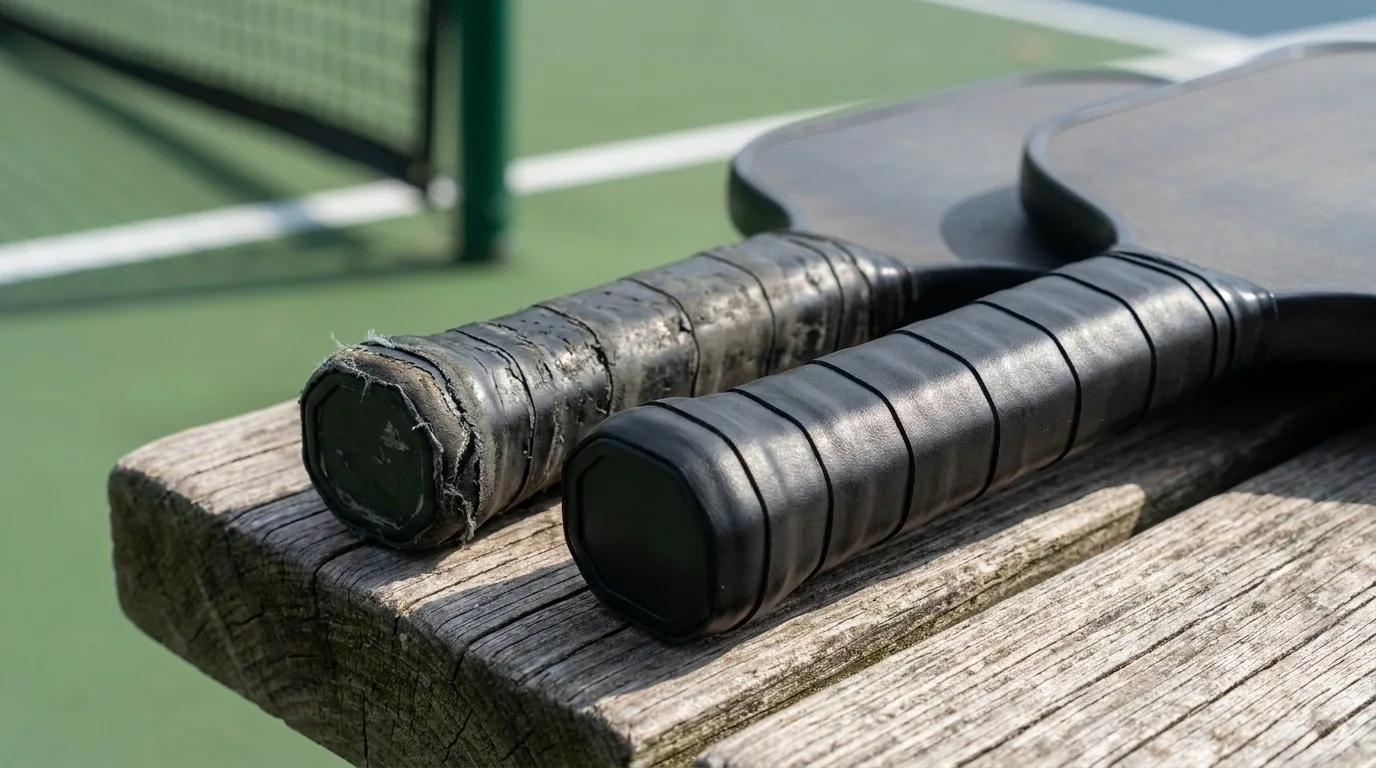
On match day, bring a legal backup paddle if possible, but verify that it is also approved. Pack replacement overgrips, water, and court-appropriate shoes with stable lateral support. Equipment should reduce distractions, not create new ones. The best setup is the one that is legal, comfortable, predictable, and familiar enough that you can focus on positioning and shot selection rather than wondering whether your gear will pass inspection.