Indoor vs Outdoor Pickleball Balls: How to Choose the Right One
Compare indoor and outdoor pickleball balls by surface, wind, feel, visibility, durability, and a simple warm-up test before buying.
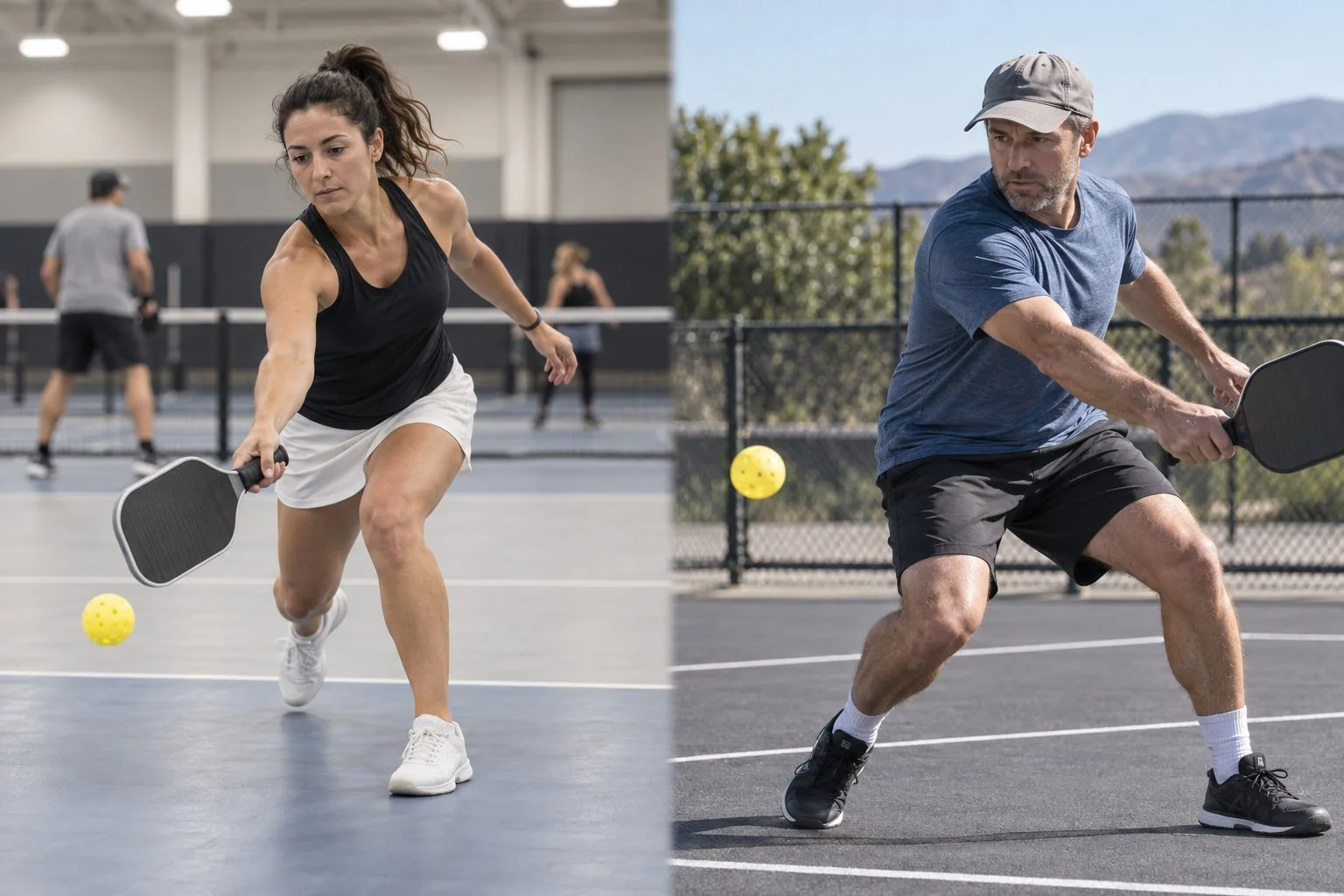
The ball can feel like a small detail until you move from a gym to an outdoor court. Then the difference shows up quickly: the rally rhythm changes, the ball reacts differently to the surface, and a ball that feels comfortable in one setting may be frustrating in another. Choosing between indoor vs outdoor pickleball balls is less about finding a universal winner and more about matching the ball to the place where you actually play.
What makes indoor and outdoor balls different
Indoor balls are generally designed for smooth gym floors and calmer air. Their hole pattern and softer feel can help produce a predictable bounce on a polished or sport-court surface. They are often easier to control during long dink exchanges, although the exact feel varies by brand and model.
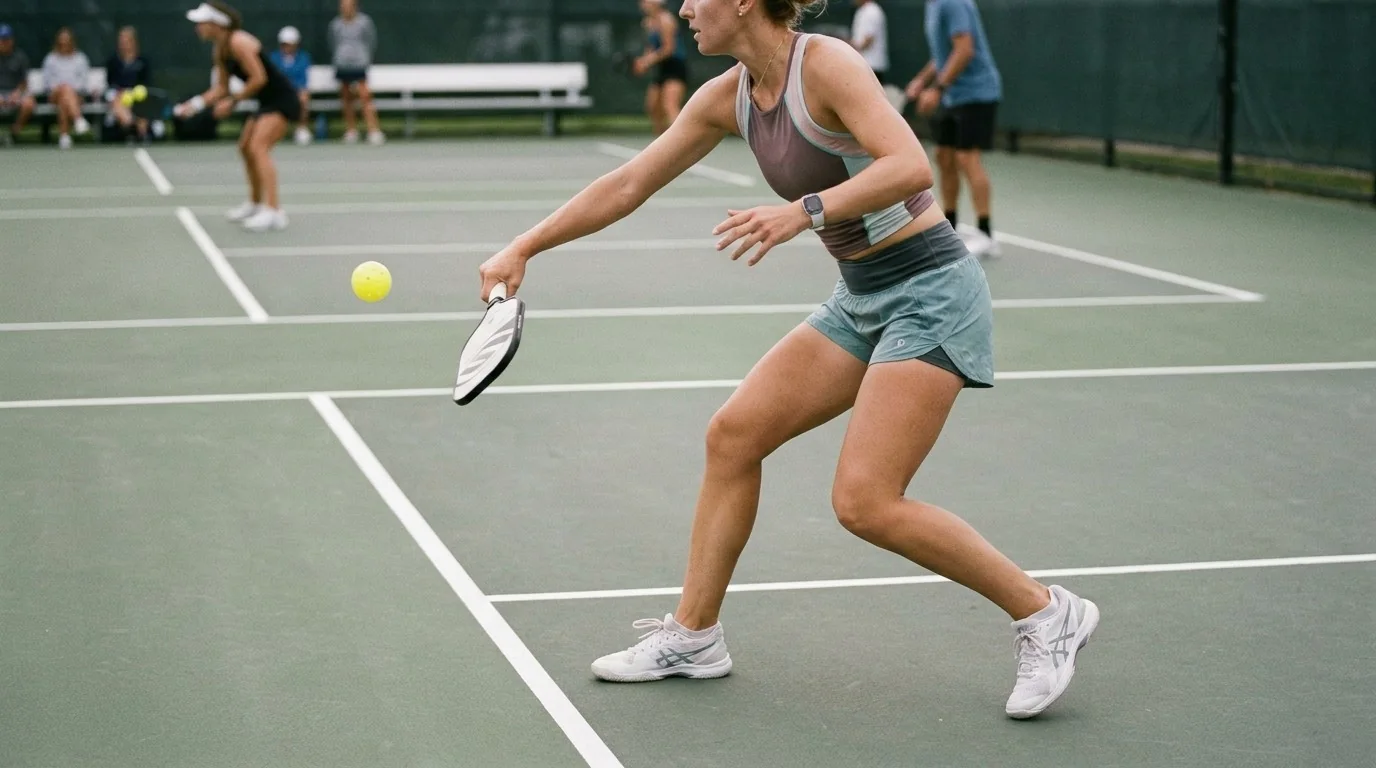
Outdoor balls are built for a rougher environment. They typically use a more durable plastic and a hole pattern intended to behave consistently when wind is present. The ball may feel quicker or firmer off the paddle, and outdoor play can be less forgiving when a gust catches a high shot.
These are useful tendencies, not guarantees. Ball construction varies, and court speed, temperature, altitude, and the condition of the ball all affect the result. If a facility or tournament specifies a ball, use that ball rather than assuming the label tells the whole story.
Choose by court, not by habit
For indoor play, begin with the floor. A smooth gym surface usually rewards a ball that stays predictable rather than one selected only for maximum speed. If the ball skids, feels unusually lively, or produces inconsistent bounces, test another approved indoor option during a short warm-up.
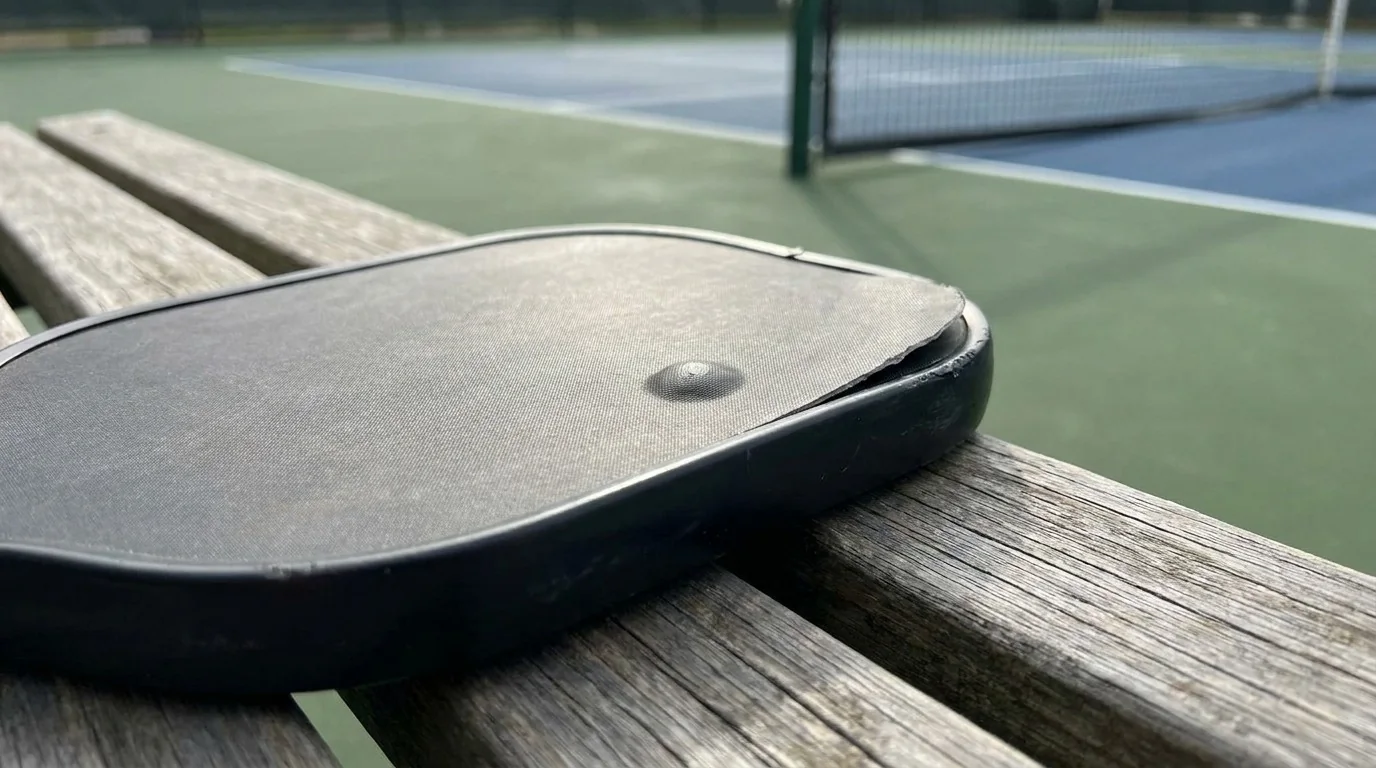
For outdoor play, start with exposure to wind and the court’s surface. A more durable outdoor ball is sensible when the court is abrasive or heavily used. Watch how it behaves on serves, deep returns, and high defensive shots. A ball that has softened, cracked, or developed a flat spot should be removed from play even if it still looks usable.
Use this quick check before buying a large quantity:
- Confirm whether the court is indoor, outdoor, or occasionally both.
- Ask which balls are already accepted for organized play.
- Warm up from both ends and compare bounce height and direction.
- Test a few soft shots and full swings, not just one serve.
- Check whether the ball remains round after several sessions.
How temperature and wind change the feel
Outdoor conditions can make ball choice more noticeable. Cold weather can make plastic feel firmer, while heat may change how lively the ball seems. Wind exposes differences in flight and makes a high, floating shot harder to control. Rather than changing your entire technique, give yourself more margin: use a controlled swing, aim away from the line when necessary, and avoid judging a ball from one unusual gust.
Indoors, air movement is usually less disruptive, but the ceiling, lighting, and floor can still affect perception. A bright yellow ball should remain easy to track against the background. If players lose sight of it near a wall or ceiling, visibility is part of the practical decision—not an afterthought.
A simple buying and maintenance routine
Buy a small test set first, especially if several players share the balls. Mark the date they enter service and keep indoor and outdoor balls in separate bags. Do not leave them in a hot car or outside overnight. Before play, roll a ball across a flat area and replace any that wobble, crack, or bounce noticeably differently from the rest.
The best choice in the indoor vs outdoor pickleball balls comparison is the one that matches the court, stays visible, and remains consistent for the group using it. Treat the ball as part of the playing environment, not just another accessory, and your warm-up will tell you more than a package label alone.