Pickleball Backhand Contact Window: Make Room for Control
A practical backhand routine for turning early, creating space, choosing a controlled target, and recovering balanced.
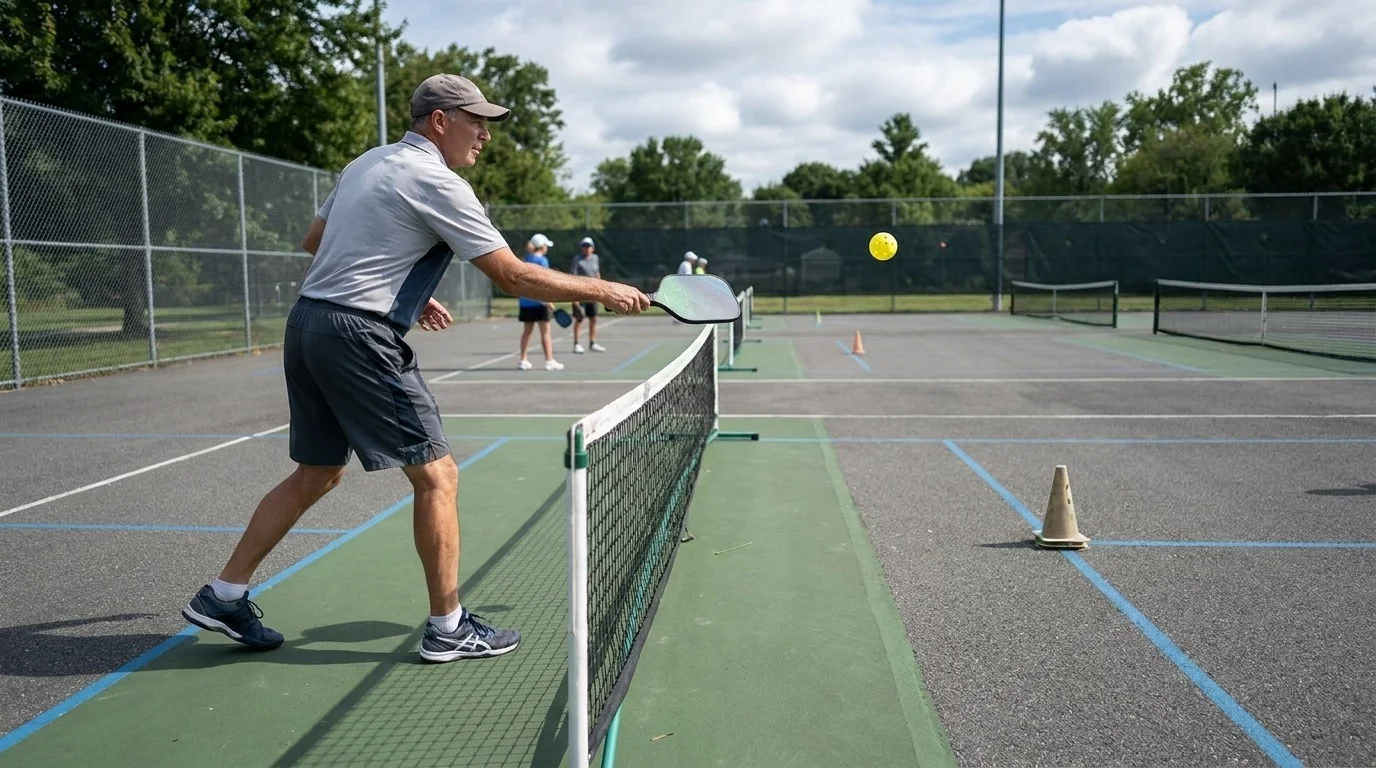
A dependable pickleball backhand starts before the ball reaches your ideal contact point. Turn early, use your feet to make room, and set the paddle so the swing stays compact. You are not chasing a big backswing. You are building a repeatable contact that leaves you ready for the next ball.
Turn before the ball crowds you
As your opponent strikes, make a small split step and read the ball’s direction. If it is moving to your backhand, turn your shoulders and bring the paddle into a stable preparation position. Turning early gives you time to adjust and makes the incoming pace easier to handle. If you wait until the bounce to organize, you often end up reaching or rushing the contact.
Keep the preparation compact. The paddle should stay available in front of your body, not disappear in a large loop behind you. That shorter path matters when the ball is low, fast, or headed toward the kitchen.
Use your feet to make contact space
Take the first step toward the ball’s line, then use the final adjustment to leave room for the paddle. Do not stand on top of the bounce. A ball beside your hip turns the backhand into a rescue; a ball slightly in front gives you control of the paddle face and a safer target.
Use small shuffles to fine-tune the distance. When the ball pulls you wide, use a crossover or drop step instead of reaching with your arms. Keep your head relatively quiet and let your feet solve the spacing. For a low ball, bend your knees rather than folding at the waist.
Match the swing to the ball
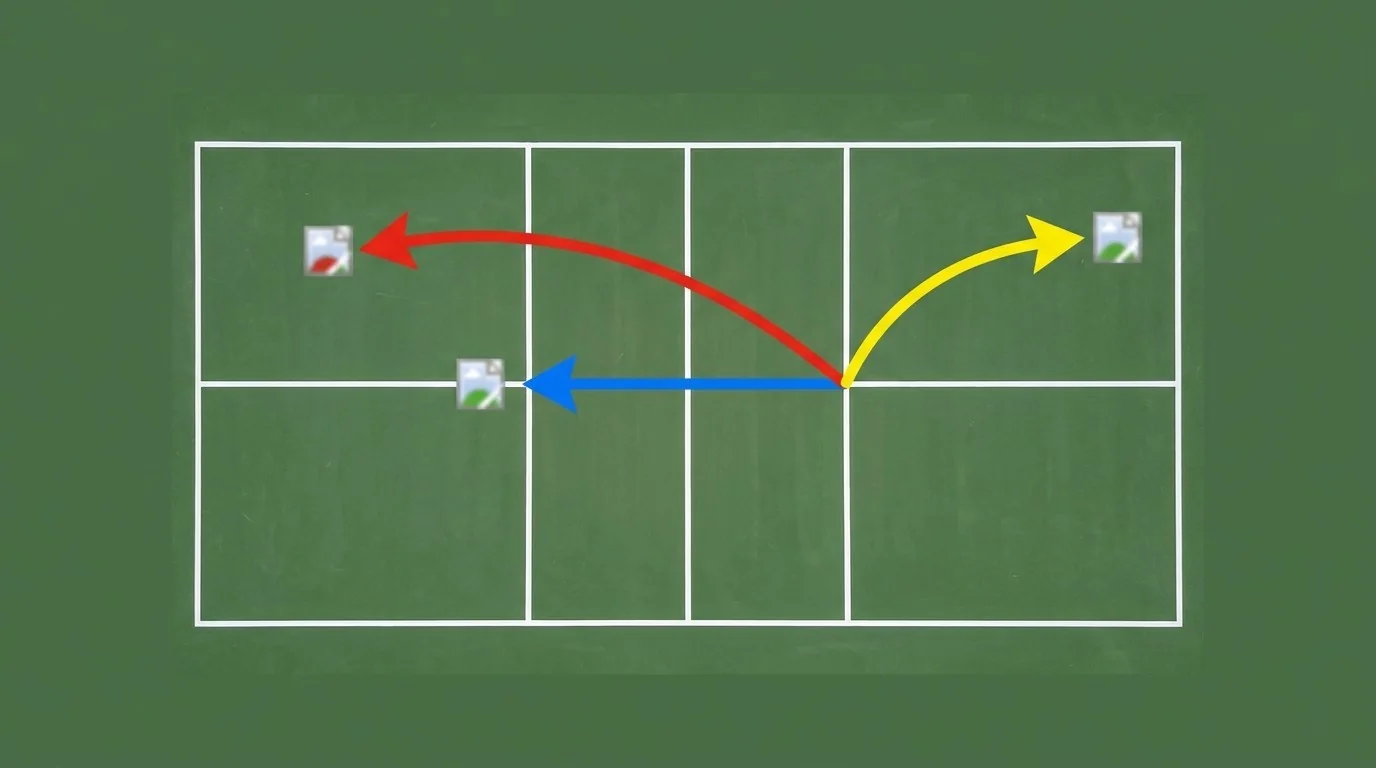
A firm, higher ball may give you room to drive with more intent, but the preparation still stays controlled. A low ball or a ball arriving under pressure usually calls for a compact swing and a target with margin. Keep the paddle face stable through contact. Do not try to create pace with a last-second wrist action.
With a two-handed backhand, let the non-dominant hand help the paddle move forward while your shoulders and hips rotate together. With a one-handed backhand, keep the same priorities: organize early, contact in front, and finish balanced. Choose the version you can repeat under pressure, not the one with the biggest swing.
Recover as soon as the ball leaves
The stroke is not finished when the ball leaves the paddle. Bring the paddle back toward a neutral ready position, rebuild your base, and read your opponent’s next contact. In doubles, recover with your partner so the seam does not open. In singles, recover toward the passing lanes you can realistically cover.
A common mistake is letting the follow-through pull your torso across the court. If you finish leaning, shorten the swing and use adjustment steps after contact. Balance is part of shot quality because it determines how well you can handle the reply.
Practise the complete sequence
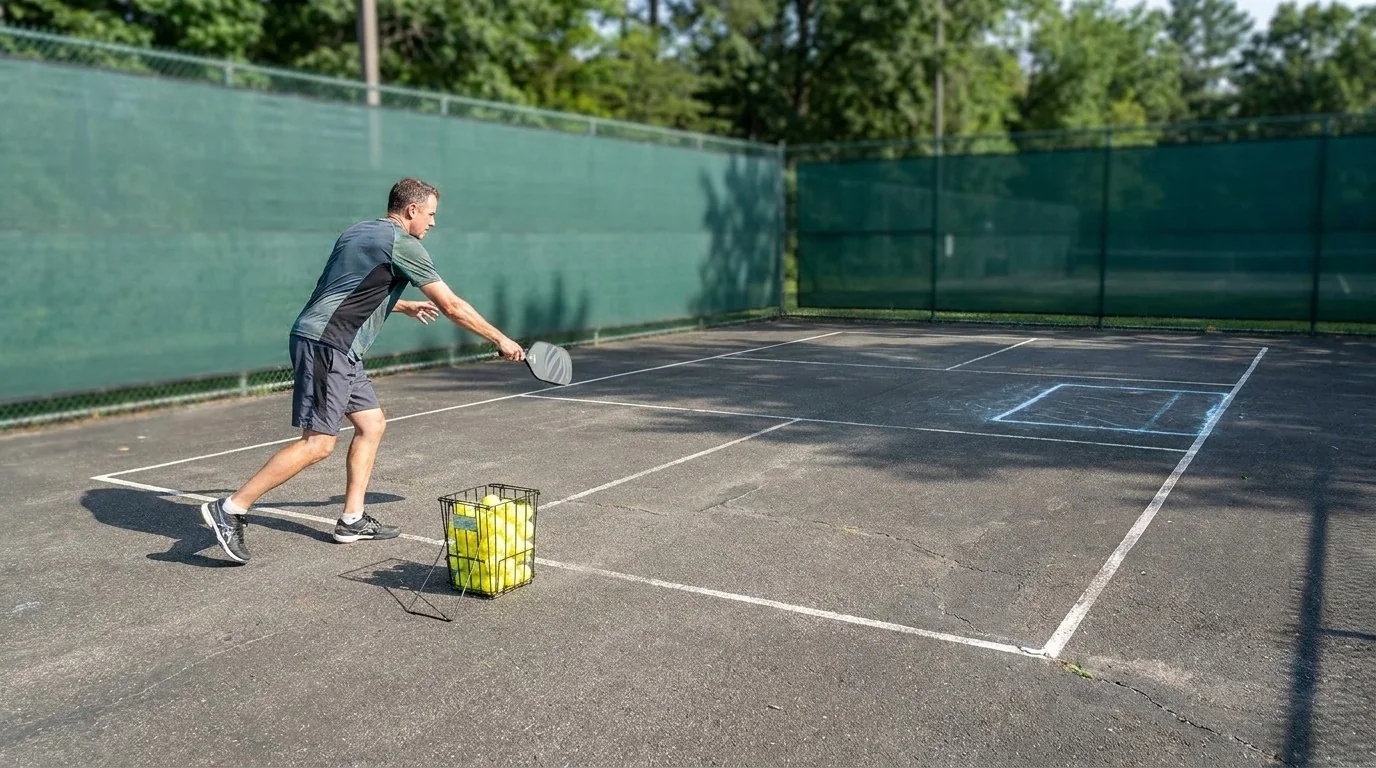
Have a partner feed moderate balls to your backhand side. First rehearse the split step, early shoulder turn, and compact preparation without hitting. Then add the swing and pause briefly after contact. Check three things: the ball was in front, your feet were balanced, and the paddle returned toward ready position.
Next, vary the feed’s width and depth. Use short adjustment steps for comfortable balls and choose a safer target when the feed pulls you wide. Finish with cooperative rallies. Count a repetition only when the backhand produces a playable ball and leaves you prepared for the next one.
Good pickleball backhand preparation is early, compact, and tied to footwork. Turn before the ball crowds you, make room for the contact, swing under control, and recover ready.