Pickleball Carry Rule: When Does a Scoop Become Illegal?
Learn the pickleball carry rule, how to distinguish a legal scoop from a carried ball, and how accidental double hits are treated.
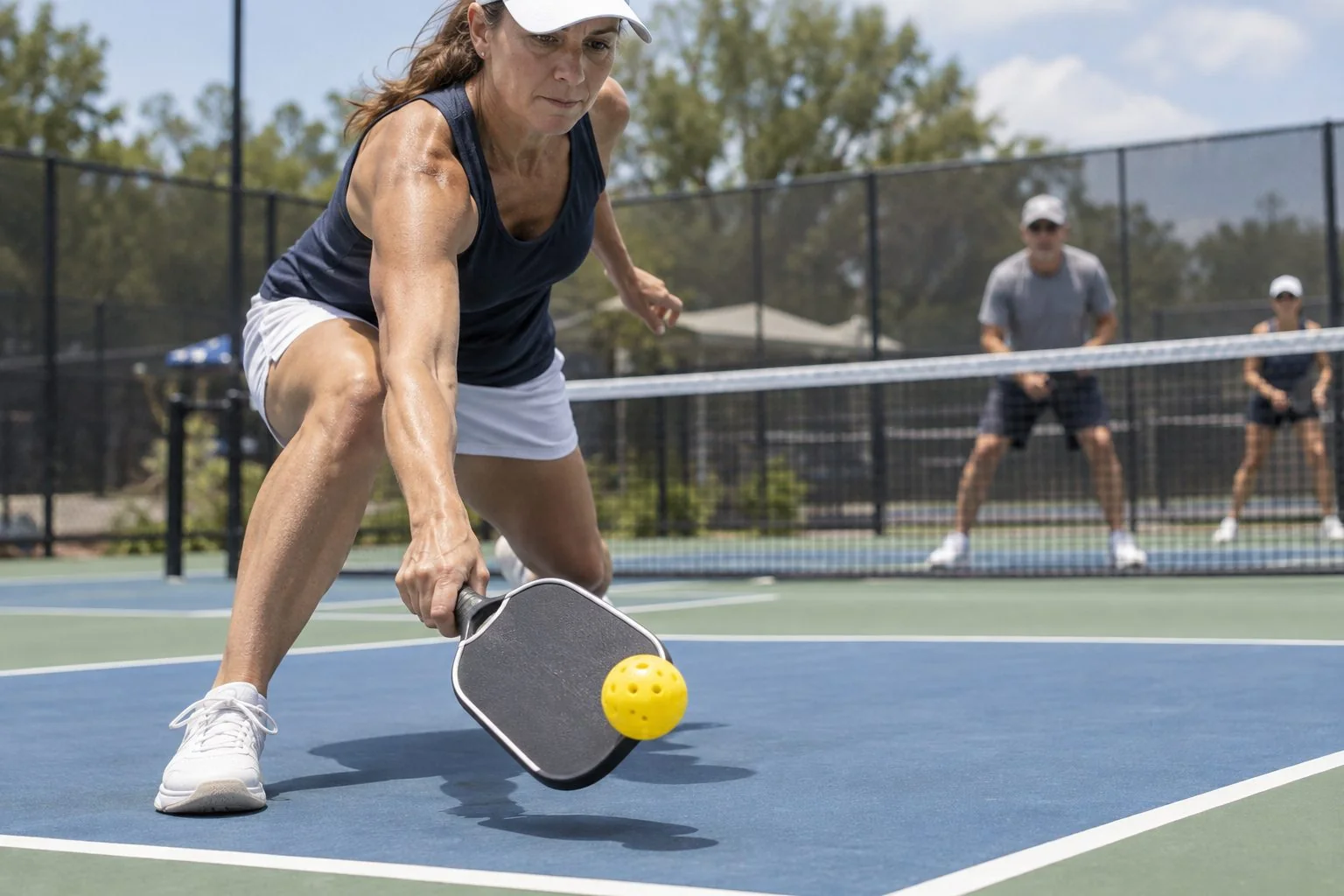
A low ball can force an awkward contact, especially when it skims close to the court. Players often call that shot a “scoop,” but the name alone does not decide whether the stroke is legal. The key question is how the ball meets the paddle and whether the player carries or deliberately throws it.

The simple test: one contact, no carry
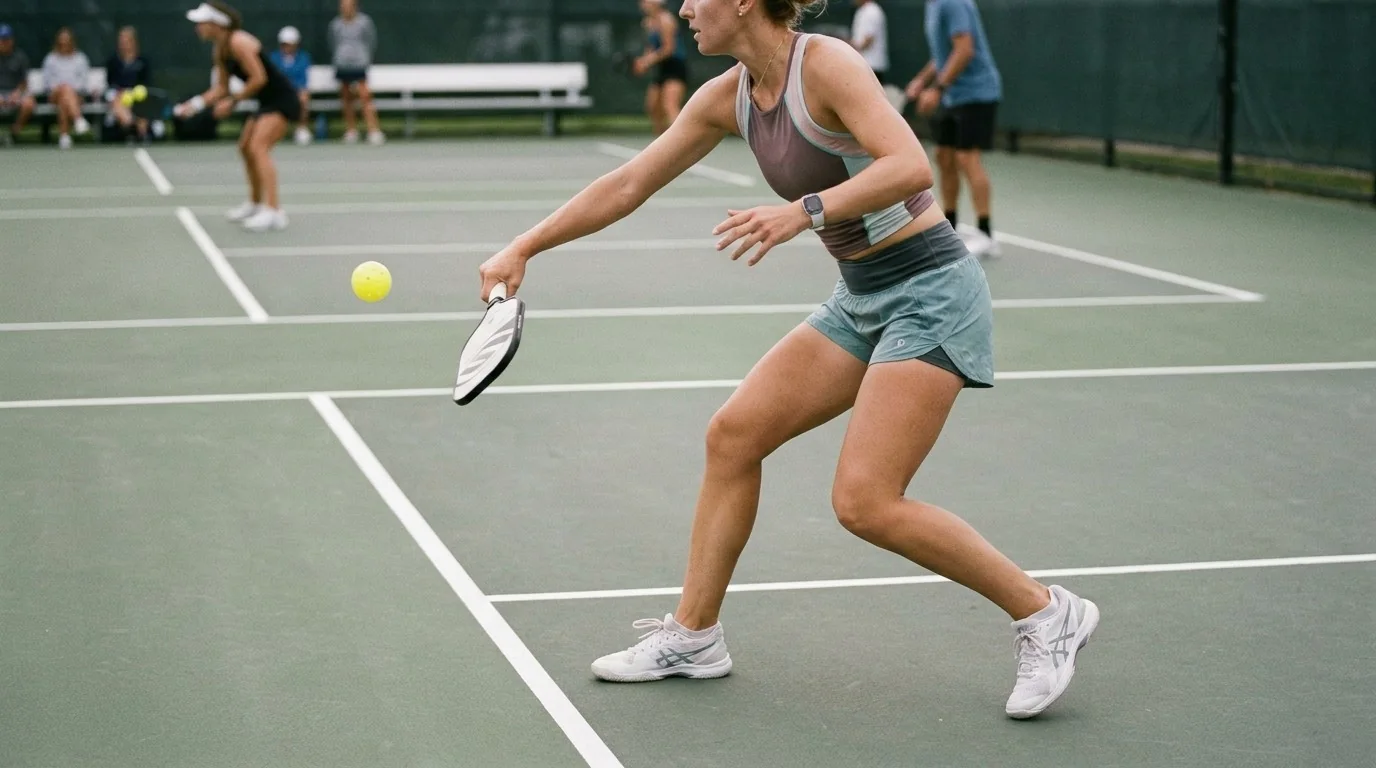
A normal pickleball stroke is legal when the ball makes a brief contact with the paddle face and then rebounds away. The paddle may travel upward, forward, or across the body. A player does not have to swing in a textbook arc, and a defensive pickup can look unusual without being a fault.
A carry occurs when the ball visibly comes to rest on the paddle or is guided along the face before being released. Think of the difference between a quick rebound and a ball that rides on the paddle. If the face cushions and transports the ball, the contact is no longer a clean hit. The same principle applies when the paddle is used to scoop, cradle, or throw the ball over the net.
The best practical test is to watch the contact rather than judge the player’s follow-through. A long follow-through does not automatically prove a carry. Conversely, a short motion can still be illegal if the ball is trapped or pushed along the face. When the contact is too fast to see clearly, avoid making a confident call based only on the sound or the shape of the swing.
Double hits and awkward defensive shots
A ball that touches the paddle twice during one continuous stroke is generally not the same as a carry. If the contacts happen during one uninterrupted motion, the shot can be legal. The ball may also glance off the paddle edge and then the face, provided the player does not deliberately create separate strokes.
The important distinction is intent and continuity. A single flowing motion that produces an accidental double contact is different from stopping, resetting the paddle, and striking the ball again. A player also cannot deliberately use two separate movements to manufacture extra control. In doubles, the ball may touch both partners’ paddles during one return sequence, but the partners must not intentionally pass it from one paddle to the other.
How to handle a close call
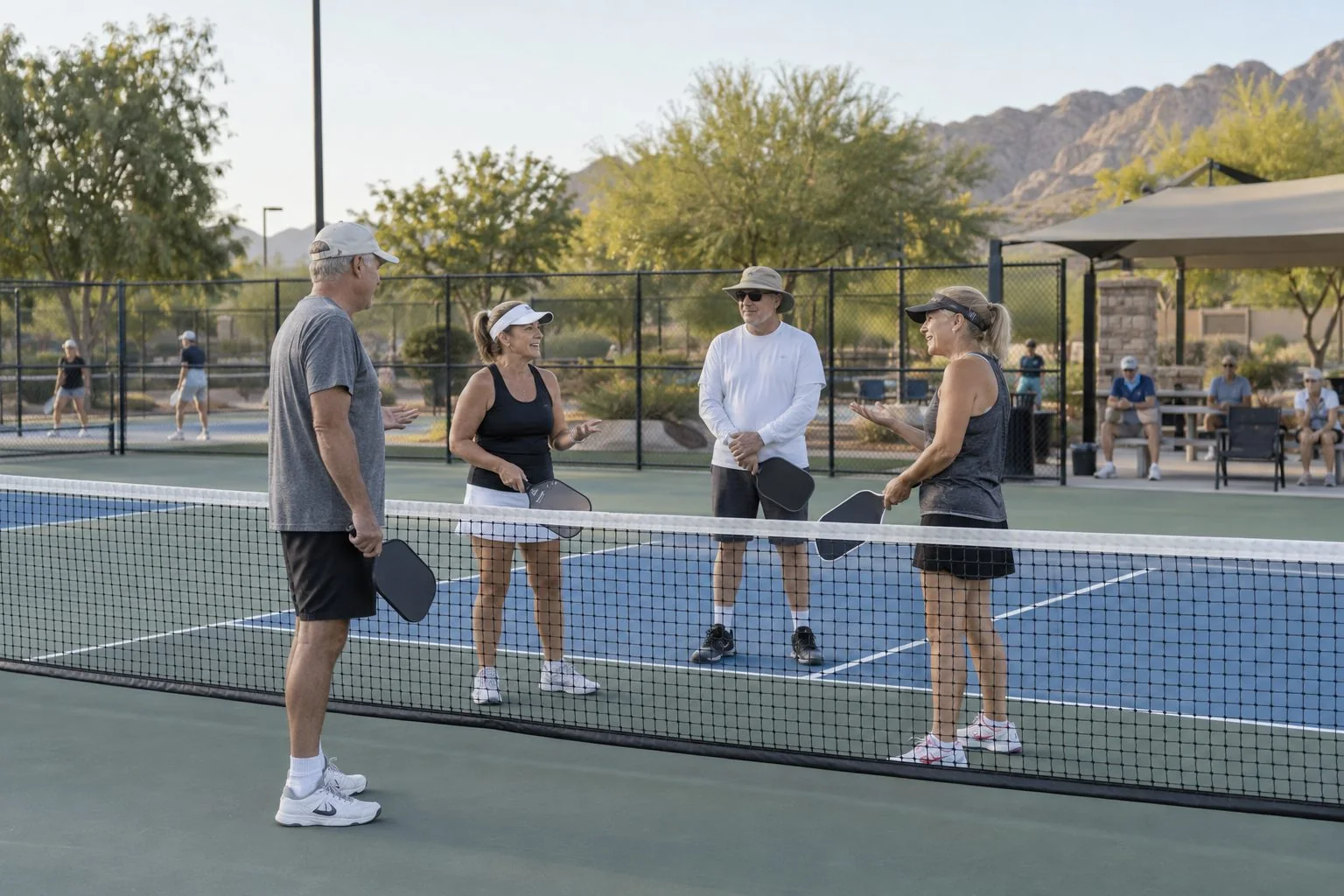
For recreational play, keep the decision narrow and respectful. First ask whether anyone had a clear view of the ball resting on or being carried by the paddle. If the evidence is unclear, do not turn a moment of defensive skill into an argument. Reset calmly according to the scoring and calling procedure your group uses, and agree on the standard before the next rally.
Competitive matches use the event’s officiating and challenge procedures, so players should not invent a new test in the middle of a game. A useful habit is to discuss the rule before play: brief rebound is acceptable, visible carry is not, and an accidental double hit during one continuous stroke is treated separately from two deliberate hits.
A short practice drill
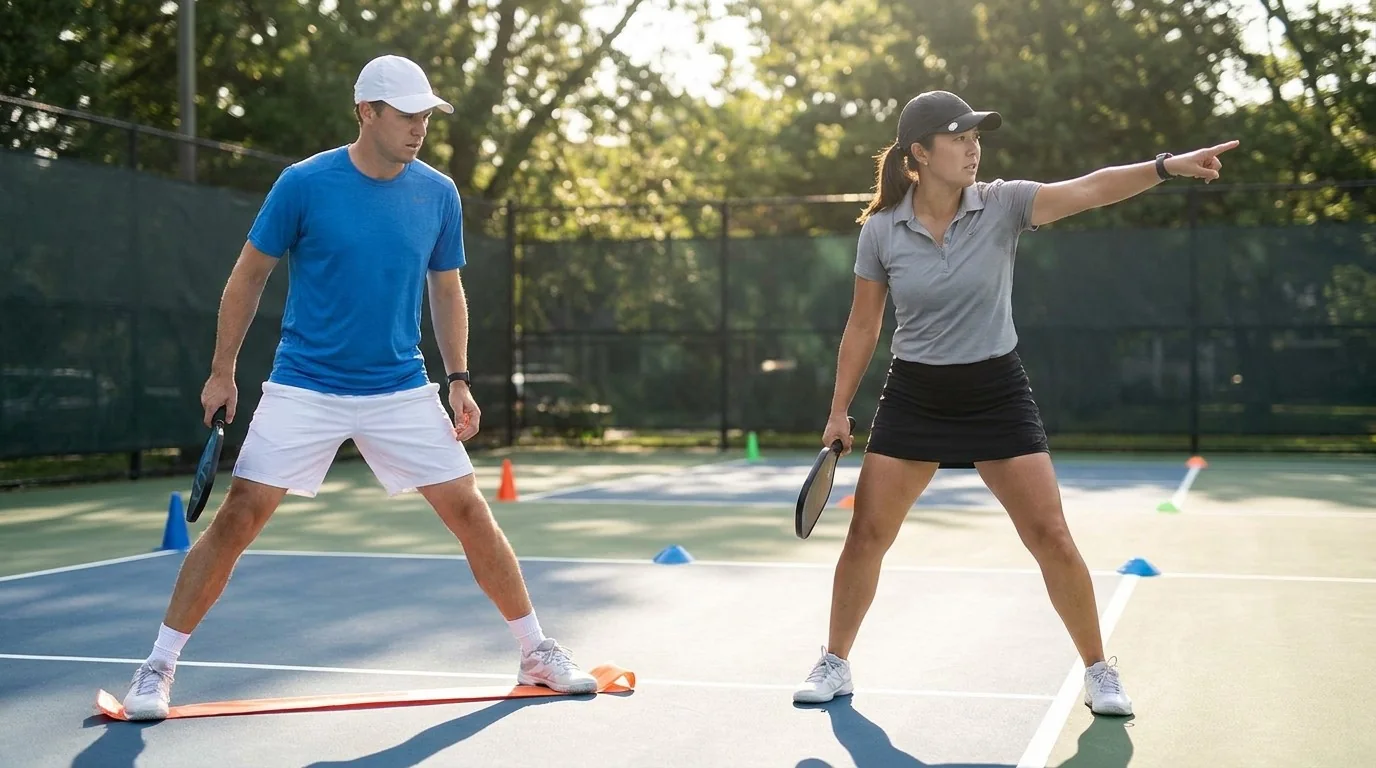
Have a partner feed low balls to both forehand and backhand sides. Start with a compact lift that lets the ball rebound clearly from the paddle. Then repeat with a slightly longer follow-through while keeping the face moving continuously. Ask the feeder to watch the contact, not the finish.
Finish with three checks: can you see the ball leave immediately, does the paddle keep moving through contact, and are you avoiding any pause that lets the ball ride on the face? The goal is not to make every pickup look identical. It is to build a repeatable, clean contact that remains easy for opponents and partners to read.