Pickleball Court Benches: A Safer Layout for Community Play
A practical guide to placing, anchoring, and maintaining pickleball court benches without blocking walkways or sightlines.
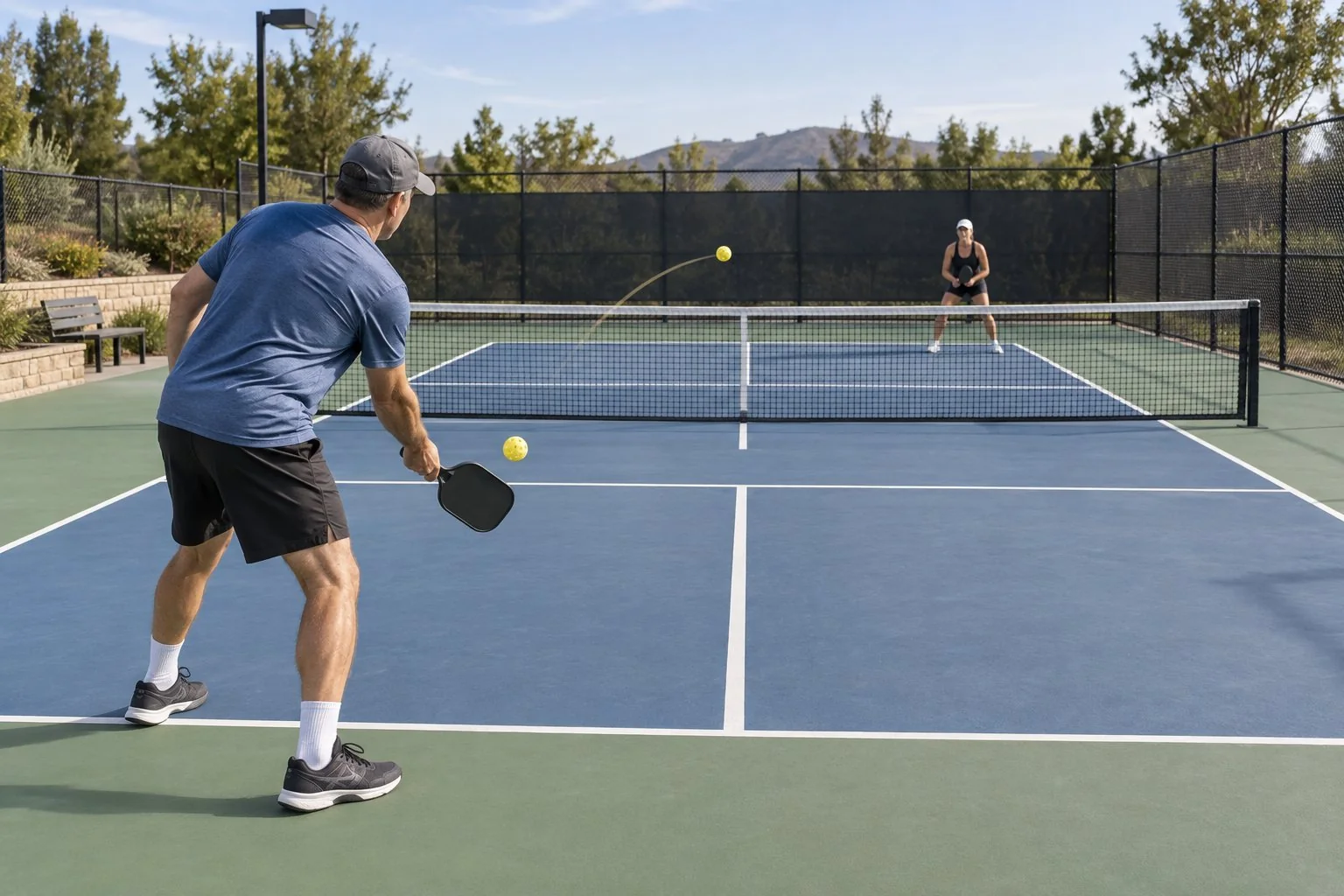
A good bench can make a community pickleball court more welcoming, but a poorly placed one can create a trip hazard, block a gate, or put spectators too close to fast-moving balls. Court seating works best when it is planned as part of the whole site rather than added wherever a spare piece of furniture fits. The goal is simple: give players and visitors a comfortable place to pause without narrowing circulation or distracting people during a rally.
Choose a location outside the playing envelope
Start by walking the court perimeter while carrying a paddle bag. Mark the baseline, sidelines, fence line, gates, and the main routes players use to retrieve balls. Benches should sit outside the playing area and outside the swing path near gates and corners. Leave a clear route from the entrance to the court, and make sure a seated person will not force others to squeeze between furniture and fencing.
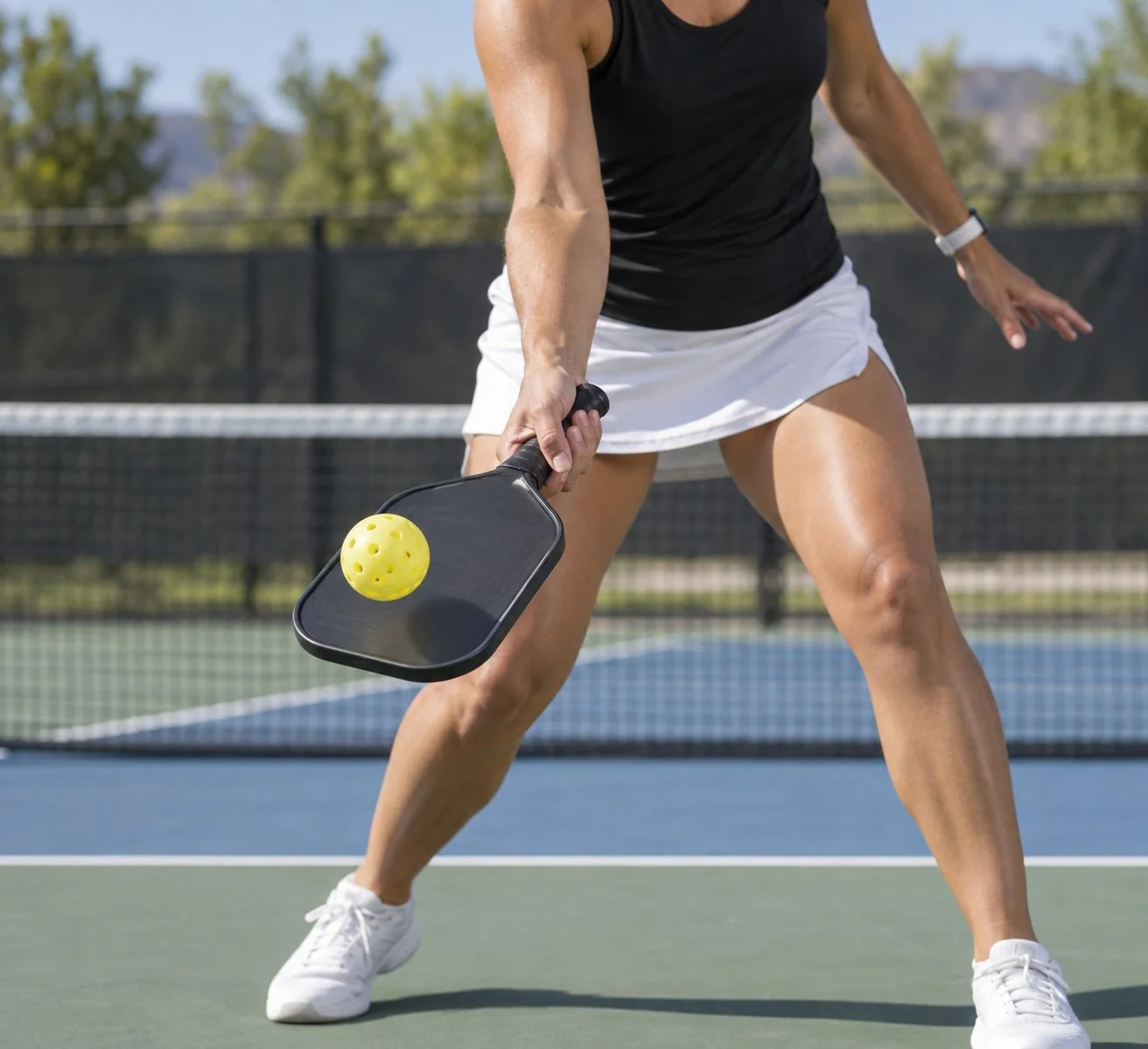
Avoid placing seating directly behind a baseline if the fence is close and players may chase a lob. A bench behind the sideline can also be a problem when neighbouring courts share a narrow walkway. Look at the space from both ends of the court, not just from the installation side. A location that seems clear while standing still may become crowded during open play, tournament changeovers, or a ball-retrieval rush.
Protect sightlines, access, and comfort
The best seat gives spectators a clear view without becoming a visual obstacle for players. Keep the top of the bench and any backrest below the useful sightline wherever possible. Do not place tall umbrellas, bins, or advertising boards where they hide the net, kitchen line, or incoming ball. If shade is needed, check the movement of the sun during the busiest playing hours and anchor the shade separately from the bench.
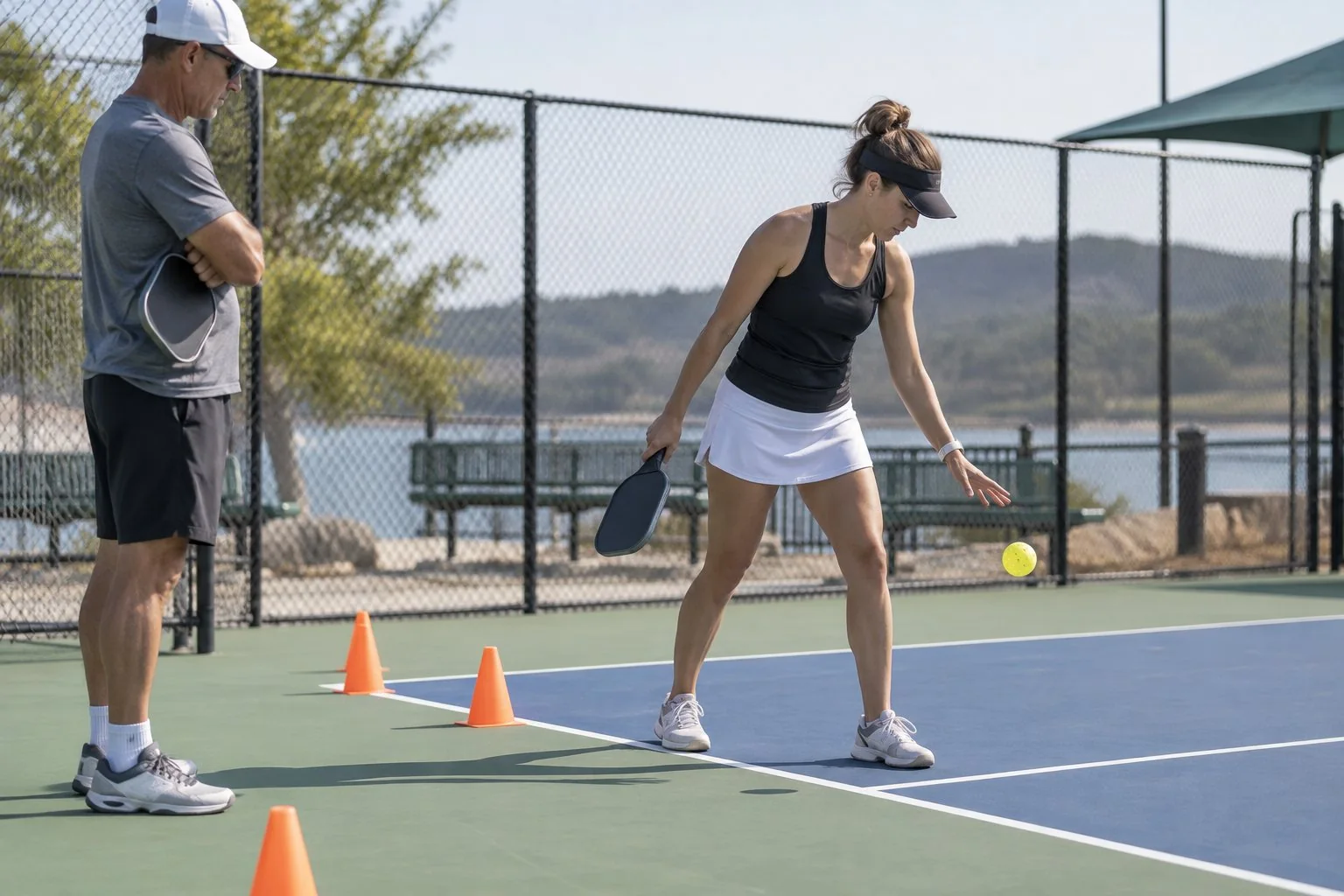
Choose outdoor furniture with rounded edges, stable feet, and surfaces that can be cleaned easily. Anchoring may be appropriate in windy areas or public facilities, but the fixing should not create a raised edge or exposed bolt. Inspect the ground beneath the bench after rain. Water that collects around furniture can soften the surface, encourage slipping, or make the area unpleasant for players waiting their turn.
Make shared-court use easier
On a multi-court site, seating should support rotation rather than encourage one group to claim the whole walkway. Place benches where waiting players can see which court is finishing, while leaving enough room for a player carrying equipment to pass. A small sign explaining open-play rotation may help, but keep it away from the primary sightline and do not cover the fence with clutter.
Set a practical limit on bags and water bottles. A bench is not a storage shelf, and equipment scattered beneath it can become a trip hazard. Encourage players to keep personal items to one side and leave the access route open. If a facility has frequent wheelchair users, older players, or families with children, observe actual movement during a busy session and adjust the layout based on that evidence.
Inspect the seating through the season
Check benches monthly and after severe weather. Look for loose fasteners, cracked boards, sharp corners, corrosion, rocking feet, and damaged anchors. Tighten or replace hardware before the defect becomes a fall risk. Wipe away algae and dirt with a suitable mild cleaner, then allow the surface to dry. Do not use a slippery coating on a seat or nearby walkway.
At the start of each season, repeat the full walk-through with players present. Watch a normal rally, a ball-retrieval sequence, and a court rotation. If anyone has to step into the playing area to pass the bench, move it. If spectators cannot see the action without leaning into the fence, reconsider the orientation. A modest, stable bench in the right place is more useful than extra seating that compromises safety.
A community court feels better when waiting, watching, and playing can happen together. Plan the clearances first, preserve the routes, anchor furniture responsibly, and keep checking the site as habits change. These small decisions help courts remain comfortable and usable for beginners, regulars, and spectators alike.