Pickleball Court Emergency Response Plan: A Practical Host Checklist
A practical checklist for placing, stocking, and operating a first-aid station at a shared pickleball facility.
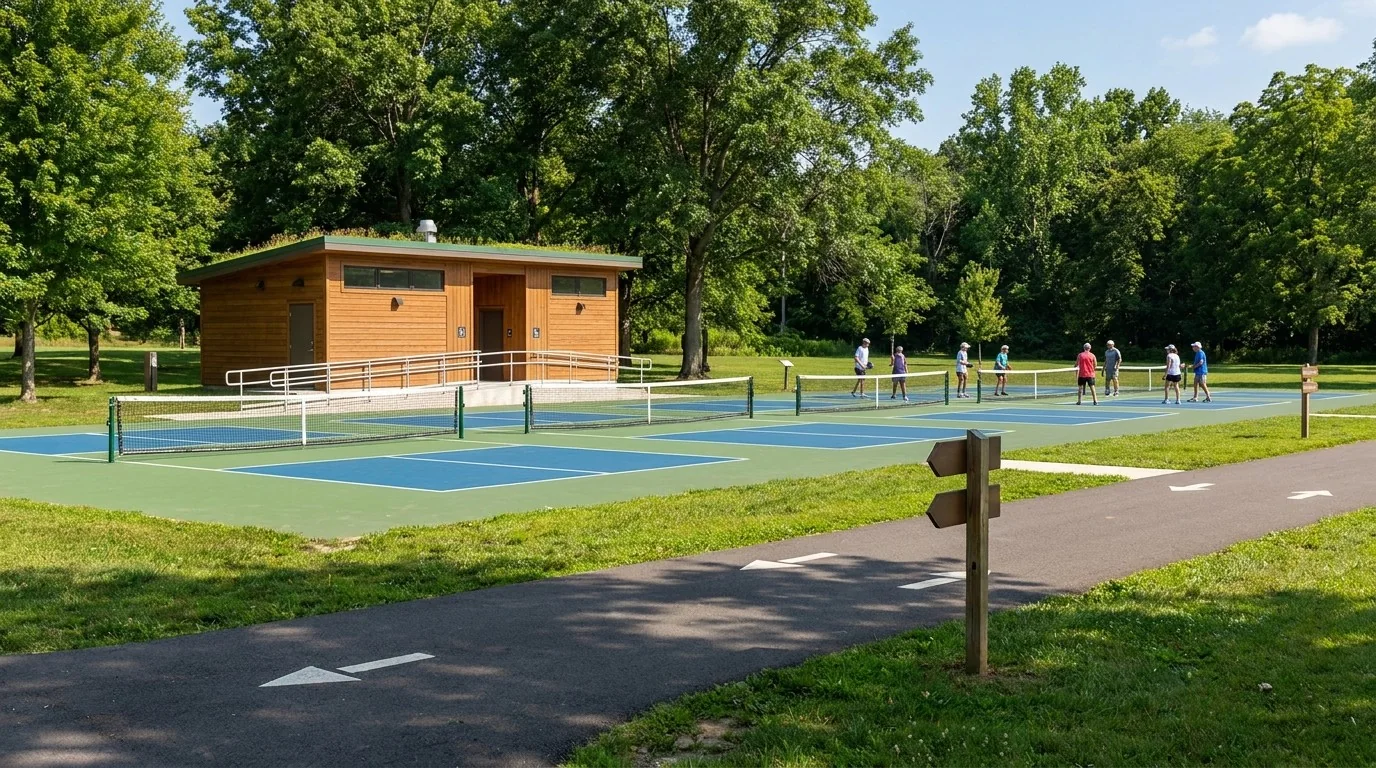
A first-aid station will not prevent every pickleball injury, but a visible, stocked setup can shorten the time between a problem and appropriate help. Community courts serve beginners, older adults, tournaments, and families, so the plan needs to work for more than one kind of player. Place the supplies well, explain the response, and check the station before play begins.
Choose a visible, reachable location
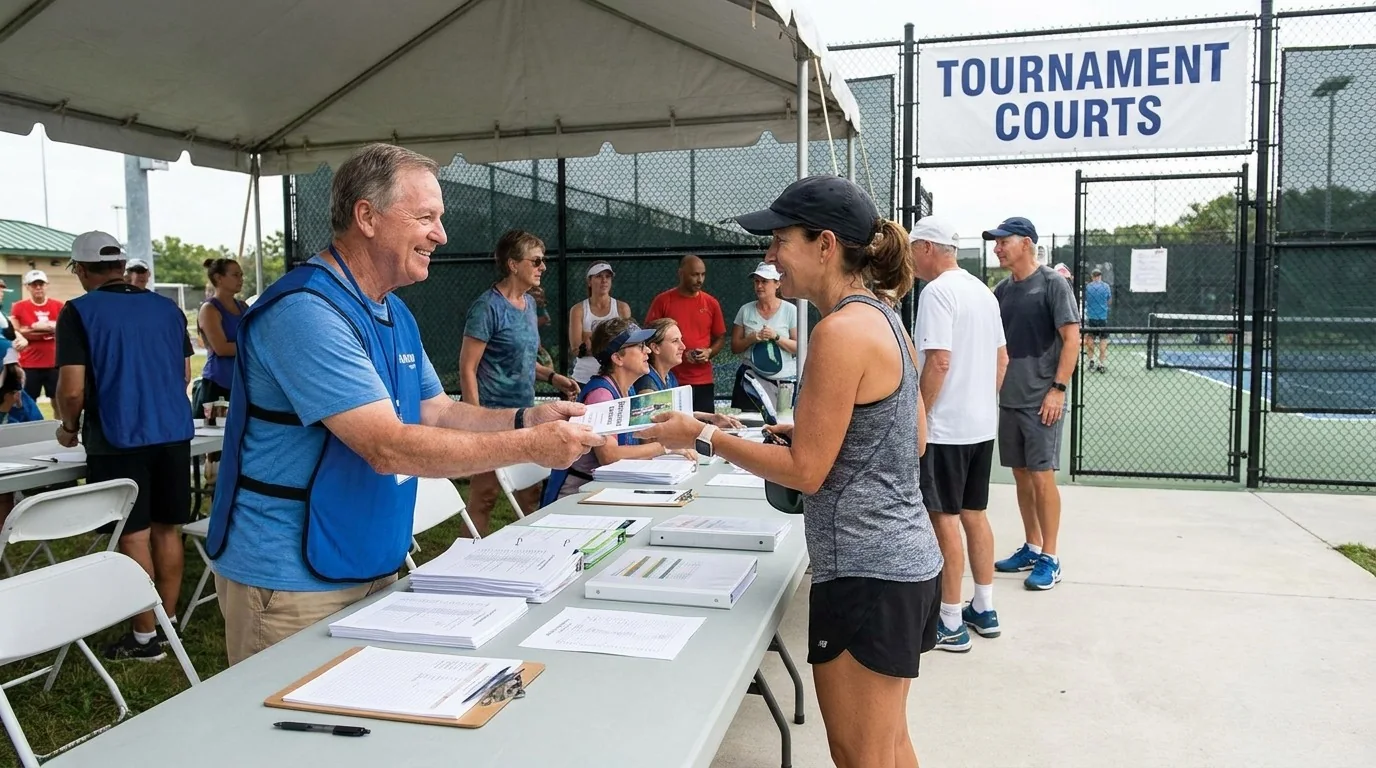
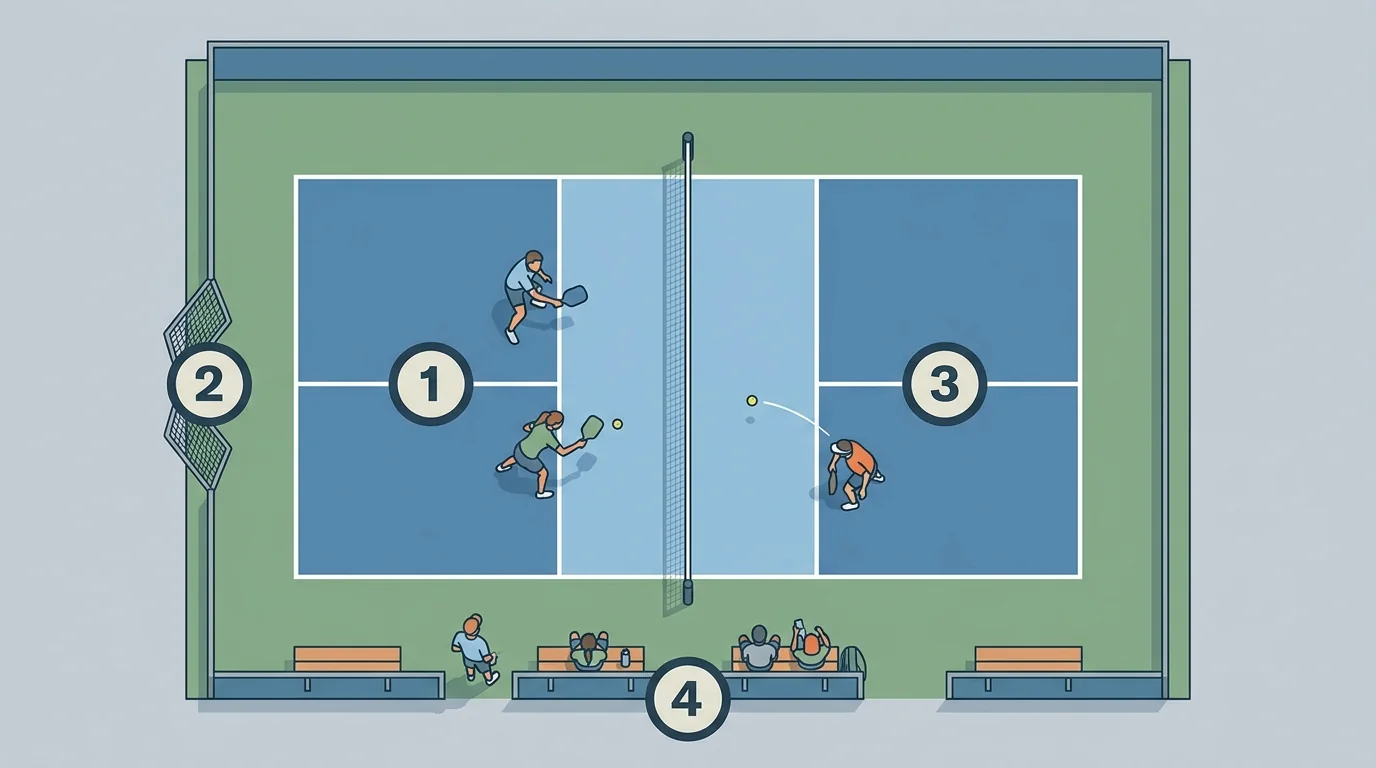
Place the station near the court entrance, reception point, or another spot players can identify without stepping onto an active court. Keep the route clear of benches, ball carts, spare nets, and temporary tournament tables. It should be reachable during normal play and after hours when the facility is open, while still meeting local accessibility and building requirements.
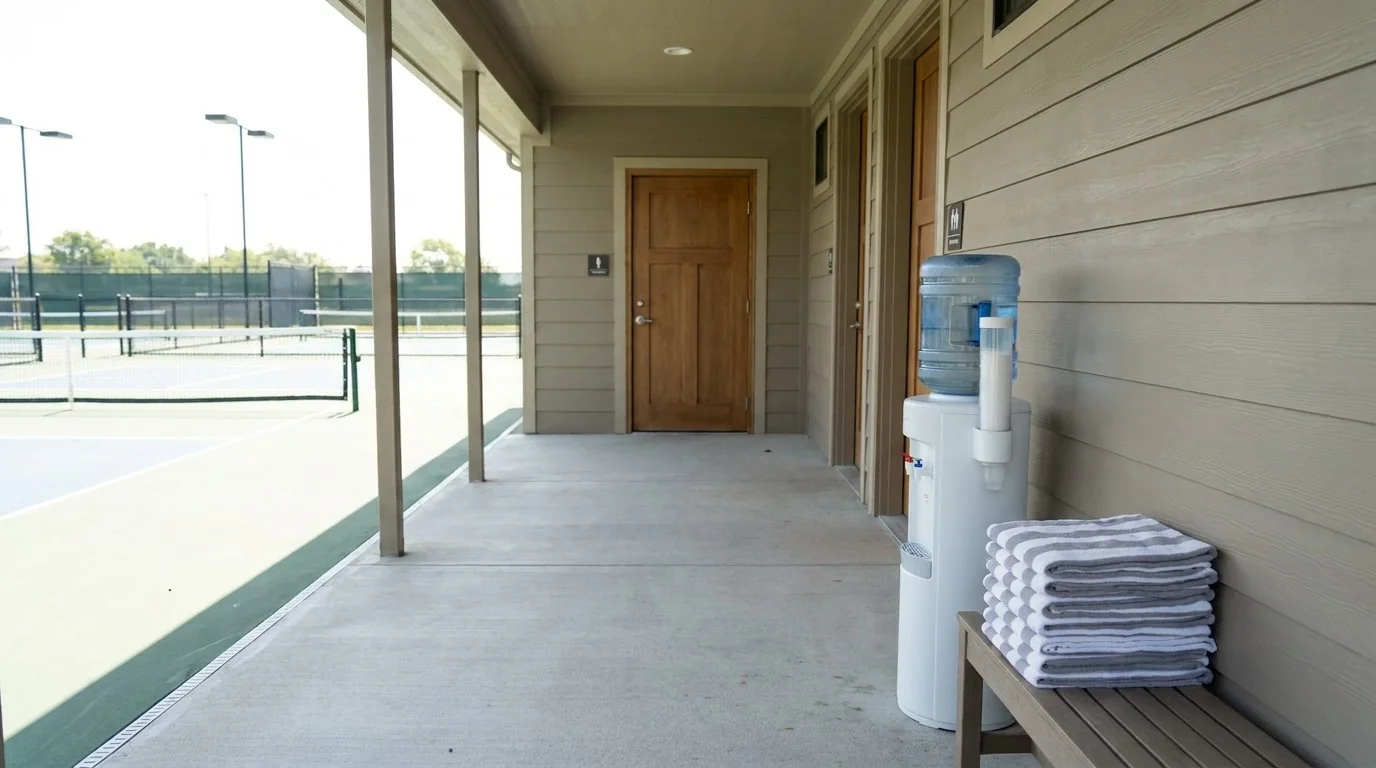
Use a simple sign or map at check-in. Players should know who to contact, where the station is, and how to reach emergency services. A first-aid kit is not a replacement for trained medical care. Post the local emergency number and the exact venue address so a caller does not have to search for them while stressed.
Stock practical supplies
A basic kit can include adhesive bandages in several sizes, sterile gauze, medical tape, antiseptic wipes, disposable gloves, a cold pack, scissors, tweezers, a CPR barrier, and a small flashlight. Choose supplies that fit the facility and local guidance. Keep medicines and anything requiring special handling under a policy staff can explain. Do not assume every player can safely use an over-the-counter product.
Check seals, expiration dates, packaging, and quantities on a regular schedule. Replace anything used or damaged immediately, and keep a short inventory card inside the cabinet. Store supplies dry and away from direct sun and extreme heat. If an automated external defibrillator is available, manage its location, status checks, and trained-user process according to the manufacturer’s instructions and local requirements.
Build a response routine
For a minor scrape, stop play, move the player away from traffic, use gloves, and provide only the assistance the responder is trained to give. For severe bleeding, chest pain, breathing trouble, suspected head or spinal injury, loss of consciousness, or another emergency, call local emergency services and follow the dispatcher’s instructions. Do not move someone unnecessarily after a serious fall.
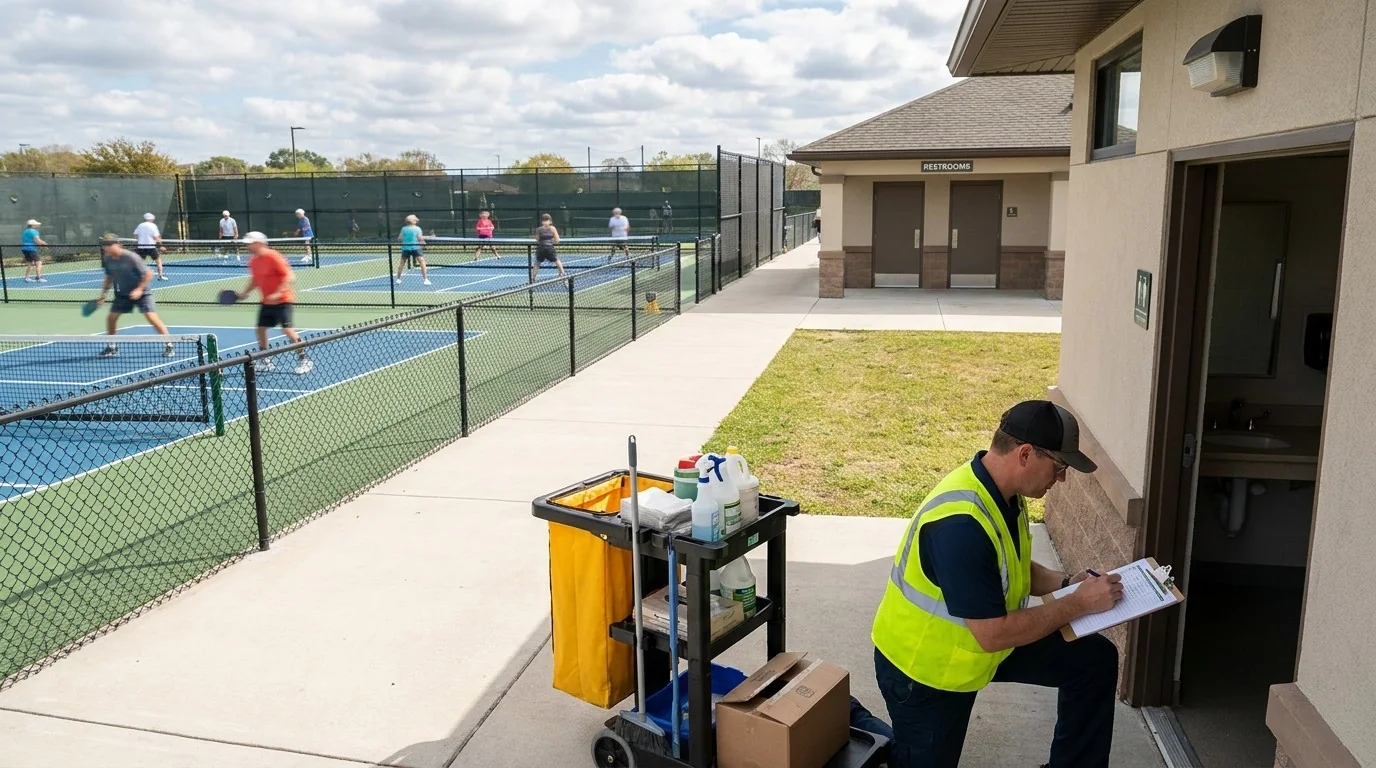
Assign responsibilities before a busy session. A host should know where the kit is, how to unlock it, how to call for help, and how to keep other players clear. Record restocking and equipment checks without collecting more personal health information than the facility needs.
Use an opening checklist
- Confirm that the kit is visible, reachable, and unlocked when the facility is open.
- Check gloves, gauze, bandages, cold packs, scissors, and the flashlight.
- Verify the emergency contact information and venue address.
- Walk the route without crossing an active court or blocked gate.
- Tell staff or hosts who responds and who meets emergency responders.
- Record missing supplies and replace them before the next session.
A first-aid station works best as part of a broader facility plan: clear routes, trained hosts, good lighting, safe surfaces, and an agreed emergency procedure. Make the station easy to find, check it before real play starts, and review the setup after tournaments or unusually busy sessions.