Pickleball Court Maintenance: A Practical Cleaning and Repair Routine
Keep a pickleball court playable and safer with a repeatable routine for debris removal, drainage checks, crack inspection, net care, and condition-based resurfacing.
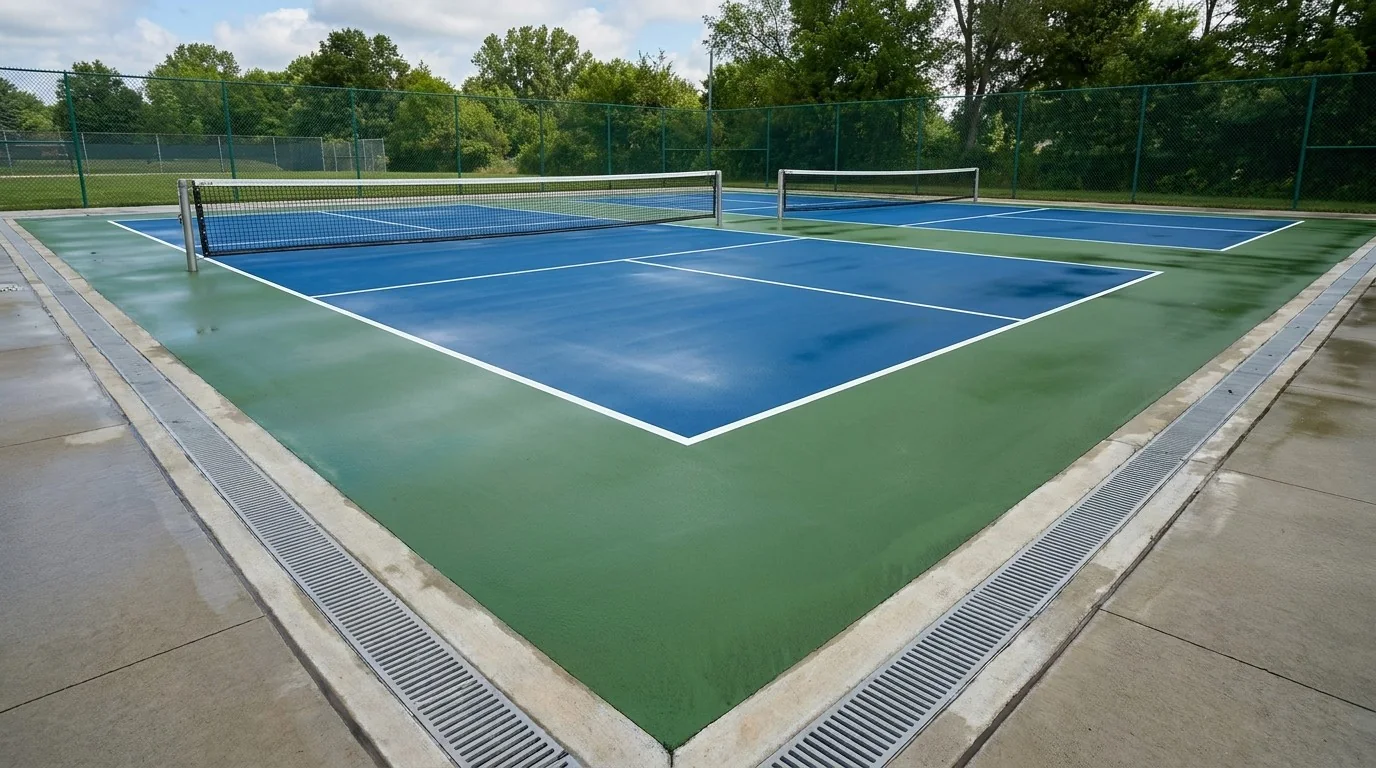
A pickleball court is easier to keep playable when maintenance happens before a small defect becomes an emergency repair. Routine cleaning removes grit and organic debris. Regular inspections reveal cracks, drainage trouble, and worn areas while they are still easier to assess. Equipment checks prevent avoidable interruptions. The right schedule depends on traffic, weather, the surface system, and the facility’s maintenance plan.
Keep the playing surface clean
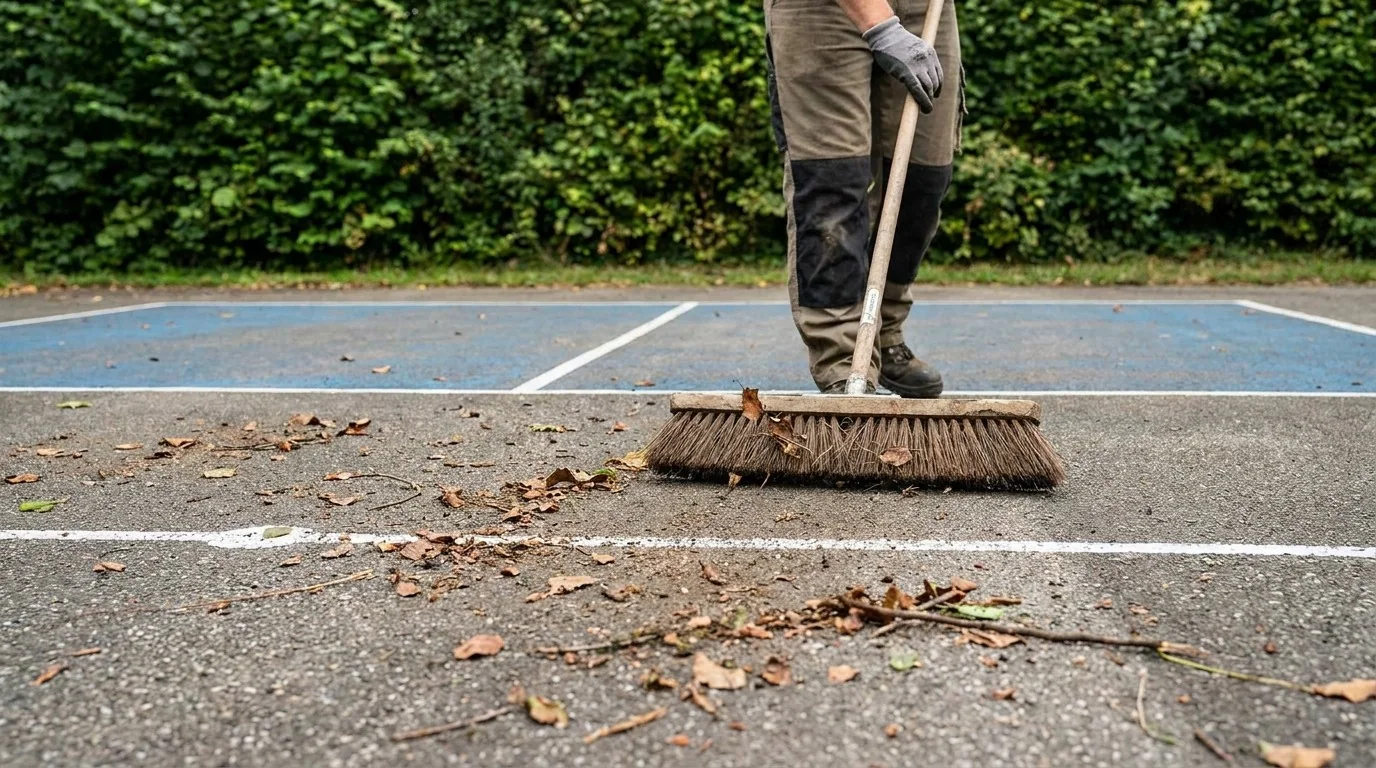
Remove leaves, dirt, and loose material with tools that will not gouge or scratch the court. Organic debris can hold moisture against the coating, while grit can wear the finish as players move over it. After rain, clear standing water and take note of any area that repeatedly stays wet. Moving the water away is not the same as finding out why it collects there.
Use a mild cleaning method that is compatible with the surface. Follow the surface manufacturer’s instructions and avoid chemicals that can attack acrylic coatings. Equipment that concentrates pressure or leaves scratches can create another repair problem. A clean court also makes faded lines, peeling, cracks, and unusual wear easier to spot.
Check cracks, drainage, and traction
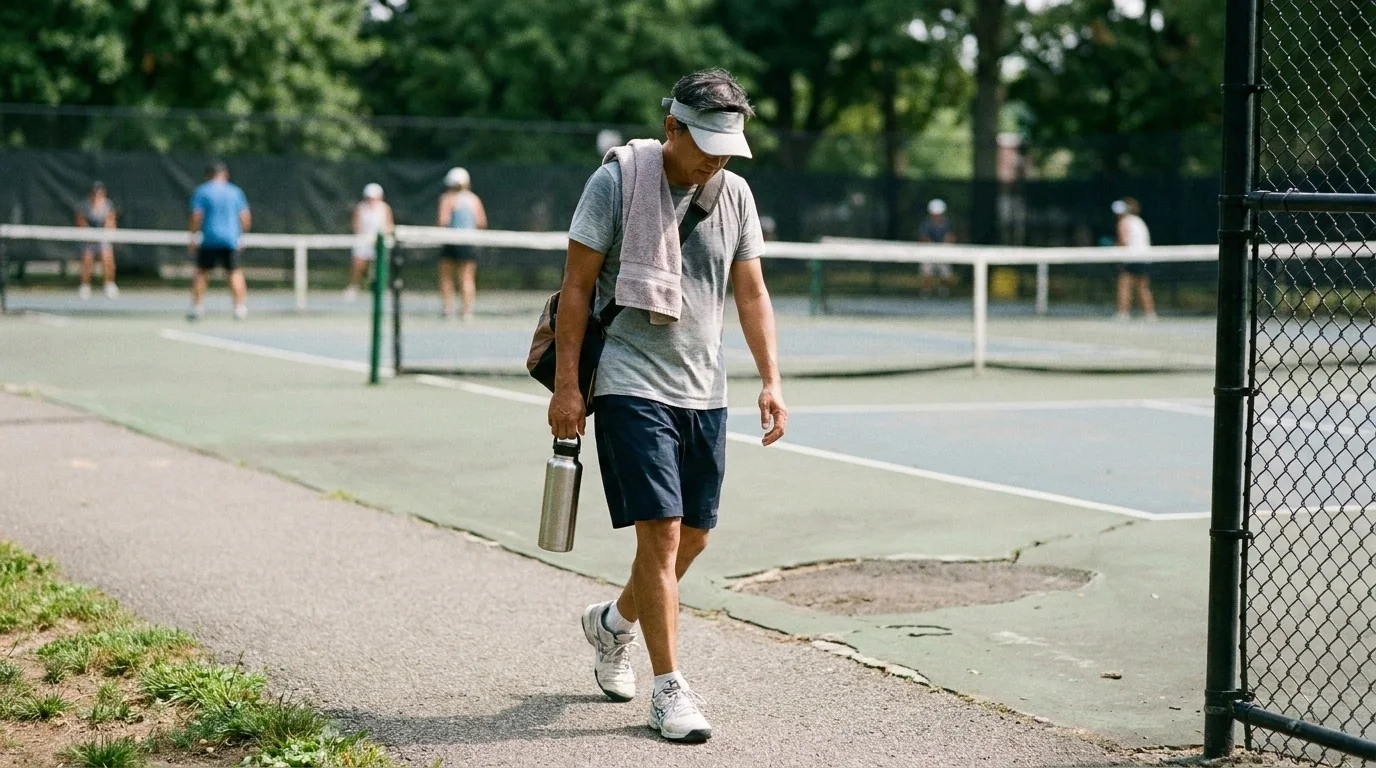
Walk the court on a consistent schedule and record what changes. Look for hairline cracks, cracks that are spreading, raised edges, peeling, and areas where the bounce or footing feels different. Early notes make it easier to tell ordinary surface wear from a developing problem. A crack that points to movement in the base, a large damaged section, or standing water that will not go away may need assessment by a qualified court contractor. A cosmetic patch is not a substitute for diagnosing a structural issue.
Give drainage a separate check. Clear perimeter channels, then observe the court after rain. If water continues to pool in the same place even when the channels are open, the court may have a grading or base problem. A new coating should not be treated as a solution for failed drainage.
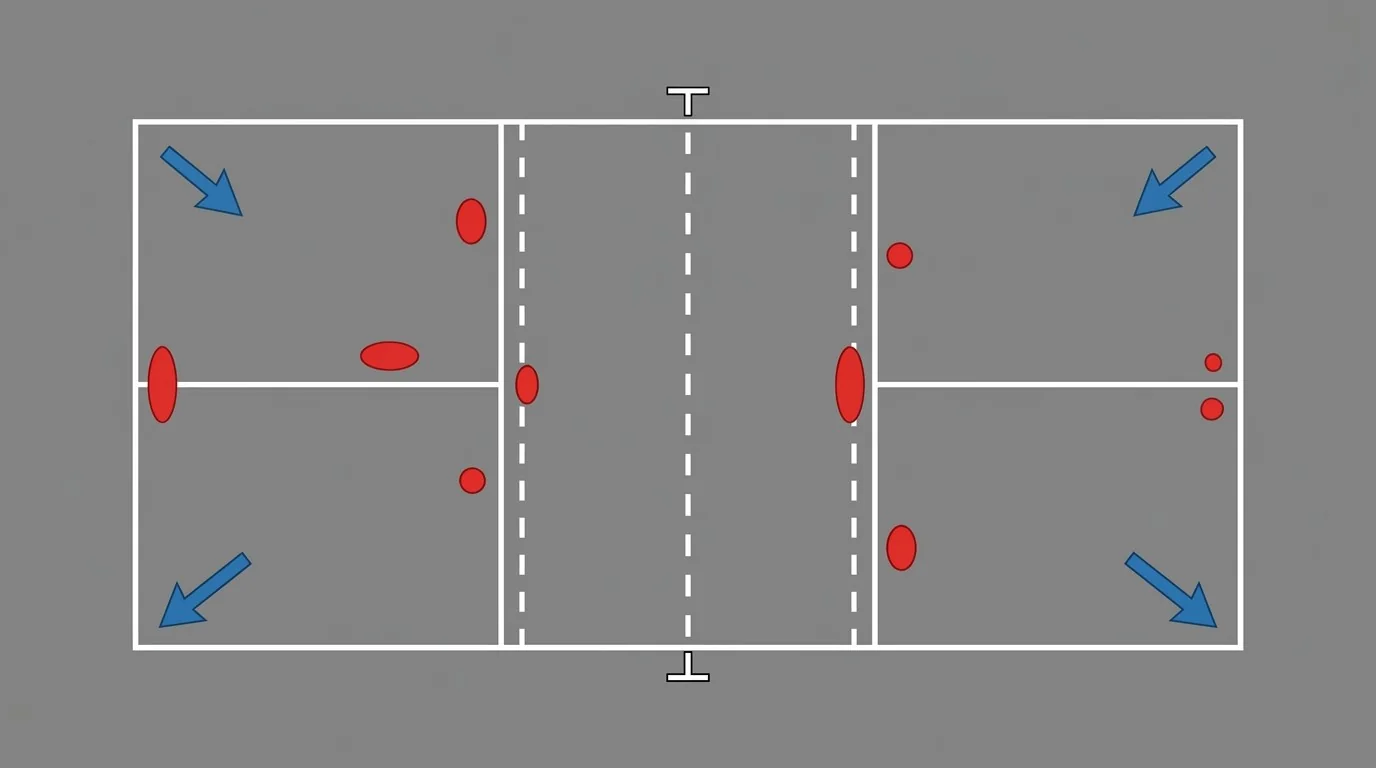
Resurfacing involves more than applying paint. Depending on the condition, it can include surface preparation, crack repair, compatible coating layers, and new lines. Consider the court’s condition, use, climate, and maintenance history when deciding whether professional assessment is needed. A calendar alone cannot show what the surface is doing.
Inspect the net and the court surroundings
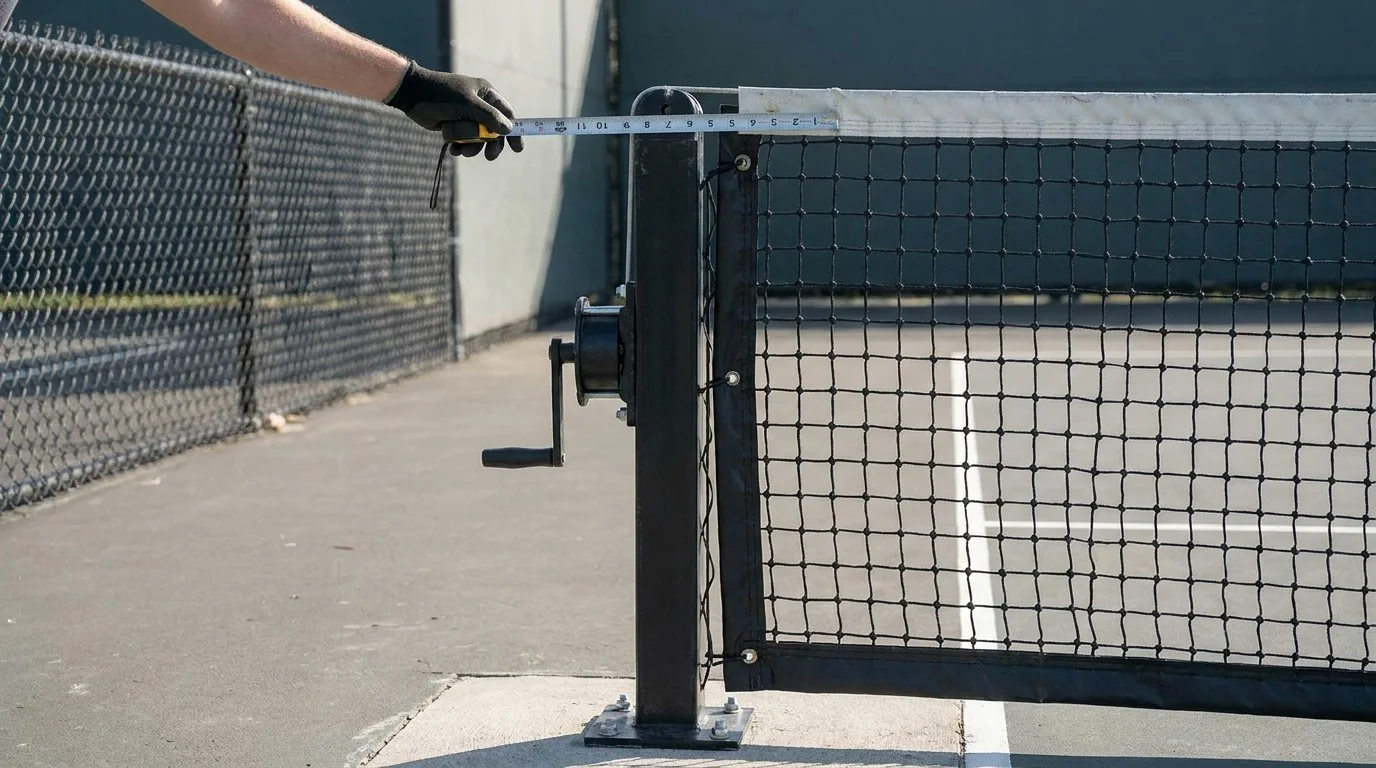
Check the net height and tension, post stability, anchors, sleeves, and visible wear. A loose or damaged post can affect play and create a hazard. Include the fencing, gates, benches, dividers, and nearby obstacles in the same walk. This matters especially at shared facilities, where equipment or loose debris can enter the playing area.
Keep repair materials and temporary barriers outside active play until the work is finished. If the surface is wet, damaged, or otherwise unsafe, close the court or separate the affected area according to the facility’s procedures.
Use a repeatable checklist
- Remove leaves, grit, and loose debris without damaging the coating.
- Clear standing water and check whether drainage routes are blocked.
- Record cracks, peeling, faded lines, unusual bounce, and traction changes.
- Inspect the net, posts, fence, gates, and nearby player areas.
- Use cleaning and repair methods that suit the surface system.
- Escalate structural cracks, persistent pooling, or widespread wear for professional assessment.
- Plan resurfacing and line renewal from actual condition, traffic, and climate.
A simple inspection record helps separate ordinary dirt from a defect that needs action. It also keeps the work in a sensible order: remove contamination, understand the condition, and then choose a remedy that fits both the surface and the problem.