Pickleball Dink Rhythm: Build a Repeatable Tempo Under Pressure
A practical guide to building a repeatable dink rhythm through preparation, touch, target choice, and recovery.
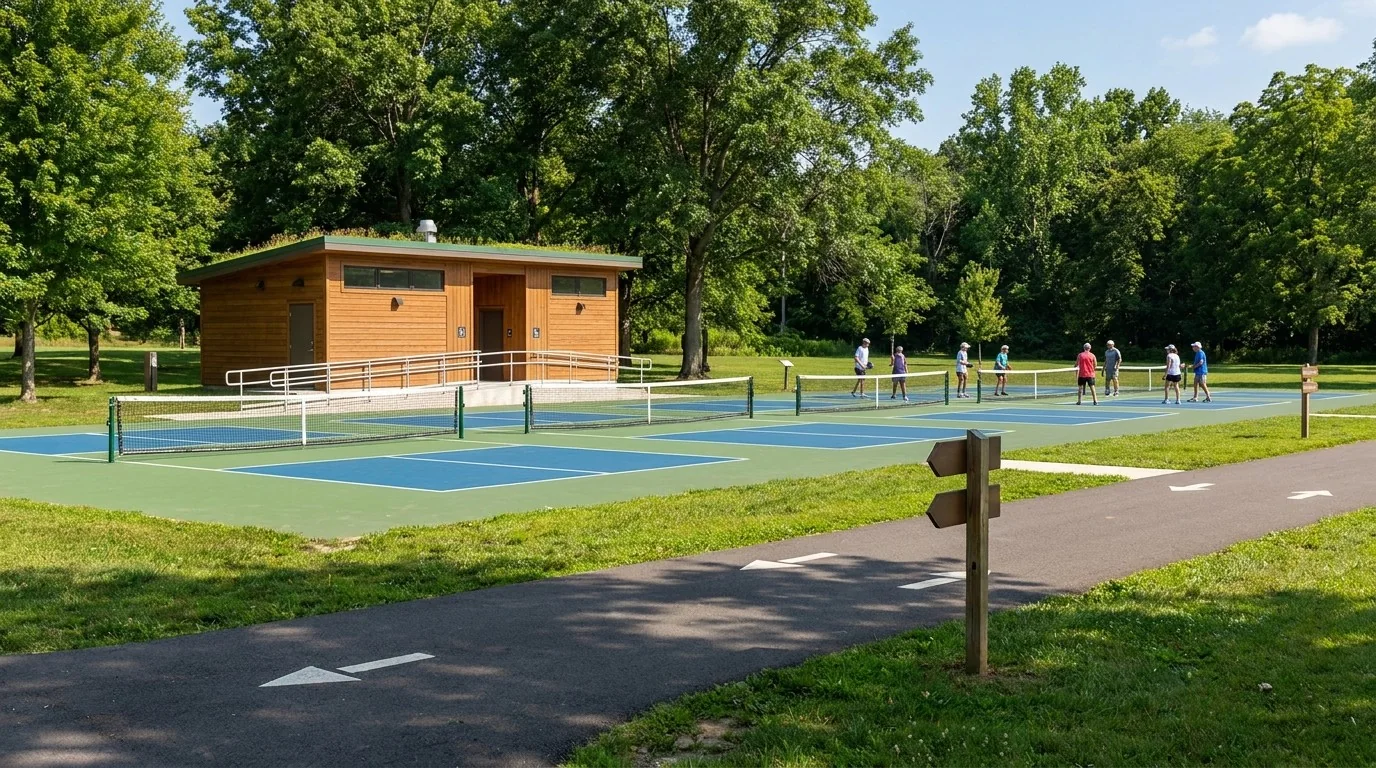
A dependable dink exchange has a rhythm, but it is not a metronome. Prepare before the ball reaches you, read the opponent’s contact, make a quiet touch, and rebuild your base before the next ball. That sequence helps you avoid rushing a manageable ball and leaves time to decide whether to hold your line, move, or change direction.
Build the setup before the bounce
Keep the paddle in front of your body as the ball crosses the net. Use small adjustment steps so you arrive behind the ball instead of reaching from a fixed stance. Your chest, feet, and paddle should be organised for contact; the aim is not to create a perfect-looking swing after you are already late.
Keep the preparation short. A large backswing makes the timing fragile and can turn a neutral dink into a pop-up. Let the incoming pace do part of the work. Guide the ball with a stable paddle face and a compact forward movement, then return the paddle to a useful ready position.
Let the ball set the tempo
A steady rhythm does not mean hitting every dink at the same speed. When the incoming ball is firm, soften your hands and allow it to settle on the strings. When the ball is slower, take a small adjustment step and create enough pace without swinging harder than your balance allows. The important question is whether your contact gives the opponent an easy attack, not whether the stroke felt powerful.
Watch the opponent’s contact height. A ball struck below net height usually calls for patience and extra margin. A ball that rises into a comfortable window can support a firmer placement, but only when your feet are set and the target is clear. If the ball is pulling you out of position, protect the exchange first and rebuild your base.
Use three simple cues
Think prepare, touch, recover. Prepare the paddle before the bounce. Touch the ball in front of your body with a quiet head and a controlled arc. Recover your feet and paddle while watching the opponent’s next contact. The cues create a consistent decision cycle without forcing a robotic cadence.
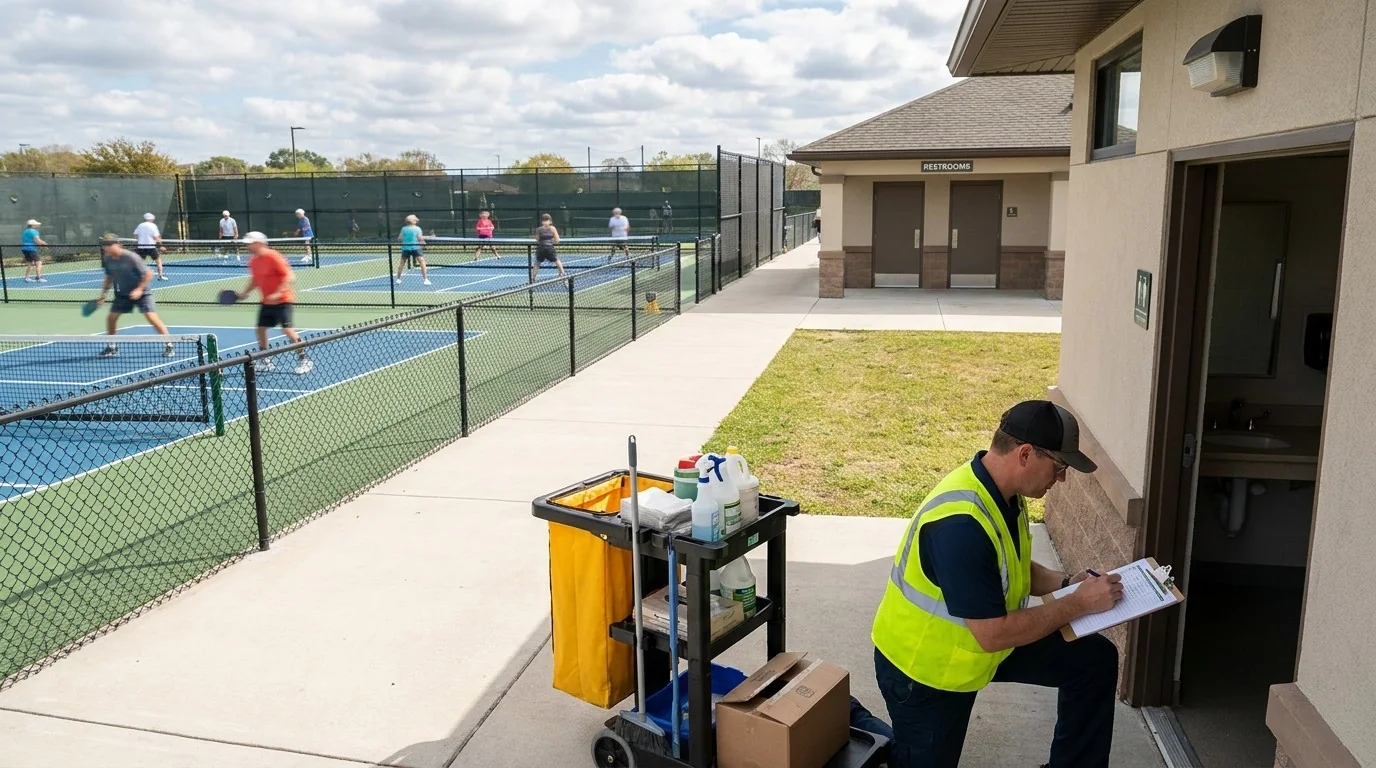
When the exchange speeds up, make the movements smaller rather than trying to swing faster. Keep the paddle in the same ready window, shorten the contact, and use one or two adjustment steps to stay connected to the ball. The useful rhythm is the one that leaves you prepared for the next shot.
Hold the direction before changing it
Crosscourt dinks usually give you more net margin and a longer path to the target. Use that option to settle the exchange and move the opponent gradually. Change direction only when the ball is high enough, your balance is stable, and the new target is open. A rushed line change can break your rhythm and expose the middle.
If your partner is moving, communicate early and keep your recovery position connected. After contact, do not watch the ball. Bring the paddle back, regain your spacing, and read the next opponent contact together.
Practise the sequence under pressure
Start with cooperative crosscourt dinks. Count prepare, touch, recover for ten exchanges, focusing on balanced feet and a quiet paddle. Then have the feeder vary the pace slightly while you keep the same compact preparation. Finally, allow a direction change only after the ball reaches a comfortable height. Stop the drill when your posture collapses; reset the rhythm instead of rehearsing a rushed contact.
Use three questions after each sequence: Did I prepare before the bounce? Did I contact the ball in front? Did I finish ready for the next ball? Those answers tell you more about dink consistency than the number of balls that crossed the net.
A repeatable dink rhythm comes from early preparation, soft hands, useful net margin, deliberate targets, and immediate recovery. Build that sequence until you can keep a calm tempo even when the exchange becomes fast.