Technique
Pickleball Movement Timing: Land Balanced Before You Move
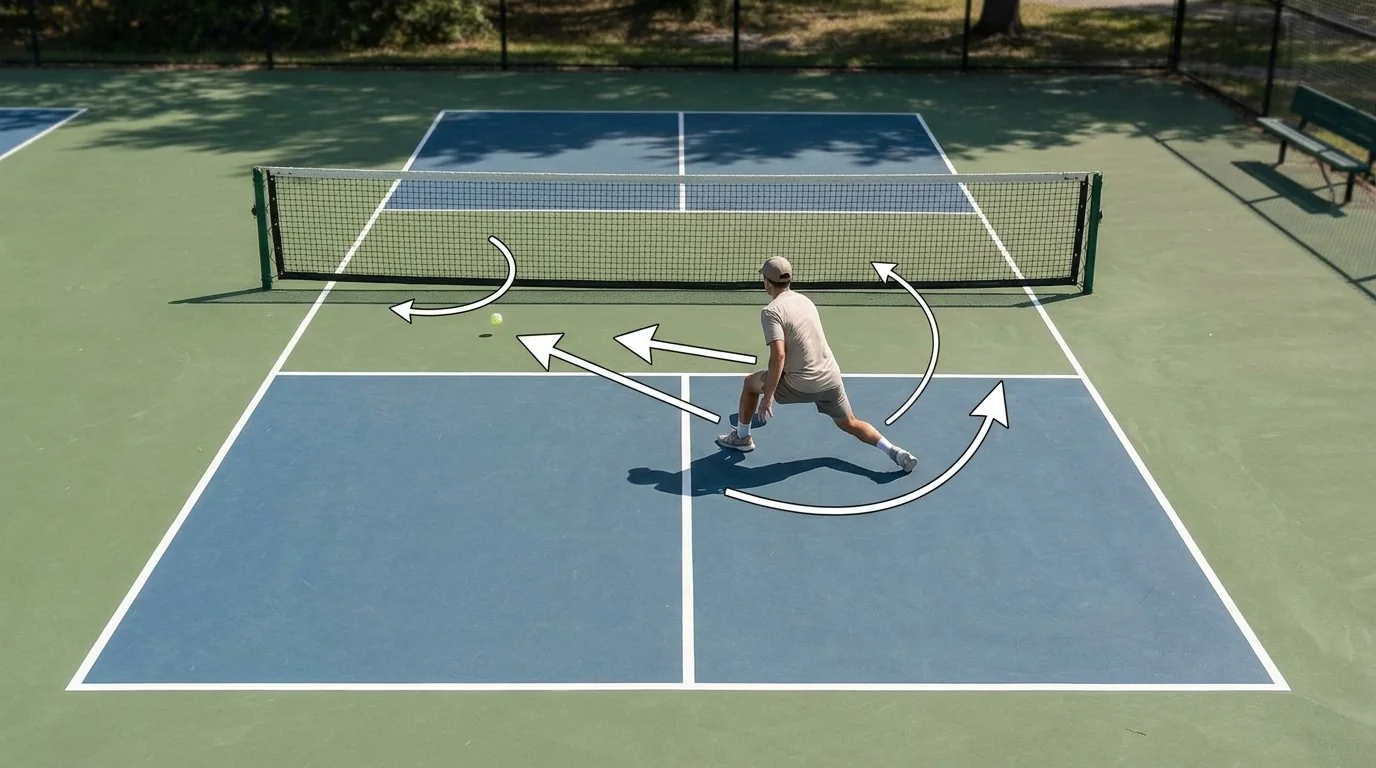
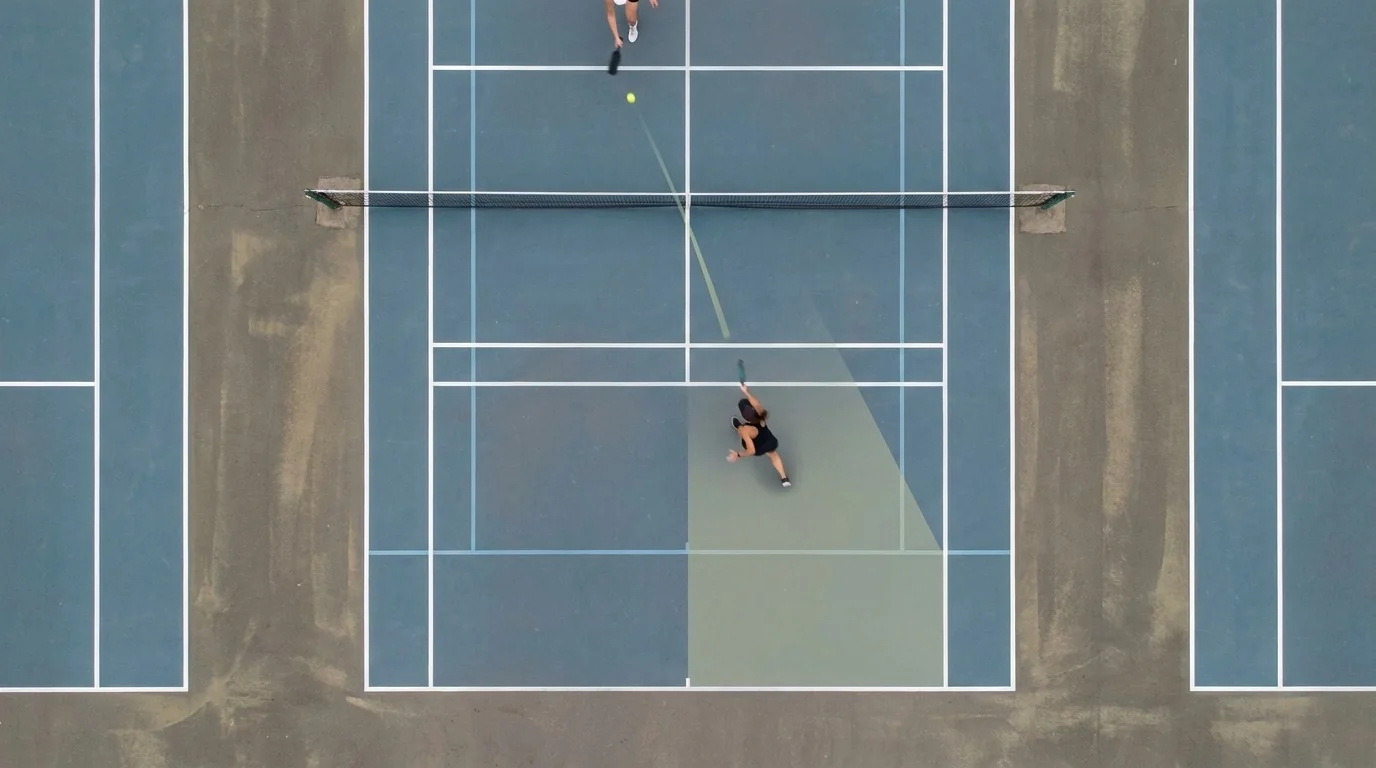
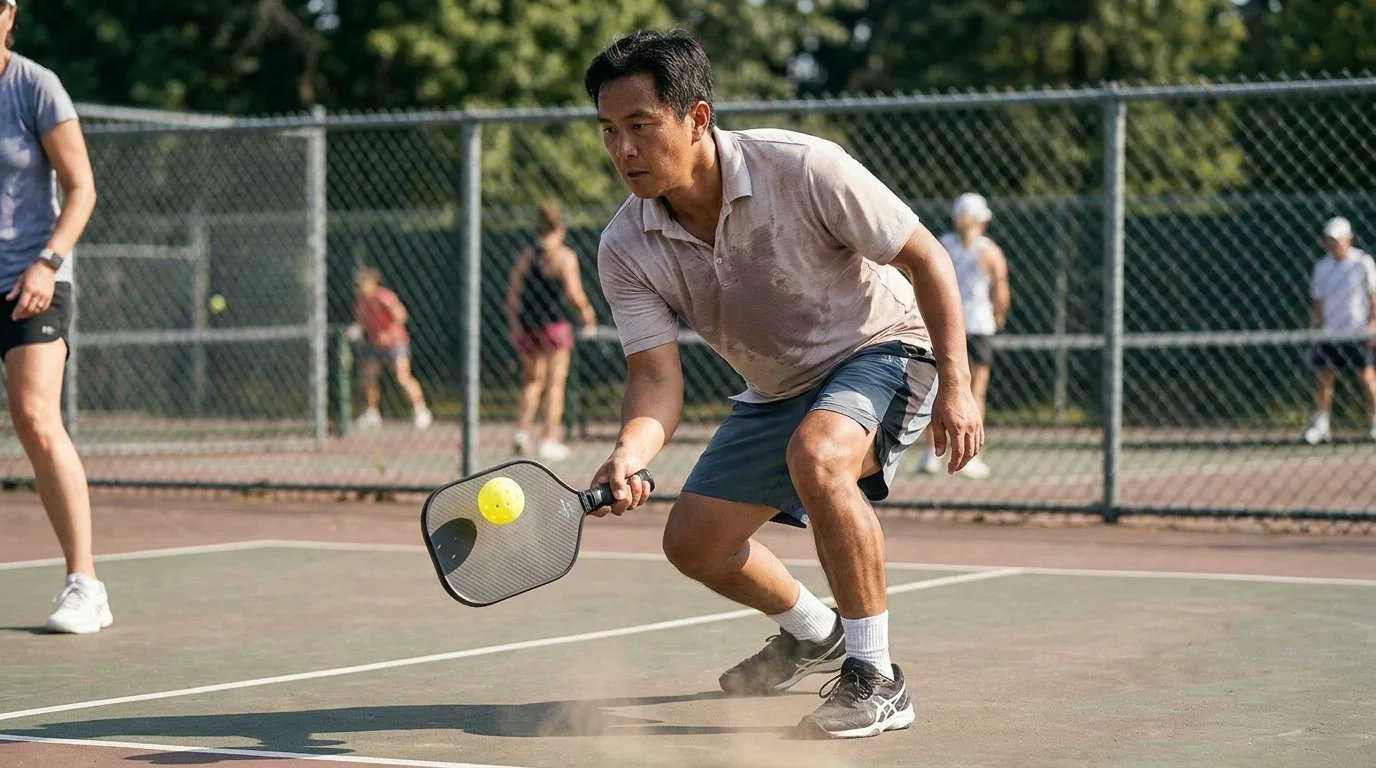
Build better pickleball movement by timing a small split step with your opponent’s contact, then reading the ball before the first recovery step.
Build better pickleball movement by timing a small split step with your opponent’s contact, then reading the ball before the first recovery step.
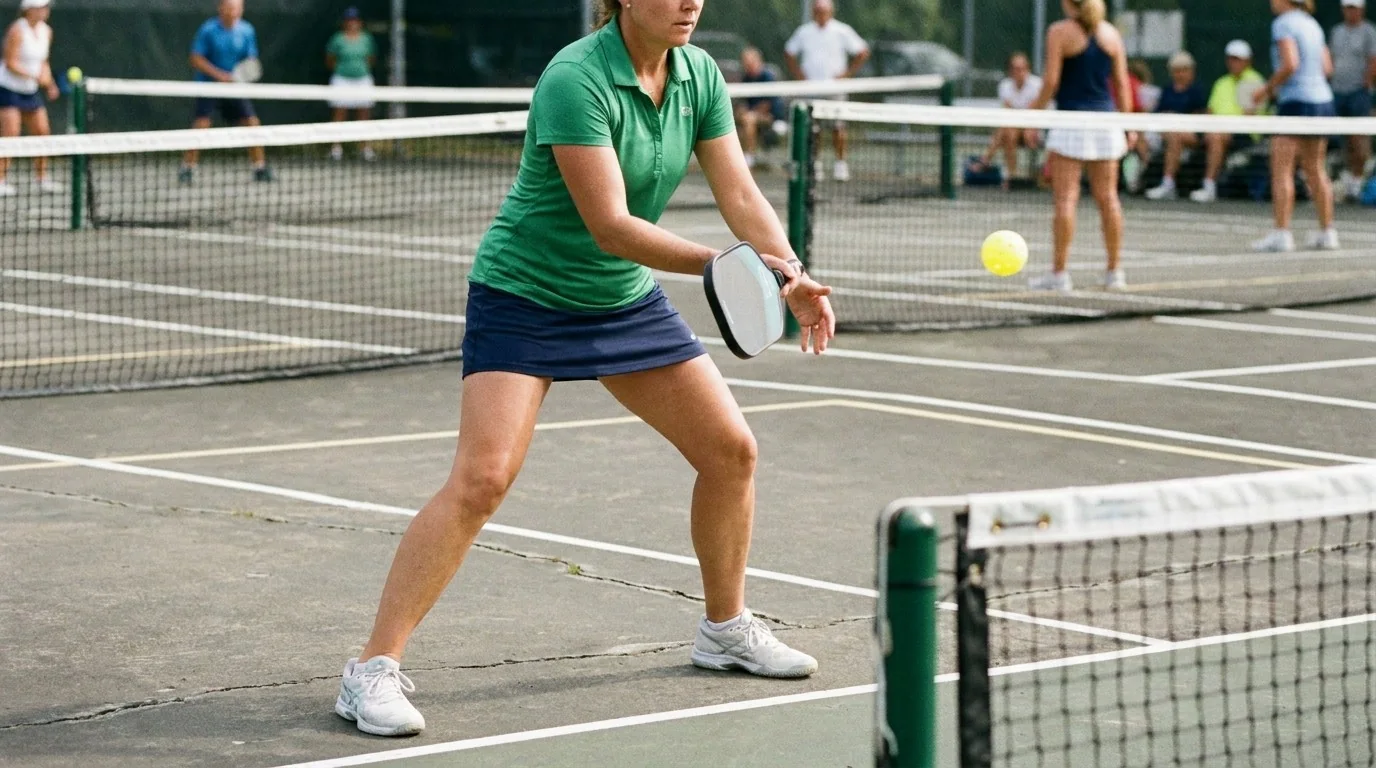
Learn when to let a backhand dink bounce and when to take it out of the air, using contact space, balance, paddle stability, and recovery as your decision cues.
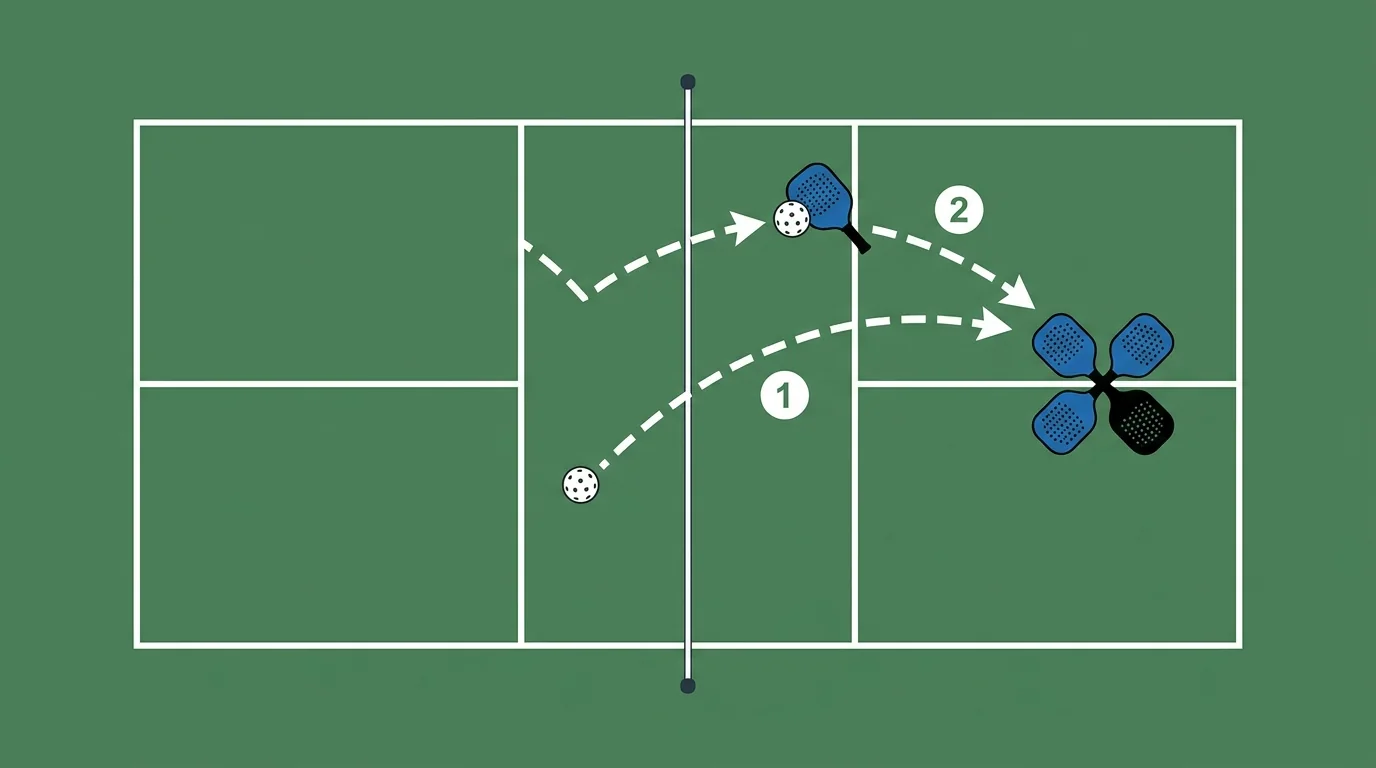
Build a safer path to the kitchen with a compact pickleball third-shot drop, better target margin, and a controlled transition after contact.
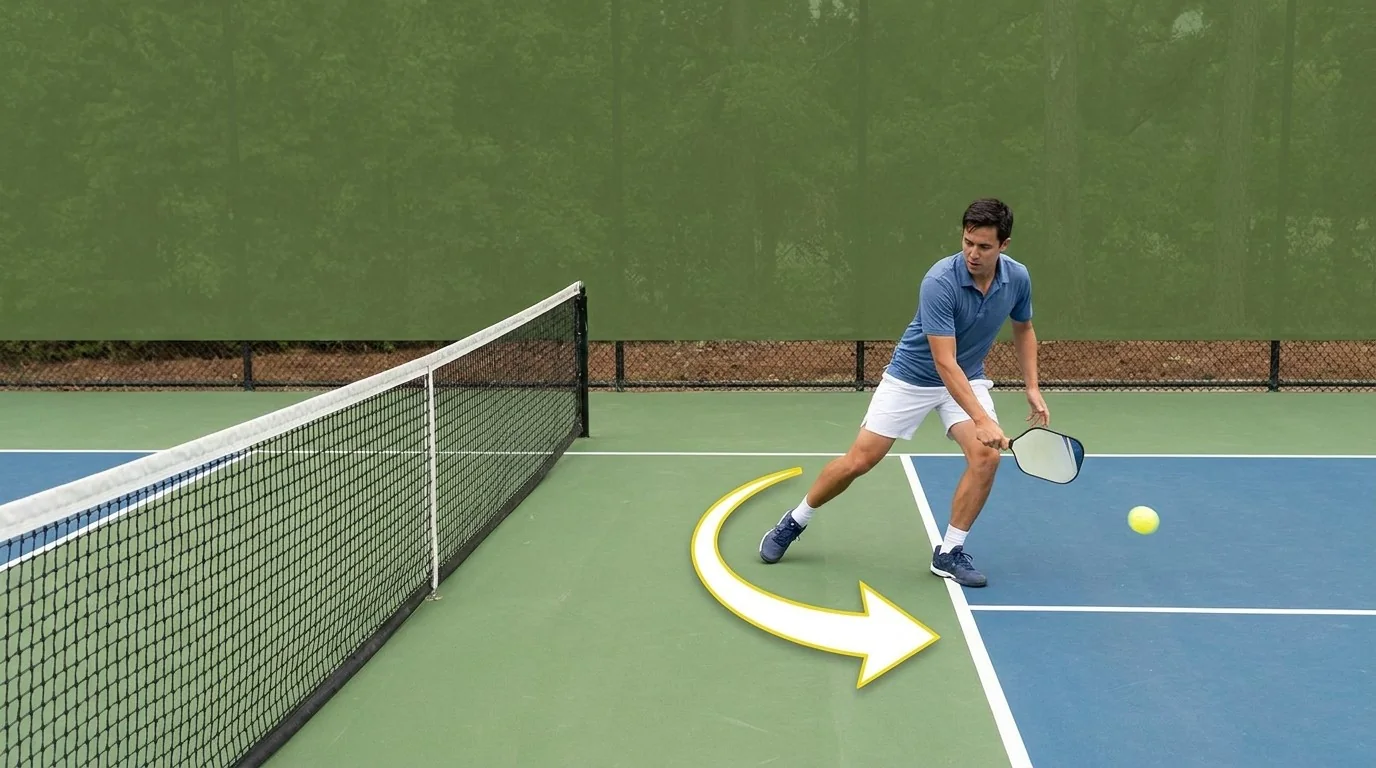
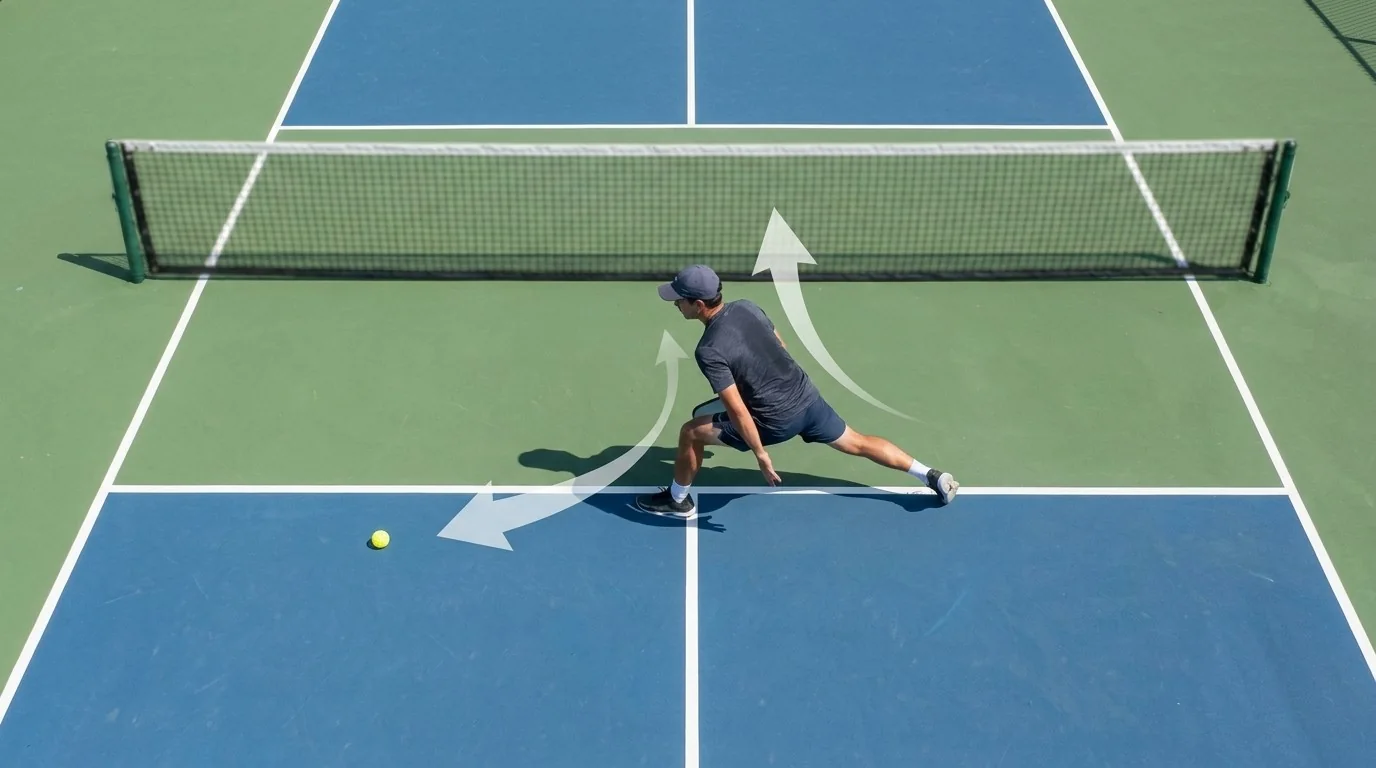
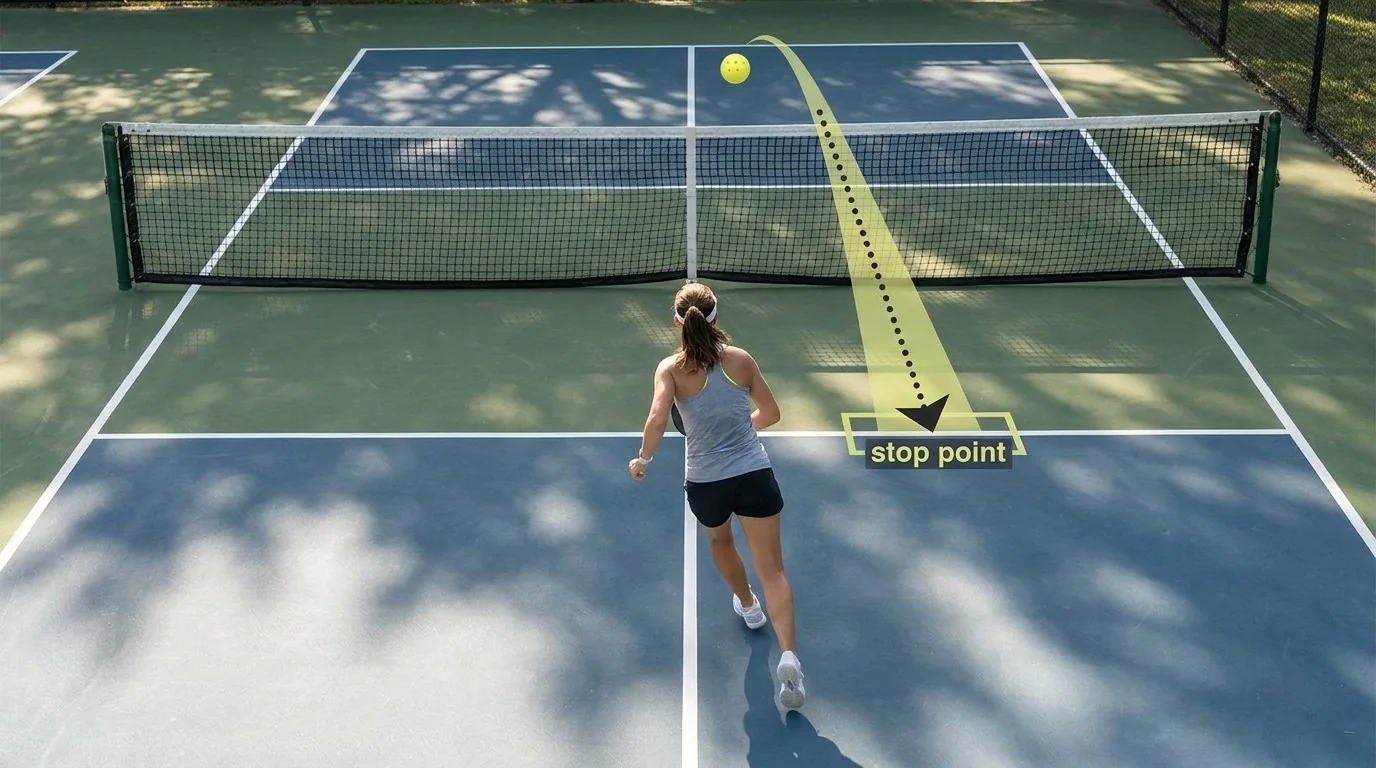
A practical pickleball braking step guide: choose a short kitchen lunge or deeper load for control, stability, and recovery.
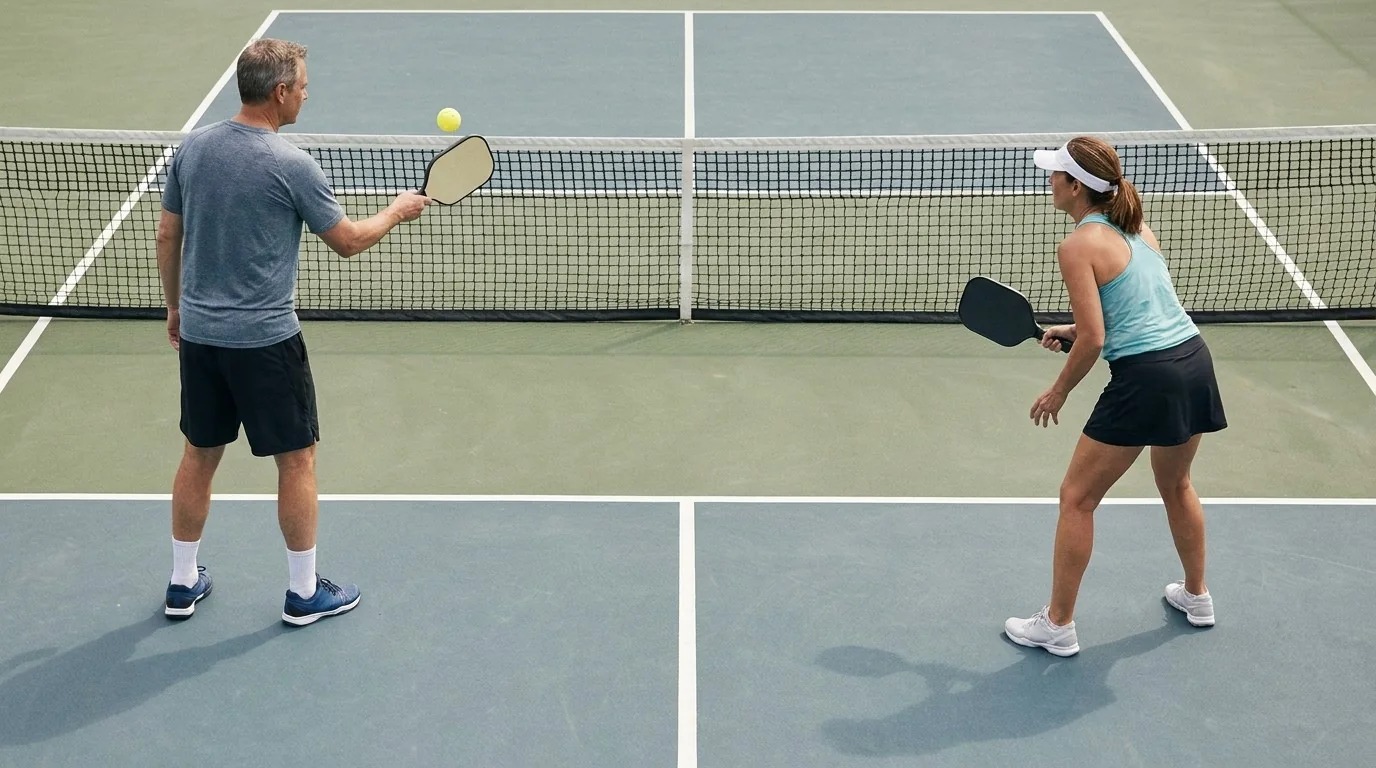
A practical guide to building a repeatable dink rhythm through preparation, touch, target choice, and recovery.
A practical guide to choosing a short kitchen lunge or deeper load for pickleball control, stability, and recovery.
A practical speedup decision guide: check height, balance, and openings before changing a soft kitchen exchange into offense.
Learn to read opponent contact height, step back from attacks, absorb pace with balance, and reset low before recovering.
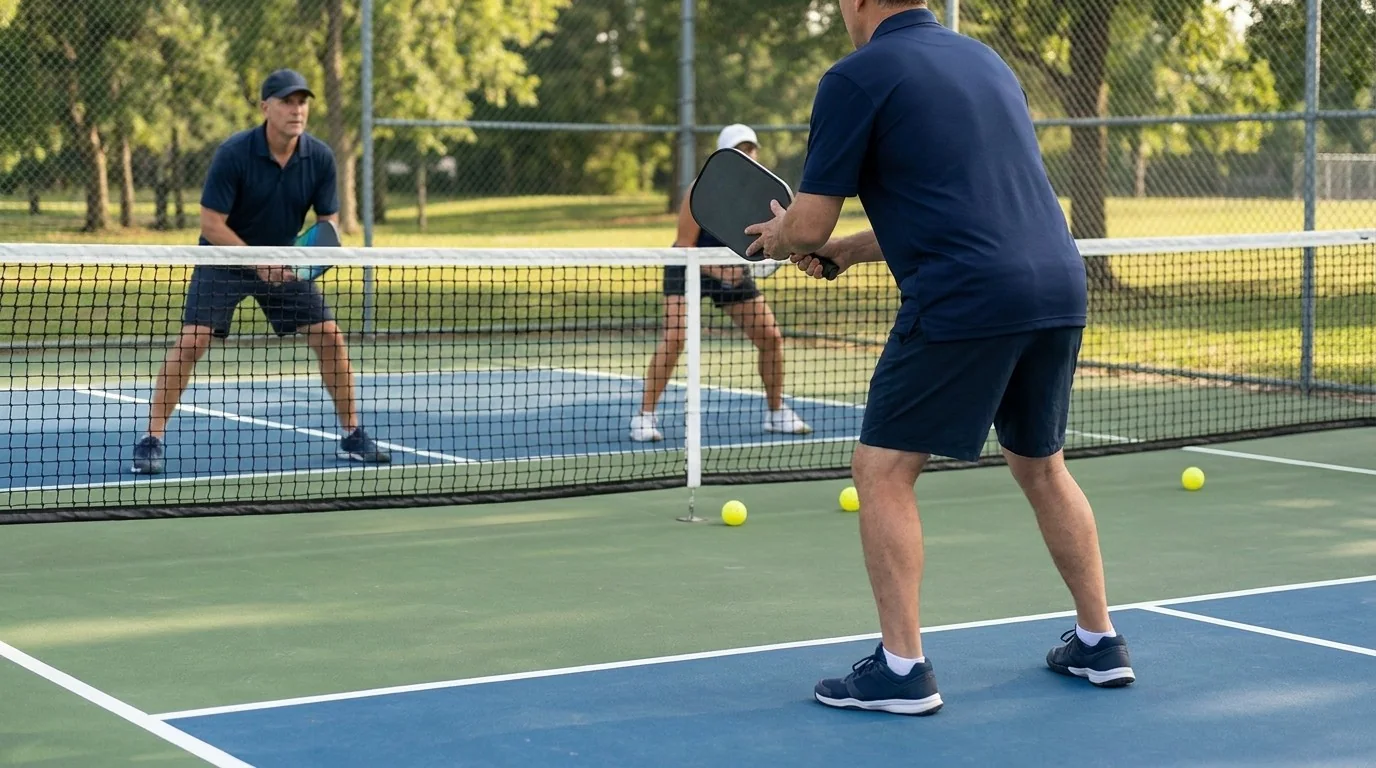
Learn how to keep the pickleball paddle quiet and ready between shots so you can react earlier, block safely, and recover for the next exchange.
A practical guide to pickleball block volley angle: read the ball, match the paddle face, choose a safe kitchen target, and recover.
A practical pickleball two-tap drill for learning soft hands, controlled height, balanced footwork, and repeatable kitchen-line touch.
A practical guide to advancing toward the kitchen without rushing: read ball height, opponent contact, pace, and your own balance.