Pickleball Forehand Slice: Keep the Ball Low and Buy Time
A practical guide to the pickleball forehand slice: preparation, spacing, contact, targets, decision-making, and progressive drills.
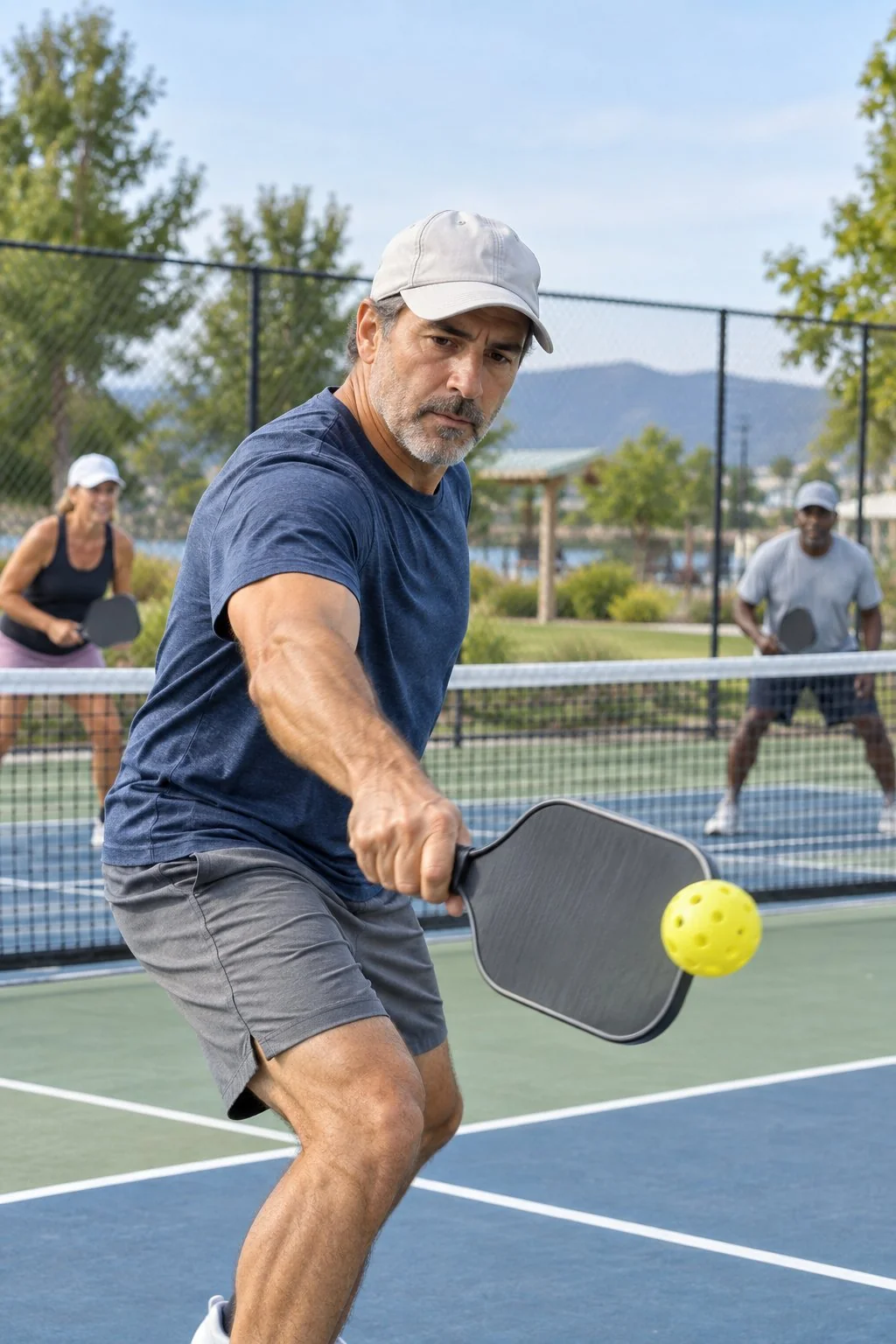
A forehand slice is useful when you need to take pace off the ball, keep it low, or buy time to recover. It is not a desperate chop. The best version starts with early preparation, a stable base, and a smooth face that sends the ball on a predictable path. Used selectively, the shot can change the rhythm of a rally without giving away an easy high ball.
Build the shot from balance and spacing
Read the ball early and turn your shoulders before it reaches you. Bring the paddle back only a little, with the head above the hand and the non-paddle hand helping you stay organized. Move your feet to create space instead of reaching across your body. Contact should be comfortably in front of the lead hip, with your weight stable enough to finish without falling away.
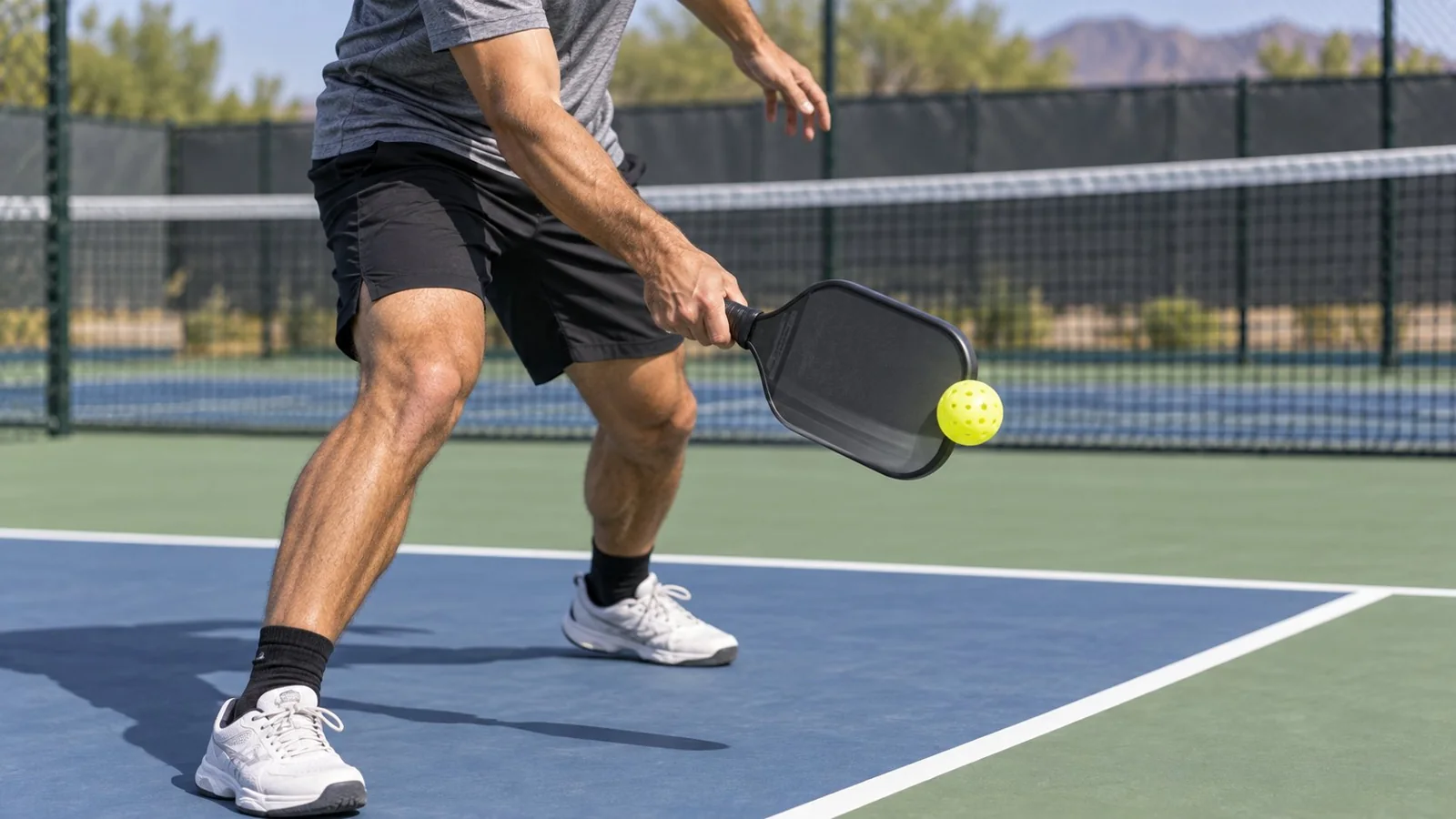
Let the paddle face stay slightly open through contact. A calm, compact low-to-high path helps the ball clear the net while the slice keeps the trajectory skidding rather than floating. The wrist should remain quiet; trying to carve the ball with a sudden wrist snap usually changes the face angle and sends the shot into the net or long. Finish toward the target, then recover your feet and paddle to ready position.
Choose the slice for a clear purpose
Use the shot when the ball is low, when an opponent has added pace, or when you need a safer ball while moving back into position. Aim deep through a large target when you are defending from the baseline. In transition, a lower slice can help slow the exchange, but do not expect a miracle from a stretched position. If the ball is comfortably high and you are balanced, a drive or controlled topspin shot may be the better choice.
Direction matters as much as spin. Crosscourt gives you more distance and often a safer angle, while a straight slice can be useful when it keeps the opponent moving without exposing the middle. Avoid aiming for a tiny corner. Height, depth, and recovery are connected: a ball that lands safely but sits up may still invite an attack, so use enough pace and shape to make the next contact uncomfortable.
Practice control before adding pressure
Start with shadow swings. Pause in the ready position, turn early, take one adjustment step, and rehearse contact in front. Then have a partner feed gentle balls to the forehand side. Concentrate on a quiet wrist and a finish that points toward a large target rather than chasing maximum spin.
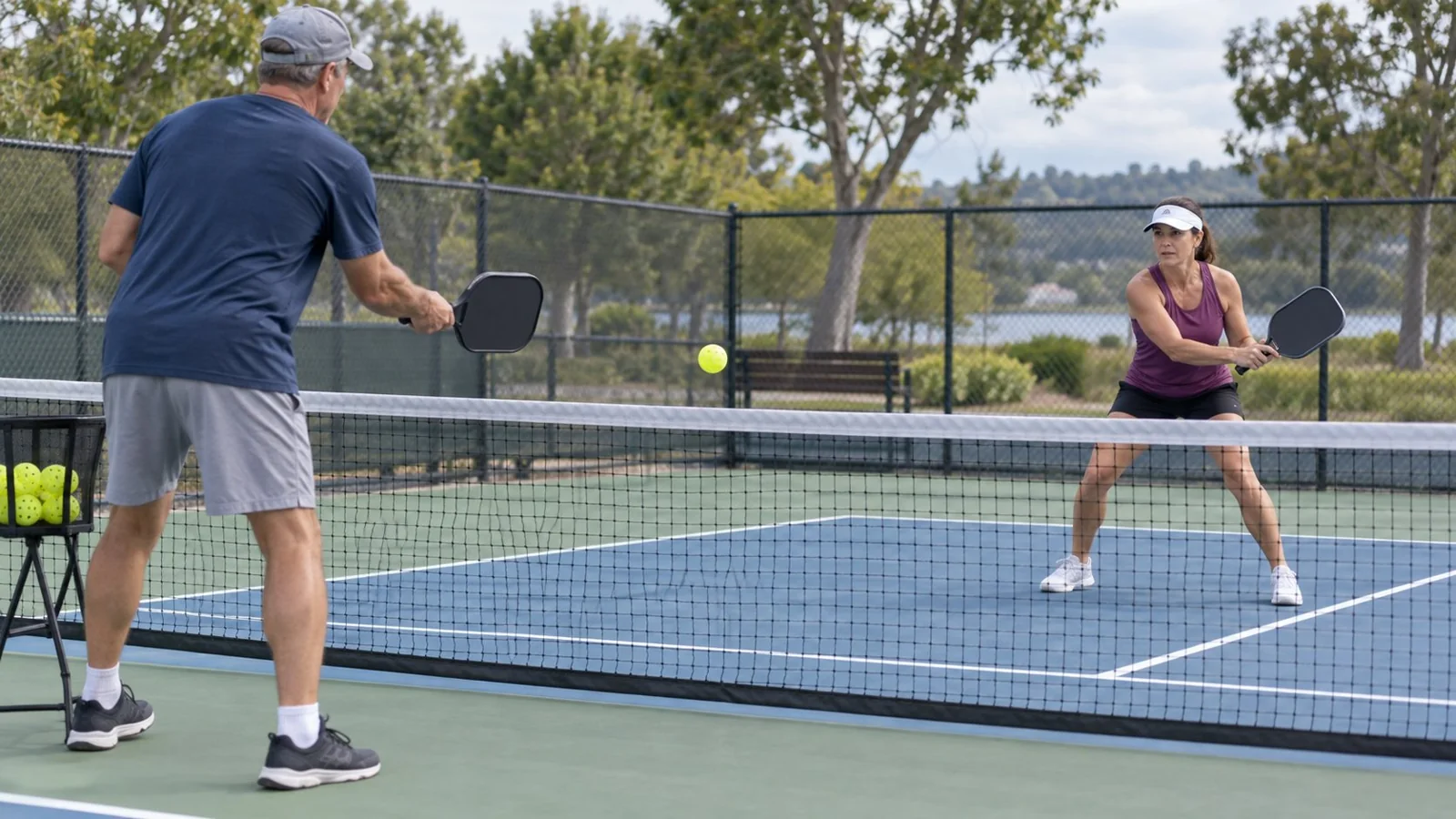
Next, alternate three feeds: a low ball for slice, a higher ball for drive, and a wide ball that requires a reset or safe return. Call the decision before swinging. This teaches you to use the slice as a choice, not as a default response. Finish each repetition by recovering to a position that covers the most likely reply.
A simple practice block is three rounds of ten balls: first for clean contact, second for depth, and third for decision-making. Track whether the ball cleared the net with useful margin and whether you were balanced for the next shot. Do not judge the session only by how much backspin you created.
The forehand slice becomes dependable when it is compact, purposeful, and connected to the next movement. Prepare early, move your feet, contact in front, keep the face steady, and choose a generous target. That combination gives you control when a full swing would be rushed or unnecessarily risky.