Pickleball Net Touch Faults: When Contact Ends the Rally
A practical guide to pickleball net-contact faults: what counts, why timing matters, how ball contact differs, and how to avoid preventable calls.
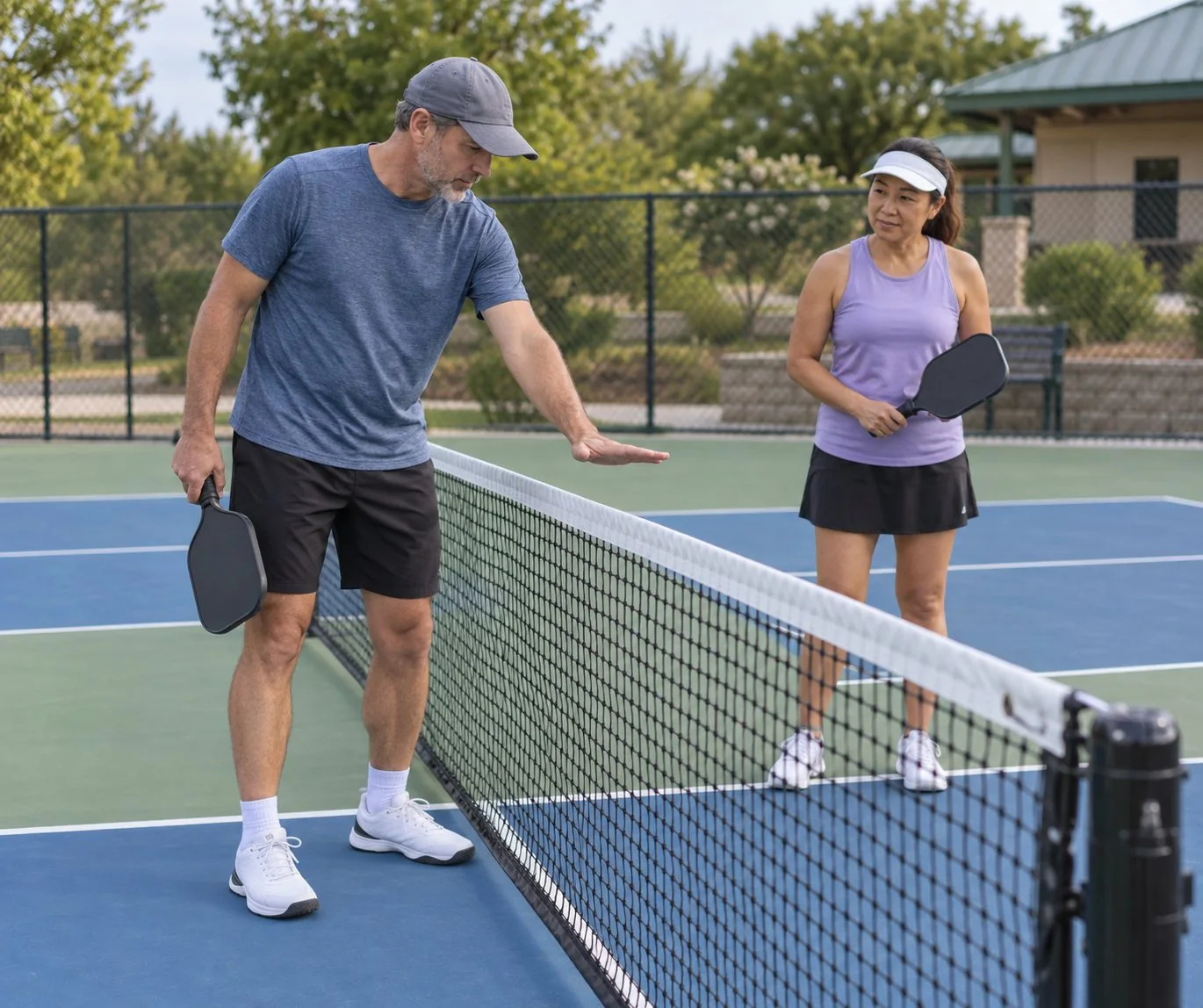
A pickleball rally can end because of a net contact even when the ball is still playable. That is why a quick brush against the net often creates more confusion than a ball that clearly lands out. The practical question is not whether the contact looked serious. It is whether a player, a paddle, clothing, or another item connected with that player touched the net system while the ball was in play.
What counts as net contact
Treat the net as the complete playing assembly, not just the top tape. The net, net cable, posts, and supporting parts are all areas players should avoid touching during a rally. A hand on the net, a paddle brushing the tape, or clothing catching the mesh can turn an otherwise successful shot into a fault. The same principle applies whether the contact is obvious or happens while a player is recovering from a lunge.
The ball is different. A ball may touch the net during a legal exchange and continue over it. That contact alone does not end the rally. Players should separate a ball clipping the net from a person or paddle making contact with the net. When the two events happen close together, identify which object touched the net and when it happened before making a call.
A paddle touching the net is still contact by the player. It does not matter whether the player’s hand stayed behind the line or whether the paddle was used to steady balance. If a player reaches across the net and makes contact with the net system, the action should be treated as a fault rather than a creative way to finish the point.
When timing matters
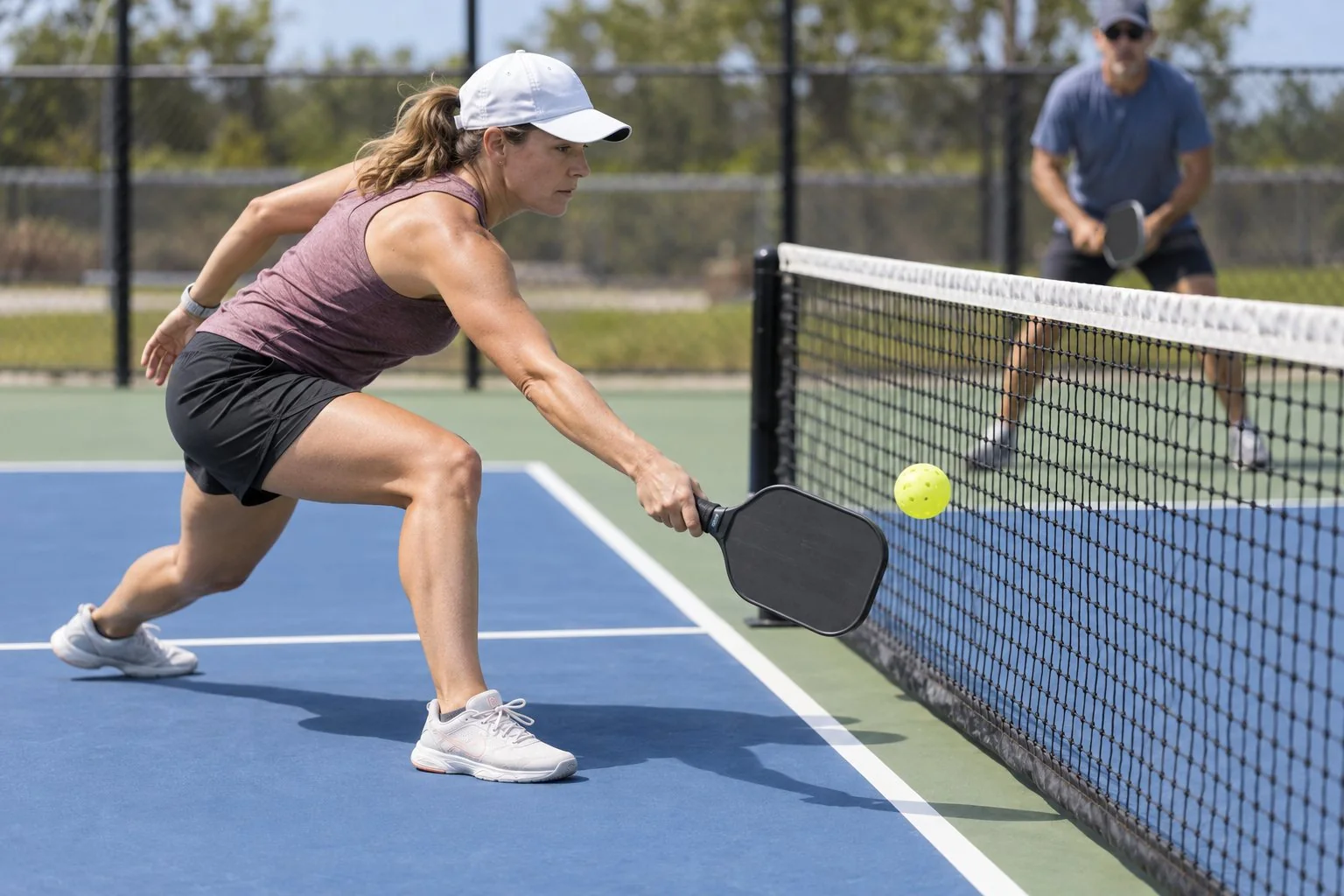
Net-contact decisions are tied to the rally. A player can touch the net while the ball is live, even if the contact happens after the player has already hit a good shot. A follow-through that carries the paddle into the net, a shirt pulled against the mesh, or a stumble into a post can therefore matter after contact with the ball. The point is not protected simply because the shot itself was legal.
By contrast, contact after the rally has ended is not the same rally fault. If the ball has already become dead because of an out call, a fault, or another recognized interruption, a later accidental touch should not be used to rewrite the completed exchange. In casual play, say what happened in sequence: the ball became dead first, or the net was touched while the ball was still live. That short explanation usually resolves the disagreement.
Momentum is another common source of trouble. A player may avoid the net with the paddle but then step or lean into it during recovery. Keep the body under control near the non-volley zone and finish the movement without using the net as a brace. Partners can help by calling “net” promptly and calmly rather than arguing about intent.
A calm call for open play
When you see possible contact, pause before serving the next ball. Ask which part of the net assembly was touched and whether the ball was live. If players disagree and there is no independent official to decide, use the group’s normal sportsmanship practice instead of turning a close call into a long dispute. A clear explanation is more useful than claiming that contact only counts when the net visibly moves.
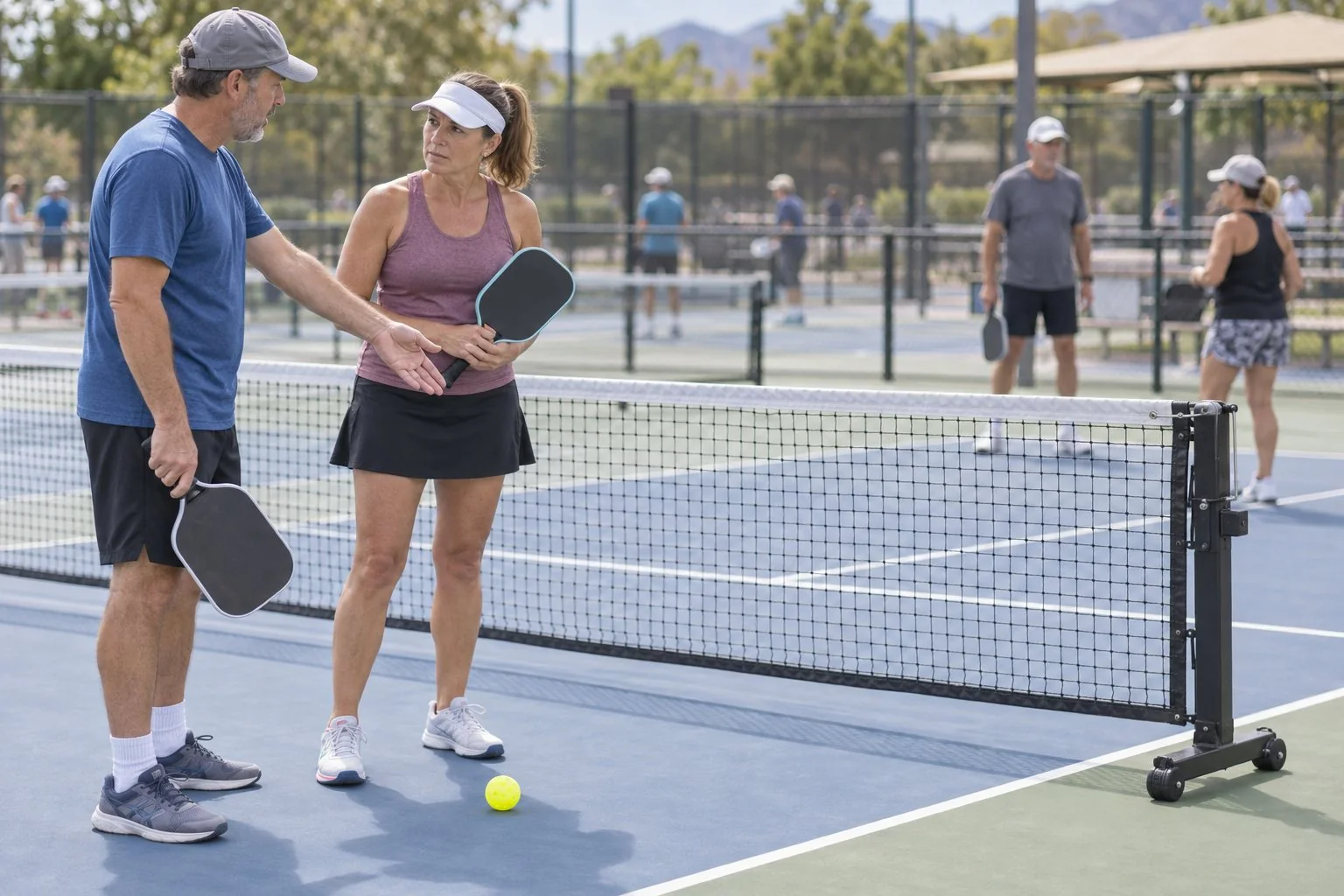
How to prevent net-contact faults
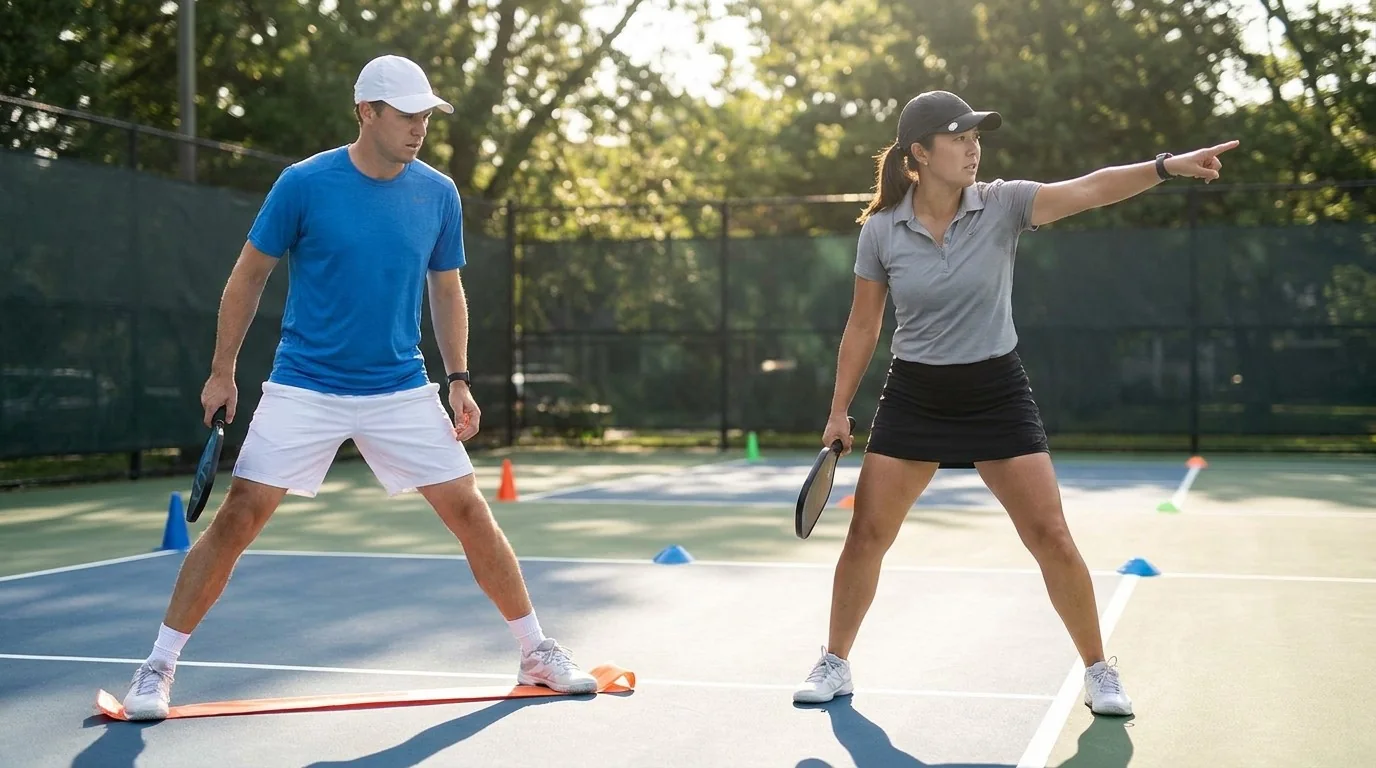
Leave a little recovery space when moving toward the kitchen. Bend through the legs, keep the paddle in front of the body, and avoid reaching so far that the chest or free hand must find support. On a low ball, choose a controlled shot if a full stretch would send the paddle into the net. A missed winner costs less than a preventable contact fault and often leaves you in a better position for the next rally.
During partner play, communicate before both players chase the same ball. Confusion at the center line can produce a collision, and a collision can send a shoulder, hand, or paddle into the net. The player with the clearest route should call the ball while the partner slows down and protects space. Keep bags, towels, and loose clothing away from the net area as well.
A useful pre-game reminder is simple: the ball may use the net, but players and their equipment should not. Check the net only before play, keep balance independent of the structure during the rally, and make a timing-based call when contact is suspected. That approach keeps net-touch rulings consistent without making every close exchange feel like an argument.