Pickleball Paddle Edge Tape: Inspect Peeling Damage Before It Spreads
A focused paddle-care guide for spotting loose edge tape, separating cosmetic wear from structural damage, and deciding when to stop play.
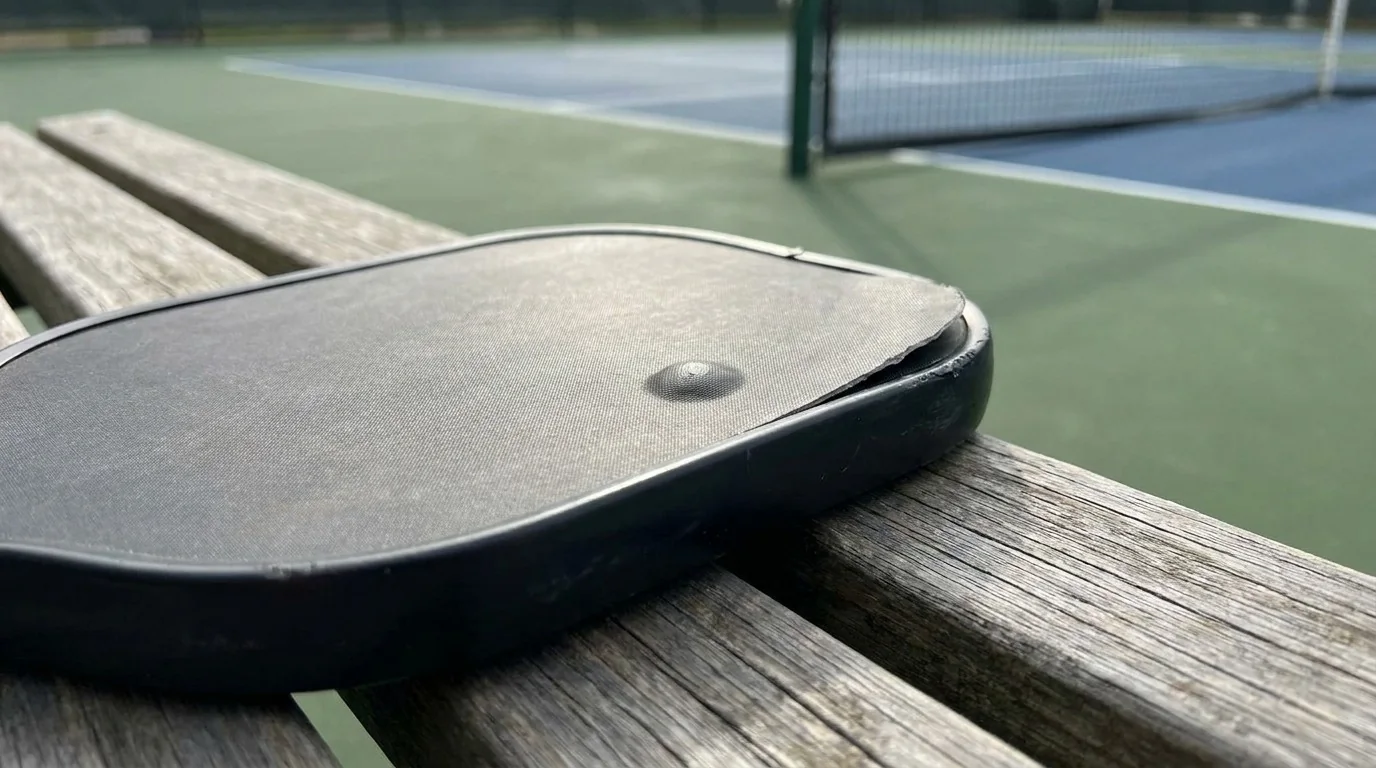
A paddle edge guard takes the first hit when the frame meets the court, fence, or a rushed low ball. Light scuffing is normal. Peeling tape is different: it can expose the rim, hold moisture, or hide damage that changes how the paddle plays. This quick check helps you decide what to monitor, what may be repaired carefully, and when the paddle should come out of the game.
Inspect the edge clean and dry
Wipe away loose grit with a soft, dry cloth and use good light. Run a fingertip along the rim without pushing into a split. Look for lifted tape, a gap between the edge material and the paddle face, sharp corners, bubbles, missing adhesive, or a crack that travels inward from the rim. Check both sides and the throat; some damage is easier to feel than to see.
Do not start with solvents, a heat gun, or aggressive scraping. An unknown chemical can affect the paint, adhesive, or surface. Follow the manufacturer’s instructions first, especially if the paddle is under warranty.
Tell normal wear from a reason to stop
A shallow paint chip with a firmly attached guard may be cosmetic. A loose section that catches clothing or the ball is more serious because it can keep pulling away and create inconsistent contact. A soft spot, dent, face separation, rattling core, or crack that runs from the edge into the playing face is a strong reason to stop using the paddle and ask the manufacturer or a qualified retailer to assess it.
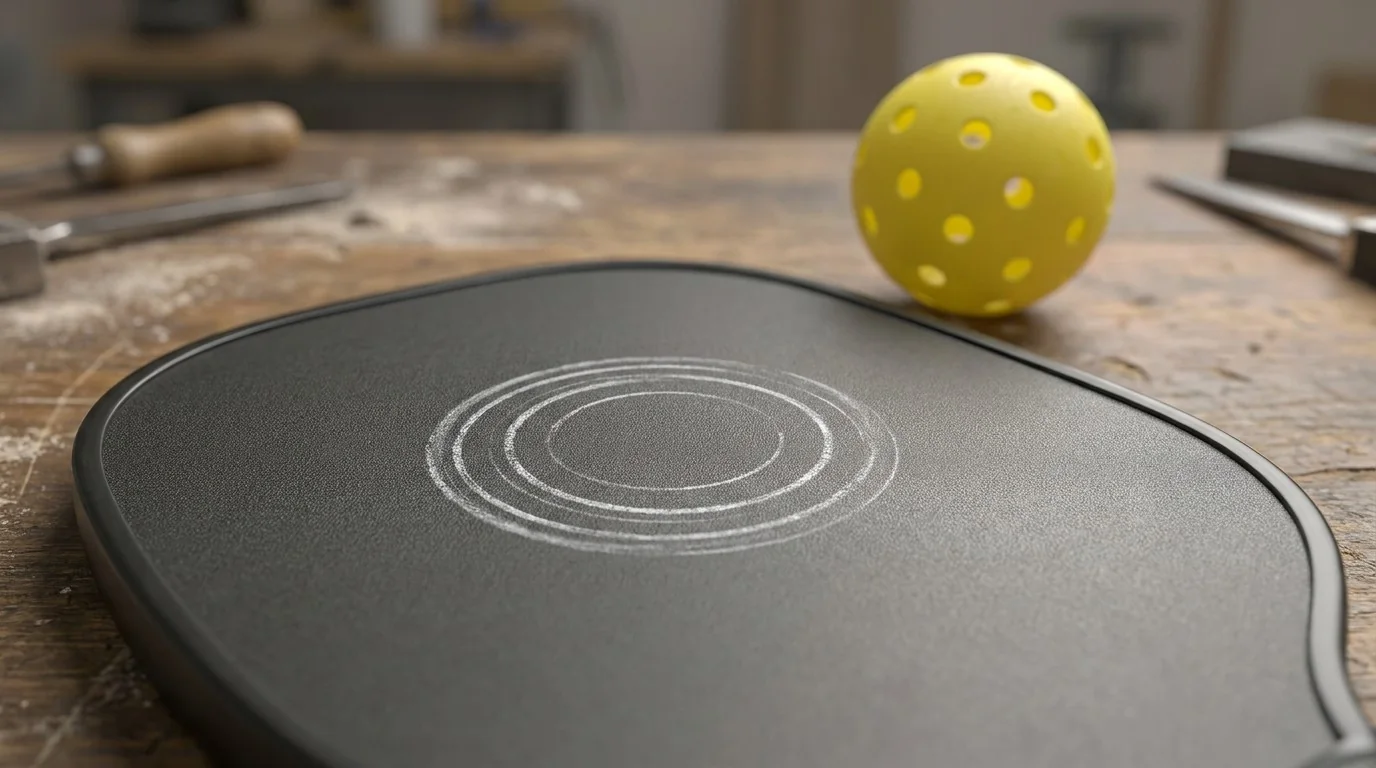
Do not cover structural damage with glue just to finish a session. Adhesive can hide the problem, change the balance, or affect a warranty. After a hard impact, you can compare the sound and rebound with an undamaged paddle, but treat that comparison as a clue, not a certification.
Use only a cautious temporary repair
If the manufacturer permits it and only a short section of edge tape has lifted, clean and dry the area. Do not trim anything unless the manufacturer says it is safe. Secure the loose end with purpose-made replacement edge tape or another approved repair material. Keep it off the paddle face and avoid creating a ridge that can touch the ball. Press evenly and let the adhesive set for the recommended time before playing.
A temporary repair is not a substitute for a warranty inspection. Photograph the damage first, note when it appeared, and keep the receipt or model information. If the repair lifts again, replace it rather than adding layer after layer over a failing bond.
Recheck after impact and store the paddle safely
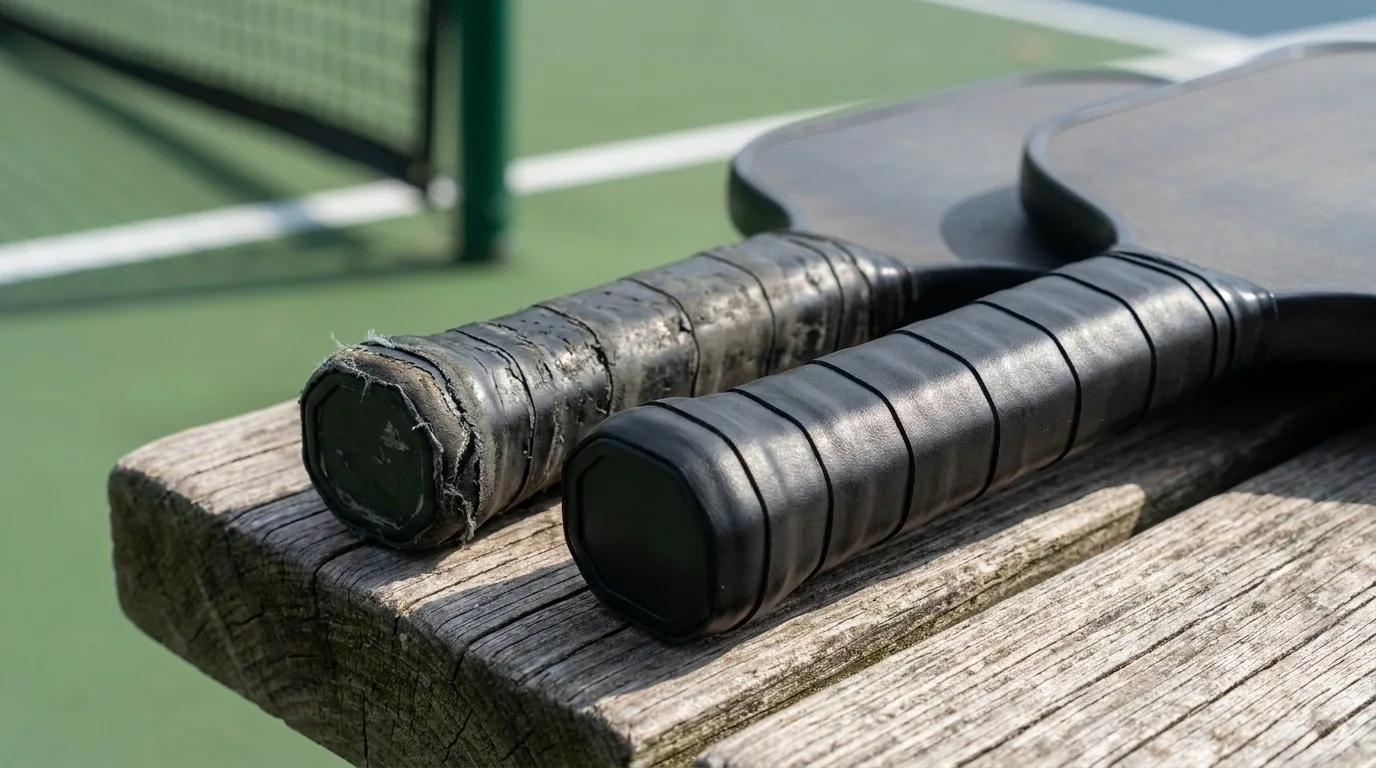
Inspect the rim after scraping the court, hitting a post, or dropping the paddle. Keep it in a sleeve or bag away from extreme heat, moisture, and loose equipment that could press against the edge. Do not leave it face-down where grit can work into a lifted section. Before a match, check that the guard is smooth, attached, and free of a crack or rattle.
The practical rule is simple: monitor cosmetic scuffs, repair peeling protection only with compatible material, and pause play when you find structural symptoms. A five-minute edge check can preserve consistent contact and keep a small rim problem from becoming a larger equipment failure.