Pickleball Paddle Throat Shape: What It Changes
Pickleball paddle throat shape affects reach, stability, swing feel, and handling. Learn what to compare and how to test two paddles before choosing.
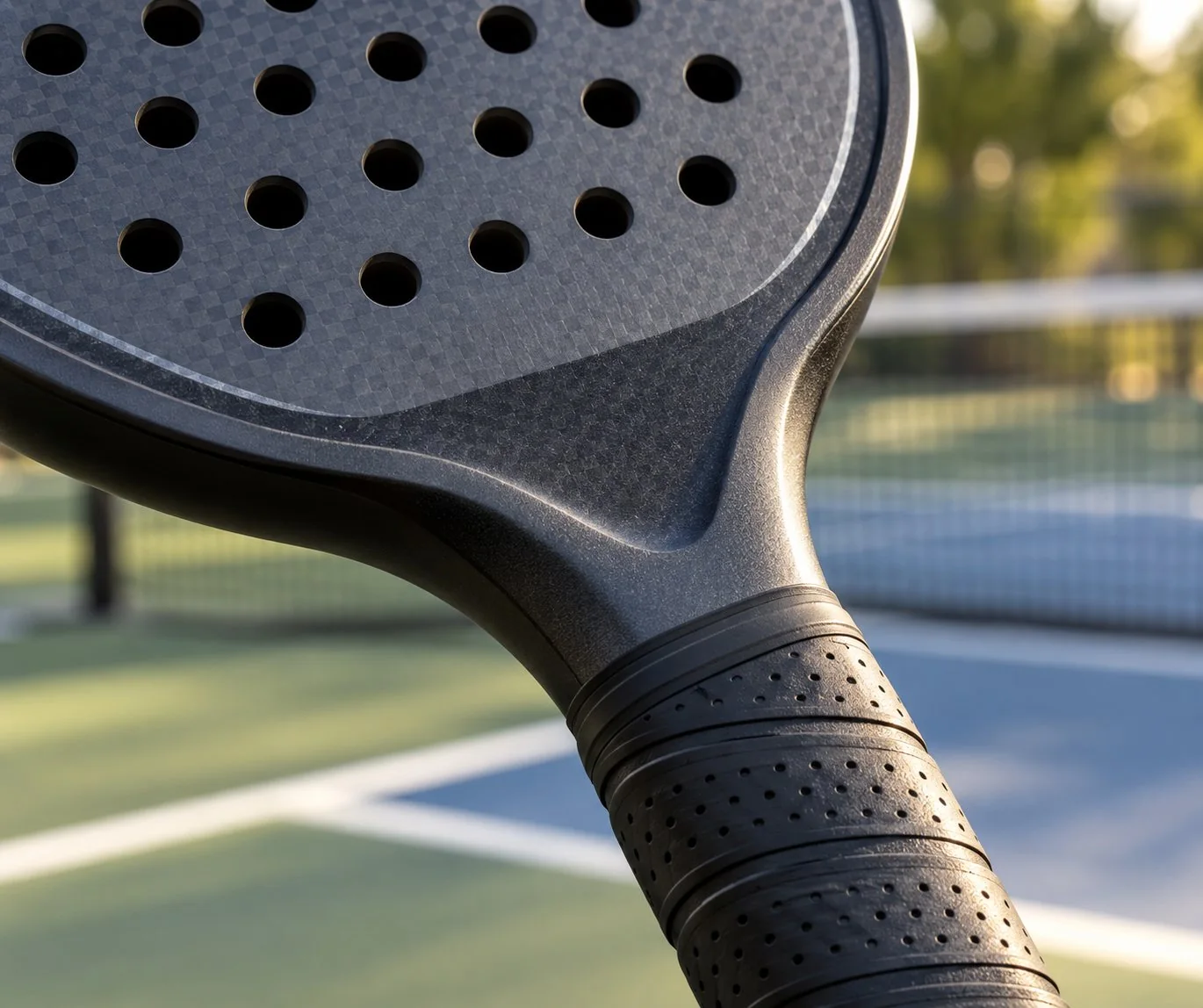
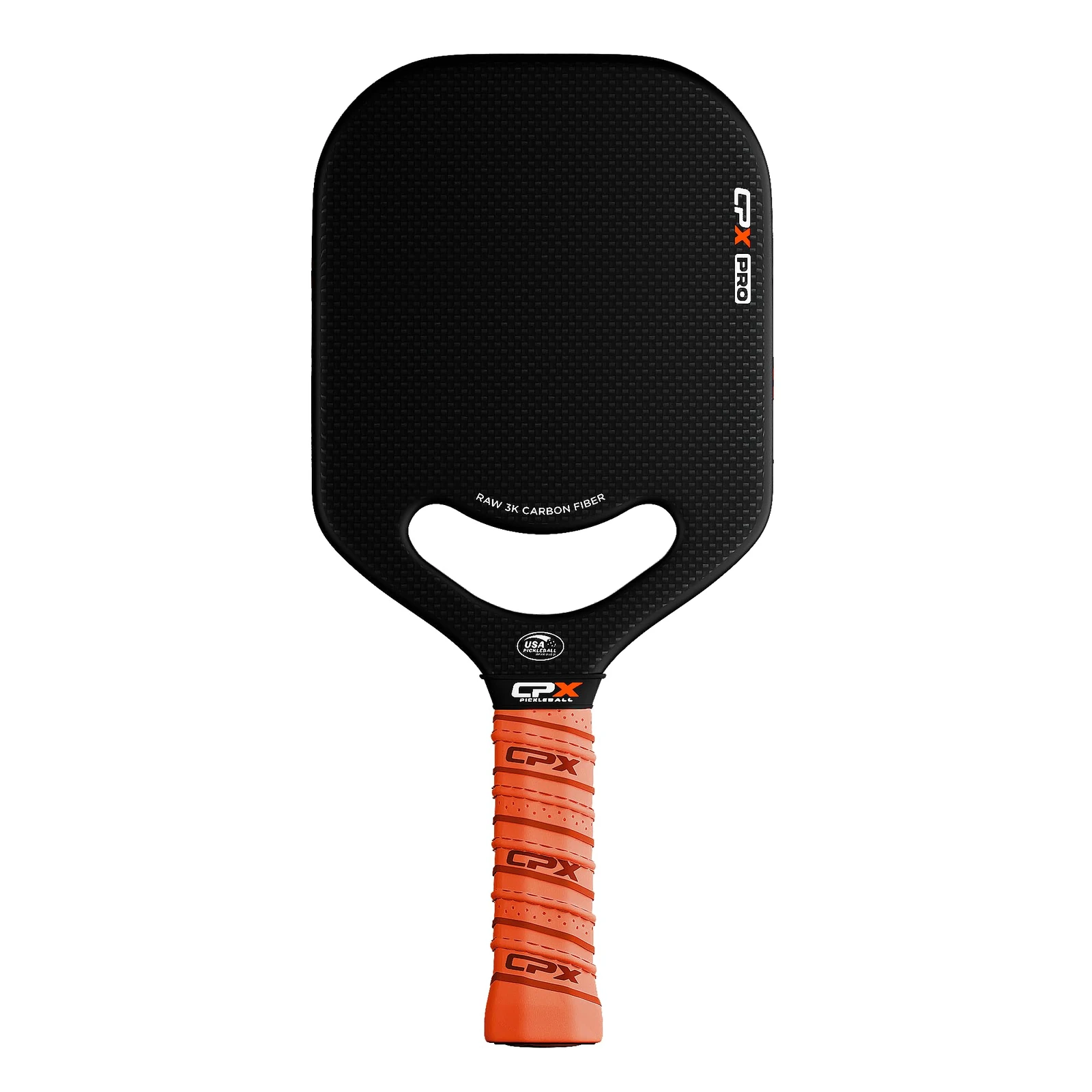
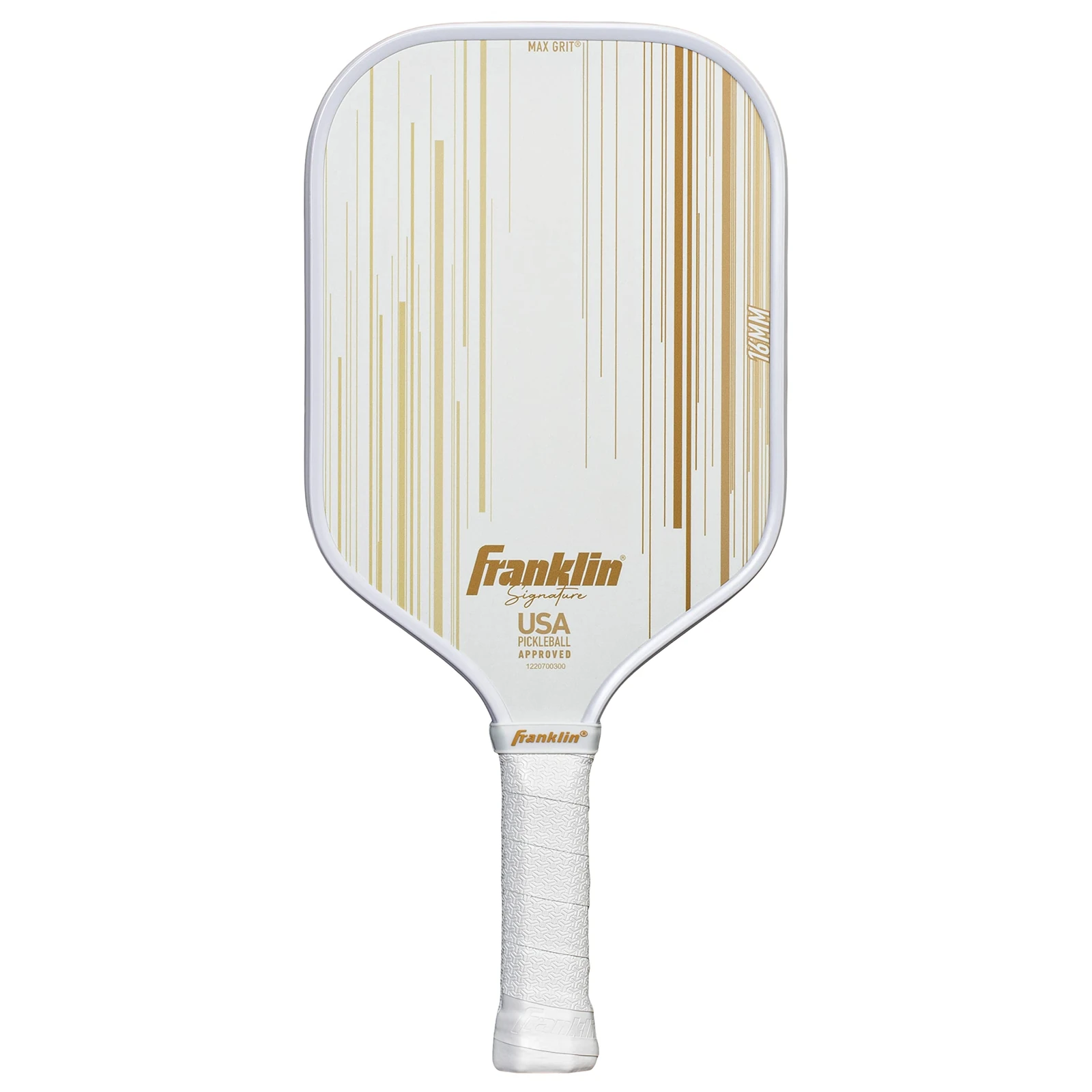
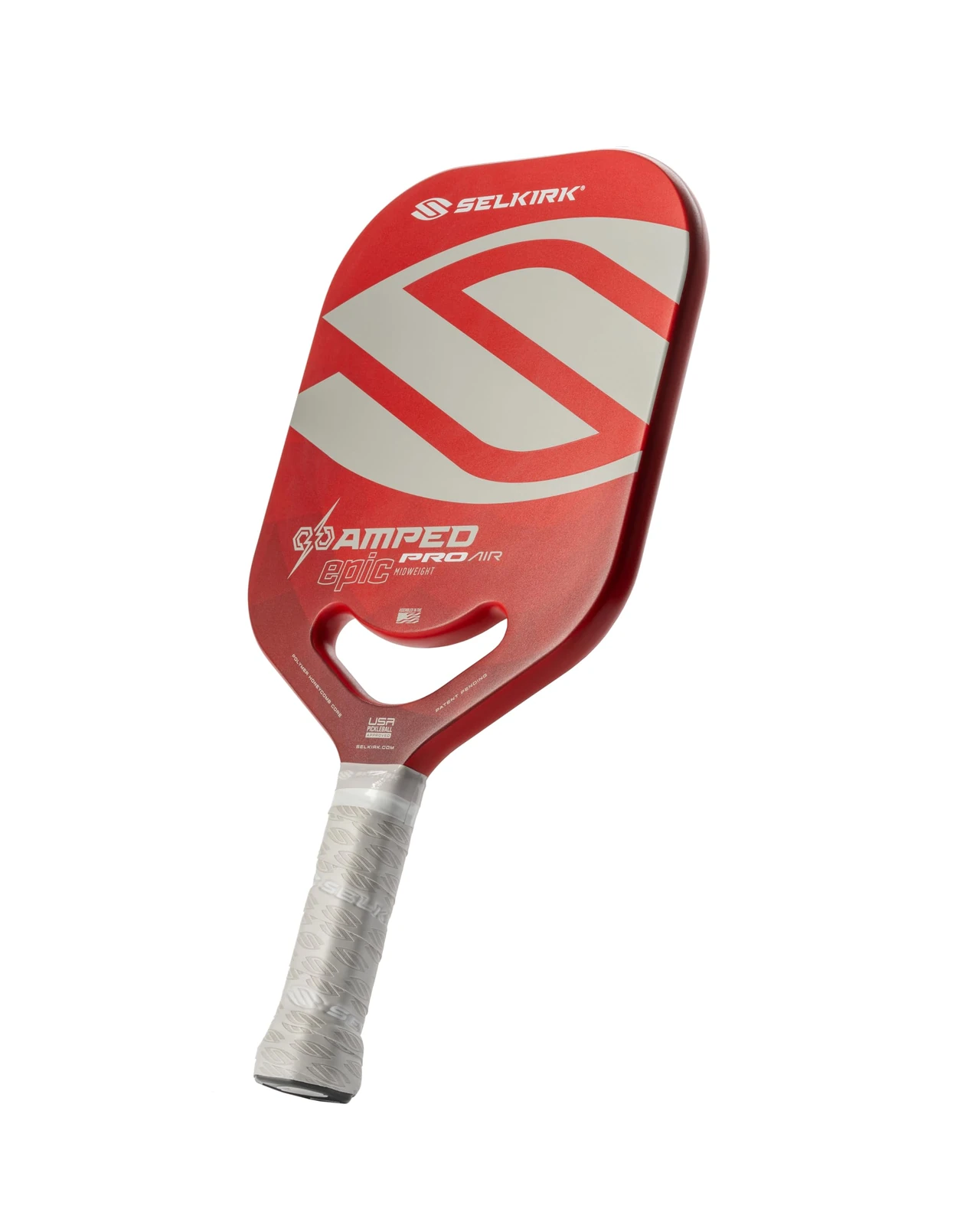
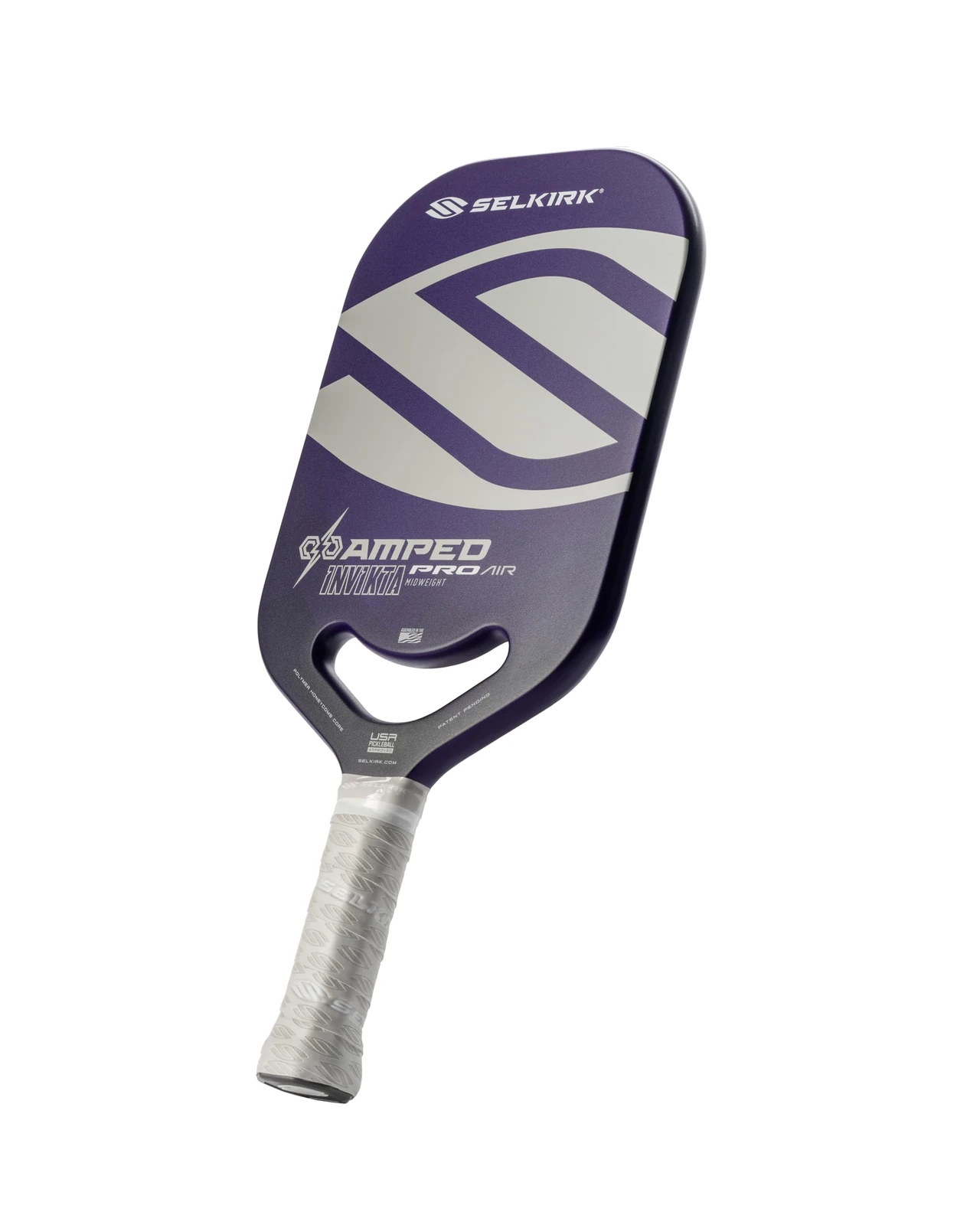
A pickleball paddle throat shape changes how the face transitions into the handle, which can affect reach, stability, and the way the paddle rotates in your hand. It is not a stand-alone performance score. Compare the throat with total length, head width, balance, and grip before deciding.
What is the paddle throat?
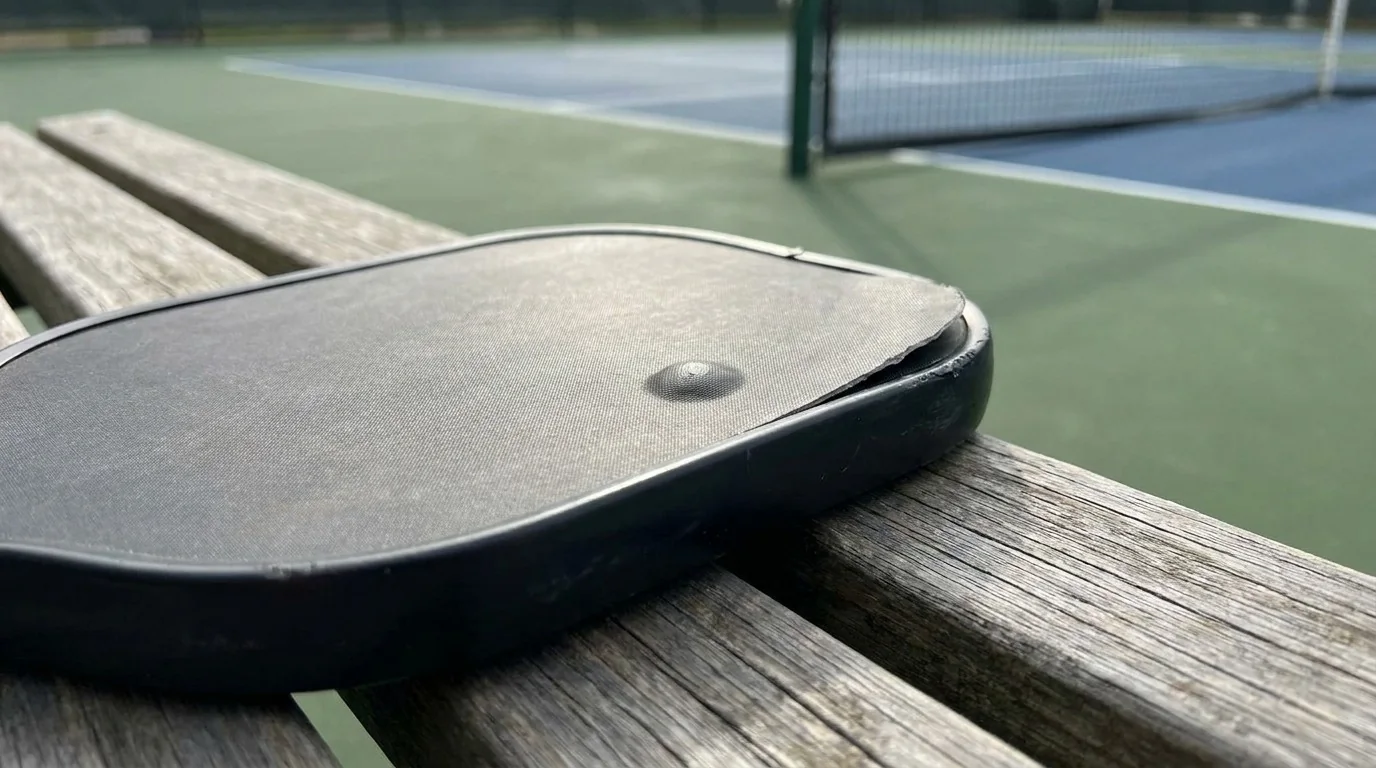
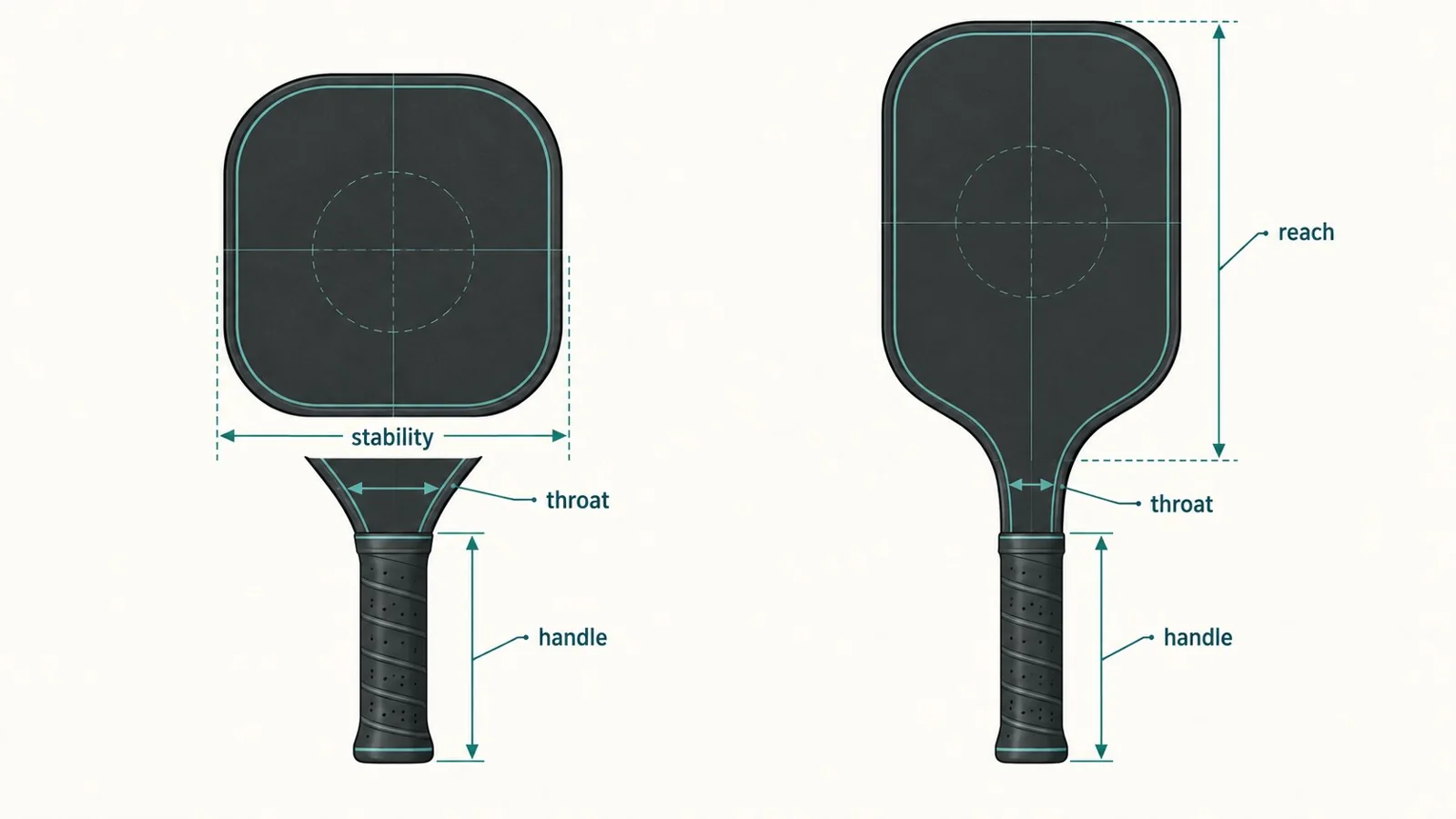
The throat is the lower section between the main hitting face and the handle. On some paddles the shoulders taper quickly into a narrow neck; on others the transition looks fuller and carries more material lower on the face. The visible outline matters, but internal construction and balance matter too.
A longer-looking throat does not automatically create more reach. If two paddles have the same total length, a longer handle or a different head outline may account for the difference. Treat the silhouette as a clue, not a specification.
How does throat shape affect handling?
A fuller transition can feel stable when the ball contacts away from the centre, while a narrower transition may feel quicker during fast hand changes. Those sensations depend on swing weight and where mass sits along the frame. A paddle that feels calm on a block may feel slow during a rapid forehand-to-backhand exchange.
Use a simple comparison. Hit 20 controlled blocks with paddle A and 20 with paddle B, then count balls that land in a chosen kitchen area. If A produces 15 and B produces 12, the practice rates are 75% and 60%. That result describes one session; it does not prove a universal advantage because fatigue, ball choice, and technique also change the outcome.
Does the throat change reach?
Reach comes from total paddle length, arm position, footwork, and timing. A lower transition can make the paddle feel easier to place in front of the body, while a longer handle may occupy more of the same space and alter the grip. Measure the complete paddle rather than guessing from a product photo.
At the kitchen line, keep the paddle in front and make ten small lateral adjustments. If the throat repeatedly catches your clothing or delays the face change, note that handling issue. The best shape is the one you can control under pressure, not the one with the most dramatic outline.

What should you check before buying?
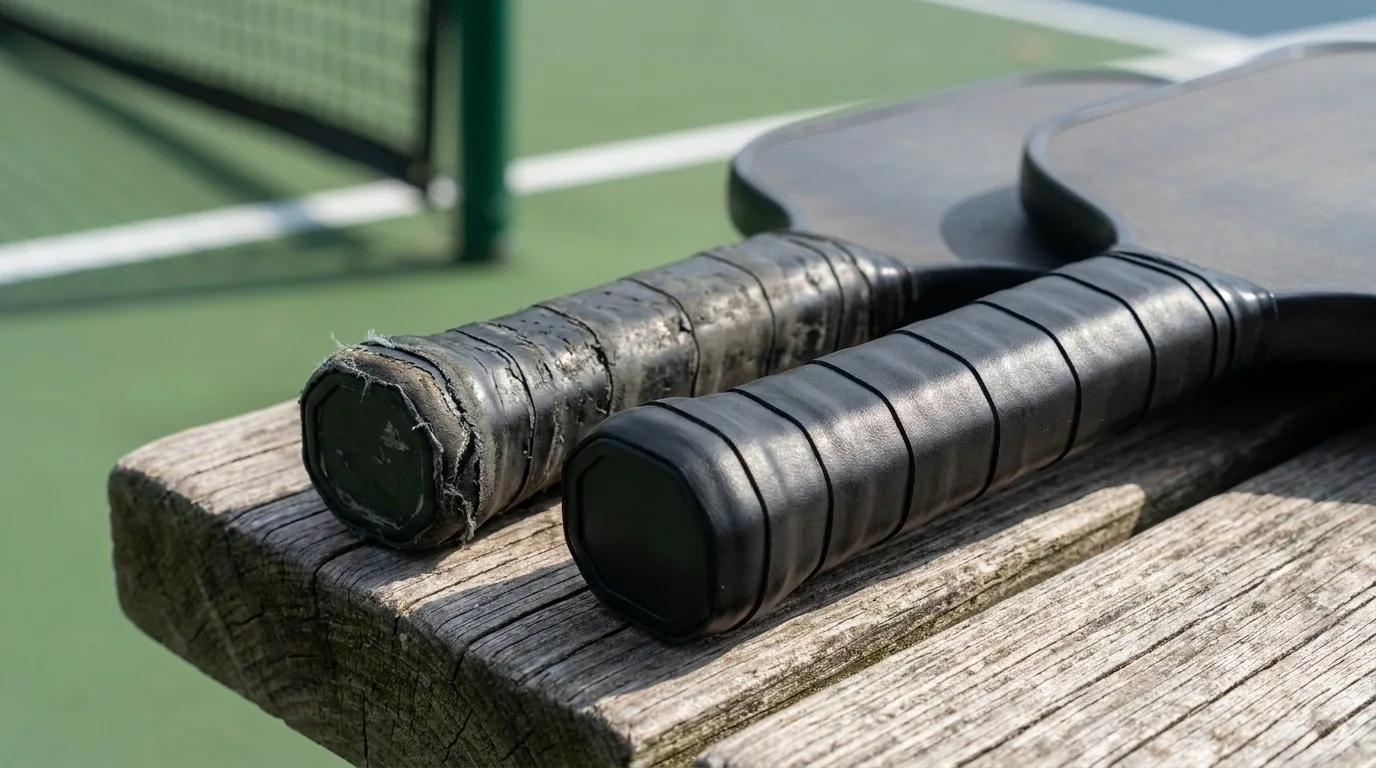
Check total length, face width, handle length, static weight, balance, grip circumference, and return terms. If a listing shows only a marketing shape name, look for measured dimensions instead. Do not infer exact geometry from words such as elongated, wide, or control.
Test the paddle with the shoes and balls you normally use. Record comfort after 10 minutes, not only the first swing. If the wrist tightens or the paddle arrives late on quick exchanges, a different throat or balance may suit you better. Shape is useful, but repeatable handling is the decision rule.
Keep a practical inspection record
Write down the date, time, weather, and location of every concern. After three checks, compare the notes to find a repeated pattern rather than relying on one impression. If the court cannot be rotated, publish the difficult sun or wind periods and review them when the season changes.