Pickleball Rally Pause Protocol: Reset Safely After Distraction
The Pickleball Rally Pause Protocol explains how to reset safely after a distraction and restart fairly.
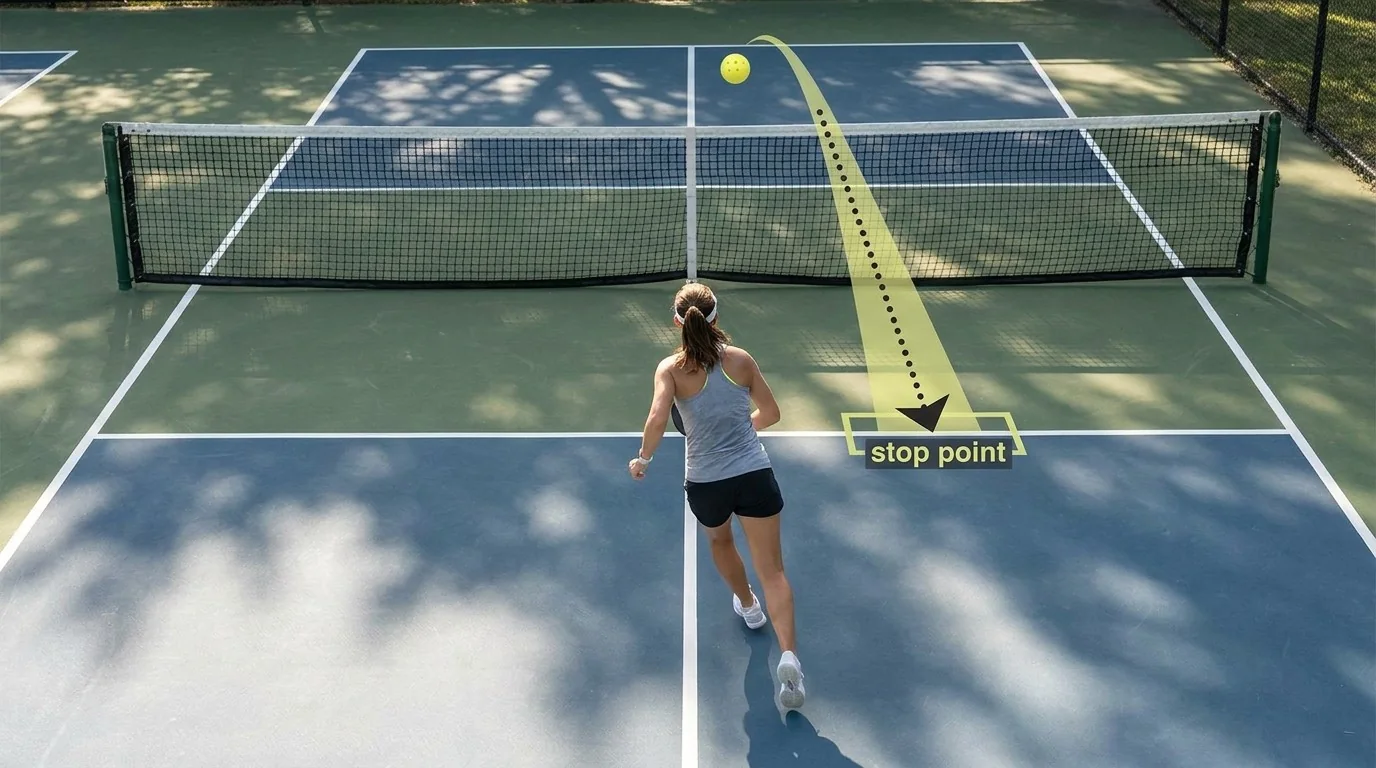
The pickleball rally pause protocol is not about swinging harder. It is about recognizing when an attack is actually safe. A ball at a useful height, a balanced base, and an opponent who is not ready can open the door. A low or late ball usually calls for a reset instead.
Start with the ball's height
First ask whether you can contact the ball at or above net height, in front of your body. A ball around sternum to shoulder height gives you room to accelerate forward or slightly down while keeping the landing area manageable. A ball below the net usually requires lift, and that lift can hand the opponent an easy counter.
Height is not a command to attack. It simply makes the option worth considering. If the ball is rising but still awkward, wait or play a controlled dink. If it arrives high enough and cleanly, read the rest of the situation before you commit.
Check balance and contact space
A speed-up starts with your feet. Settle enough to contact in front without lunging, drifting backward, or reaching across your body. Use a small adjustment step to make room, keep the paddle ready, and let the ball enter a repeatable strike zone. A fast swing from a poor base is usually just a feed.
Keep the preparation compact and close to your dink preparation. A big backswing gives away the attack and delays recovery. Use a short forward action, then bring the paddle back to chest height right away. The first attack is only the start of the hands exchange.
Read the opponent's paddle
Look at the receiver just before you accelerate. A paddle already at chest height, a stable stance, and weight moving forward usually mean the opponent is ready to block or counter. In that case, another dink may be the better play even when your ball is technically attackable.
A paddle dropped toward the waist, weight on the heels, or a player still recovering from a wide ball creates a clearer opening. You are not trying to surprise an opponent who is fully loaded. You are using incomplete preparation to make the next contact difficult.
Choose a target with margin
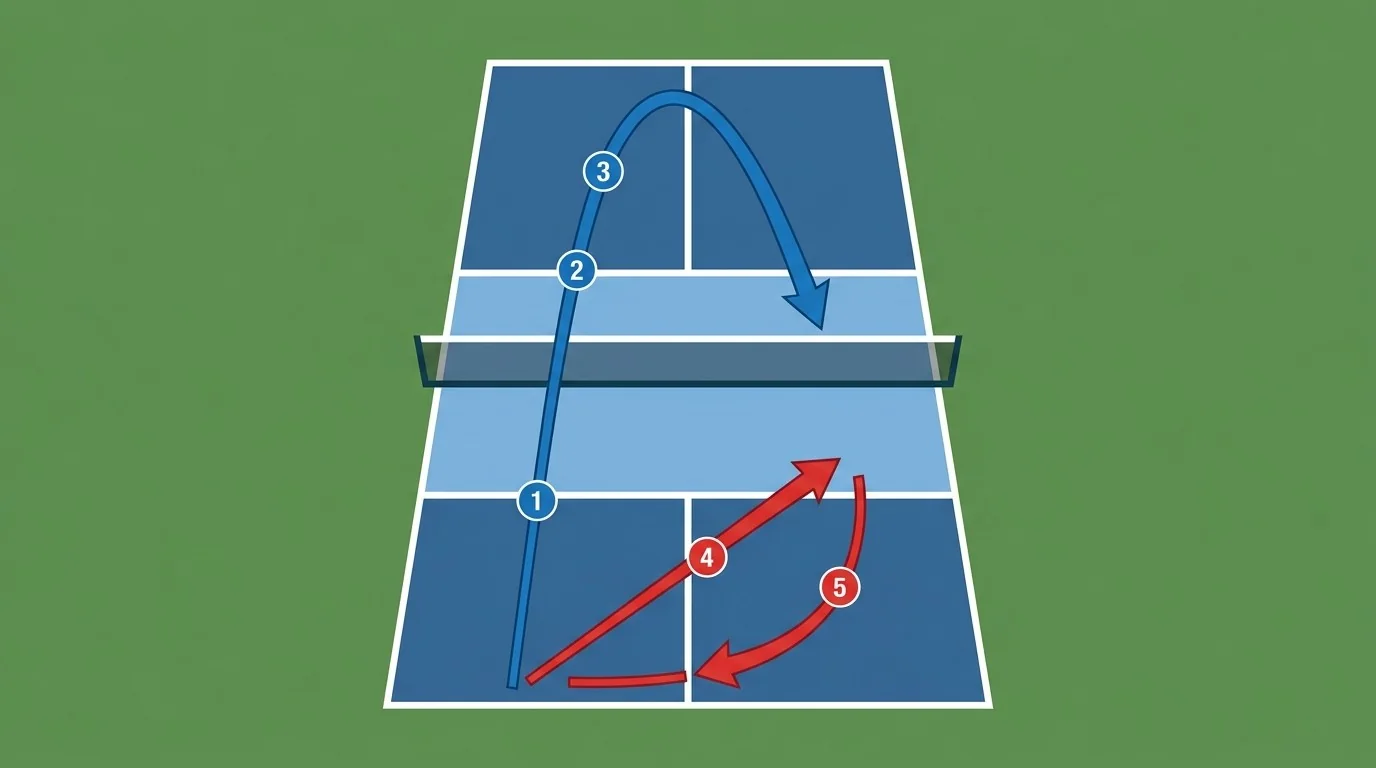
In doubles, the inside hip or body line of the closer opponent is often a practical target because it compresses the forehand-backhand decision. The middle can create a communication problem too, but calls and spacing still matter. Do not treat the open sideline as the default. A wide attack gives the opponent an angle and can leave you exposed.
Use enough pace to change the rally, not so much that you lose control. A compact, slightly downward speed-up toward the feet or body is often more useful than a maximum swing. In singles, a down-the-line or body target may pull the opponent away from the next passing lane, but recover with the court geometry in mind.
Know when to reset
Reset when the ball is below the net, behind you, outside comfortable reach, or arriving while you are still moving. A soft block or reset into the opponent's kitchen can remove their advantage and bring you back to a balanced exchange. Resetting is not giving up. It buys time for a better ball.
Reset when your partner is not ready as well. If your teammate is still transitioning, recovering from a reach, or holding the paddle low, an attack can leave you with two defenders facing one prepared opponent. Re-establish your shared position first.
Recover before you watch
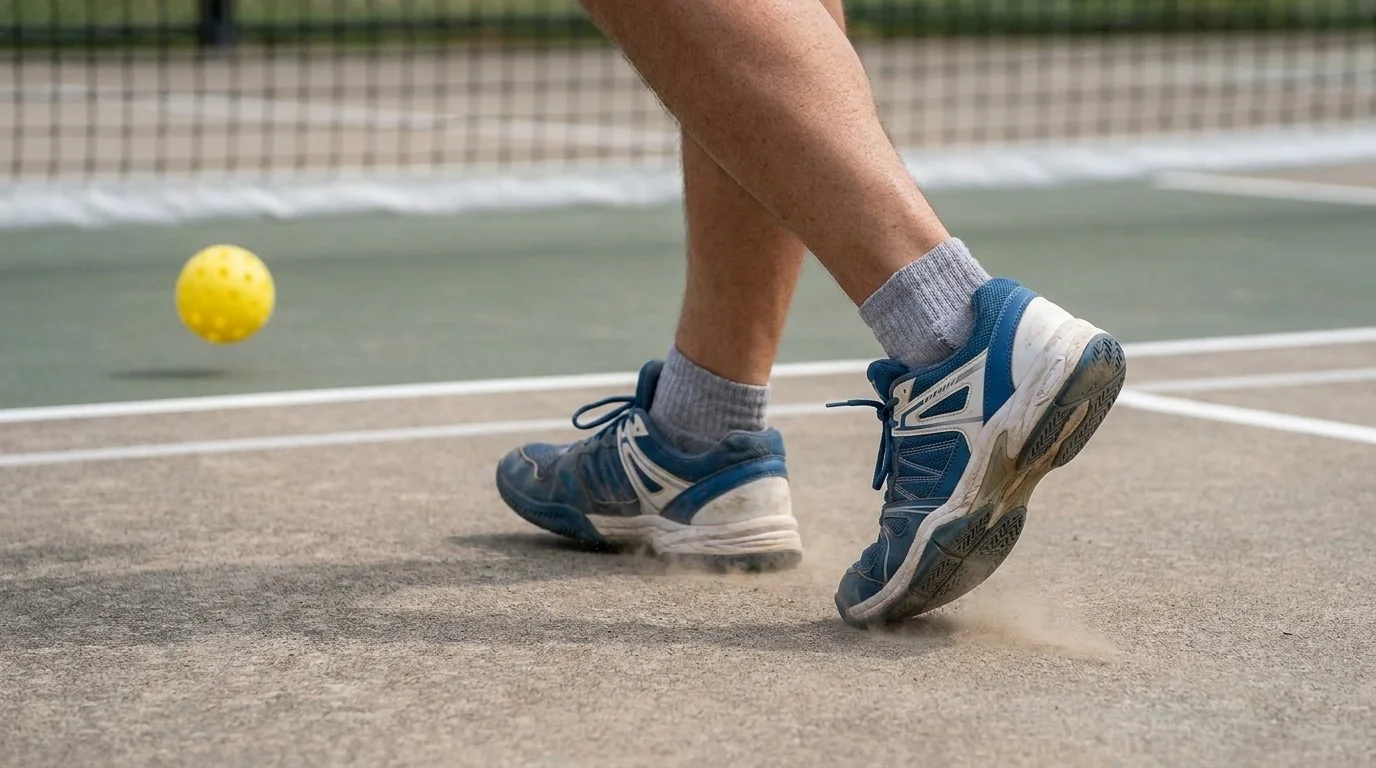
As soon as the ball leaves your paddle, reload. Return the paddle to a neutral chest-high position, keep your feet available, and expect the block or counter to come back quickly. If you attacked through the middle, be ready for the reply to redirect toward a side. If you attacked the body, expect a short block or a fast counter.
Do not drift forward to admire a good contact. Hold your kitchen-line discipline and let the next ball decide your movement. A good speed-up is followed by a prepared second contact.
Practise the decision tree
Begin with cooperative dinking. The feeder varies height and direction while the hitter calls "speed up" or "reset" before contact. Attack only when height, balance, and contact space are present. On reset repetitions, soften the paddle and land the ball in the kitchen with margin.
Next, add opponent readiness. The defender alternates between paddle-up and paddle-down positions, and the hitter must notice the cue before choosing. Finish with a live hands drill at moderate pace: attack compactly, recover immediately, and count a repetition only when the next ball remains playable.
A reliable pickleball rally pause protocol brings together ball height, a stable base, opponent readiness, a purposeful target, and immediate recovery. Attack the ball that earns it. Reset the ball that does not.