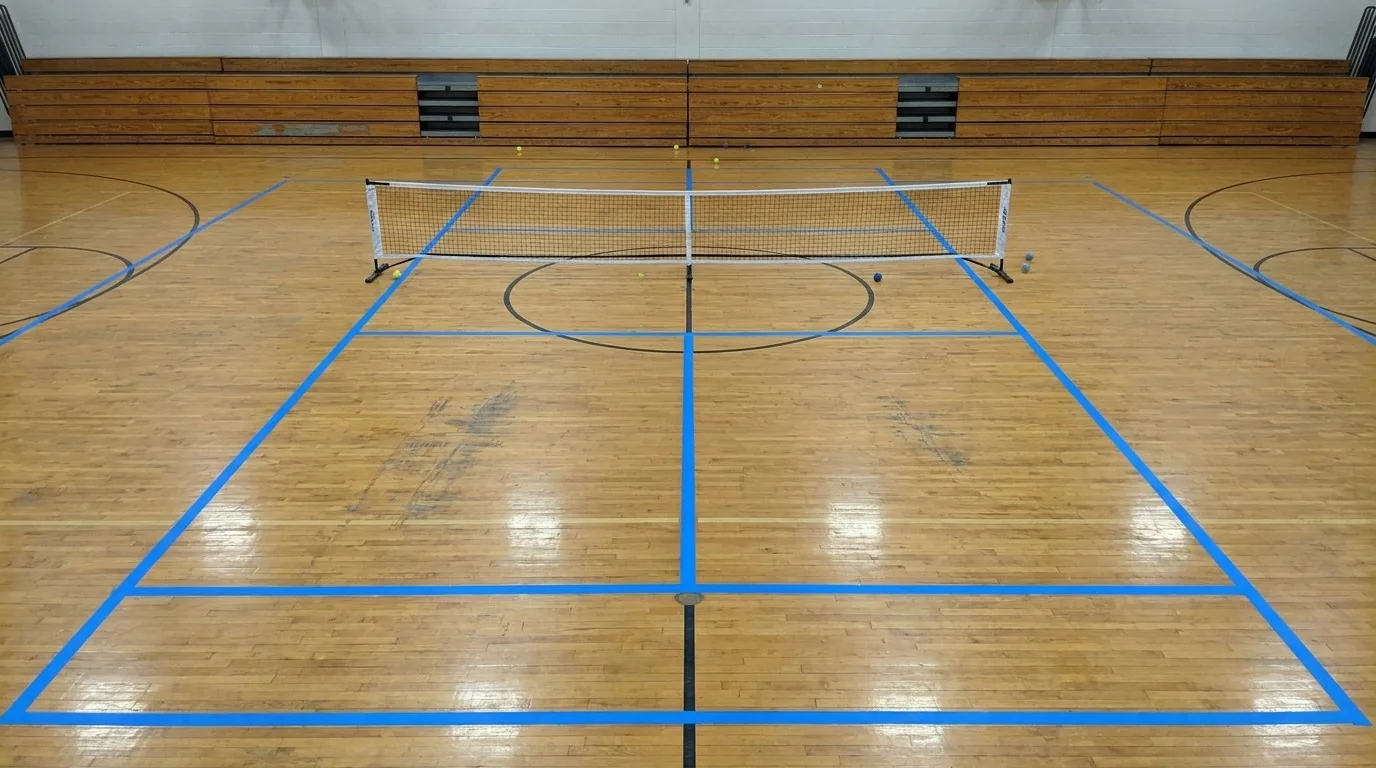
Pickleball Replay vs Let: When Should You Stop and Replay a Rally?
Learn when an interruption requires a pickleball replay, when a rally should stand, and how to reset the score, server, and positions fairly.
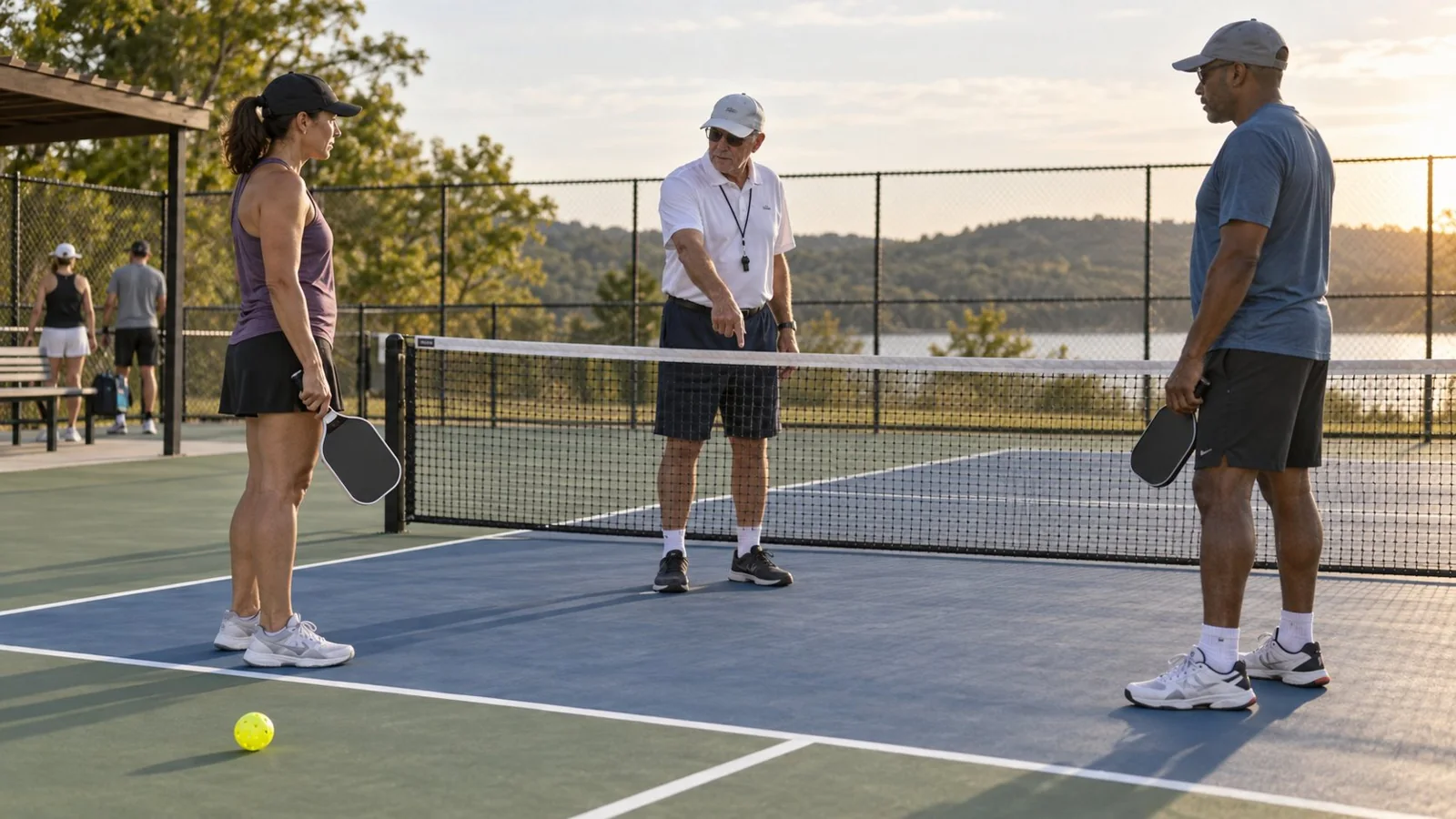
A pickleball rally does not always end with a winner. Sometimes the correct decision is to stop play and replay the rally. Understanding pickleball replay vs let helps players handle a ball that rolls onto the court, an unexpected interruption, or a situation in which the result cannot be judged fairly. The key is to separate a genuine interruption from an ordinary mistake or a disputed call.
What a replay means
A replay starts the rally again without awarding a point or changing the serving sequence. The players return to the correct positions, confirm the score and server, and repeat the point. It is not a penalty. It is a way to protect fairness when something outside the normal exchange affects play.
A replay is appropriate when an outside ball enters the playing area and creates a real safety risk or distraction. It can also be appropriate when a person, animal, or equipment problem interrupts the rally. The interruption should be significant enough that continuing would give one side an unfair advantage. A ball that rolls near a player’s feet is different from one that remains far behind the baseline and does not affect movement or vision.
In self-officiated play, call “let” or “replay” as soon as the interruption is clear. Do not wait until the rally’s outcome is obvious. If everyone agrees the interruption affected the point, stop, reset, and replay it.
When a rally should not be replayed
A normal unforced error is not a let. If a serve lands out, a return hits the net and fails to cross, or a player volleys from the non-volley zone illegally, the rally ends under the applicable rule. Players should not request a replay simply because the ball took an unexpected bounce or because they dislike the shot they chose.
A line-call disagreement is also not automatically a replay. The player who receives the ball makes the call on their side when there is no referee, and the benefit of doubt goes to the opponent. If the ball cannot be seen clearly, treat it as in rather than inventing a let after the rally has finished. Good sportsmanship means accepting a close call instead of using replay as a second chance.
Likewise, noise alone does not always justify stopping play. A normal conversation, a spectator moving outside the court, or a routine sound may be distracting without materially interfering. Pause only when the disruption is unusual, immediate, and genuinely affects the rally.
A simple reset procedure
When an interruption happens, use this sequence:
- Stop play immediately and identify the event without arguing about the eventual winner.
- Confirm whether the interruption was outside the players’ control and whether it affected safety, vision, or movement.
- Agree on the score, serving team, server, and starting positions.
- Replay the rally only if the interruption was significant; otherwise apply the result of the original point.
- Resume promptly and use the same standard for both teams for the rest of the game.
If players cannot agree, involve the referee or the facility’s designated decision-maker. The goal is not to reward the loudest appeal; it is to apply one consistent standard. Knowing the difference between a true let and an ordinary error keeps recreational games moving and prevents a small interruption from becoming a larger dispute.