Pickleball Spin Choice: Match Slice or Topspin to the Rally
A practical guide to pickleball slice: understand backspin, choose it for defensive recovery, compare it with topspin, and train the decision with simple progressions.
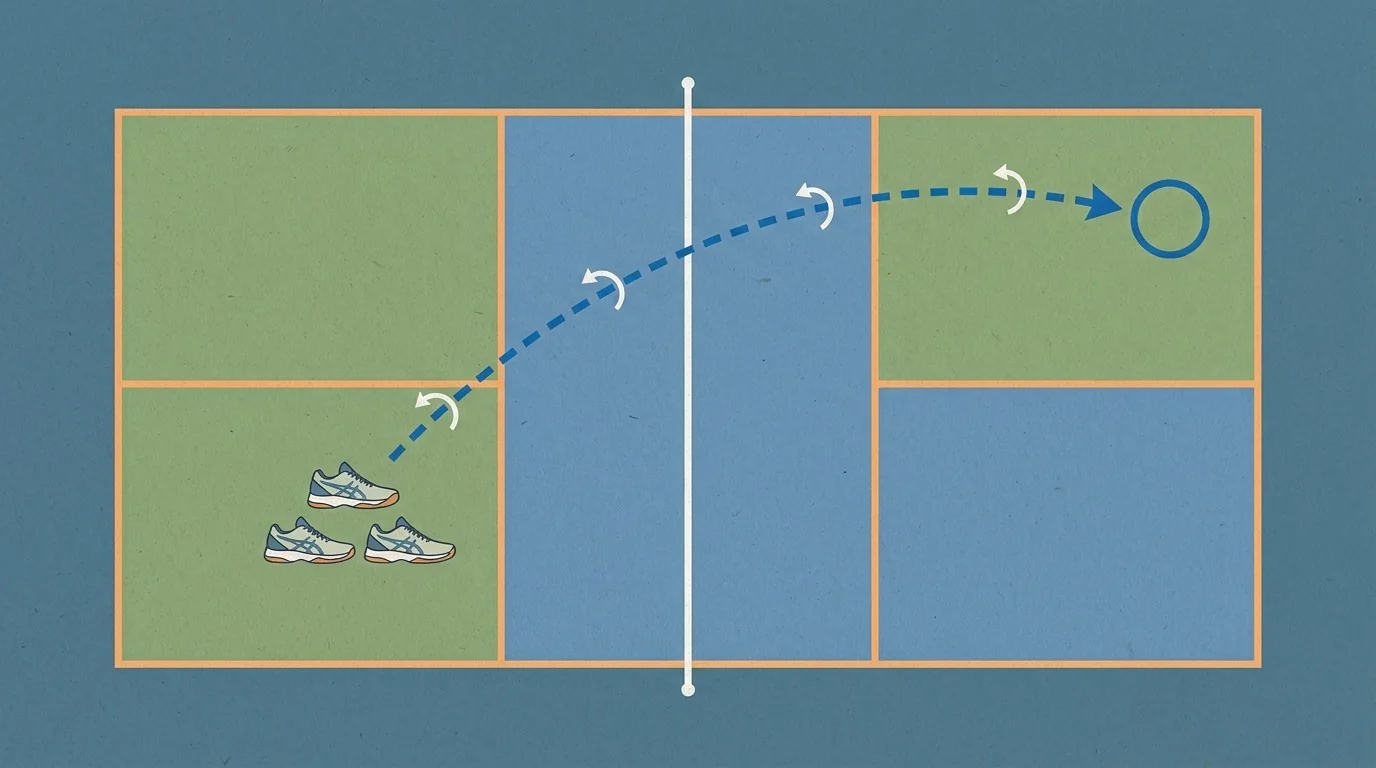
A pickleball slice is useful when you want to change the ball’s pace and bounce, not simply swing in a different direction. The paddle brushes the ball to create backspin or sidespin, and that rotation affects both flight and bounce. Used at the right time, slice can keep the ball lower, slow the exchange, and give you time to recover.
Know what each spin changes
Topspin rotates forward relative to your body. It helps the ball dip into the court, so you can swing with more intent while keeping a playable trajectory. After the bounce, the ball tends to jump forward.
Slice creates backspin or sideways spin. The ball usually travels more slowly and stays a little longer in the air, then tends to bounce lower. Those traits can help you change the rhythm, make comfortable contact harder, or buy time while defending. They do not guarantee a weak reply; placement, height, speed, and the opponent’s position still matter.
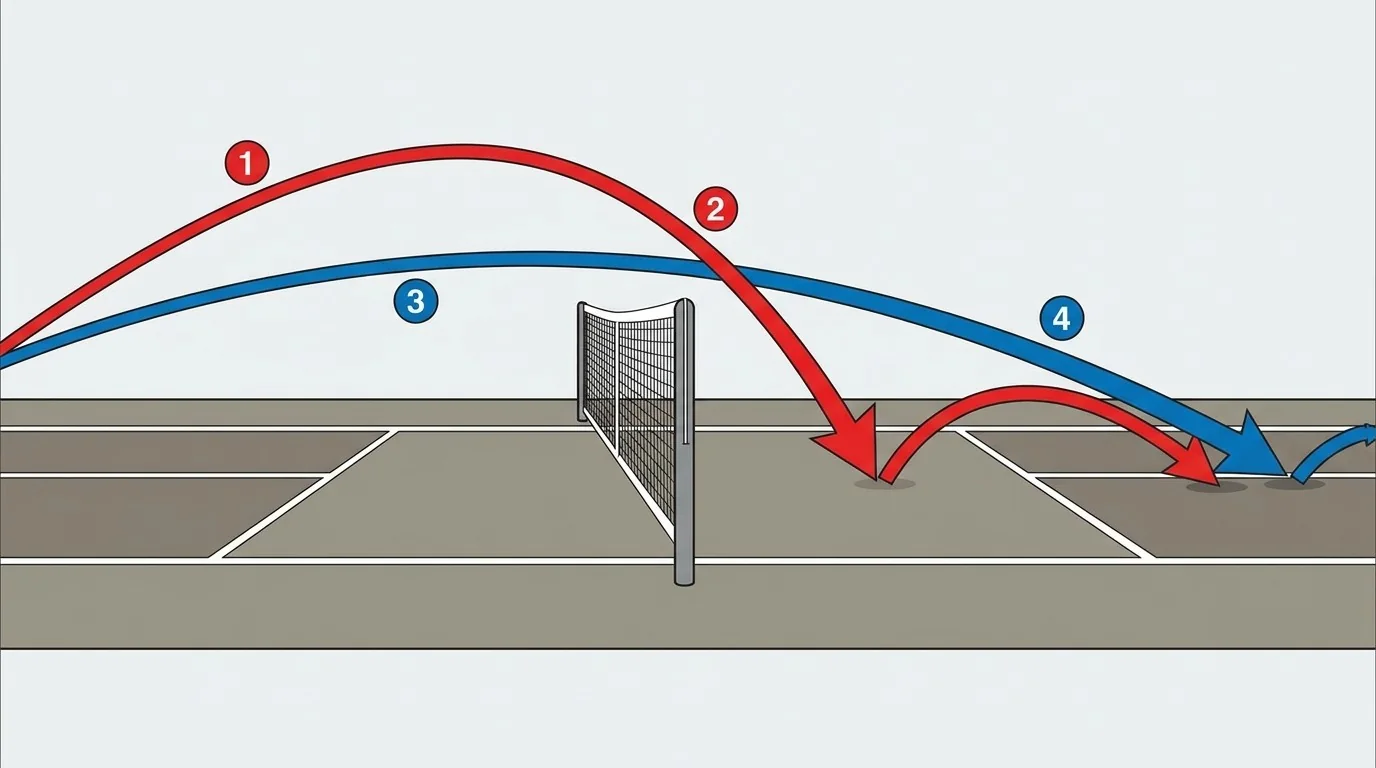
Brush the ball without overcutting
Spin comes from friction between the paddle and the ball. For a slice, let the paddle travel on a controlled high-to-low path and brush the ball instead of merely pushing it forward. You do not need a dramatic chop. A stable contact and a manageable path give the ball rotation without turning the shot into a wild swing.
Let the situation guide the choice. If you are late, stretched, or trying to slow a fast exchange, a defensive slice may be the better way to keep the ball playable. If you have time and want to pressure the opponent, topspin may give you a more useful aggressive trajectory. Neither spin fixes poor spacing or a late decision.
Use defensive slice to create time
A defensive slice can interrupt the rally’s rhythm. Its slower flight may give you a moment to regain balance, while its lower bounce can force the opponent to adjust or lift the ball instead of receiving it at a comfortable height. Treat that as a possibility, not a promised result.
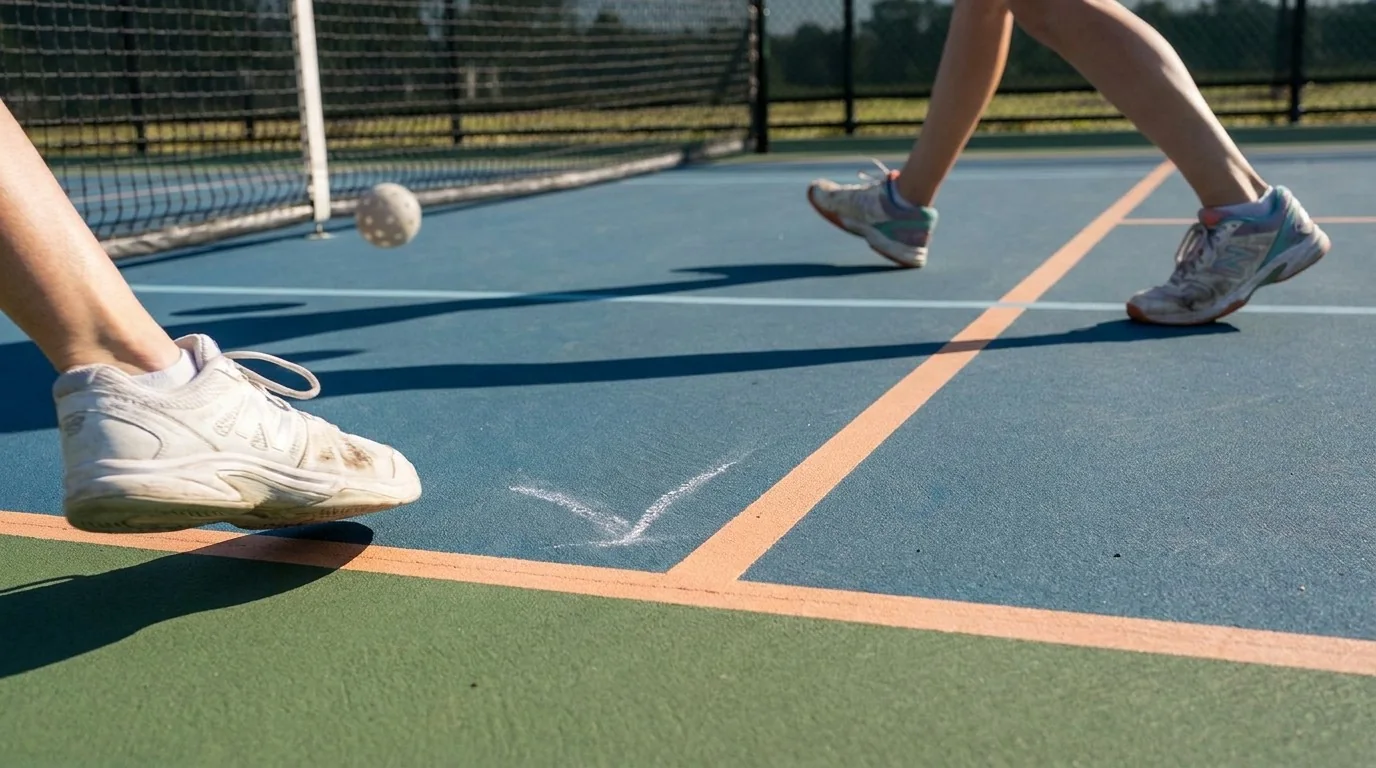
Take the recovery step as soon as you finish the stroke. Do not stand and watch the ball to see whether the spin worked. The slice has tactical value only if your feet use the time it creates to rebuild a position for the next shot.
Match the spin to the rally
Use topspin and slice for different jobs:
- Topspin: a practical choice for an attacking ball that needs a dipping flight and a forward-jumping bounce.
- Slice: a practical choice when you want to slow the ball, keep the bounce lower, or create recovery time during a defensive exchange.
A ball that arrives with time and space may invite topspin. A ball that catches you while you are defending or trying to reset may favor slice. In both cases, start with a repeatable trajectory and useful net and court margin rather than chasing maximum spin.
Train the decision, not just the swing
Begin with shadow swings. Make the slice path controlled and smooth rather than forcing a large cut. Feed easy balls next and focus on brushing them from a stable body position. Then alternate one topspin feed and one slice feed so the stroke choice connects to the intended job.
Add the recovery step after every contact. Ask three practical questions: Did the ball follow the intended arc? Did the bounce behave as expected? Were you balanced and ready for the next shot? Finish with a live exchange in which you choose the spin from the ball and your position, rather than deciding before the feed.
Spin is a tool for changing trajectory, pace, and bounce. It works best when it supports court position and a sound decision instead of replacing them.