Pickleball Wind Playbook: Read Drift, Protect Margin, Recover
Learn how to play pickleball in wind by reading ball flight, controlling height and depth, allowing for drift, and practising with safe targets.
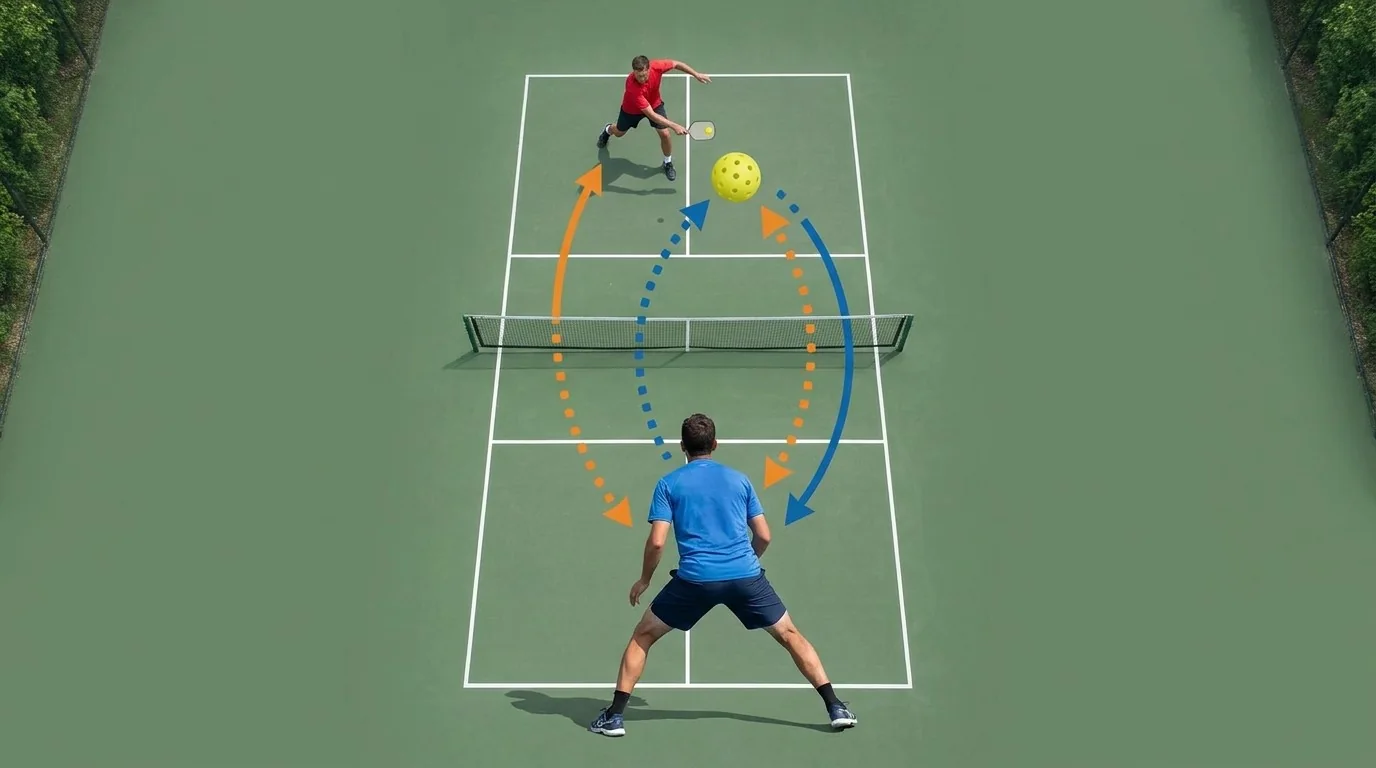
Wind changes the shot before it changes your swing. It can lift the ball, take depth off a drive, push a crosscourt ball toward the sideline, and make a familiar contact point feel late. A useful pickleball wind strategy starts with four choices: read the drift, keep margin, manage the ball’s height, and recover ready for what comes next.
Read the conditions before you pick a target
Use the warm-up to watch the ball. Does it drift left or right? Does it rise after contact, or does it lose depth? Conditions can differ between the baseline and the kitchen, so the flight of the actual ball tells you more than a forecast alone. Begin with a conservative target well inside the lines, then adjust after you see the bounce.
Wind also changes timing. A ball moving with the wind may reach you sooner, while one hit into the wind can hang in the air. Keep the paddle up, take small adjustment steps, and wait for the ball to finish its flight before committing to a large swing.
When you are hitting into the wind
A little more height and depth can give an into-the-wind shot useful margin. Do not respond by swinging as hard as possible. Too much force can send the ball high, make it float, or push it long when the gust changes. Keep contact stable, choose a landing area with room inside the baseline, and let the wind help slow the ball after it crosses the net.
For a drop or reset, keep enough arc to clear the net safely. A low, flat ball has little protection if the wind pushes it down. Use a compact motion and judge the result by whether the ball lands low enough to limit an attack, not by how narrowly it passes over the tape.
When the wind is behind you
With the wind at your back, reduce height and pace before you give up control. A ball that looks deep when it leaves the paddle can carry past the line. Aim shorter only if the landing window remains safe, and keep the paddle face quiet through contact. In a strong wind, a controlled drive or reset can be more dependable than a delicate ball that floats.
The same idea applies to kitchen dinks and blocks. Keep the ball low, shorten the swing, and expect the wind to exaggerate an open paddle face. If the ball starts climbing, close the face slightly and soften the contact instead of chasing the ball with the wrist.
Account for crosswind and sideways drift
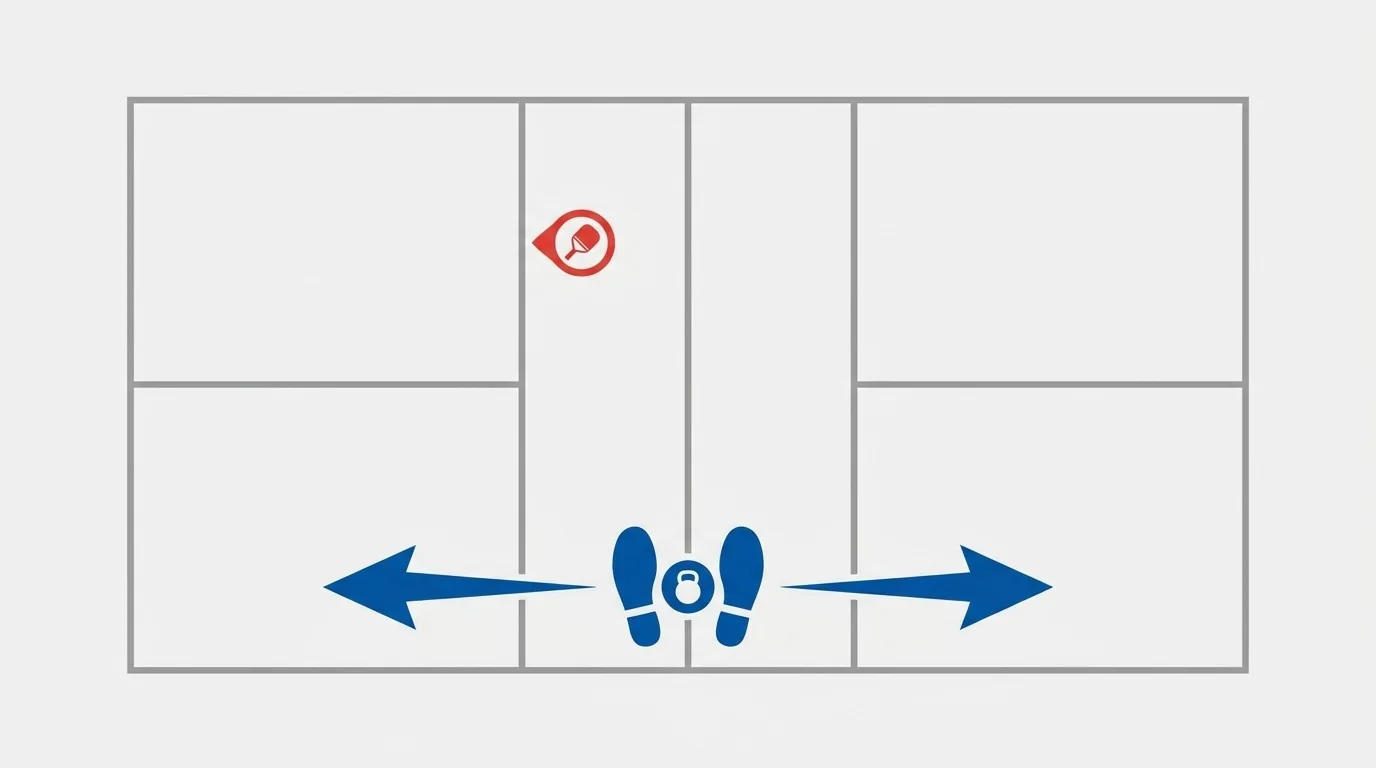
A crosswind can turn a sound crosscourt shot into one that drifts toward the sideline. Allow for that movement before contact and choose a target inside the line. When you defend a wide ball, move your feet first, keep your head steady, and choose a safe direction that gives you time to recover.
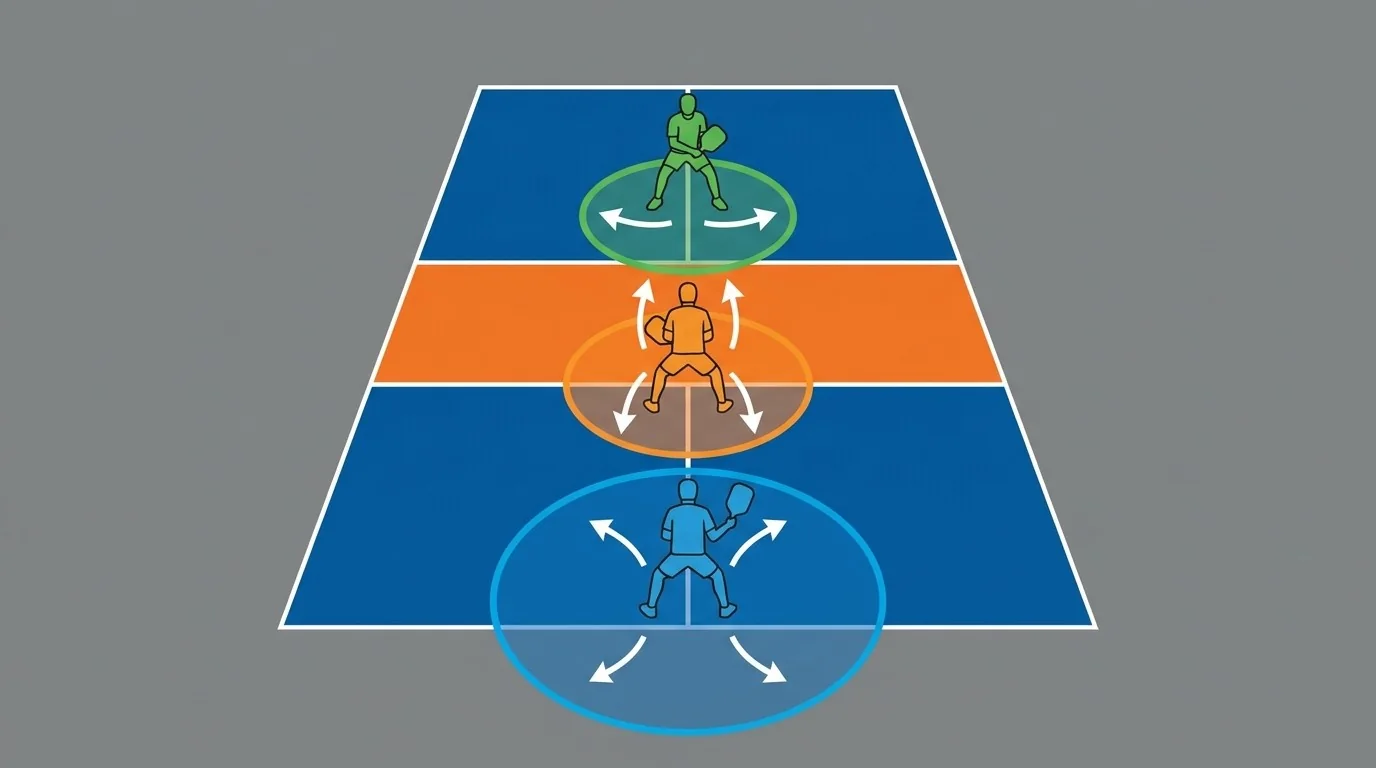
In doubles, call early when the wind changes who should take the middle ball. Your partner may see the drift differently from the other side of the court. Communicate, protect the seam, and avoid both players moving toward a ball that is being pushed across the court.
A simple practice routine for windy days
Start with ten cooperative balls in one direction. Note whether each one lands short, long, or wide, then repeat in the opposite direction. Mark a broad target inside the court and count only balls that clear the net with margin, land in the zone, and leave you balanced to recover. Change one variable at a time: height, pace, or depth.
Then play a three-ball sequence: one deep ball, one controlled transition ball, and one kitchen ball. Use the first to read the wind, the second to protect margin, and the third to keep the paddle quiet. The aim is not to beat every gust. It is to make a repeatable decision when the conditions shift.
Mistakes that cost easy points
Do not answer every gust with maximum power. Avoid aiming at the lines, standing tall while waiting for a floating ball, or using the same target after the wind has clearly changed. Reset your feet, follow the flight, and choose the simplest shot that preserves depth or produces a low landing.
Wind rewards patience and room for error. Control height when the ball wants to float, protect depth when it wants to die, allow for sideways drift, and recover after every contact. Practice turns changing wind from a surprise into information.