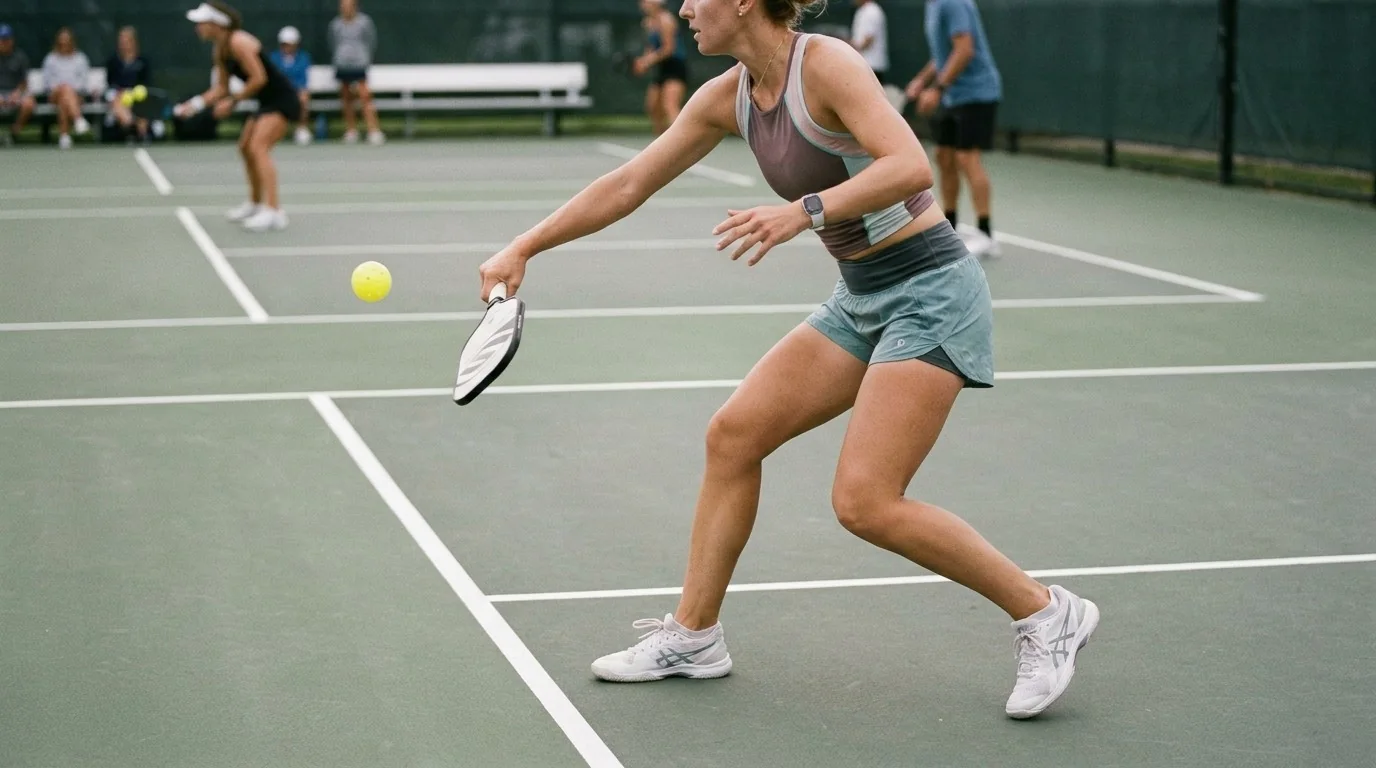
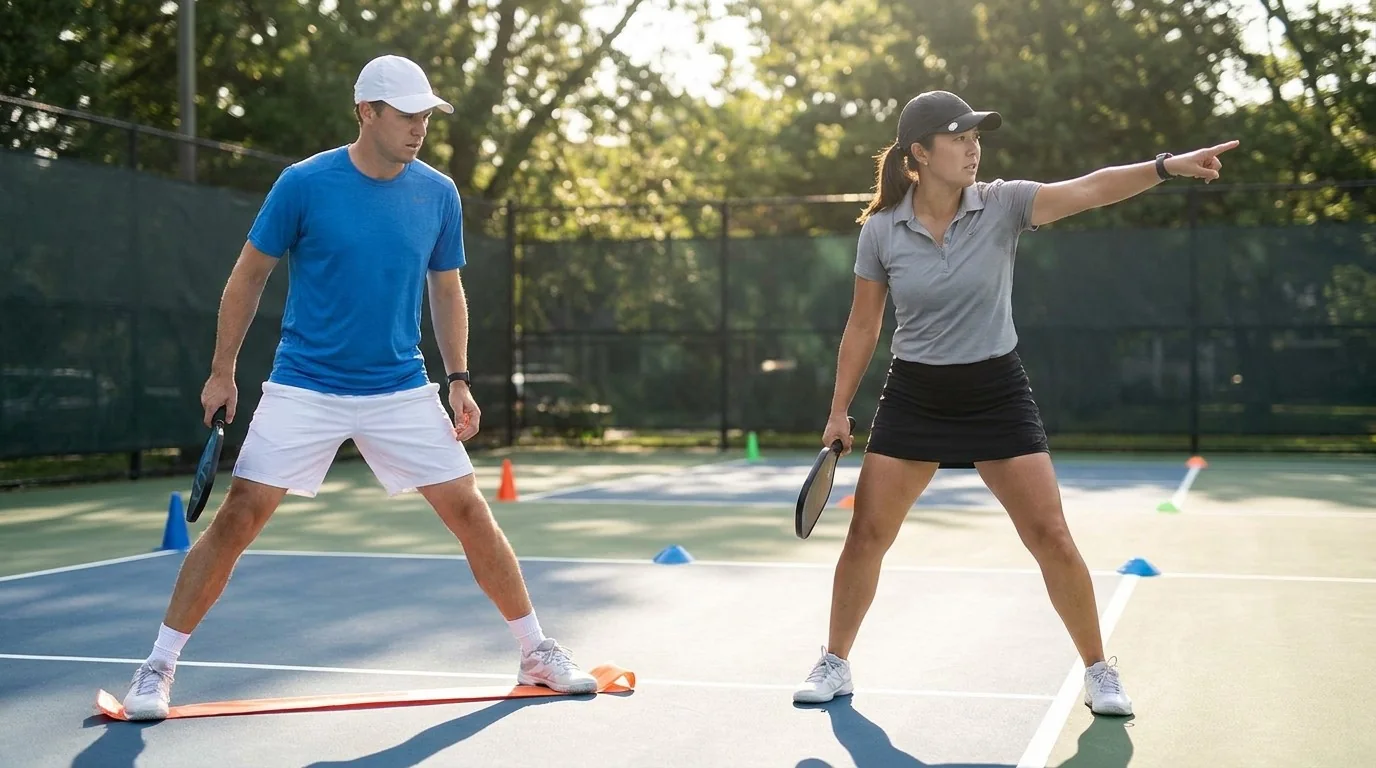
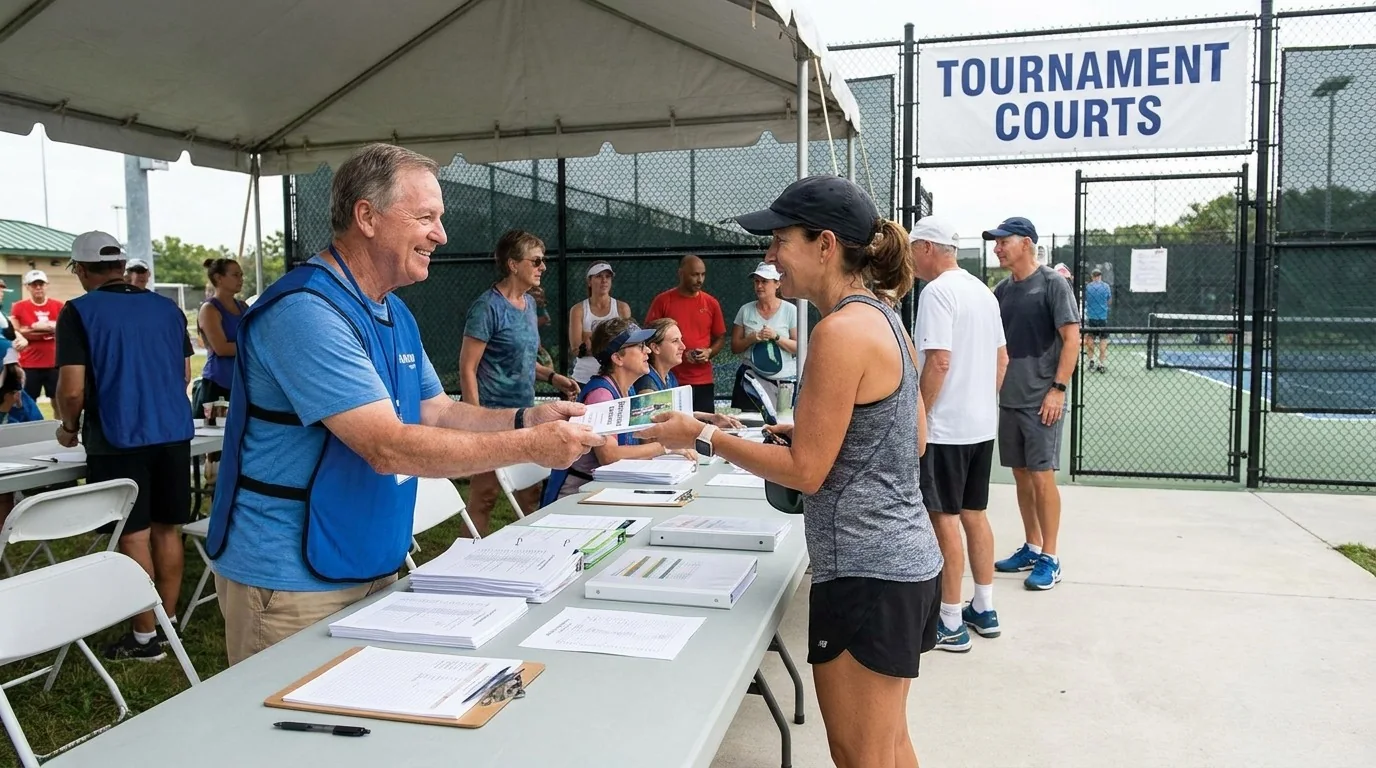
Pickleball Open Play Etiquette: A Practical Guide
A practical guide to joining open play, rotating fairly, communicating across skill levels, and keeping shared pickleball courts safe.
Pickleball open play etiquette keeps a busy court fair, welcoming, and moving. The basic idea is simple: arrive ready, join the rotation, respect the current game, and make room for players with different skill levels. Open play is not a private lesson or a permanent court reservation, so good manners matter as much as a reliable serve.
What is pickleball open play?
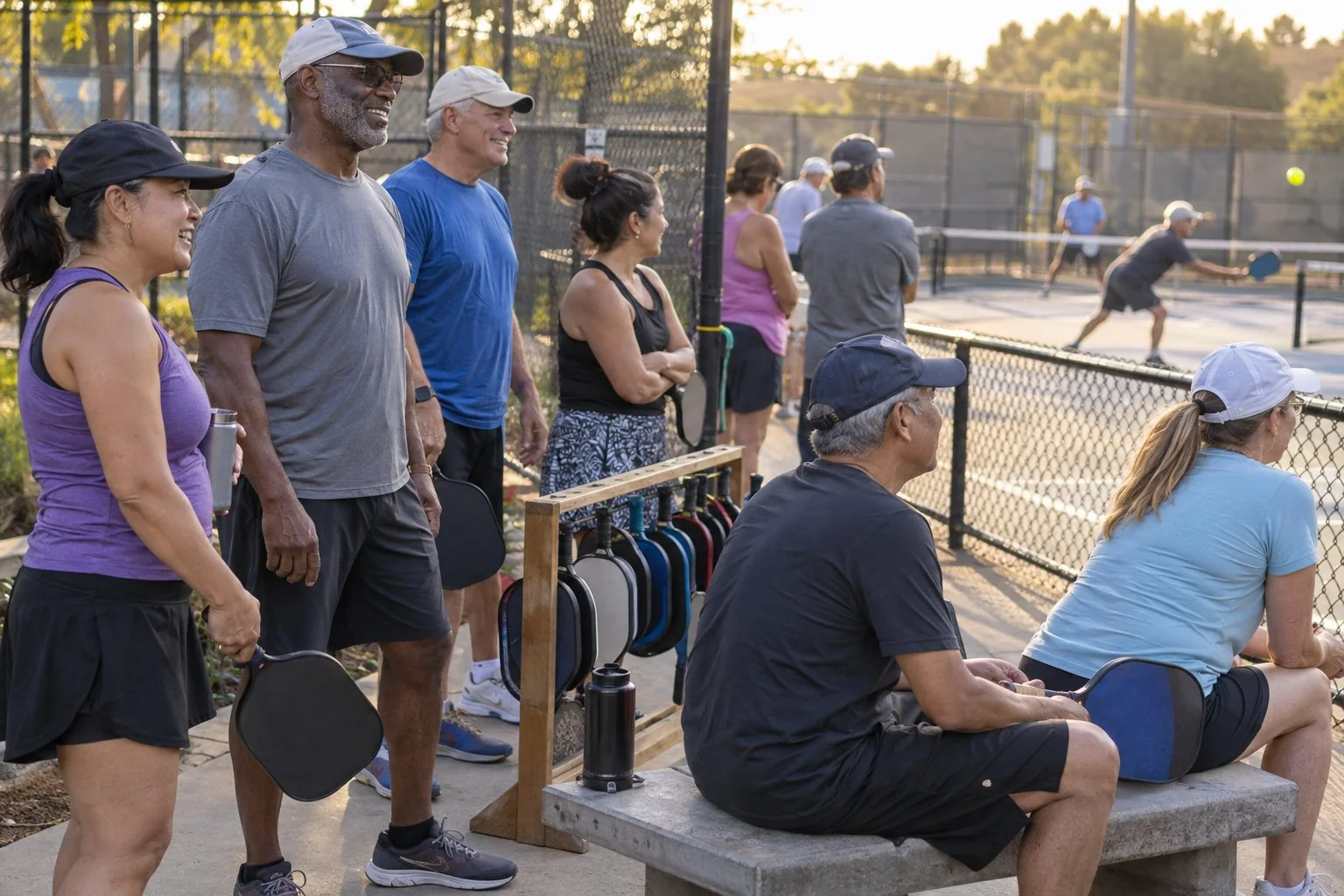
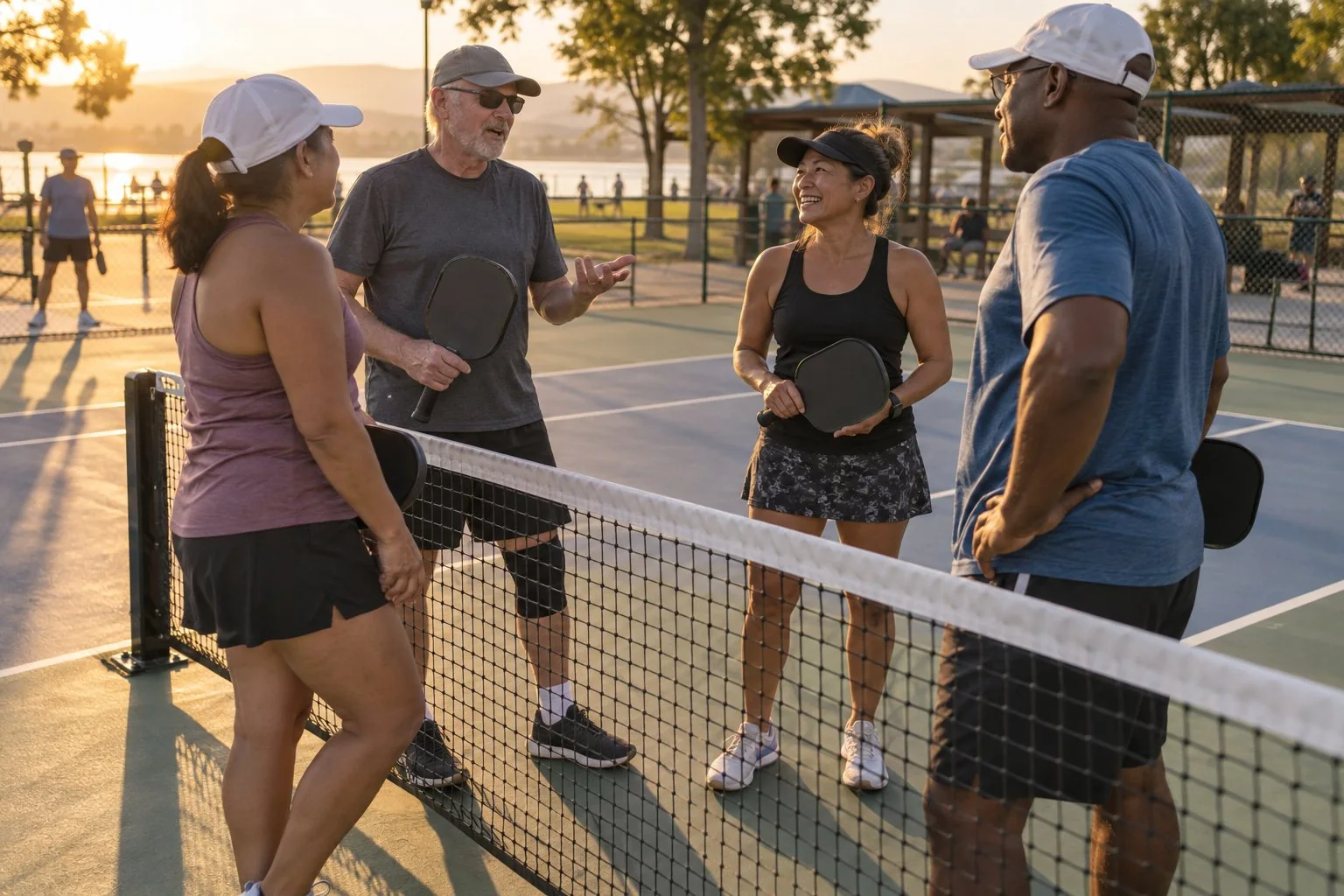
Open play is a session where players share available courts rather than staying with one fixed group. You may arrive alone, place your paddle in a queue, and join the next game when your turn comes. Some venues use a paddle rack; others use a sign-up board or ask players to rotate after one game. Check the local system before stepping onto a court.
For example, imagine four courts and twelve players waiting. If the venue uses a paddle queue, place your paddle at the end, wait until the court calls the next four, then remove it before playing. Do not put down a second paddle to reserve a later spot unless the venue explicitly allows it.
The format changes by venue. Games may use rally scoring for a timed recreational session, or the usual side-out scoring in a casual game. Ask before play begins instead of correcting the score halfway through a rally.
How to rotate courts fairly
Start by learning who is already playing and who is waiting. A player finishing a game should leave the court when the rotation requires it, while waiting players should avoid hovering at the non-volley zone or distracting the rally. If several people arrive together, keep the group order visible and use the venue’s stated rule rather than inventing a private order.
A useful routine is:
- Put your paddle in the queue once.
- Wait outside the playing area.
- Join the next open slot.
- Leave after the agreed game or time limit.
- Re-enter at the end of the queue.
Suppose six players share one court and rotate after every game. Four play first; the two waiting paddles stay visible. After the game, the four players leave, the two waiting players join, and the next two paddles complete the group. The exact method can differ, but the decision rule stays consistent: the queue should determine access, not who speaks loudest.
Open play etiquette for mixed skill levels
Call your level honestly. A beginner who says so early can receive clearer, kinder play, while an advanced player can adjust pace without turning every point into a lesson. Avoid targeting a new player repeatedly just to win a recreational game, but do not patronize them with deliberately soft balls either.
Before play, agree on boundaries. You might say, “Let’s keep this game relaxed,” or “I’m happy to receive one quick tip between points.” During a rally, limit coaching because constant instructions make it harder to read the ball and can embarrass a new teammate.
Keep balls low and controlled near other courts. If a loose ball rolls behind a player, call “ball” loudly and clearly, then wait until the rally ends. Never walk behind an active point while watching only the ball in your hand.
What should you bring to open play?
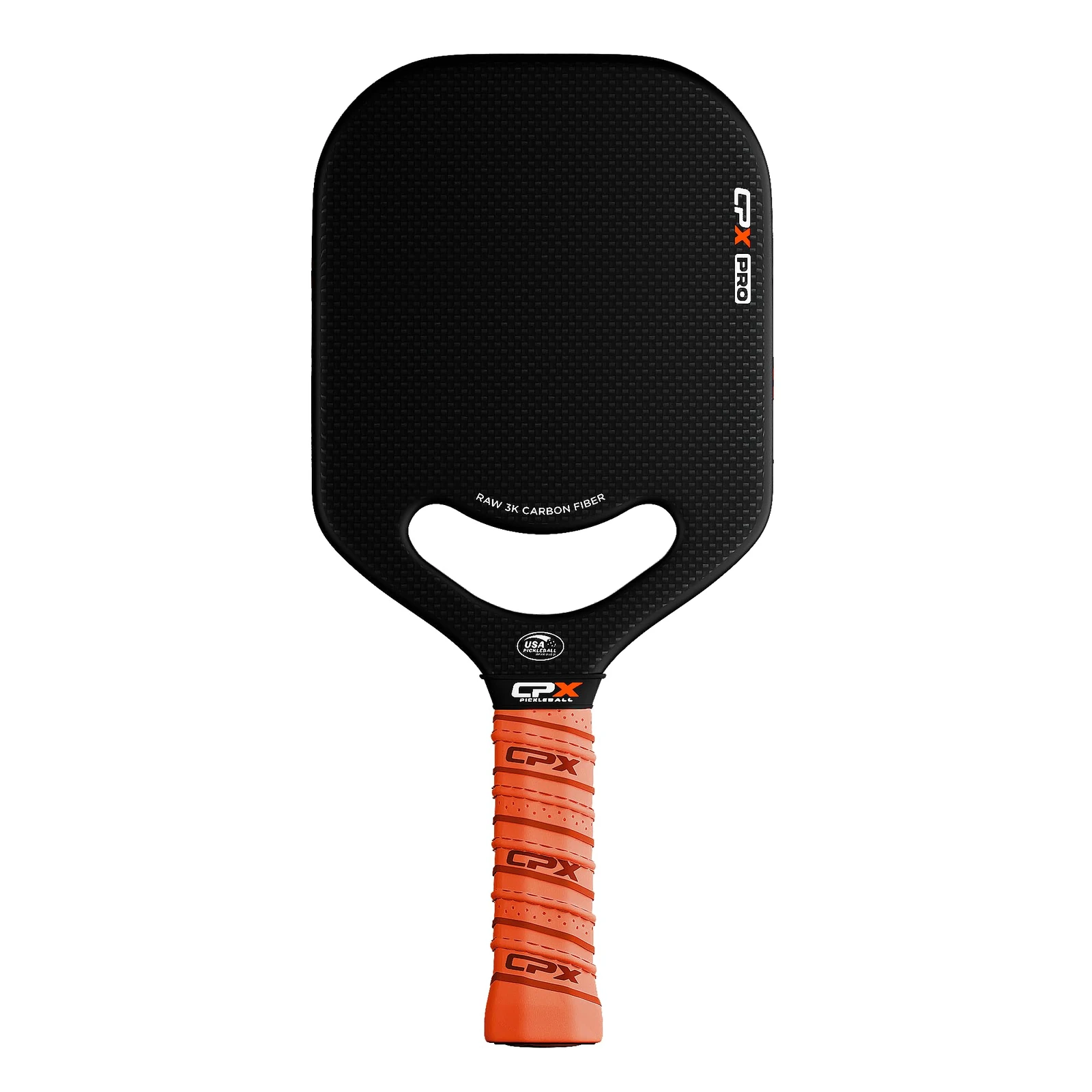
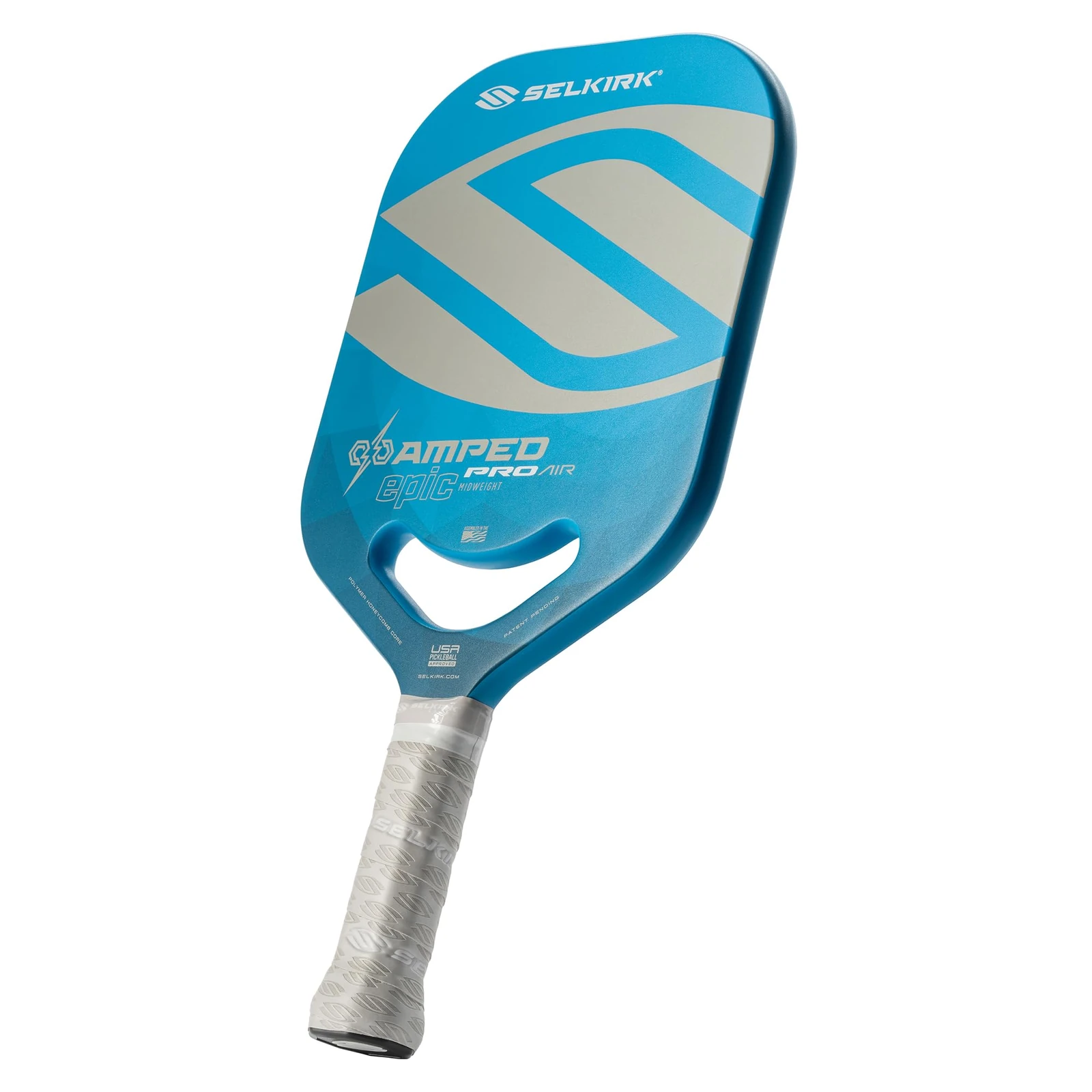
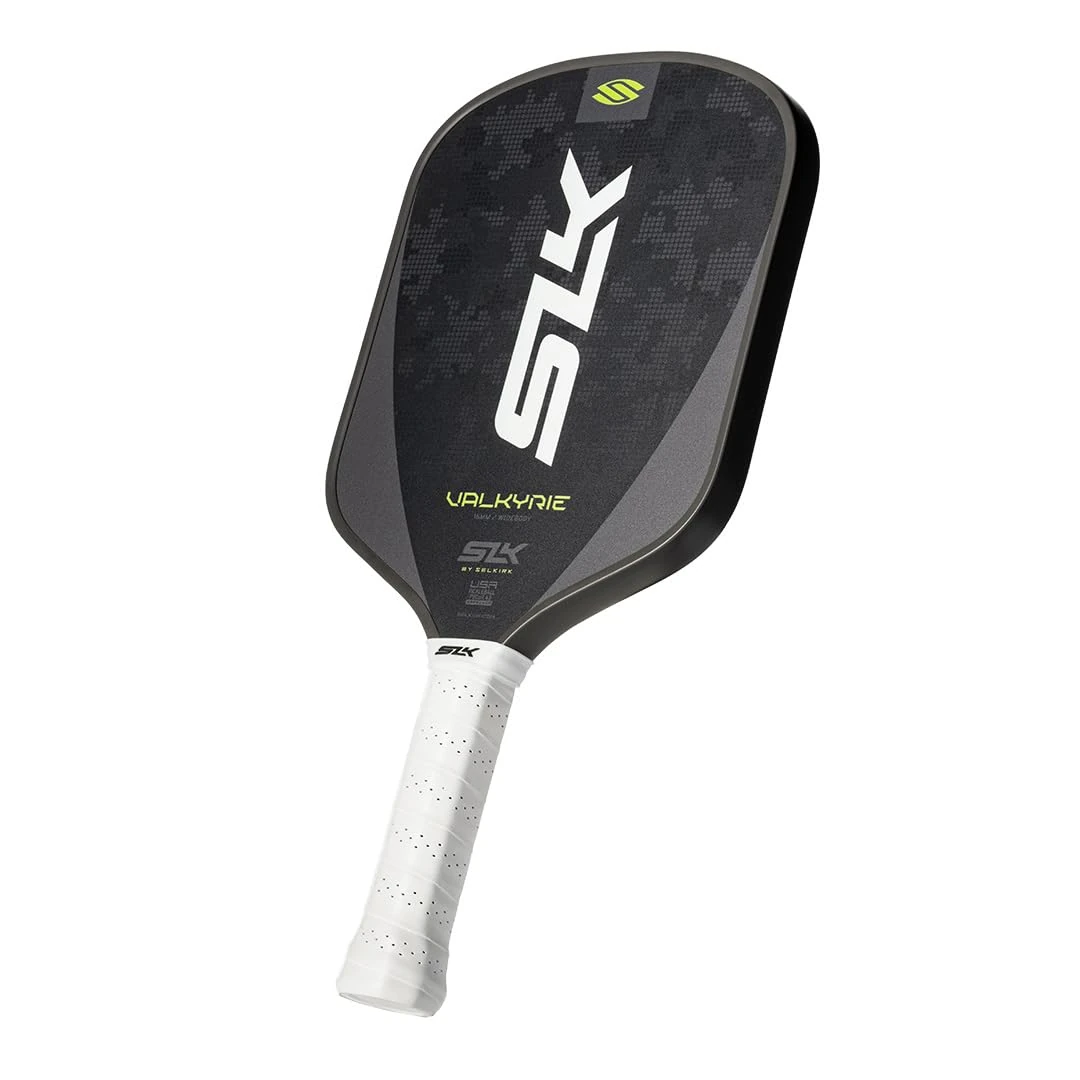
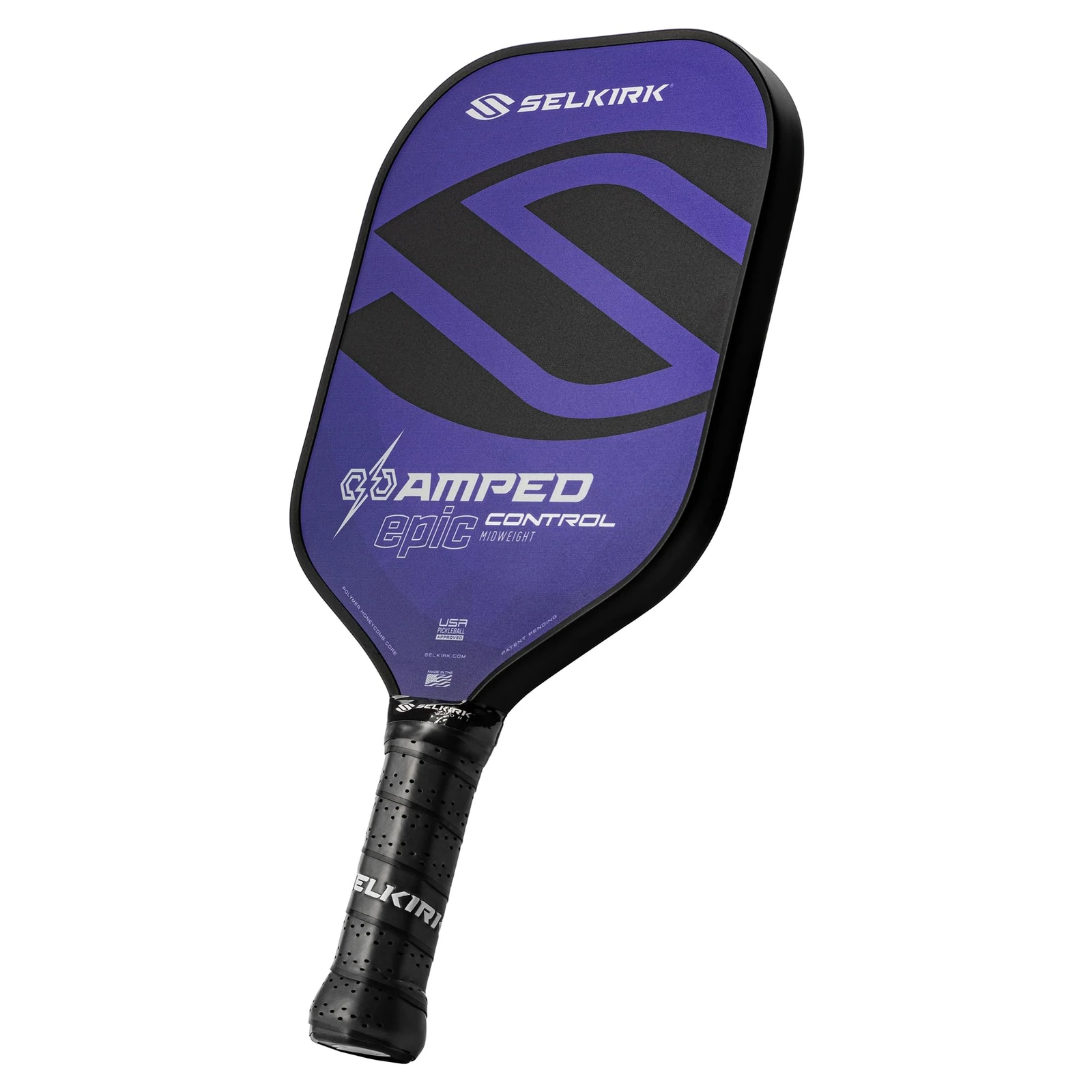
Bring water, at least one approved paddle, and suitable court shoes. Labeling your paddle with a small personal mark can help in a crowded rack, but avoid blocking the queue with bags or jackets. If the venue supplies balls, return them to the container; if players supply them, agree which ball is in use before serving.
Clean up tape, bottles, and packaging when you leave. A two-minute check around the bench prevents the next group from starting among loose gear, and it keeps shared courts usable for everyone.
Common mistakes to avoid
Do not walk onto a court mid-rally. Do not argue a close line call in a friendly session when you clearly could not see the bounce. Do not give a stranger a long technical lecture after one missed shot. Do not treat a queue as optional because your partner is already playing.
If conflict appears, pause between points and use a neutral question: “What rotation does this venue use?” Staff or the session organizer should settle a genuine disagreement about court access, safety, or timing.
A good open-play player makes the next game easier to join. For movement fundamentals, see pickleball footwork drills; for partner communication, read doubles communication calls.