Technique
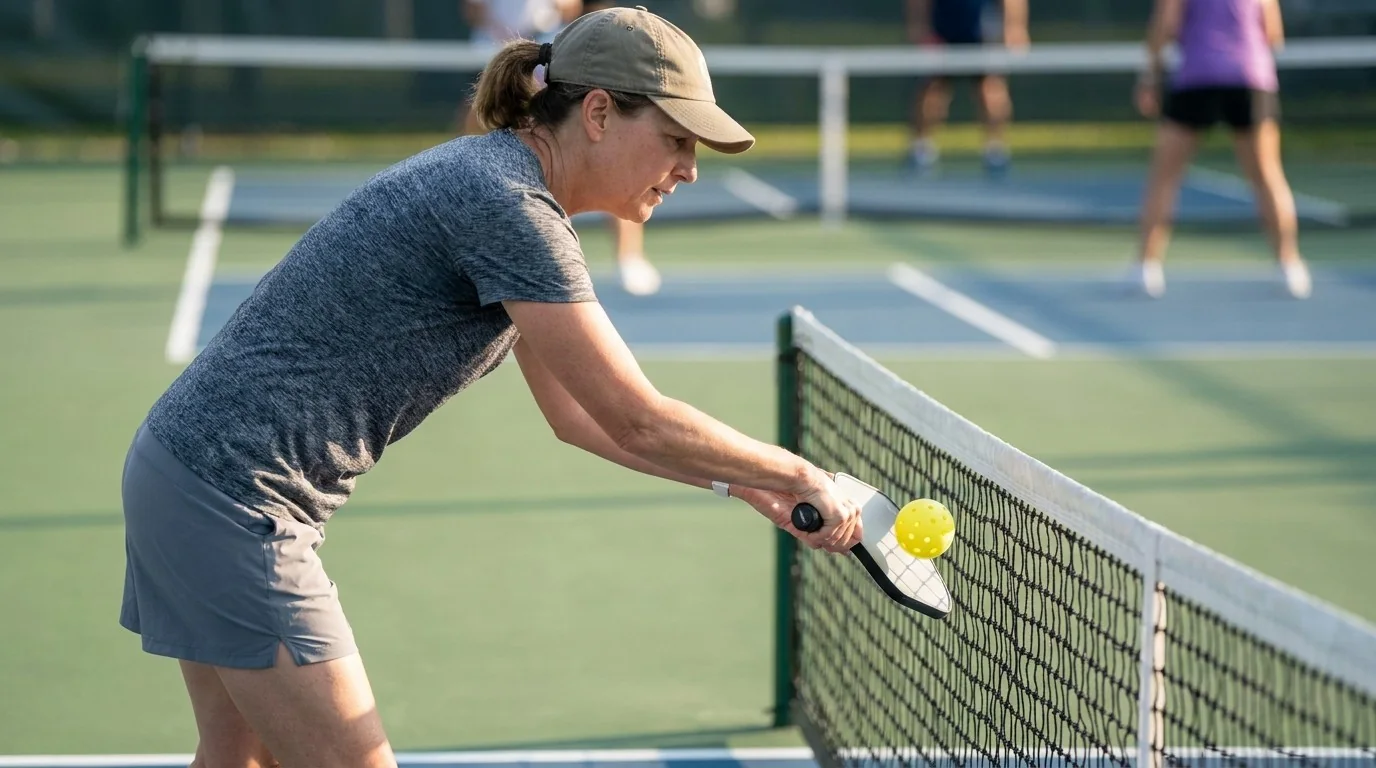
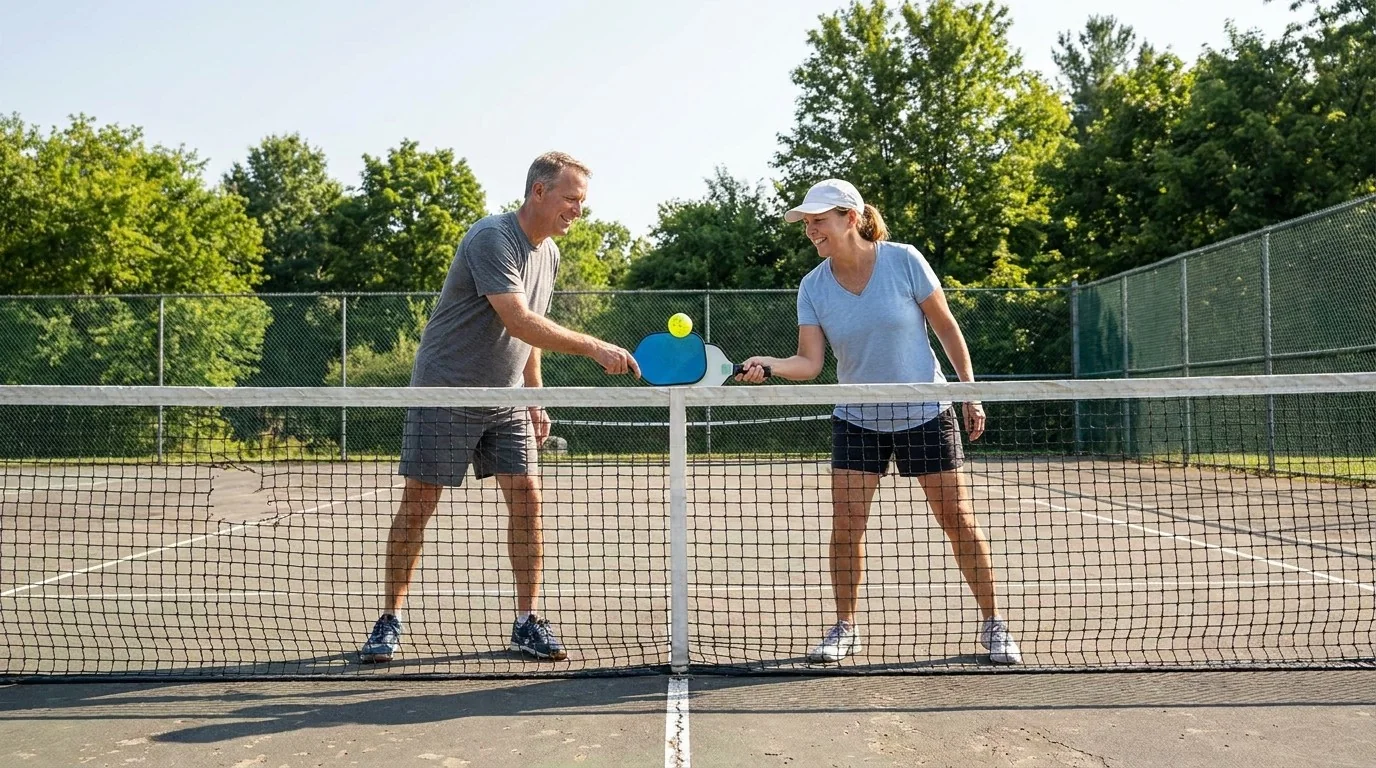
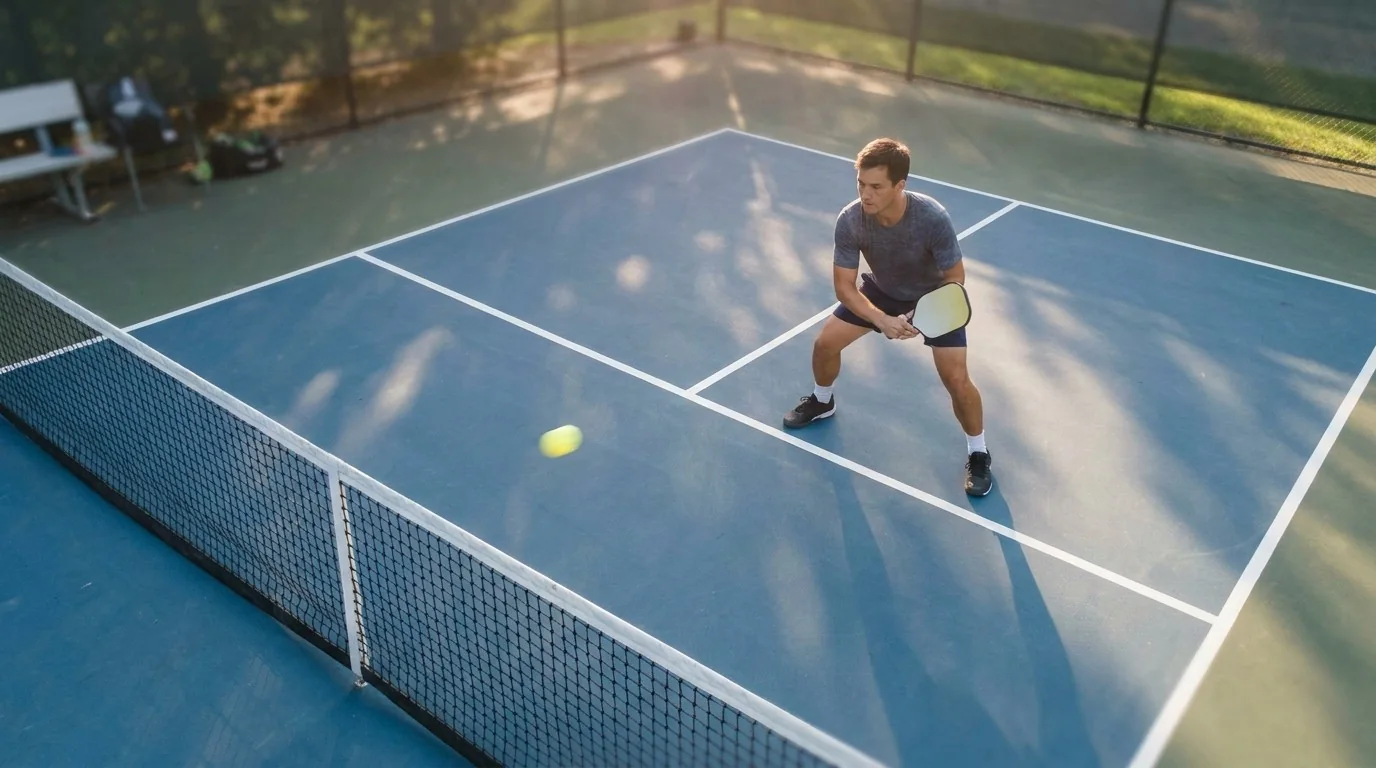
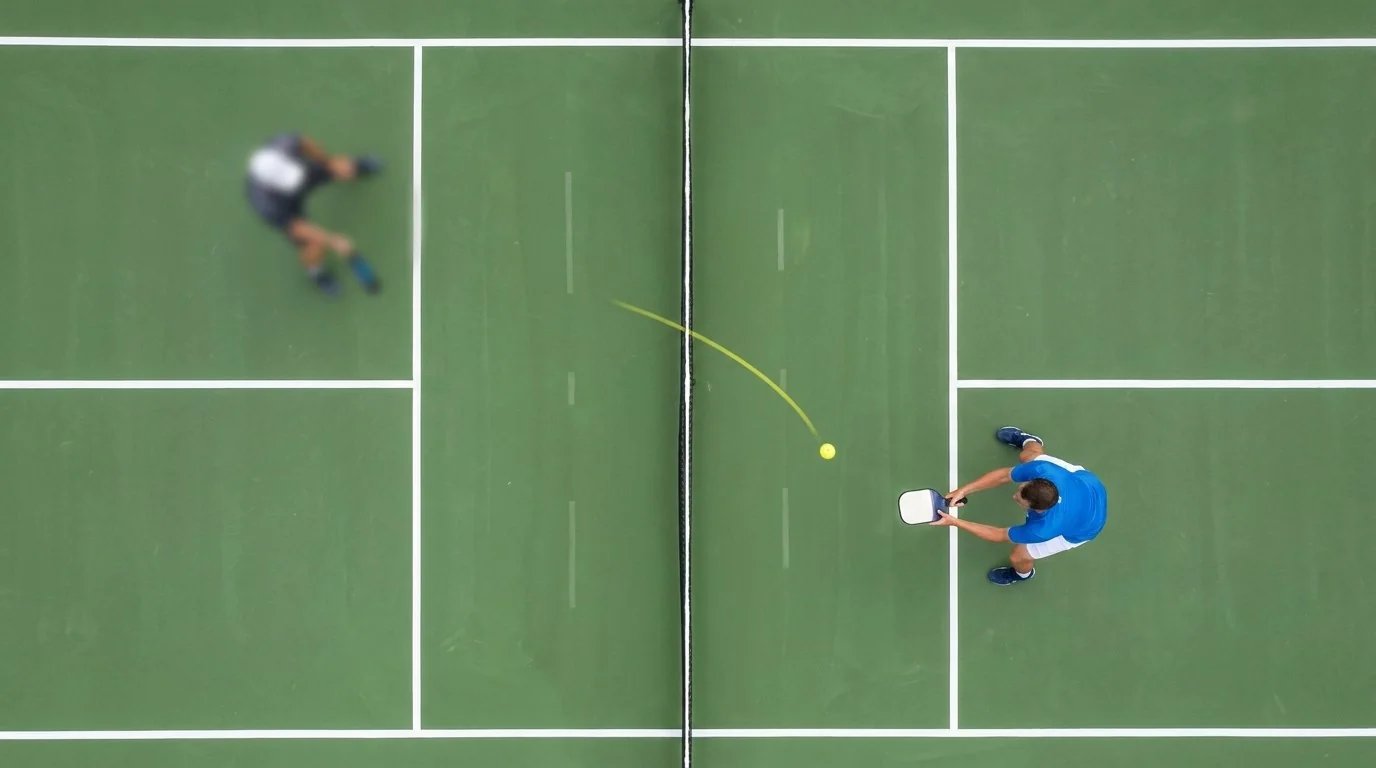
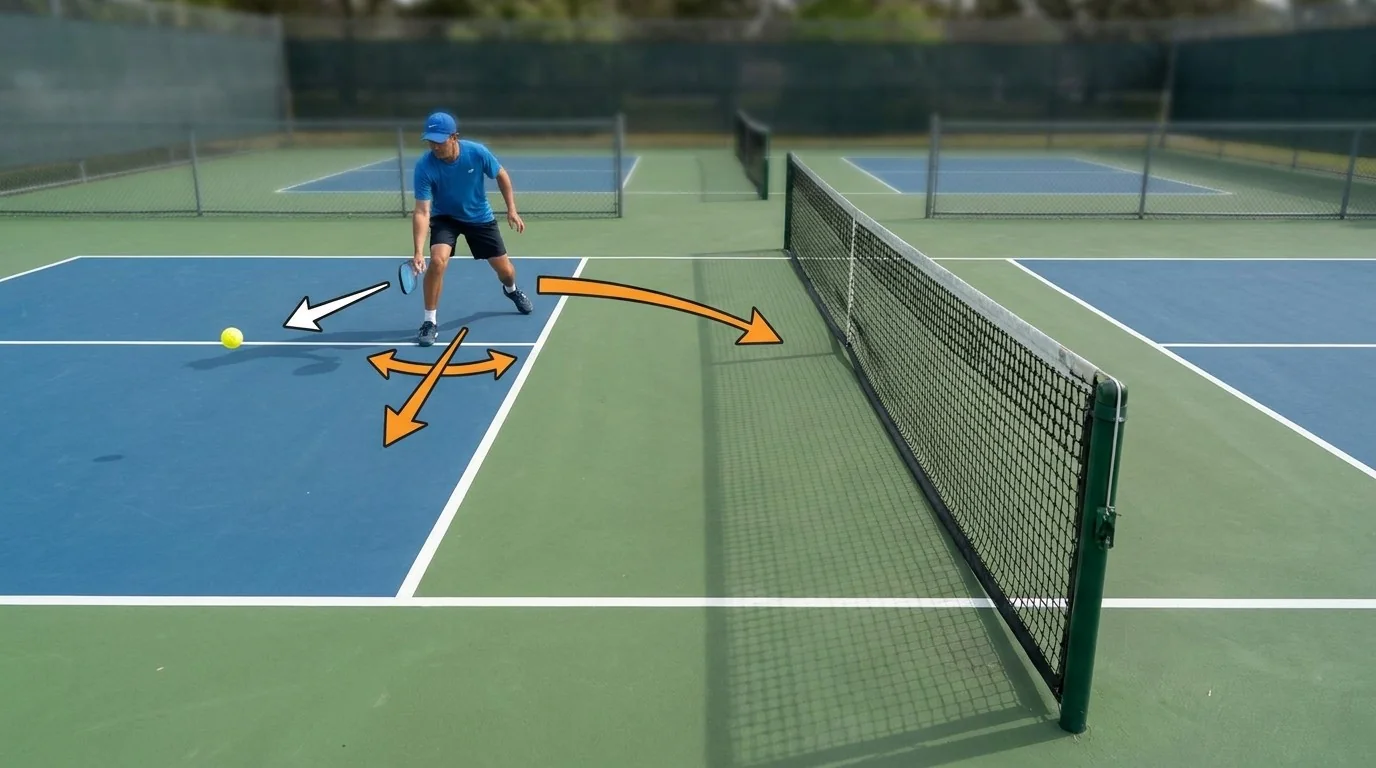
Pickleball Kitchen Feed Drill: Catch, Dink, and Recover
A practical pickleball footwork drill that progresses from catches to dinks and live feeds, teaching you to move behind the ball before contact.
A practical pickleball footwork drill that progresses from catches to dinks and live feeds, teaching you to move behind the ball before contact.
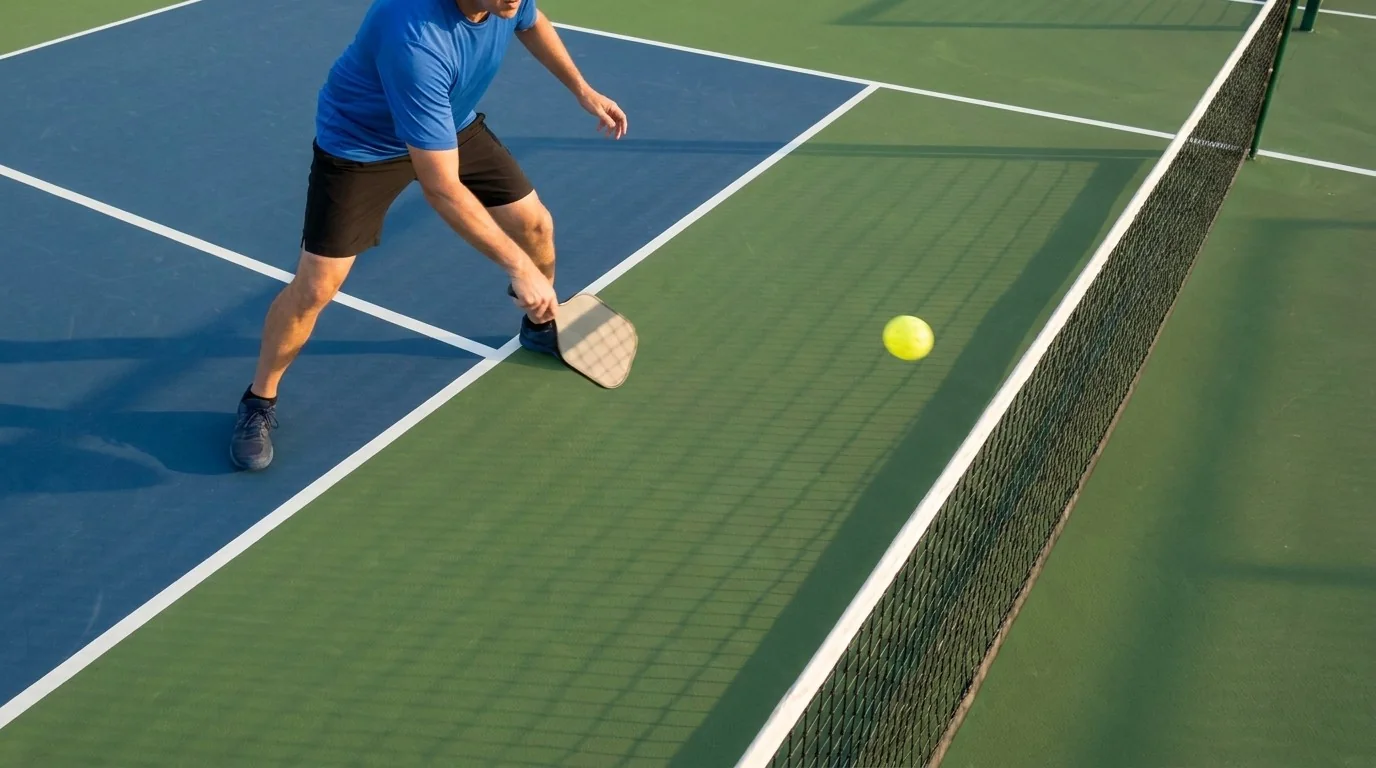
A practical guide to pickleball dink height: build net clearance, control the arc, vary kitchen targets, and practise without giving away an easy attack.
Build a reliable pickleball dink with safe net clearance, a controlled descending arc, balanced contact, and recovery habits.
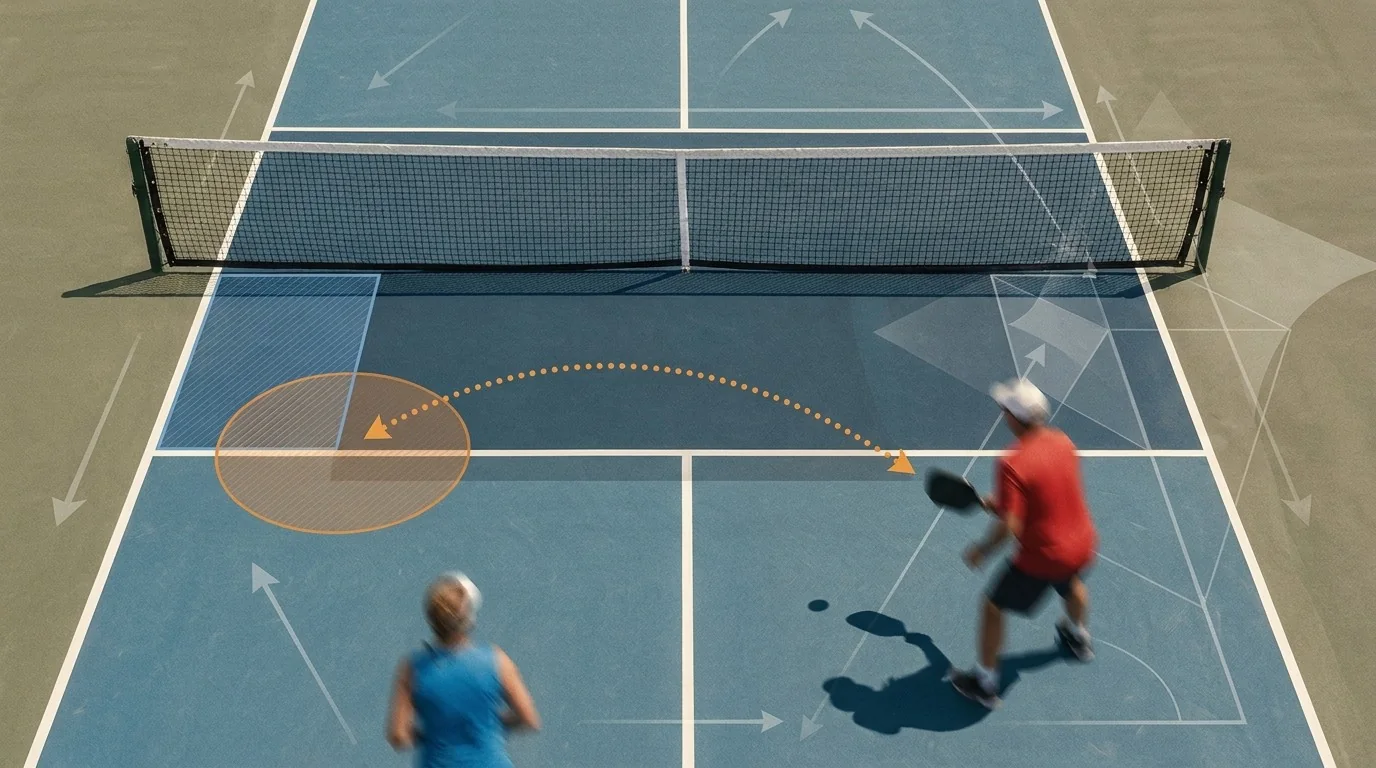
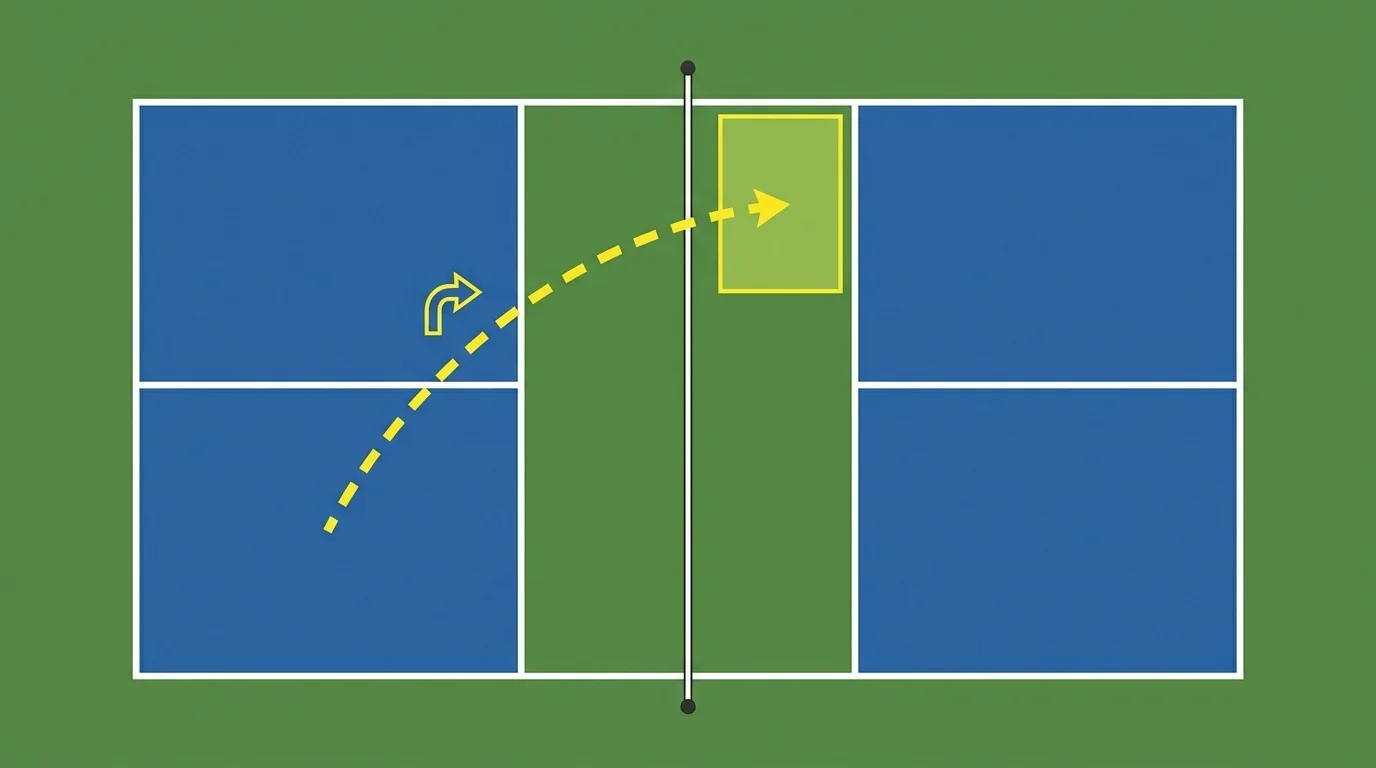
Learn how to use crosscourt dink patterns, foot and middle targets, deliberate direction changes, and clear attack-or-reset decisions at the kitchen.
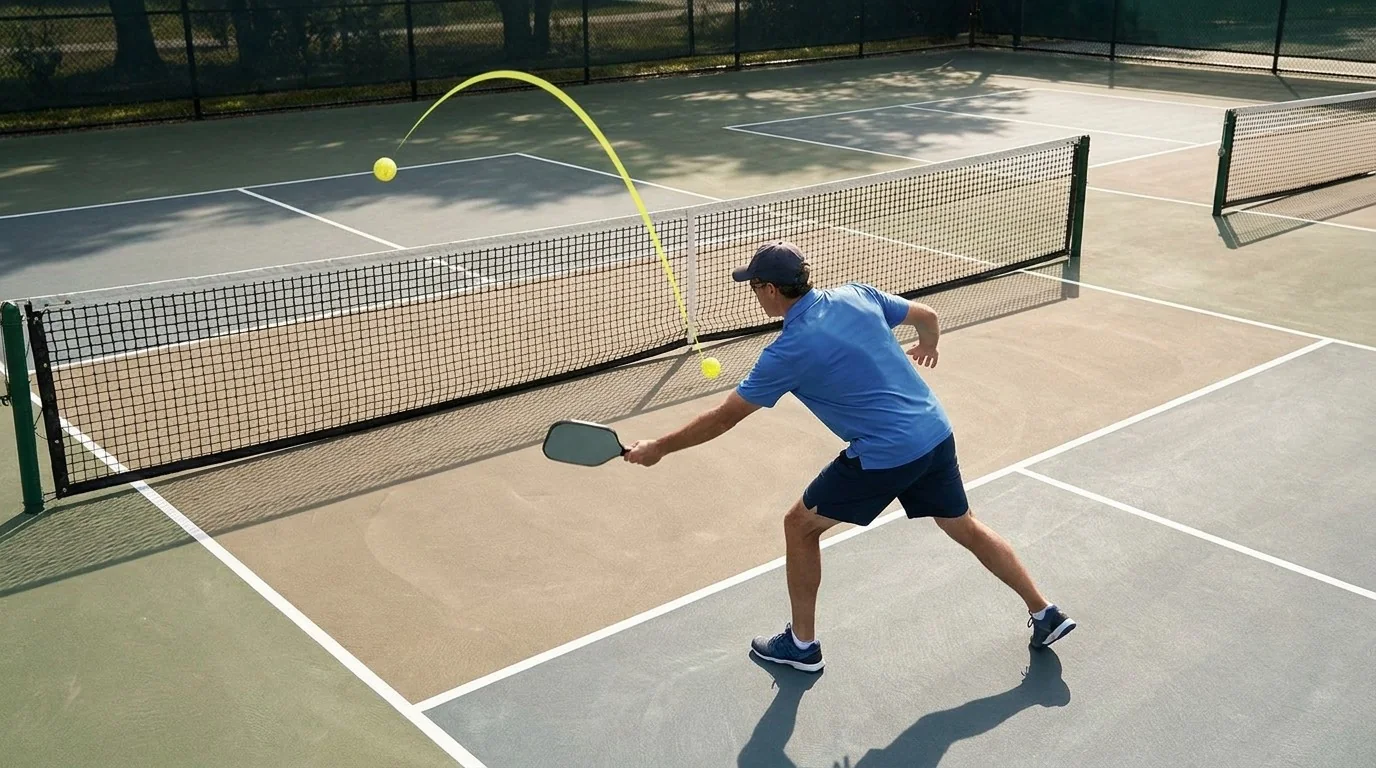
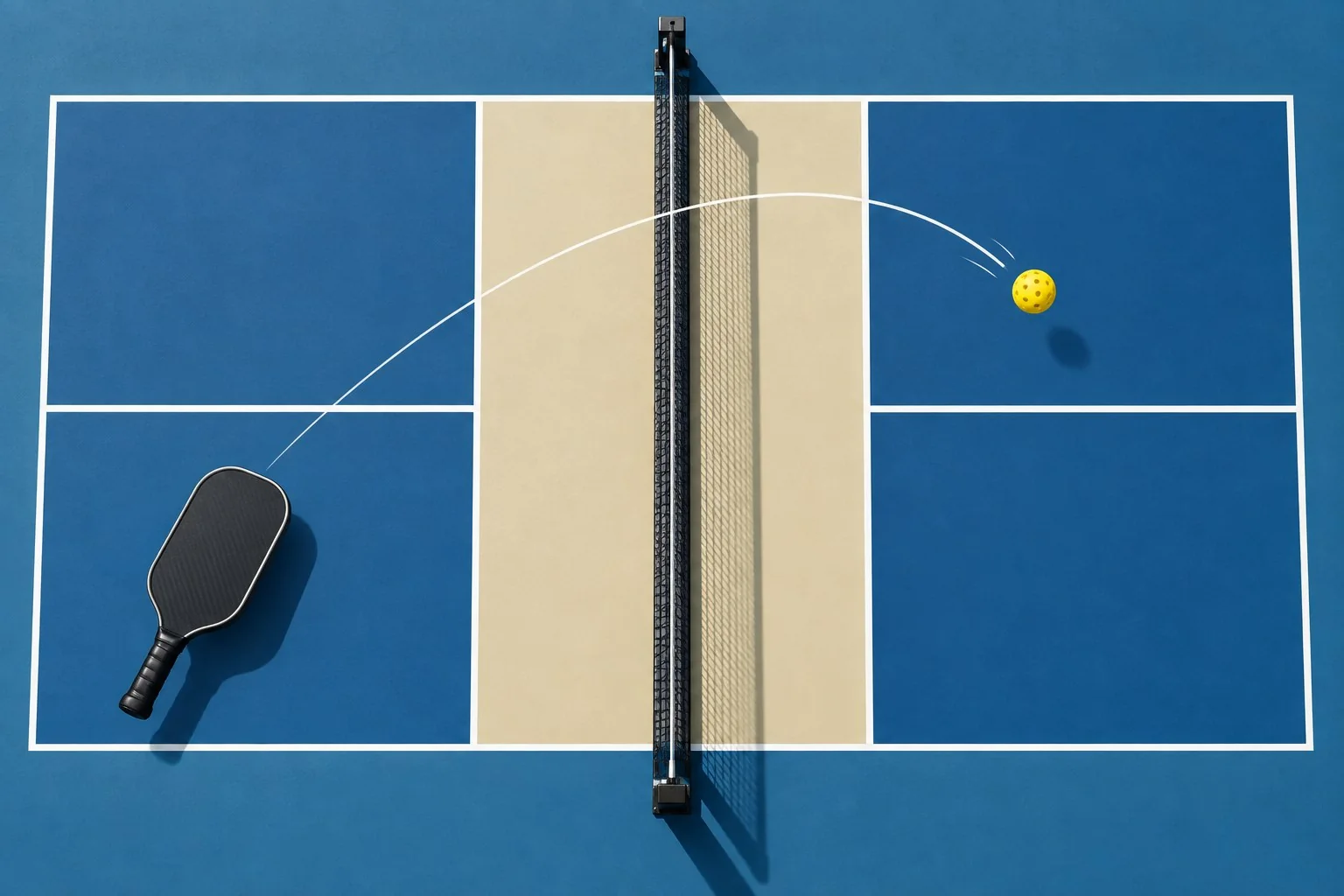
Build a safer pickleball drop by prioritizing net clearance and a descending arc before chasing depth, then add compact contact, recovery, and drills.
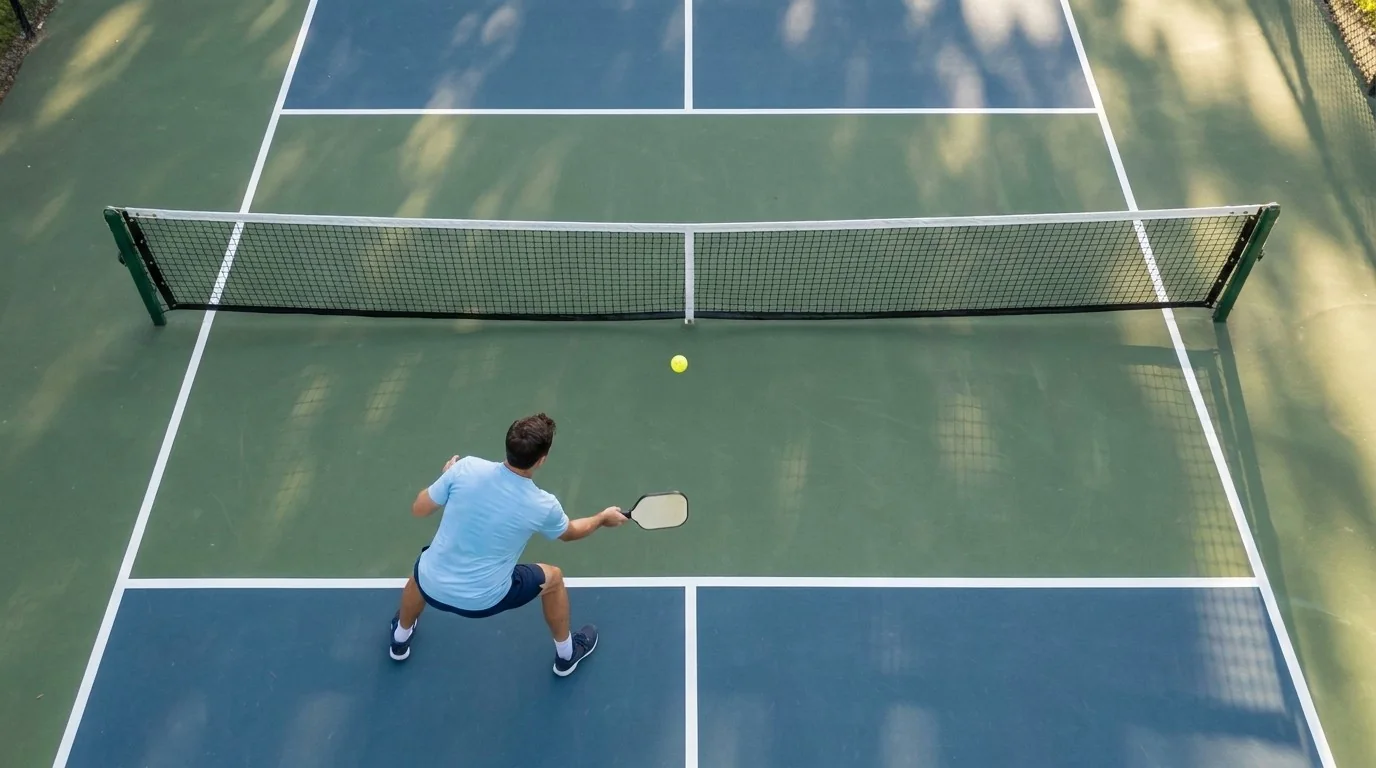
Prepare for the next pickleball volley by setting your feet and paddle early, reading the ball, and responding with control rather than a rushed swing.
Pickleball reset footwork helps you set the base before contact, control pace, and recover ready for the next exchange.
Use the ball’s height as a practical cue for pickleball volleys: adjust your paddle, shorten the swing, and keep the reply controlled.
After each pickleball volley, reset your feet and paddle so you can read the next ball instead of reaching late.
A practical guide to controlling dink height, net clearance, landing depth, paddle angle, and recovery in pickleball soft-game rallies.
A practical guide to the pickleball kitchen, legal entry after a bounce, volley restrictions, momentum faults, and balanced positioning.
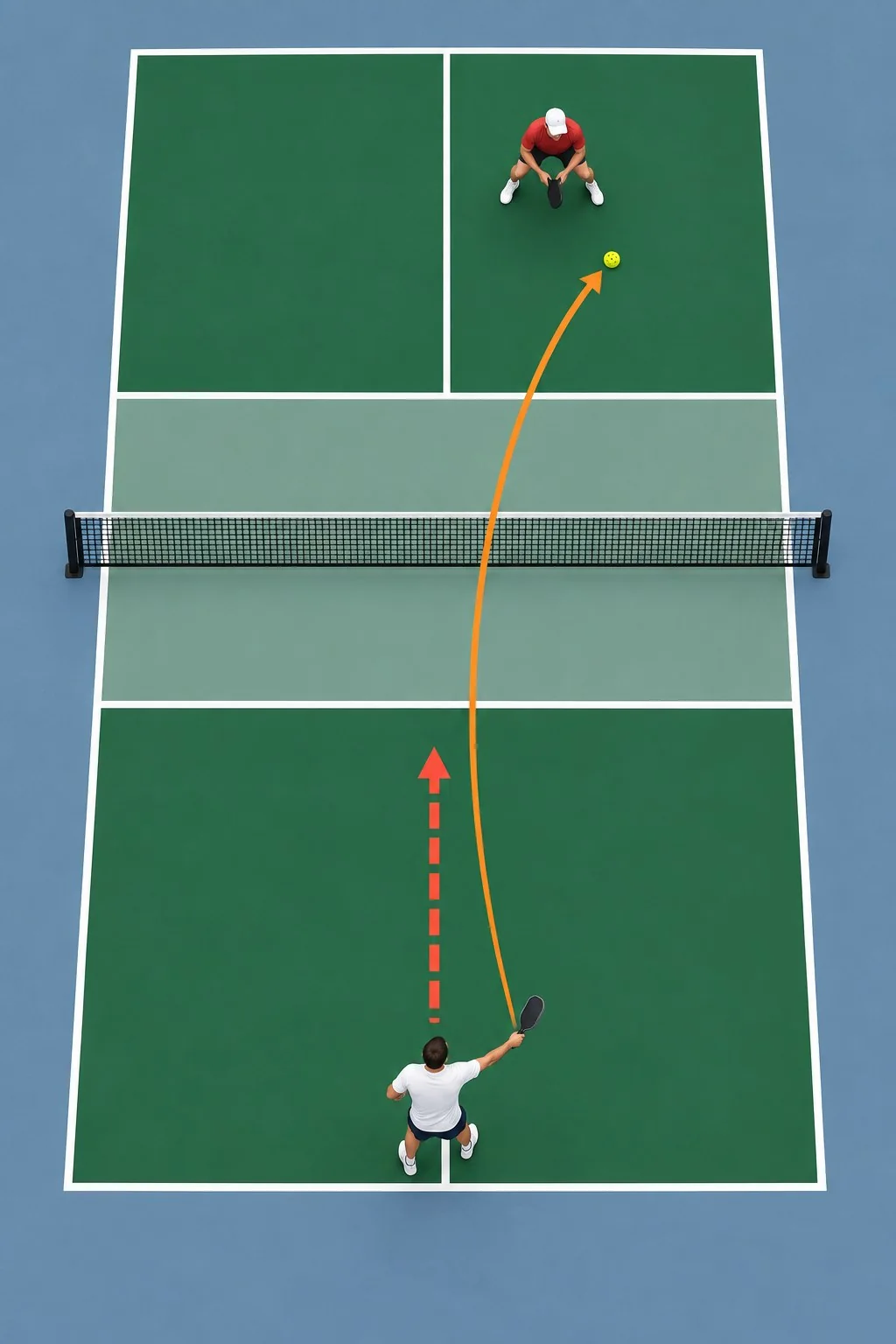
A practical guide to the return and run pattern, forward movement, low returns, and balanced kitchen positioning.