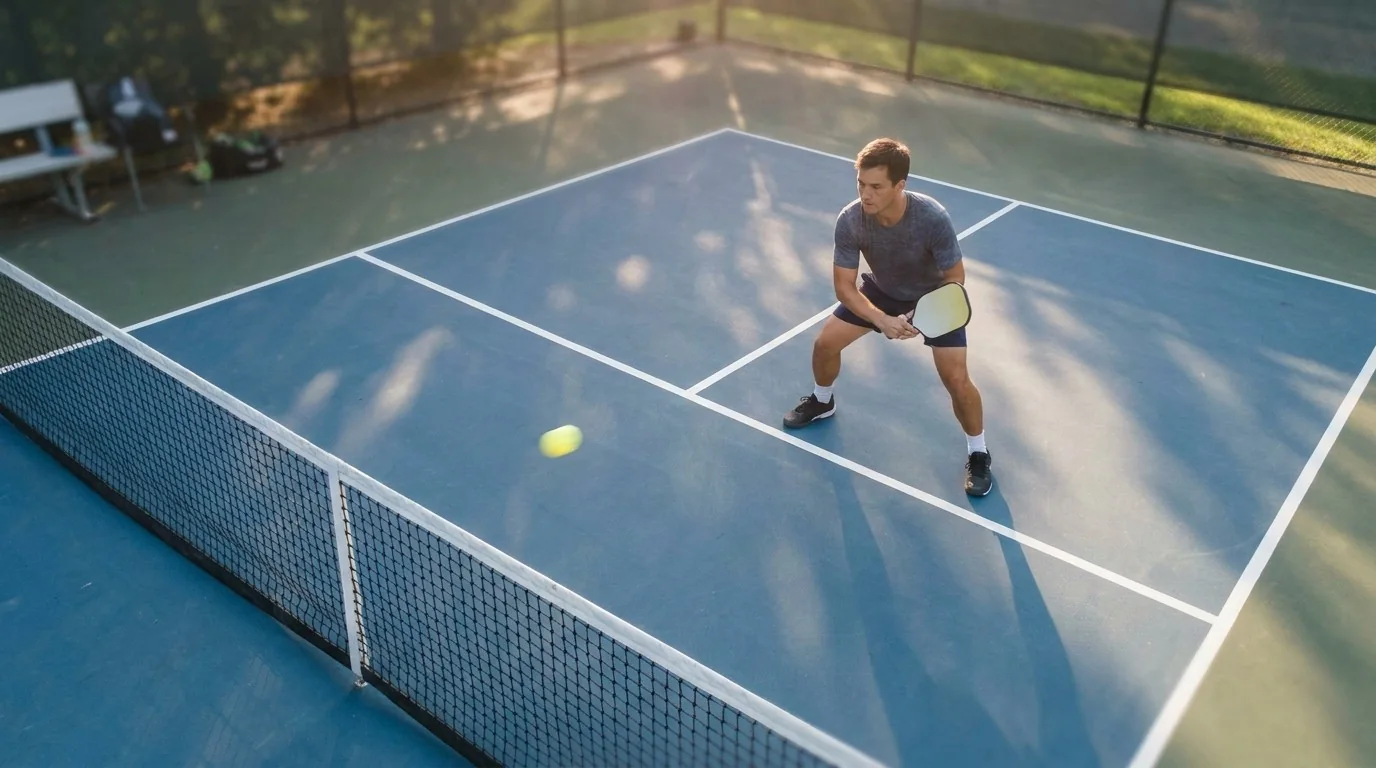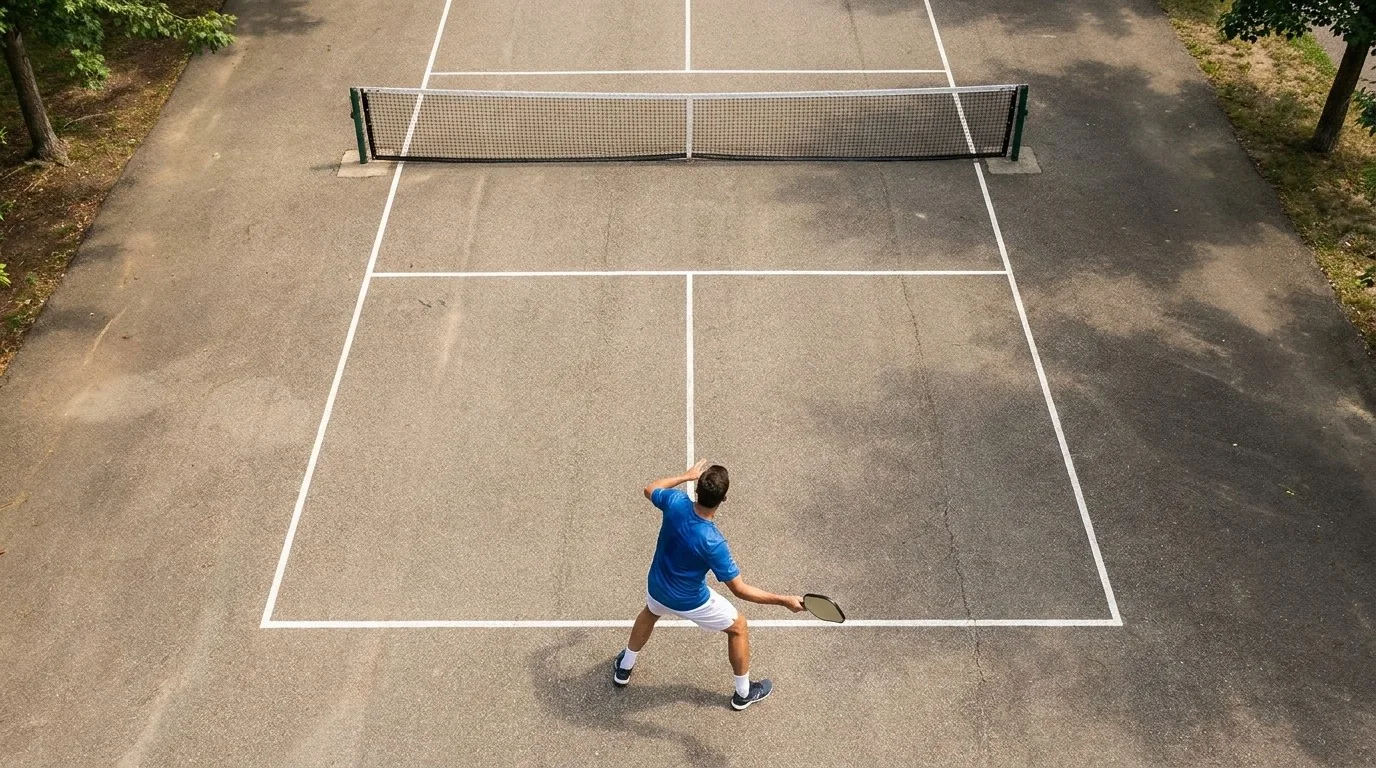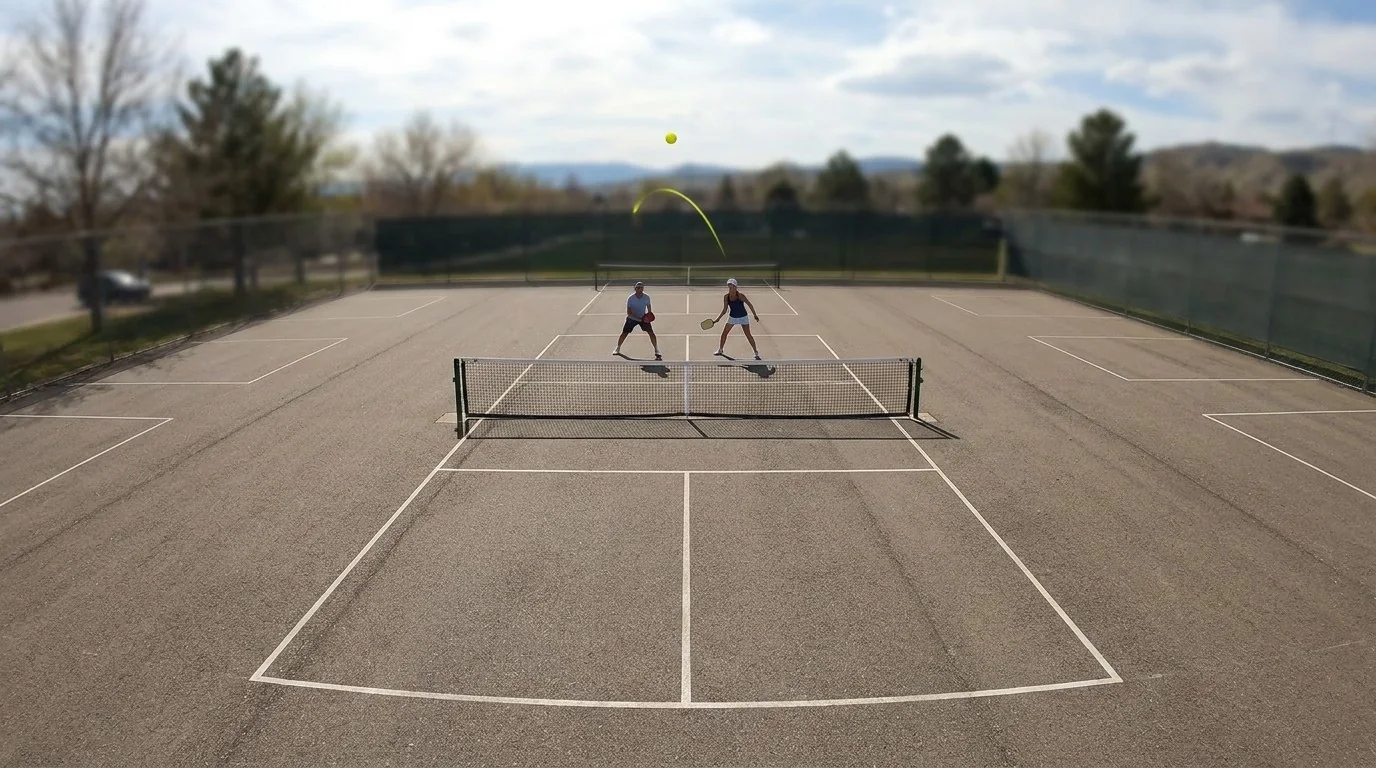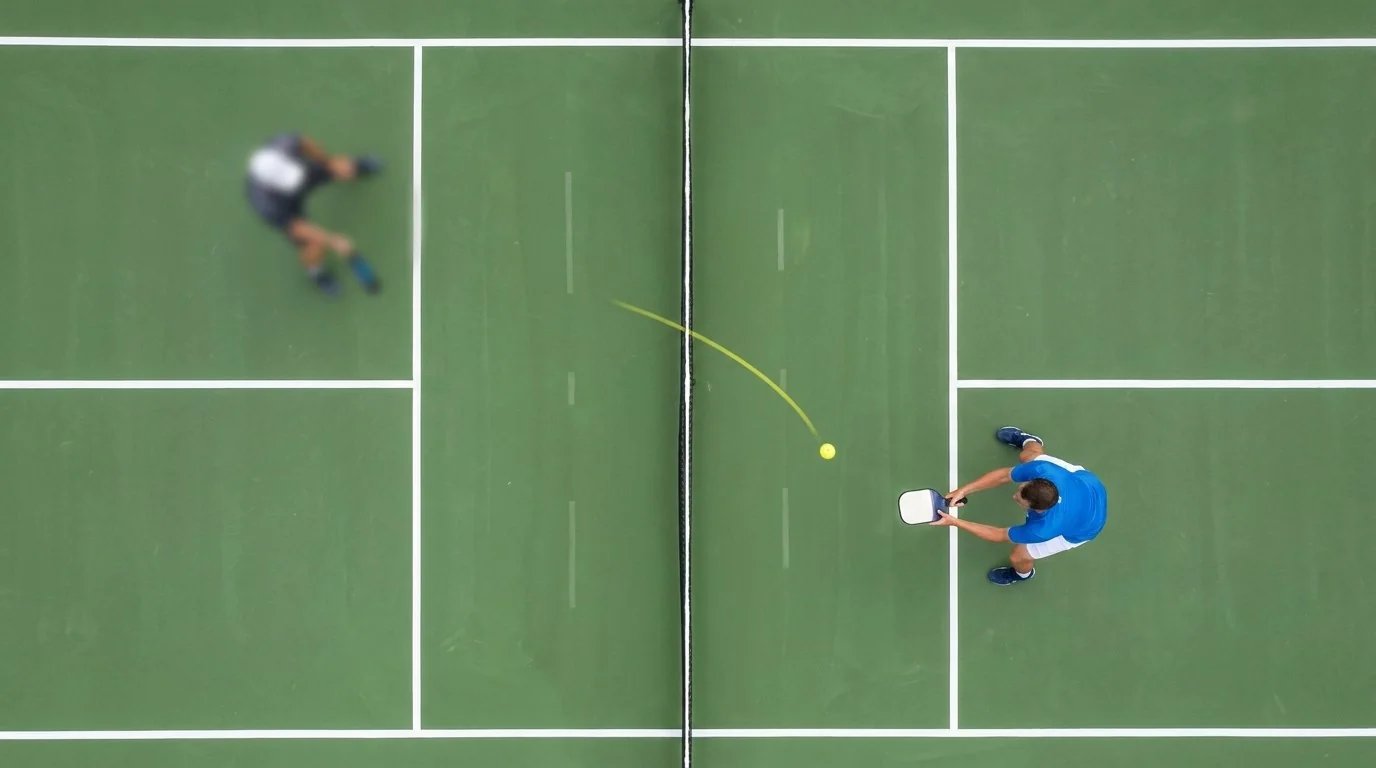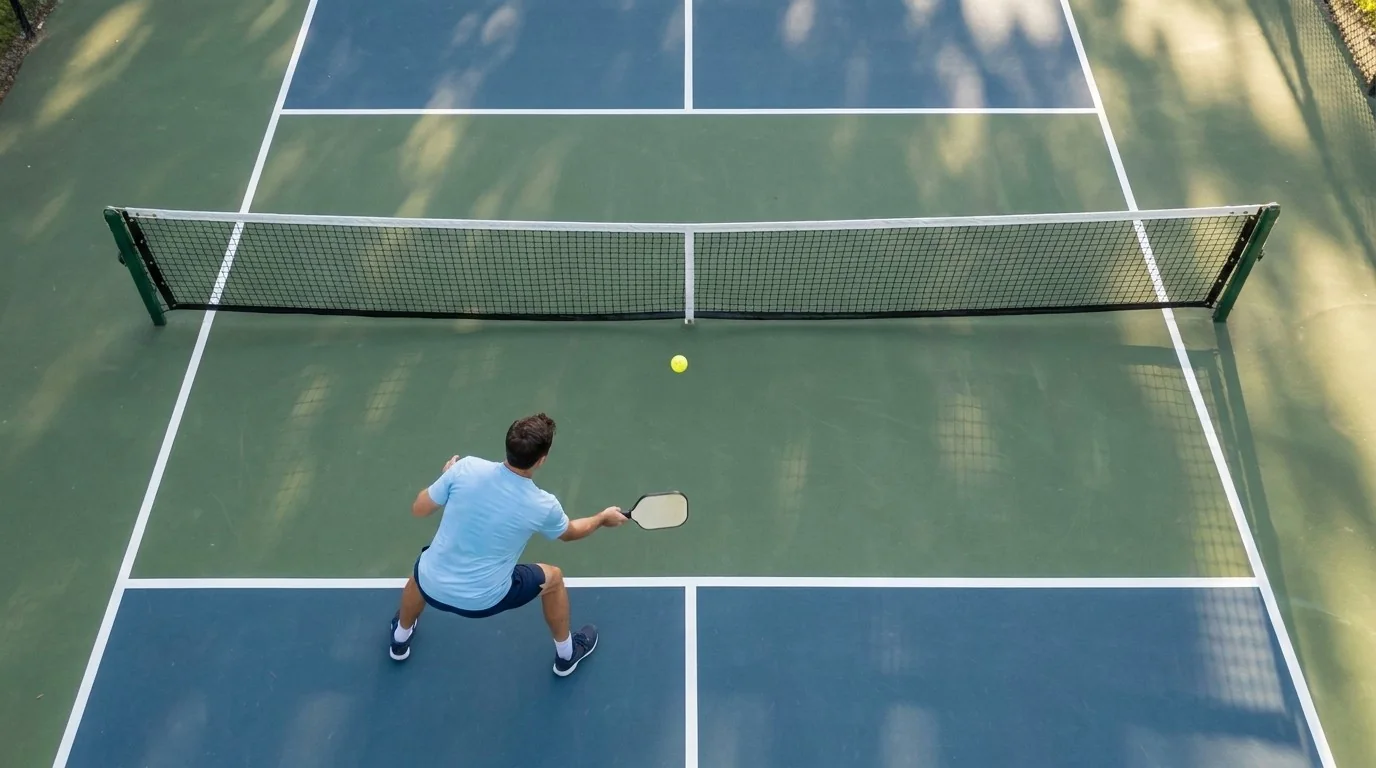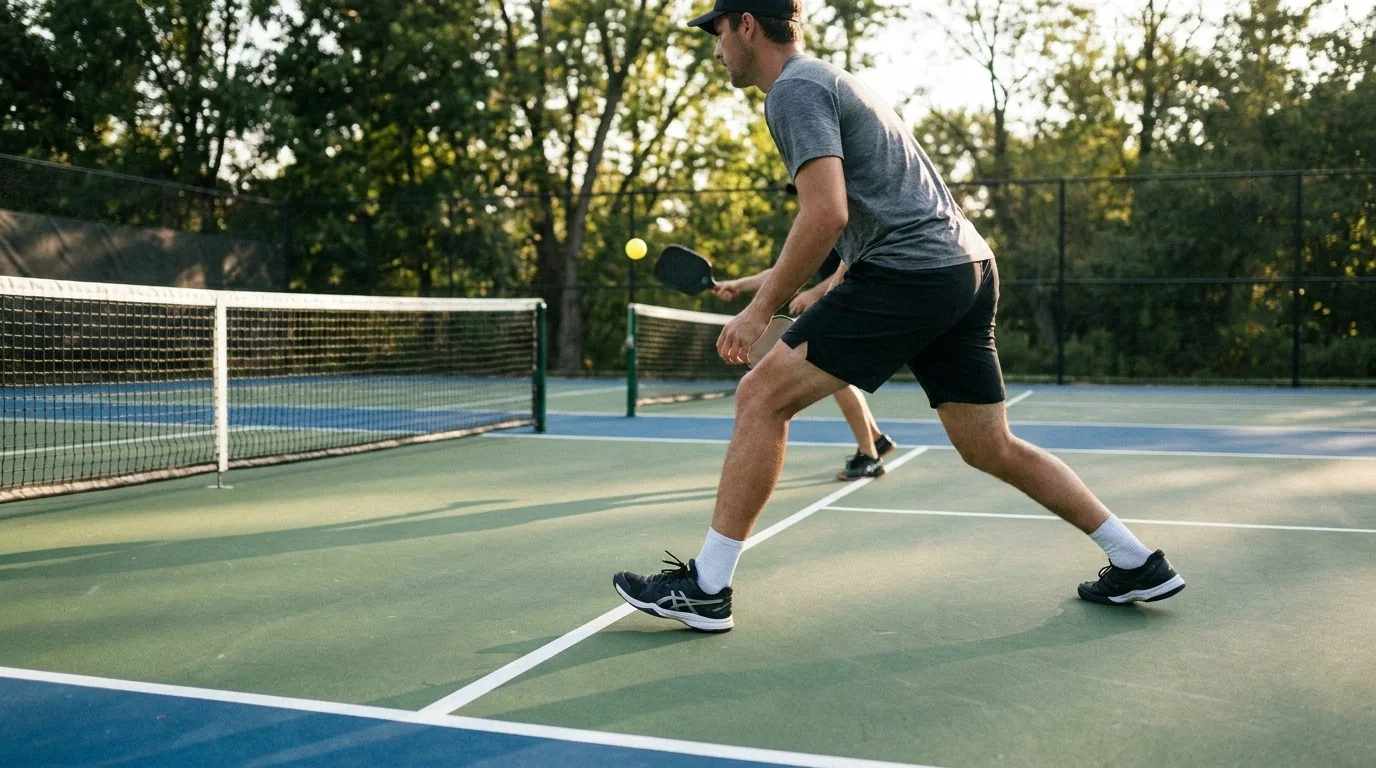
Pickleball Split-Step Timing: Land Ready for the Opponent's Contact
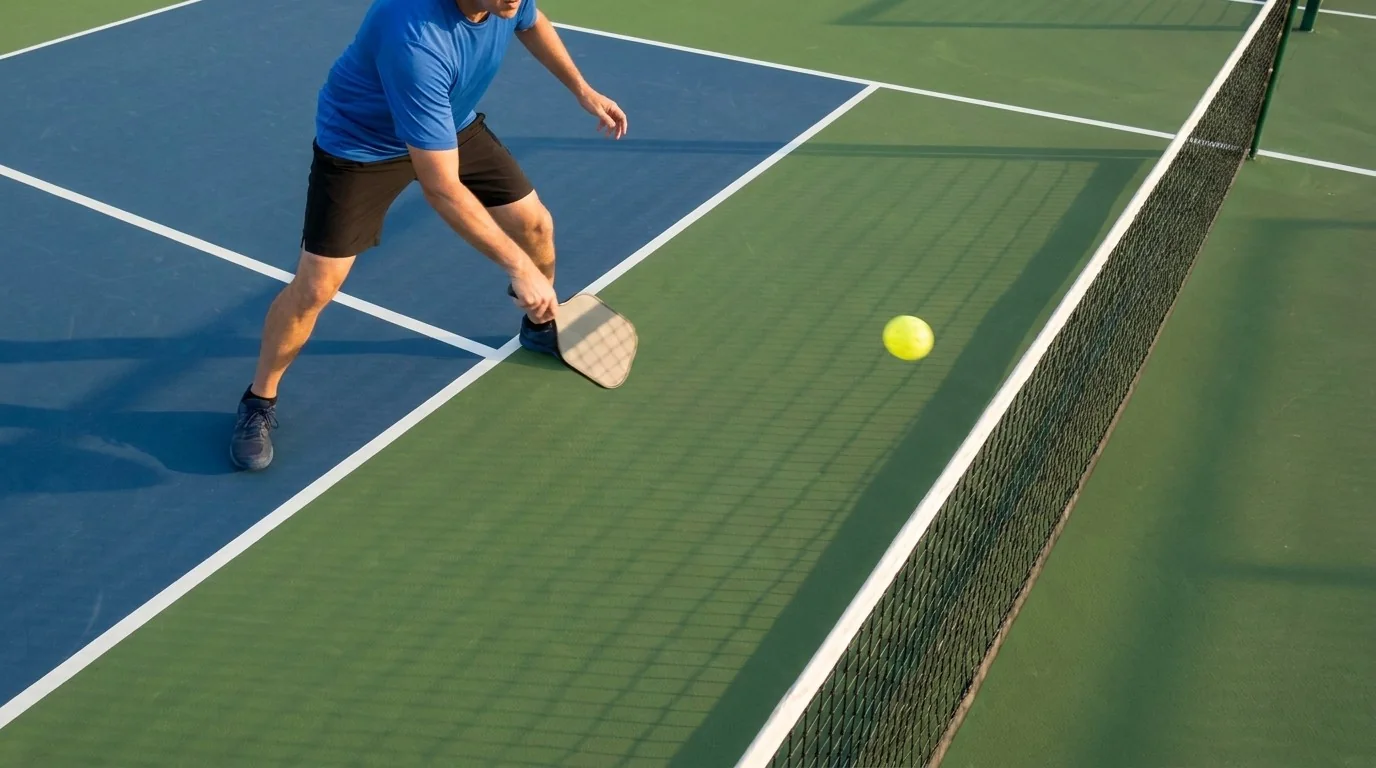
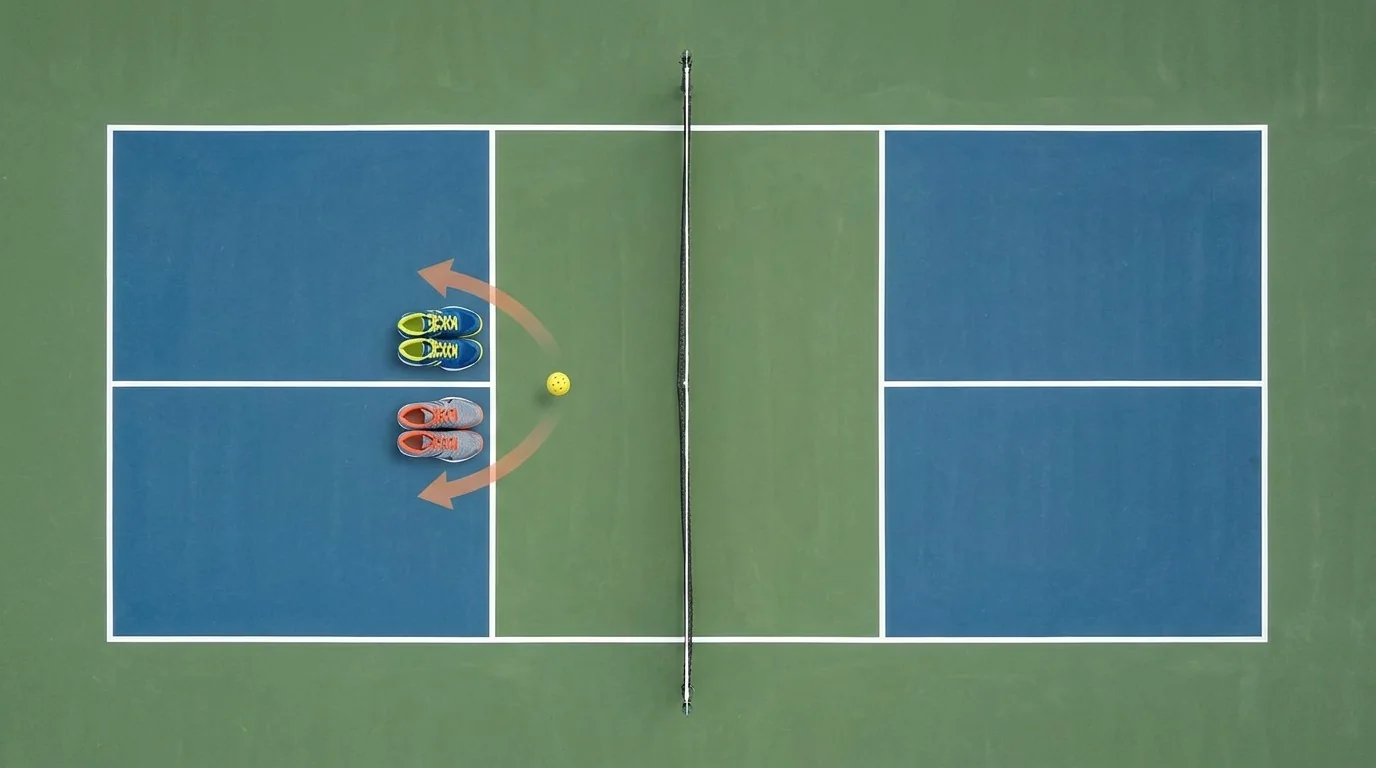
A practical guide to pickleball split-step timing: match the landing to opponent contact, build a balanced base, and practise directional reactions through the court.
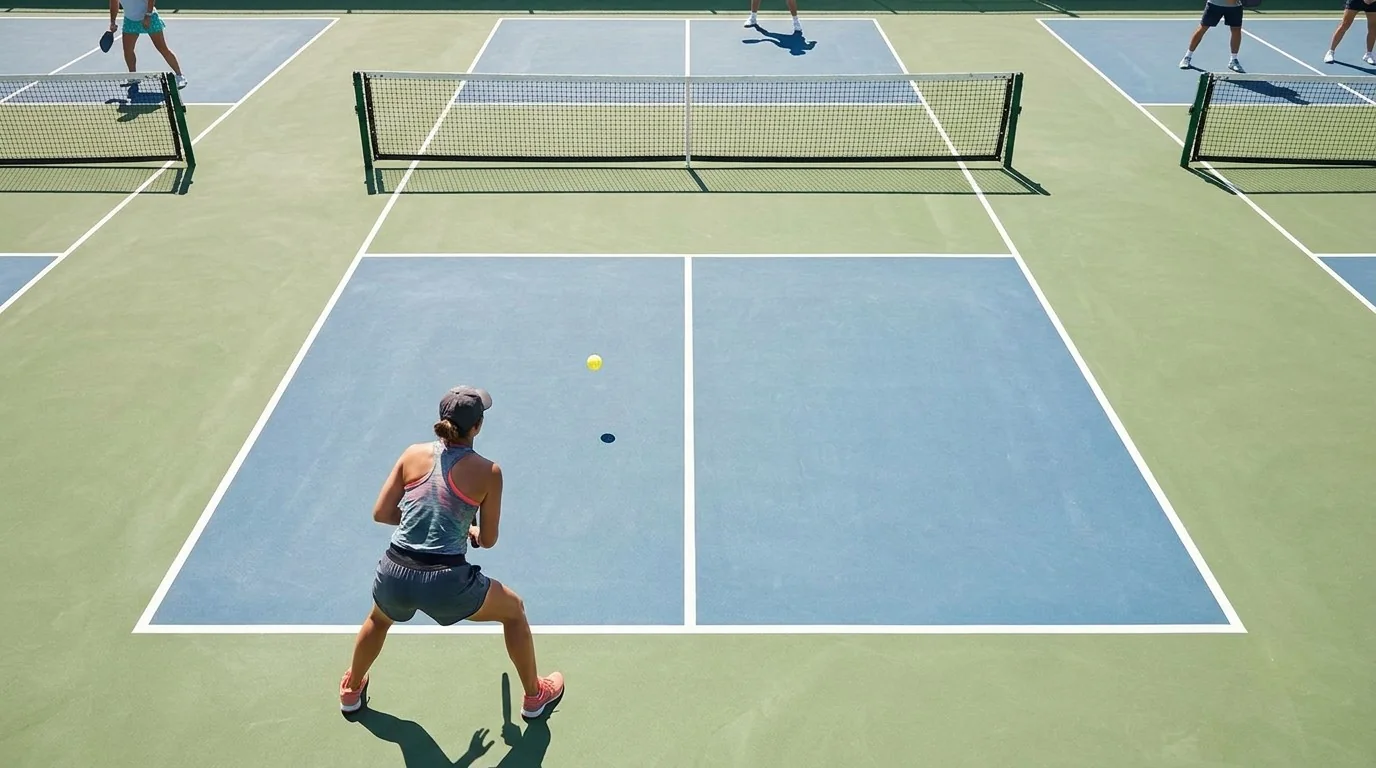
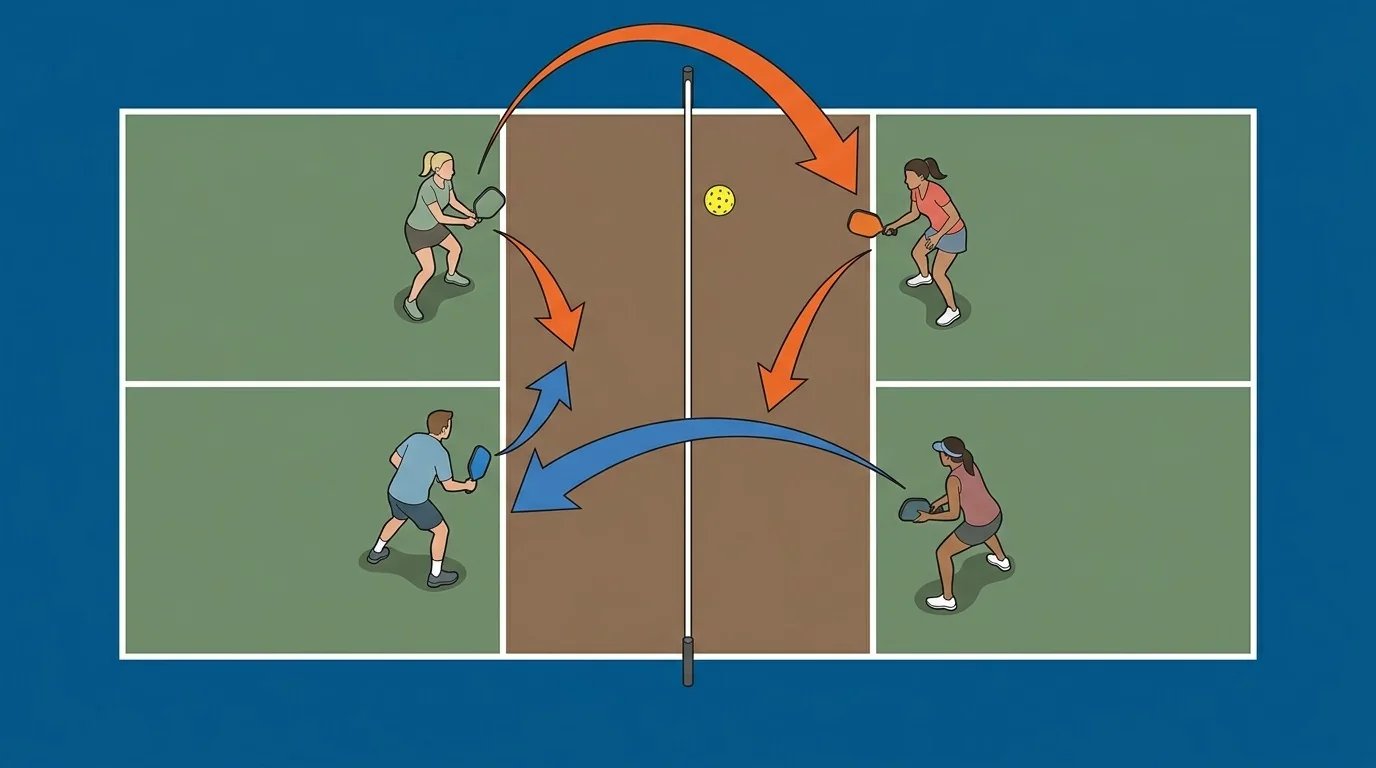
Pickleball shots, footwork and strategy: the dink, third shot drop, serve, court positioning and how to play as a doubles pair.
A practical guide to pickleball split-step timing: match the landing to opponent contact, build a balanced base, and practise directional reactions through the court.
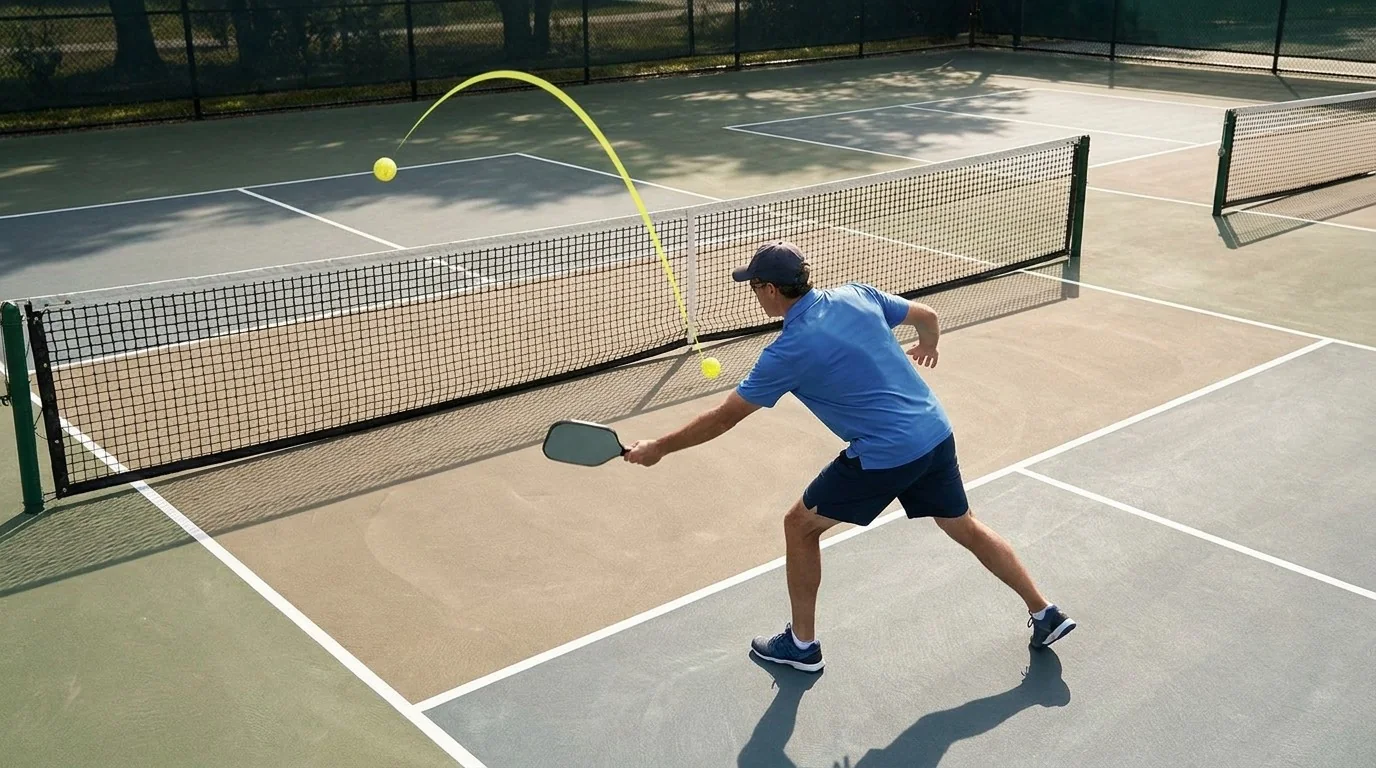
Read the bounce, set your feet, and choose a controlled pickleball response instead of reaching or deciding too early.
Build a safer pickleball drop by prioritizing net clearance and a descending arc before chasing depth, then add compact contact, recovery, and drills.
Prepare for the next pickleball volley by setting your feet and paddle early, reading the ball, and responding with control rather than a rushed swing.
Prepare the paddle early, turn with the shoulders, use your feet to create space, and recover balanced for the next pickleball shot.
Choose offensive or defensive pickleball lob shots with better timing, placement, footwork, and doubles recovery.
Pickleball reset footwork helps you set the base before contact, control pace, and recover ready for the next exchange.
Match paddle angle to contact height in pickleball: lift low balls, stabilize waist-height contact, and attack higher balls only with balance.
Use the ball’s height as a practical cue for pickleball volleys: adjust your paddle, shorten the swing, and keep the reply controlled.
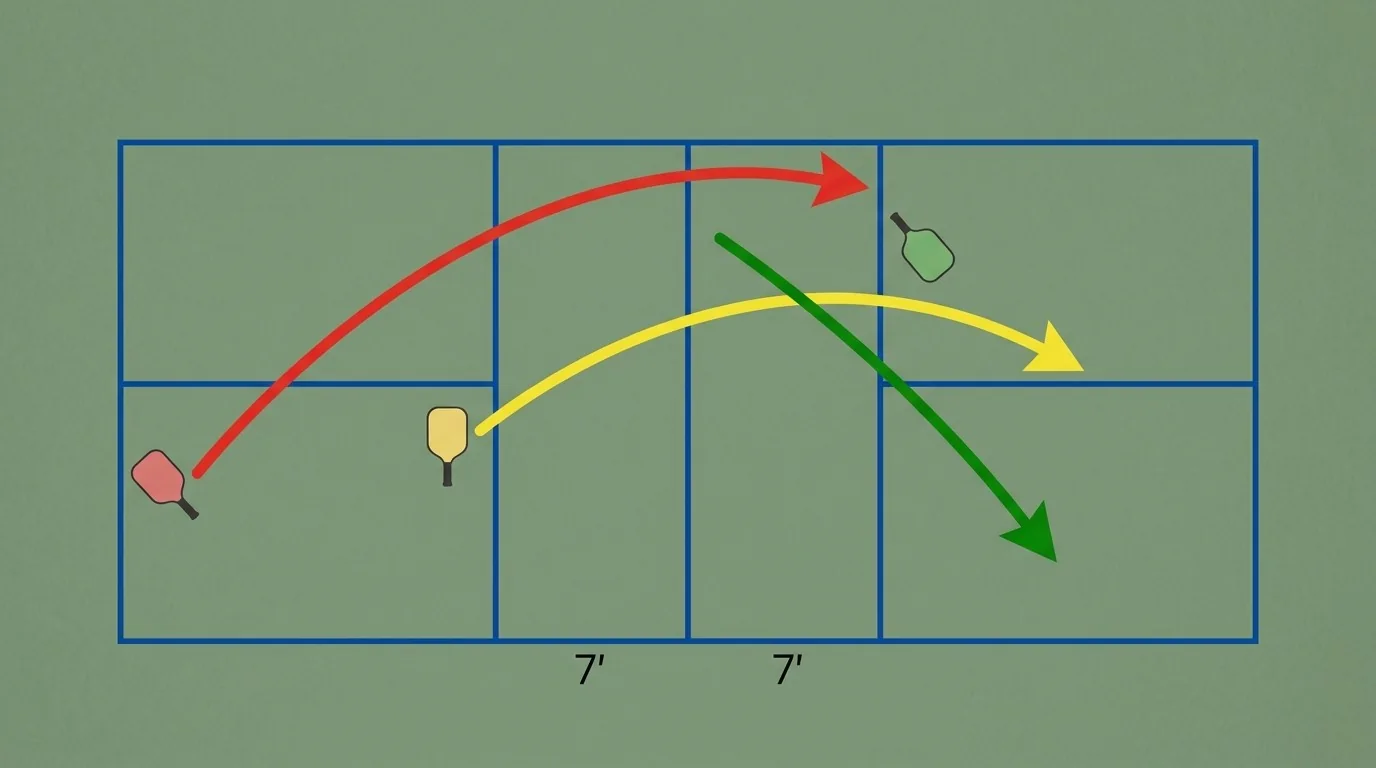
Build better kitchen movement with a three-stage pickleball footwork progression: catch the ball, add controlled dinks, and finish with live side-to-side feeds.
A practical pickleball defensive contact point guide: keep low balls playable with compact control, safe net clearance, and balanced recovery.
After each pickleball volley, reset your feet and paddle so you can read the next ball instead of reaching late.