Courts & community
Pickleball Court Noise: Practical Ways to Support Neighbour-Friendly Play
A practical guide to reducing avoidable pickleball court noise while keeping community play welcoming, safe, and considerate of nearby homes.
A practical guide to reducing avoidable pickleball court noise while keeping community play welcoming, safe, and considerate of nearby homes.
A practical guide to placing, anchoring, and maintaining pickleball court benches without blocking walkways or sightlines.
Learn when a pickleball that bounces first and then reaches the net post wins the rally, and how to distinguish that sequence from a fault.
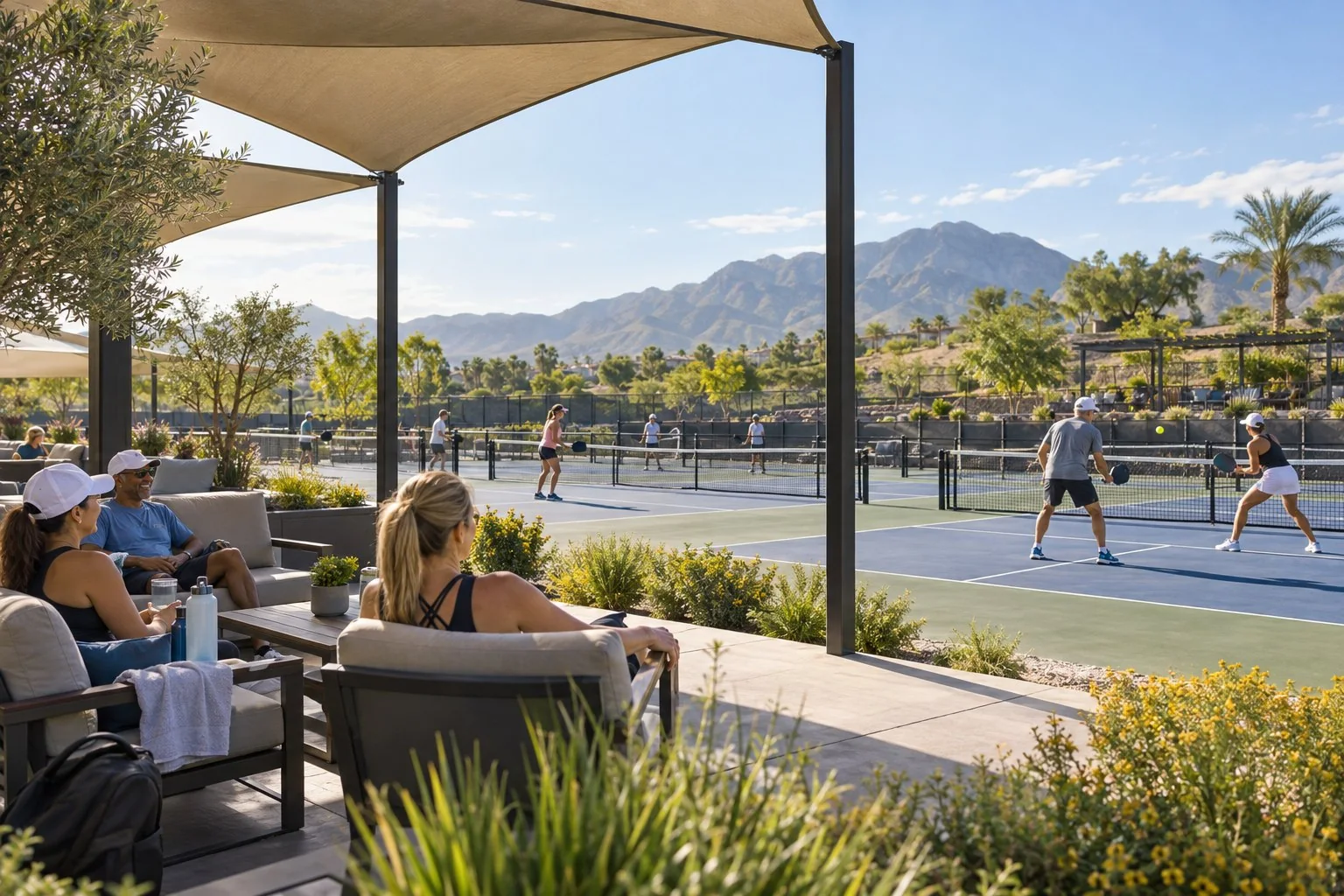
A practical guide to planning shade, seating, hydration, visibility, drainage, and maintenance around a shared pickleball court.
Pickleball dink height affects time, bounce, and attack risk. Learn a practical contact check, target zone, and drills for keeping soft shots low.
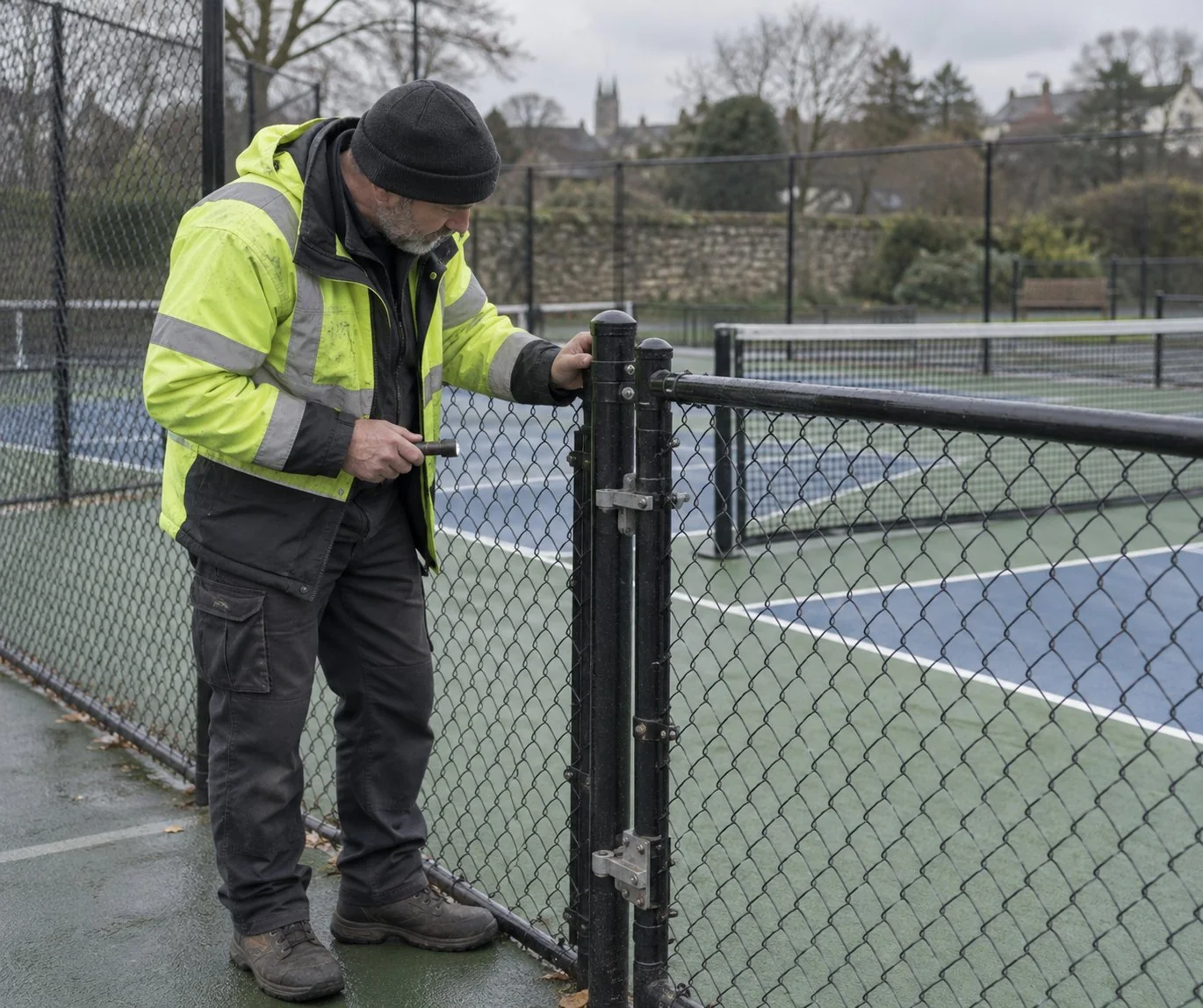
Pickleball court fence maintenance protects players and keeps balls contained. Inspect mesh, posts, gates, sharp edges, corrosion, and loose fittings with this checklist.
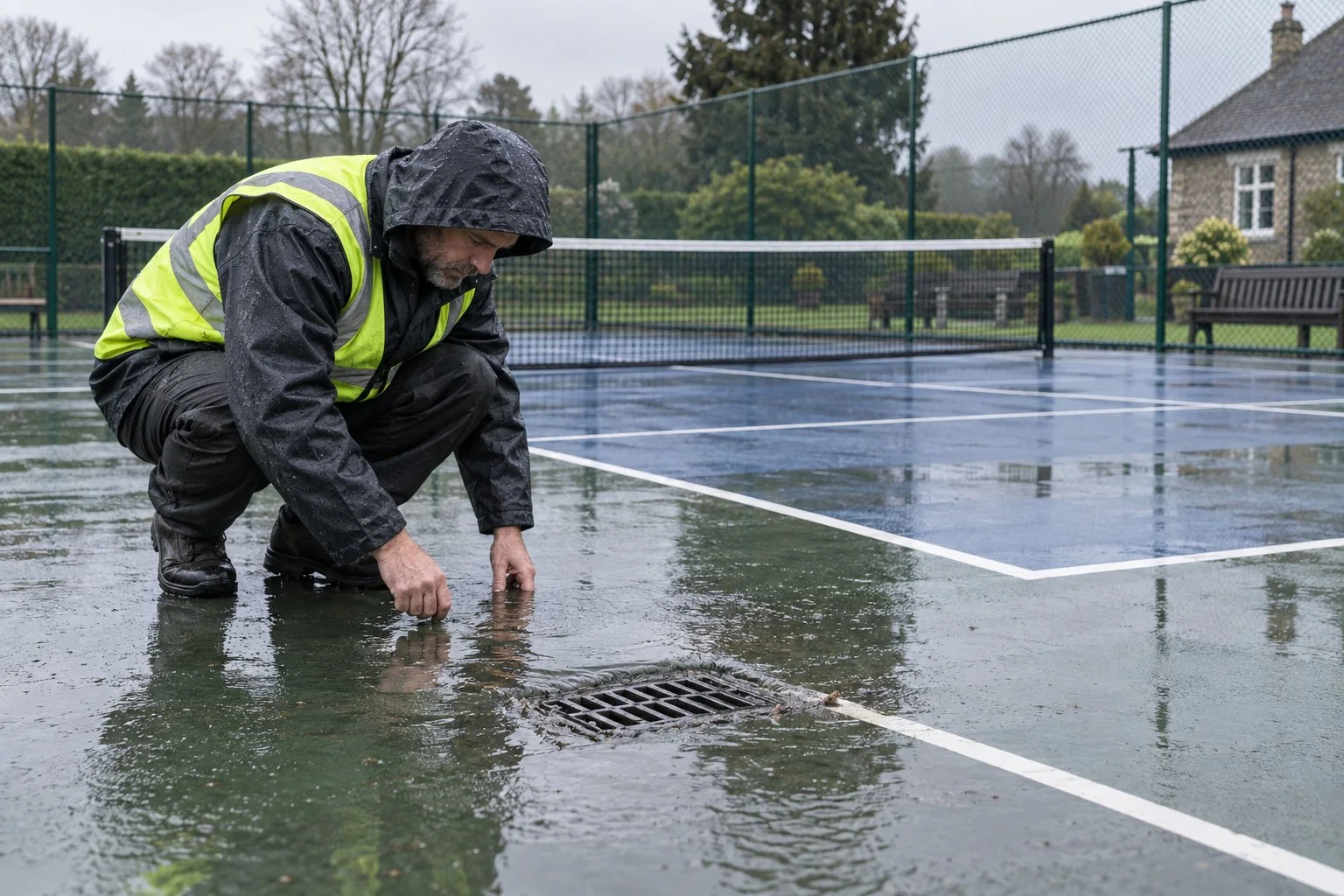
Check pickleball court drainage after rain: find standing water, test traction, inspect drains, and decide when the court is safe to reopen.
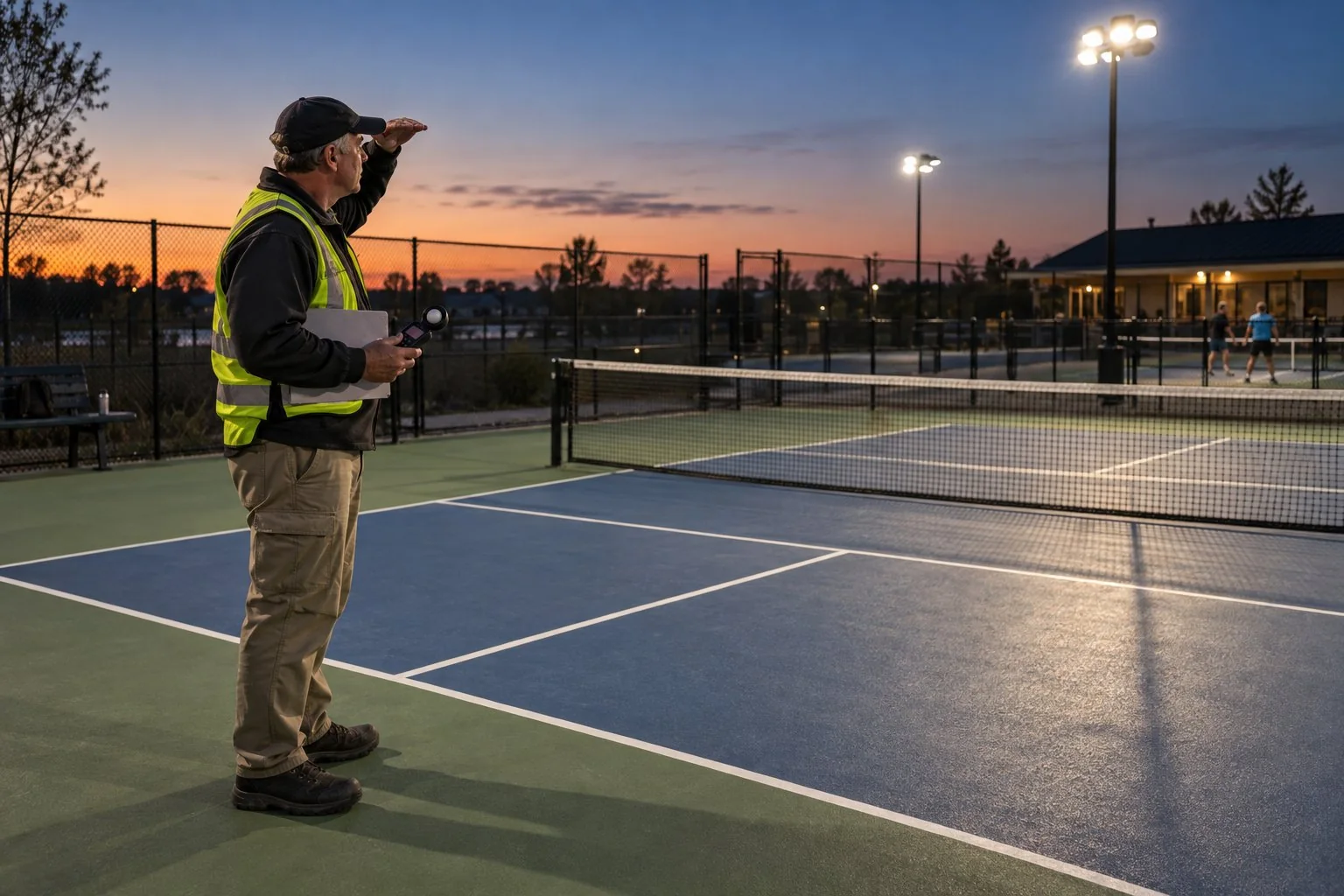
Pickleball court lighting can hide a fast ball when glare or shadows fall across the kitchen. Use this practical inspection before opening play.
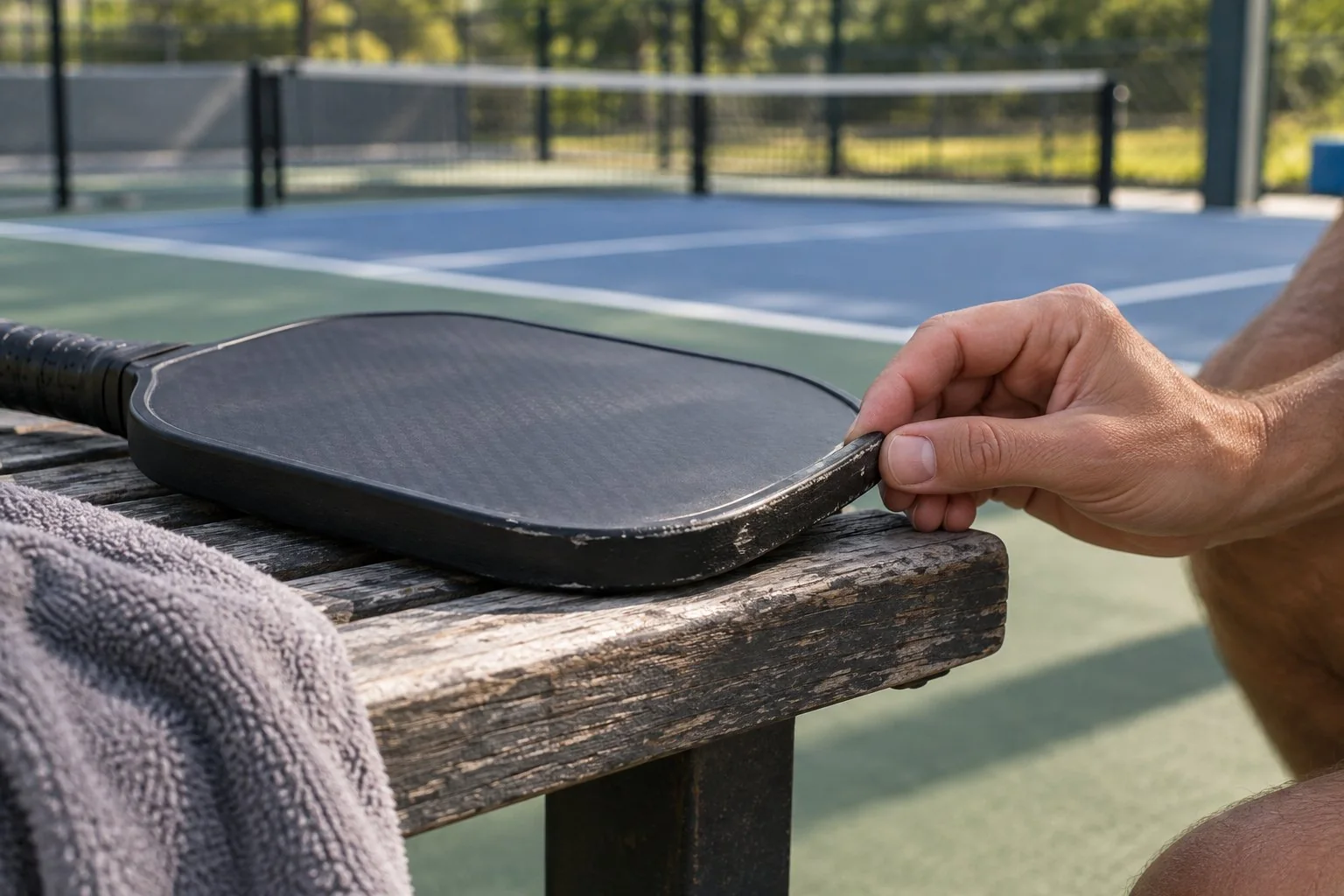
Pickleball Paddle Edge Guard: When Damage Matters
Plan a welcoming beginner pickleball clinic with practical guidance on court setup, safety, drills, rotations, and follow-up.
Understand when a pickleball volley near the kitchen line becomes a fault, how momentum matters, and how to make calmer calls.
Learn when an interruption requires a pickleball replay, when a rally should stand, and how to reset the score, server, and positions fairly.