Technique
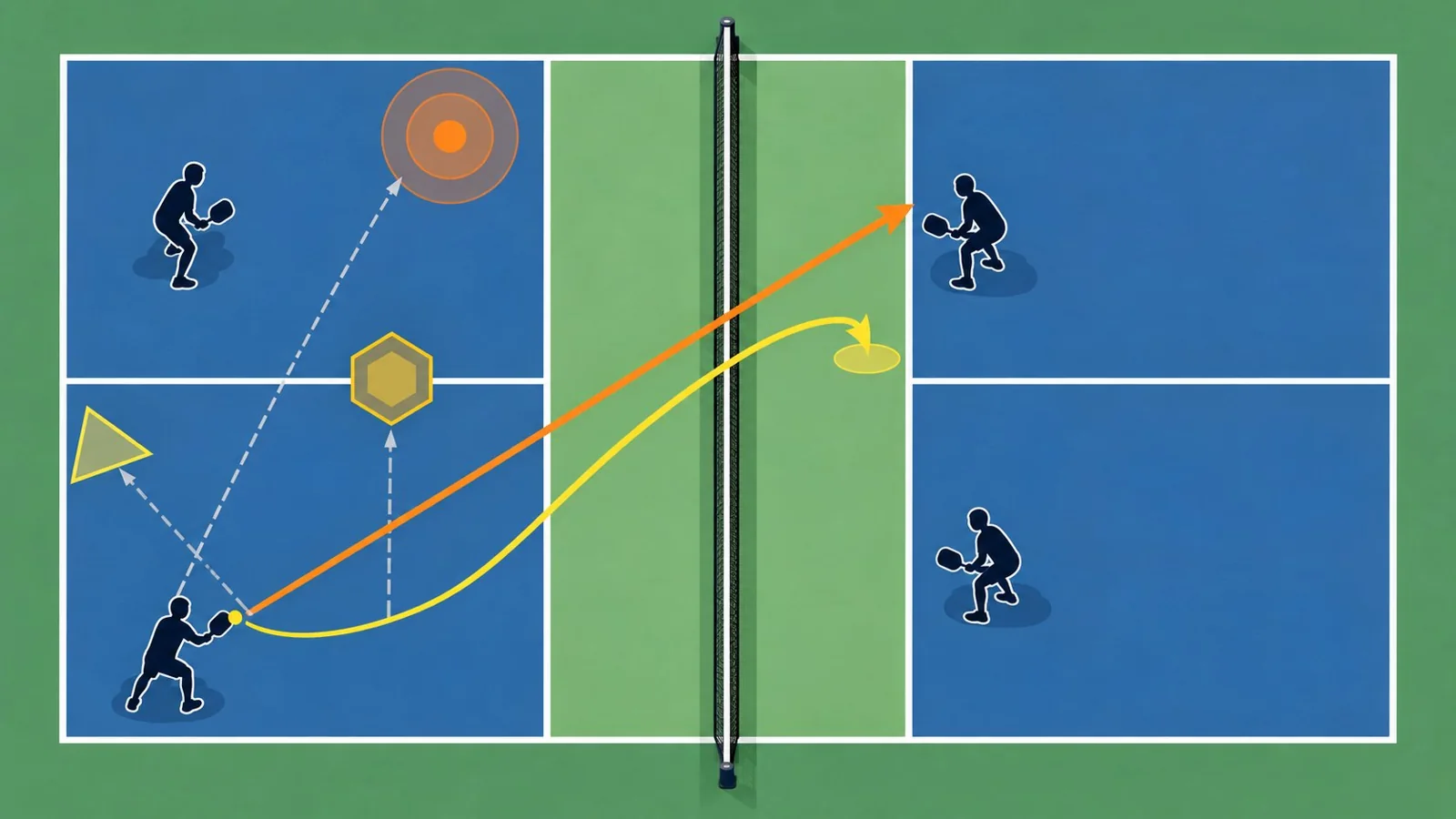
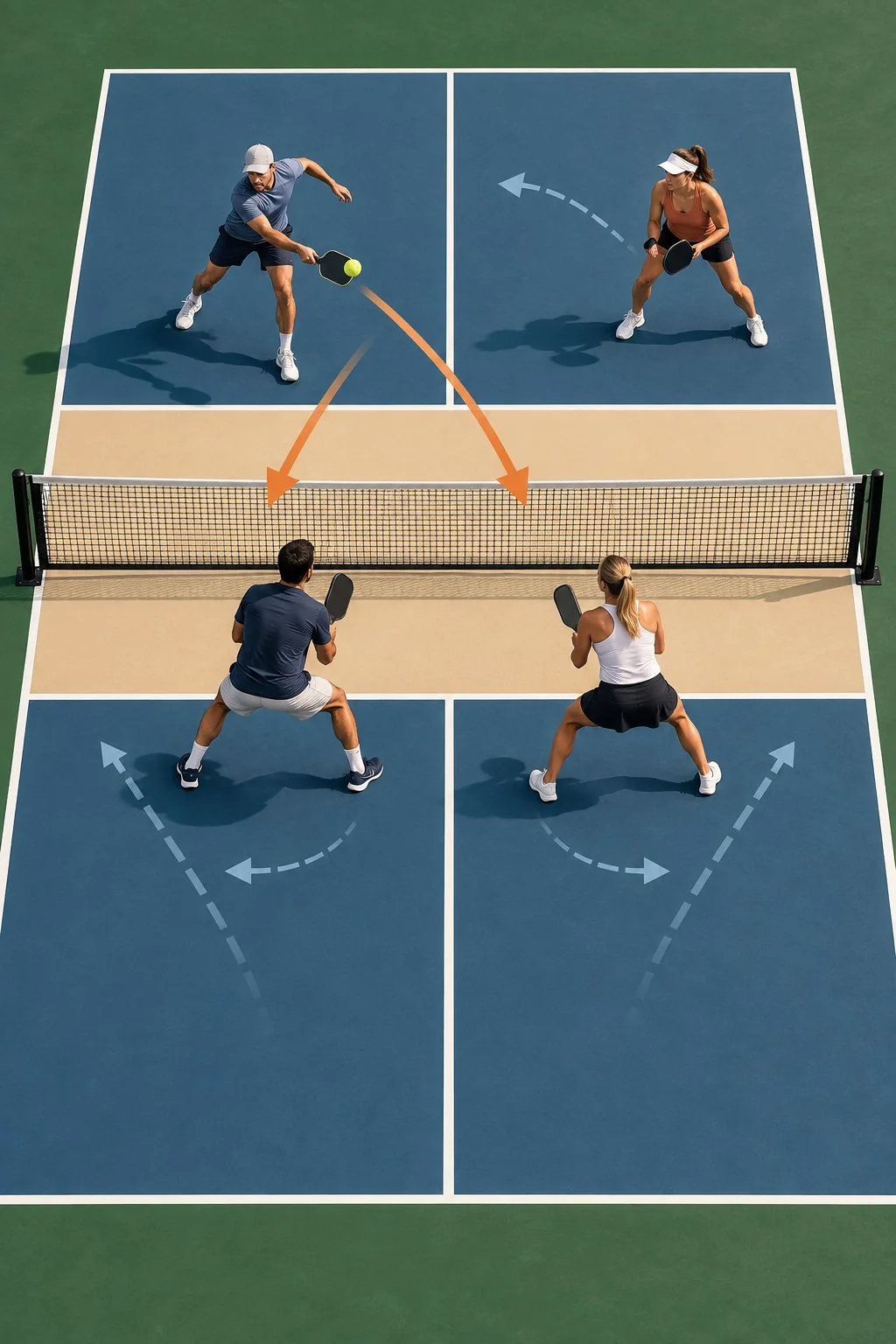
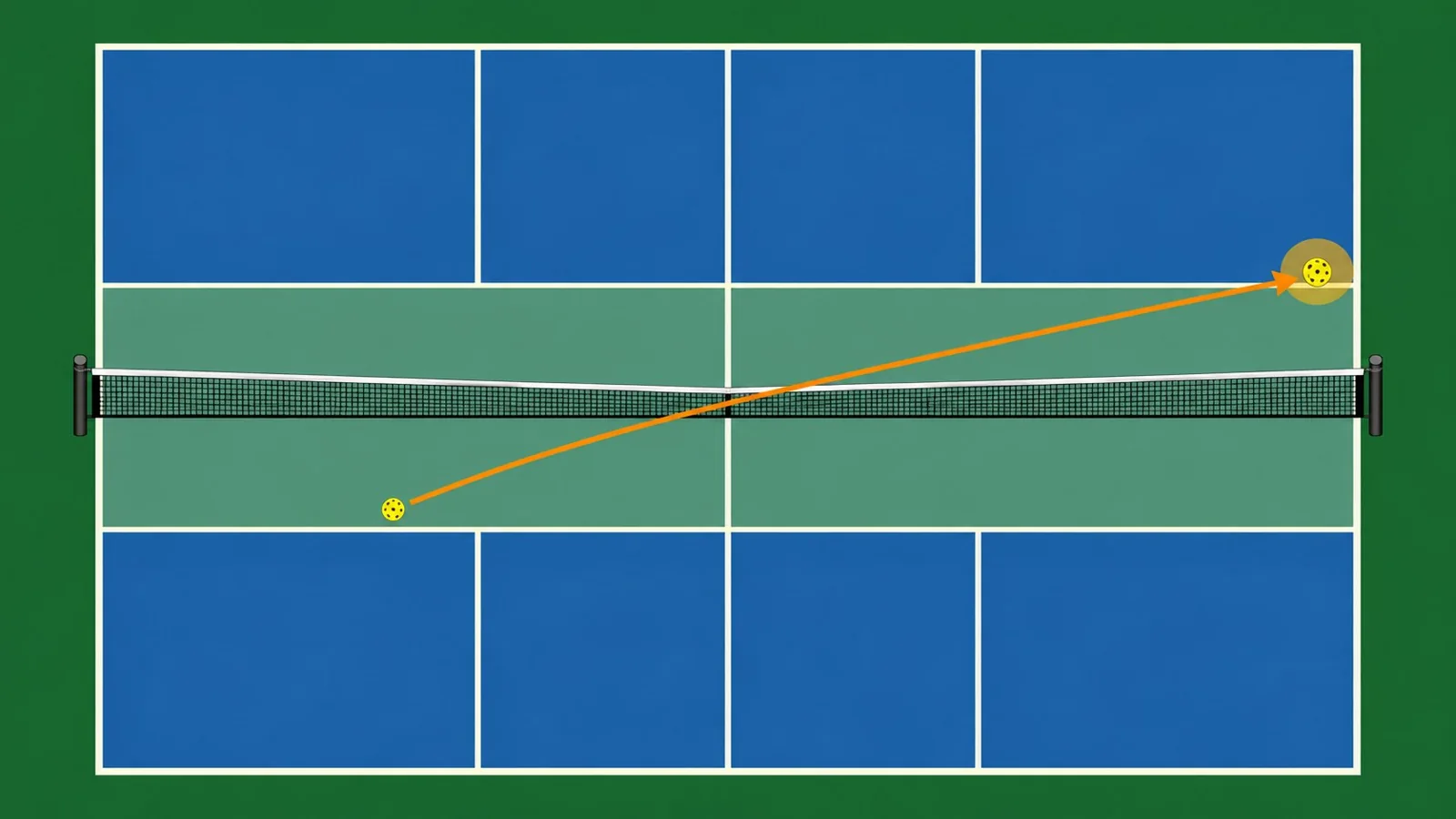
Cross-Court or Down-the-Line Dink: Choose the Safer Direction
Compare cross-court and down-the-line dinks through court geometry, opponent position, recovery, spin, and Erne risk.
Compare cross-court and down-the-line dinks through court geometry, opponent position, recovery, spin, and Erne risk.
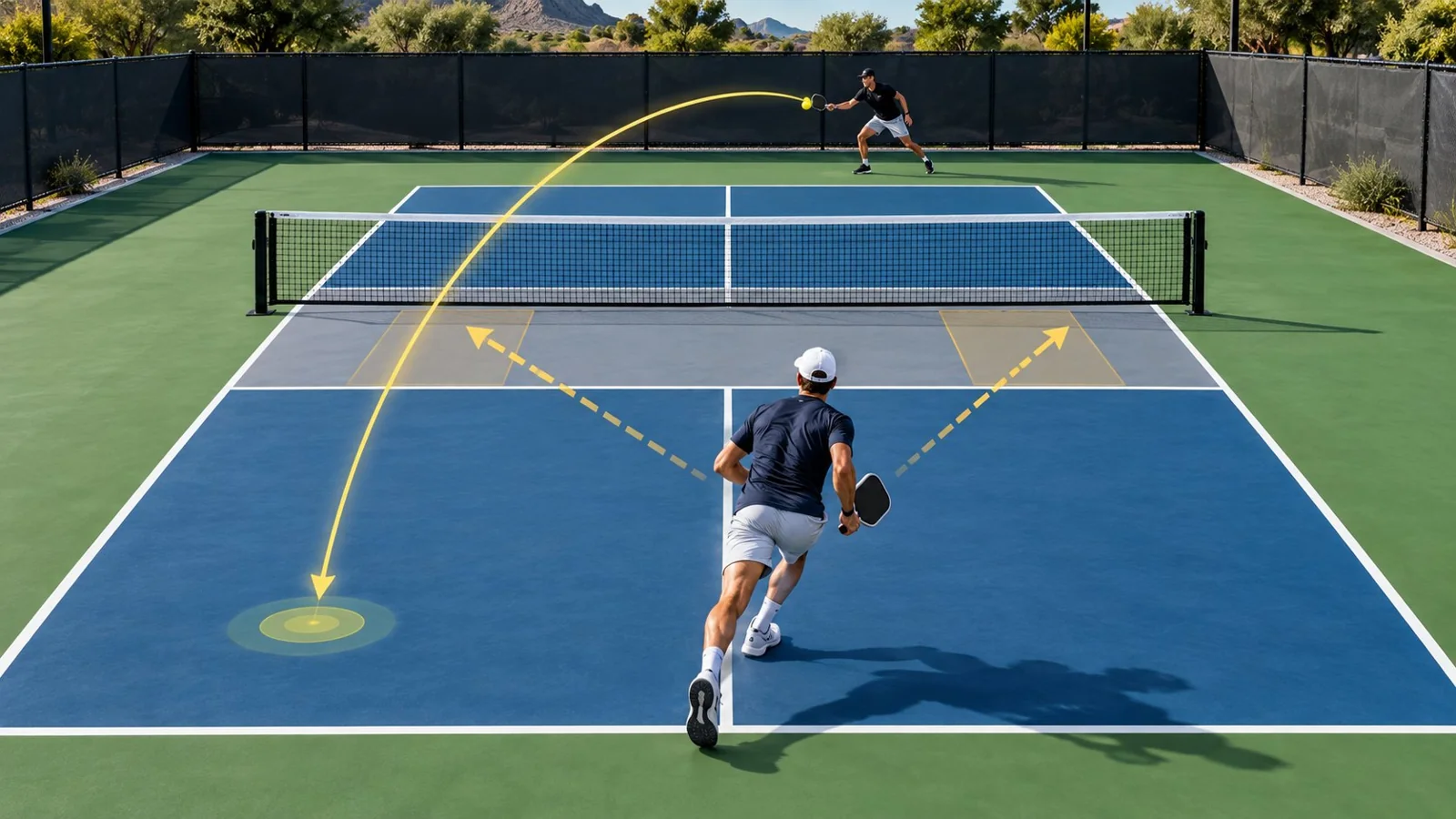
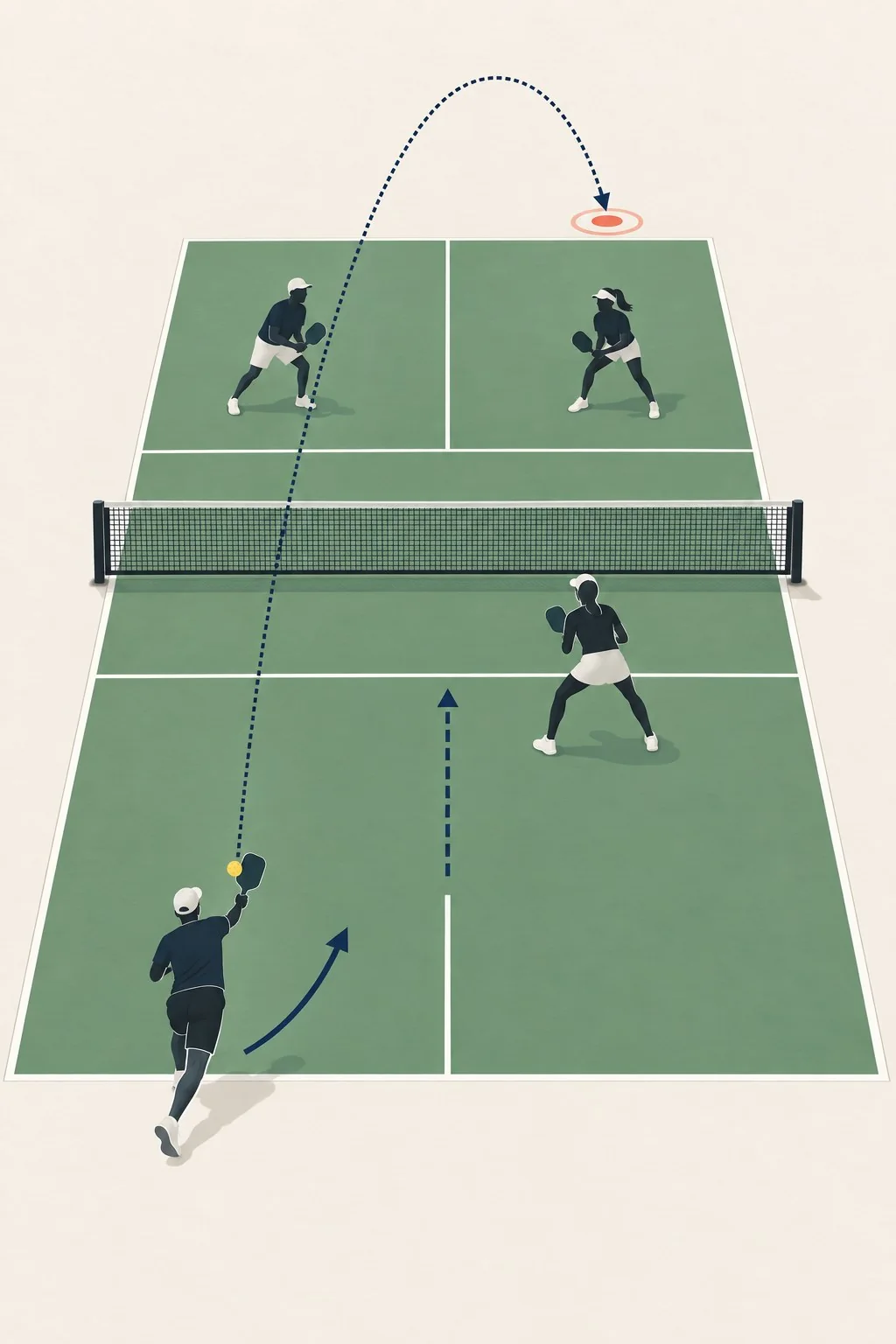
Choose the third-shot drive from the ball in front of you: read return depth, bounce height, opponent position, and your ability to recover.
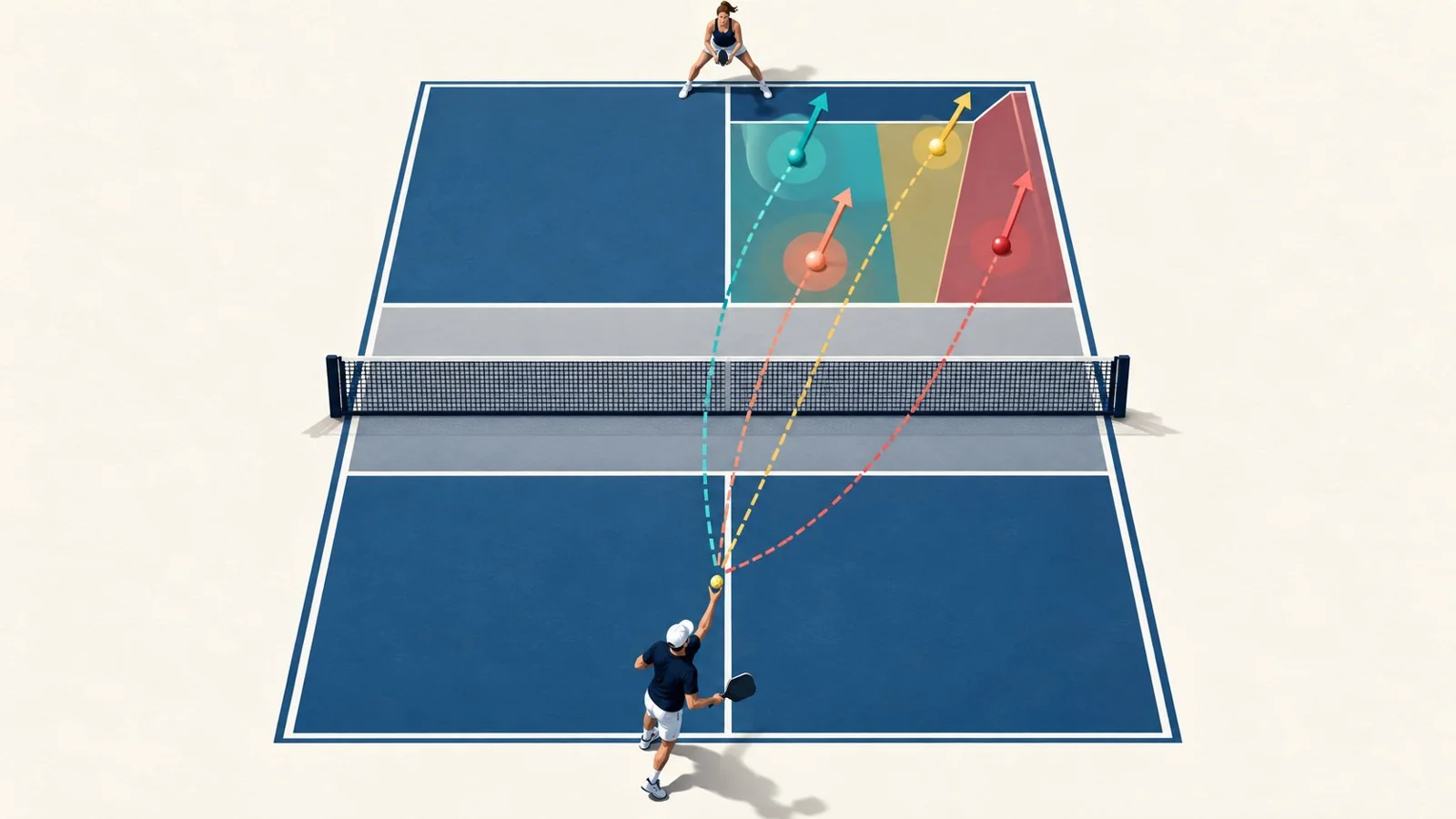
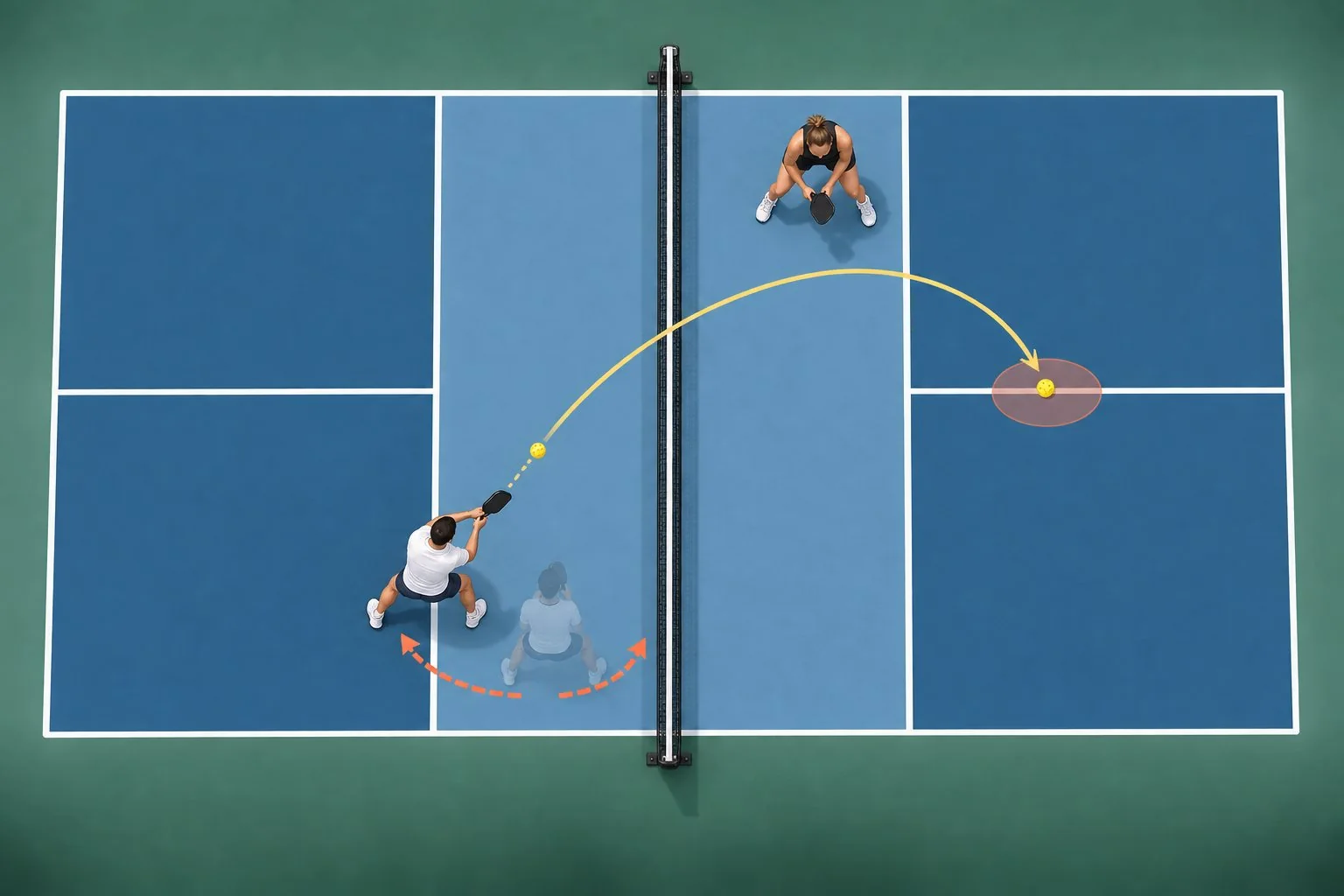
A practical guide to pickleball serve placement: build a deep default, choose targets by receiver, practise with zones, and connect each serve to the third shot.
A practical guide to shaping the third-shot drop: create margin over the net, make the ball descend near the opponent’s feet, and advance only behind a playable shot.
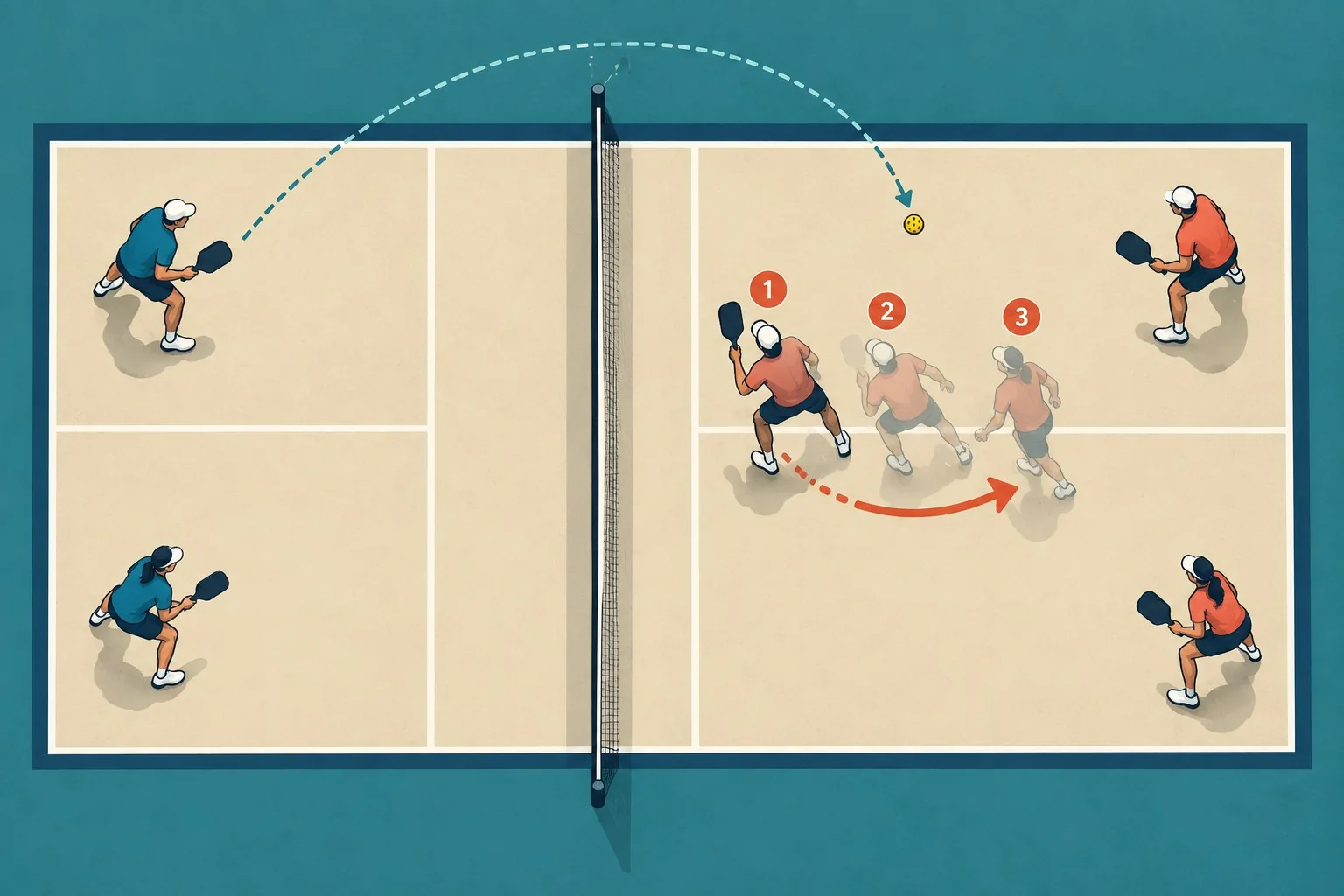
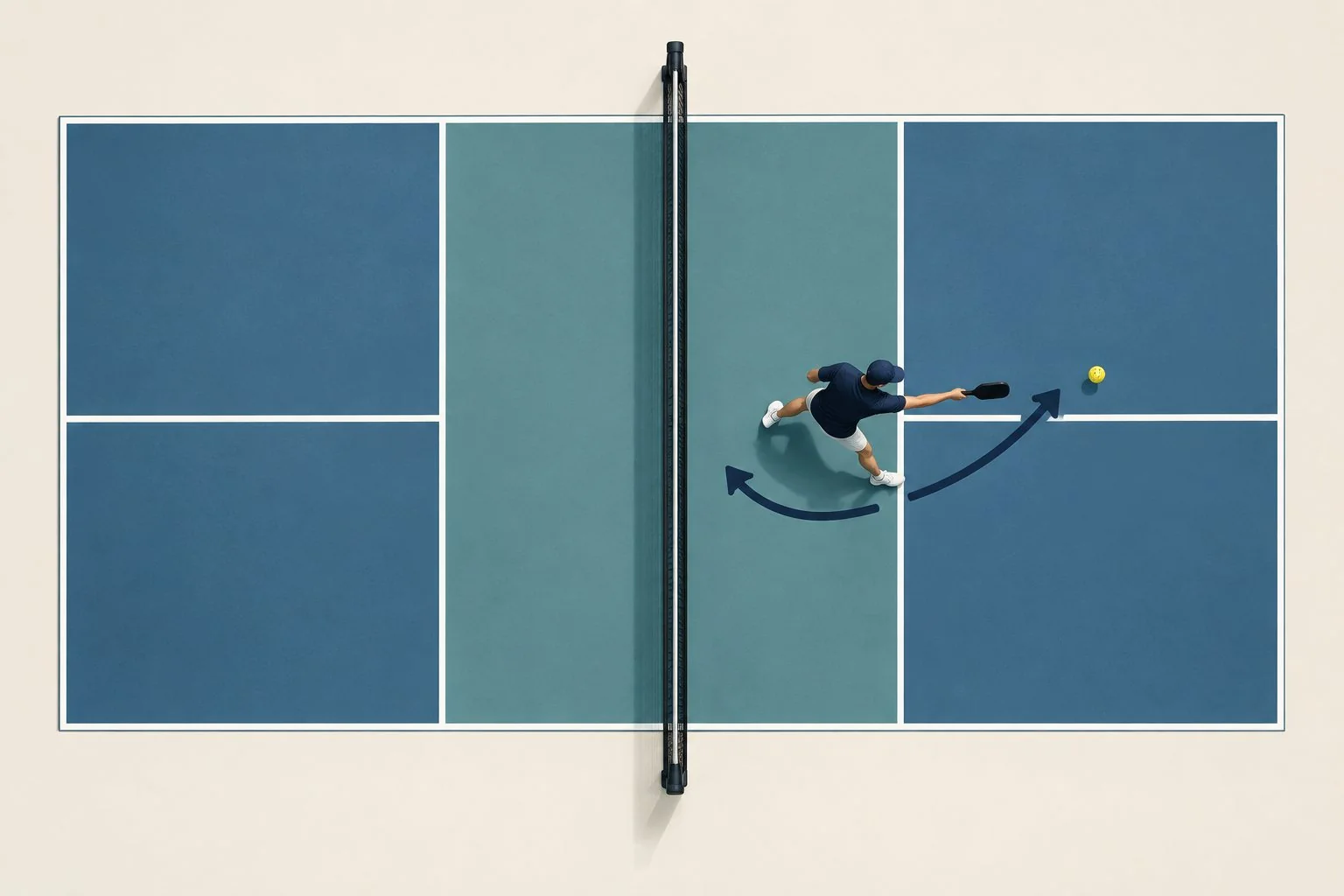
A practical guide to pickleball singles positioning: recover toward center, brake with balance, time the split step, and protect the most likely passing lane.
A practical guide to the pickleball paddle ready position: keep the paddle centered, time your feet, choose a controlled response, and recover together.
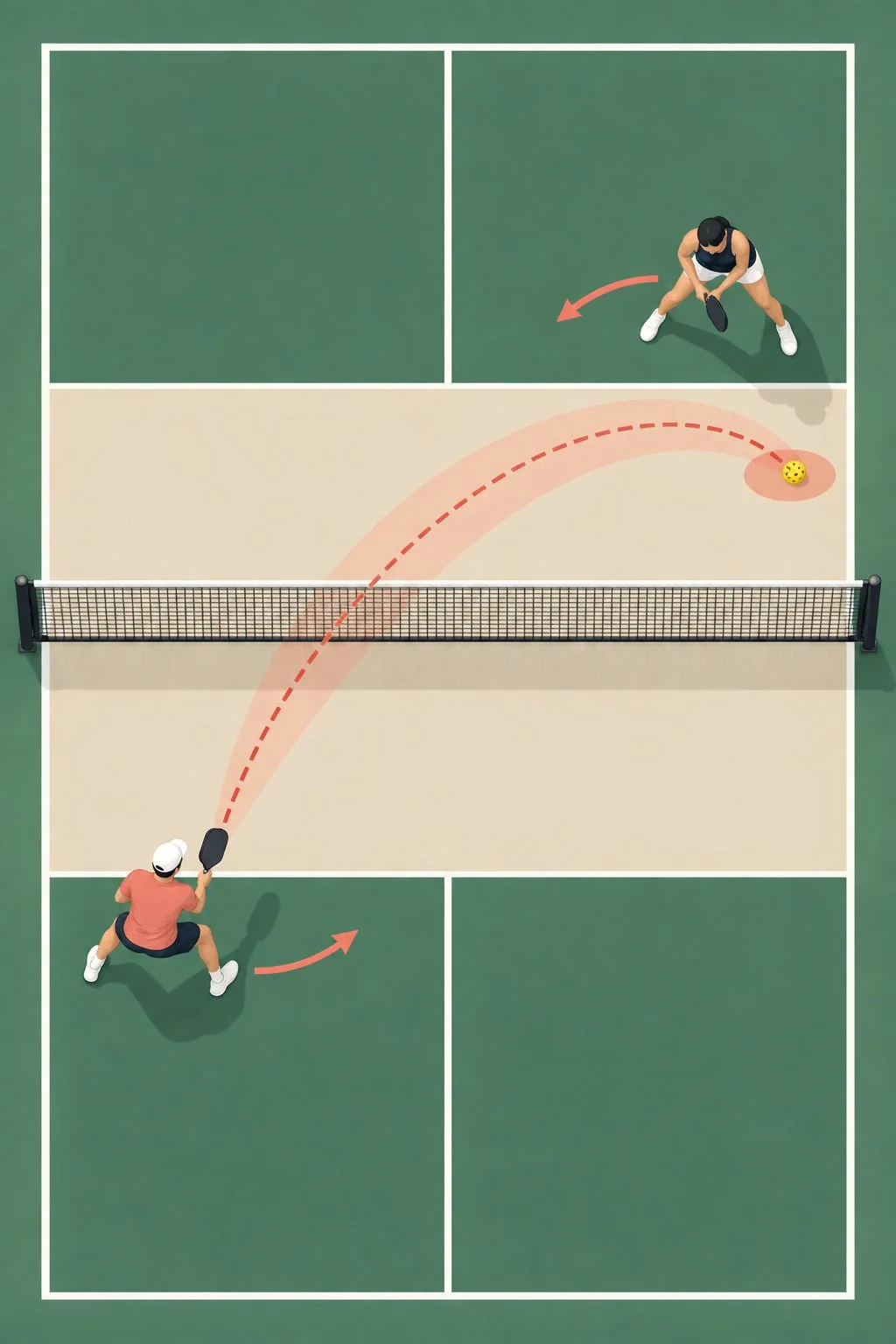
A practical guide to the pickleball return arc: add safe net margin, land deep, adjust to serve depth, and move forward ready for the next ball.
A practical guide to pickleball overhead footwork: turn early, track the lob, choose the right retreat, set a balanced contact, and recover for the next ball.
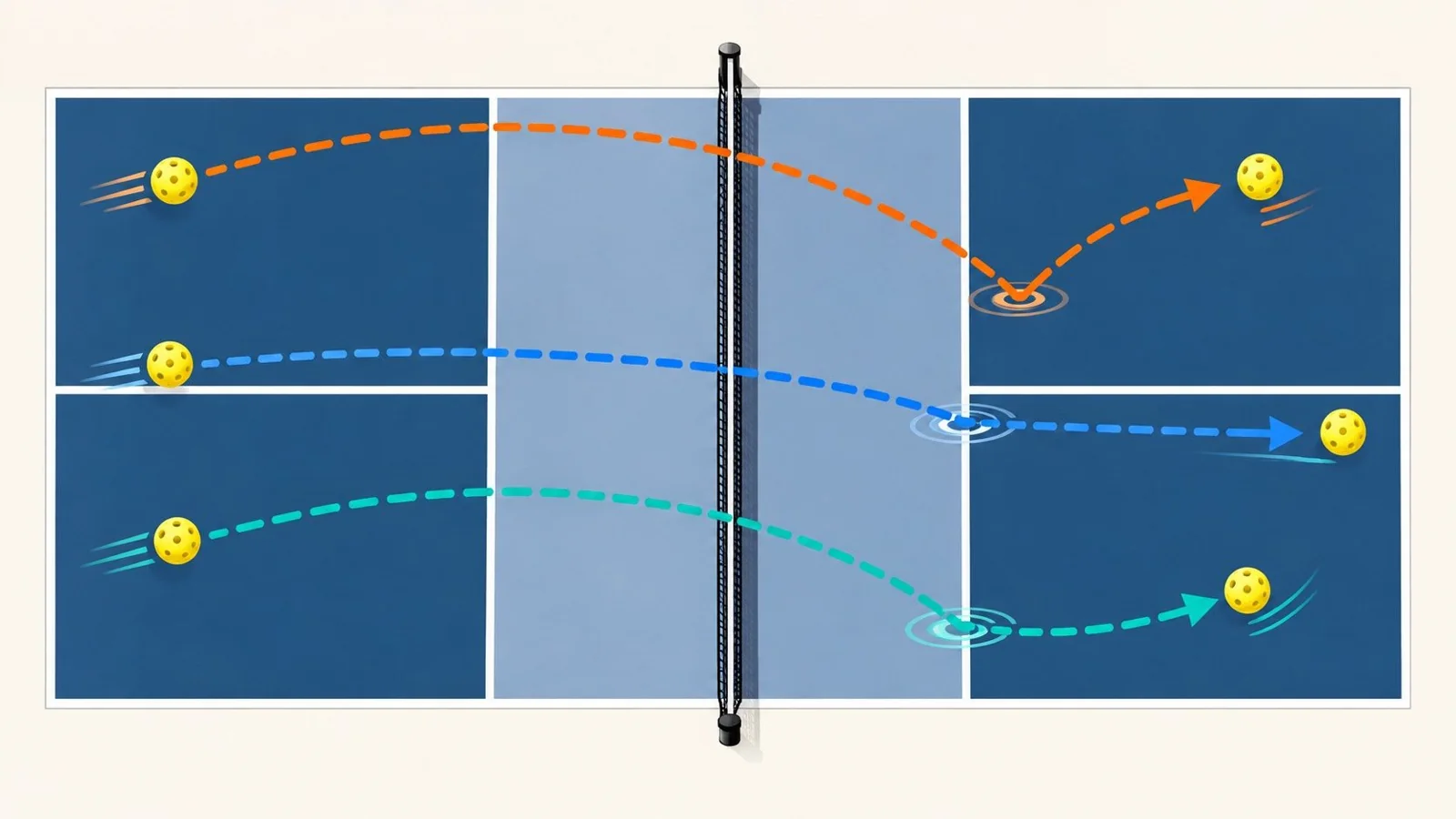
A practical guide to recognizing pickleball spin early and matching your footwork, paddle angle, timing, and target to the bounce.
A practical guide to the pickleball serve-plus-one pattern: use a purposeful serve, read the return, choose the right next ball, and move with balance.
A practical guide to the pickleball backhand dink: create space, contact in front, clear the net with margin, choose useful targets, and recover.
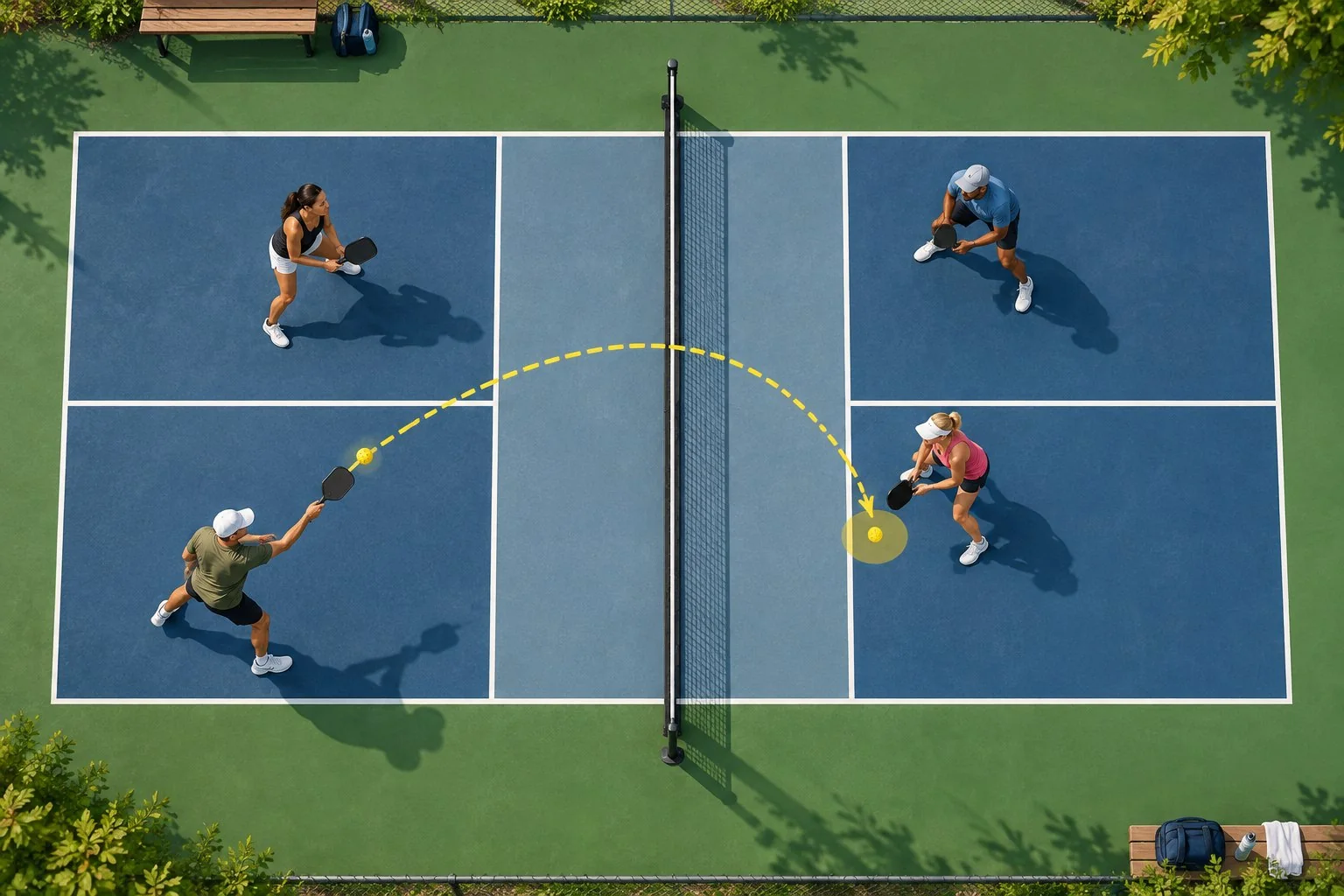
Build a reliable crosscourt dink with better margin, calmer contact, smarter angles, and drills that connect the shot to recovery.