Rules
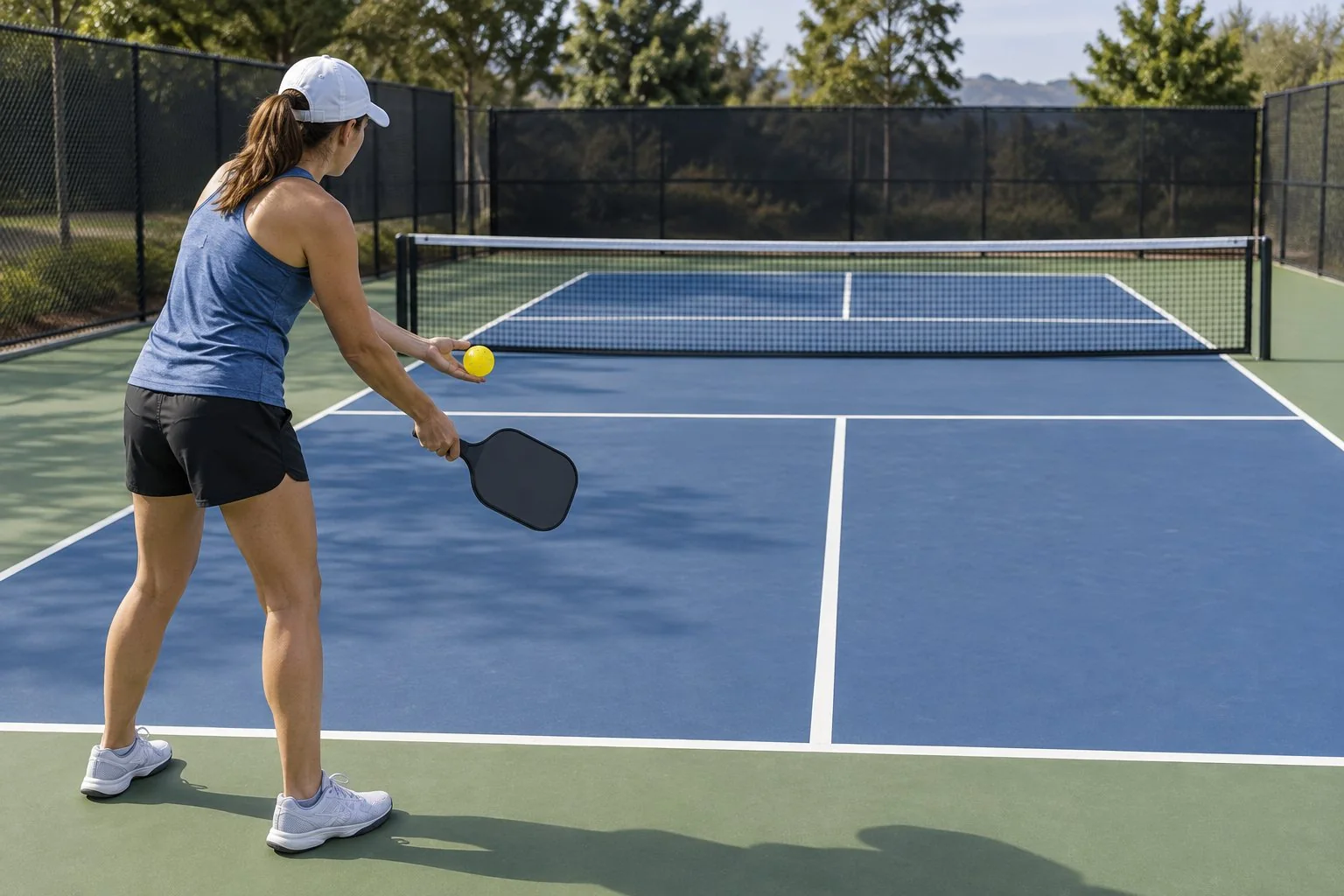
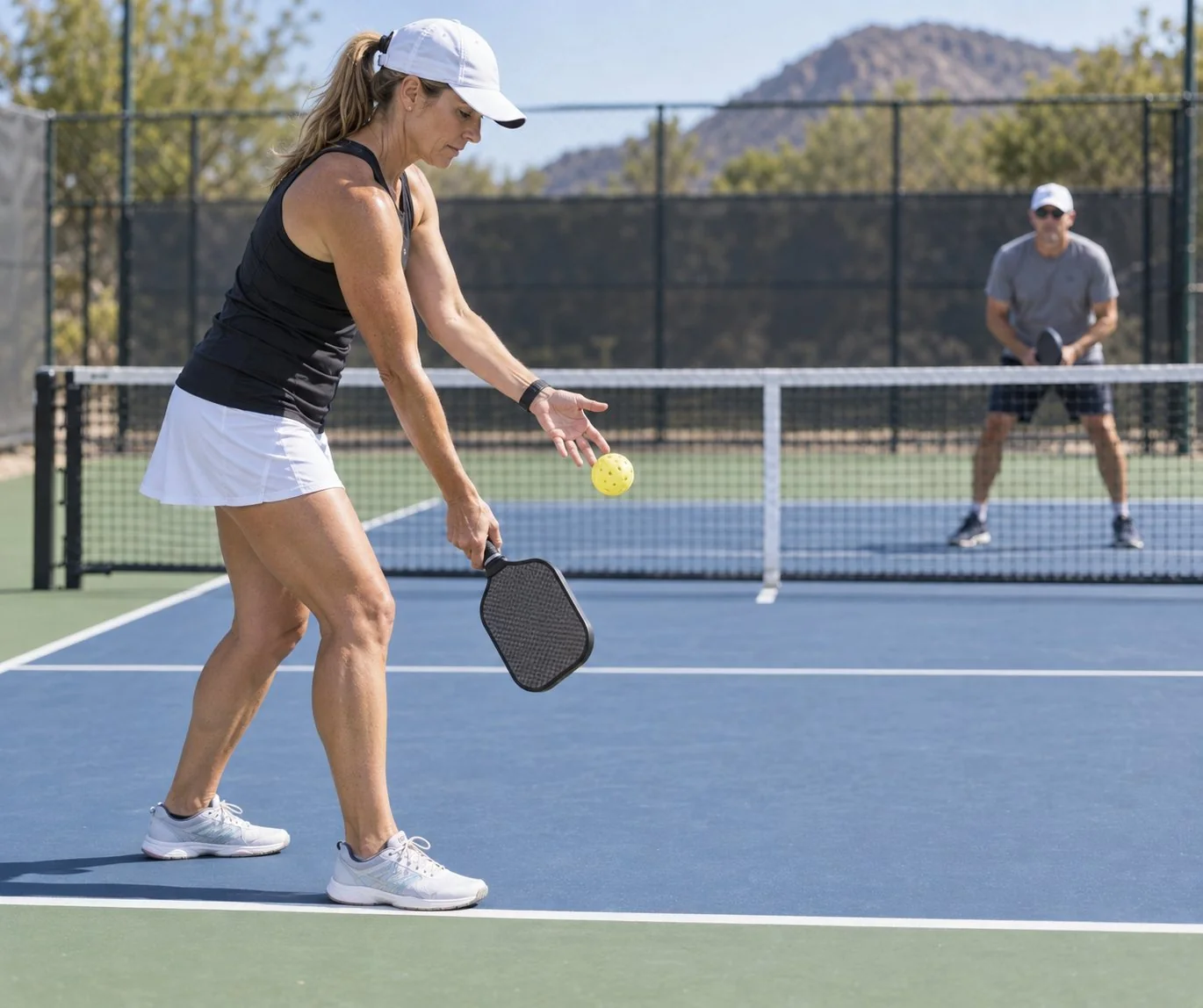
Pickleball Service Motion Rules: What Counts as Legal
Understand pickleball service motion rules: legal contact, paddle position, feet, release, and simple examples for checking a serve before a match.
Pickleball rules in plain language: serving, the kitchen (non-volley zone), scoring and the faults beginners make most often.
Understand pickleball service motion rules: legal contact, paddle position, feet, release, and simple examples for checking a serve before a match.
A practical guide to pickleball net-contact faults: what counts, why timing matters, how ball contact differs, and how to avoid preventable calls.
A practical guide to pickleball dead balls, including faults, out balls, double bounces, hinders, and fair replay decisions.
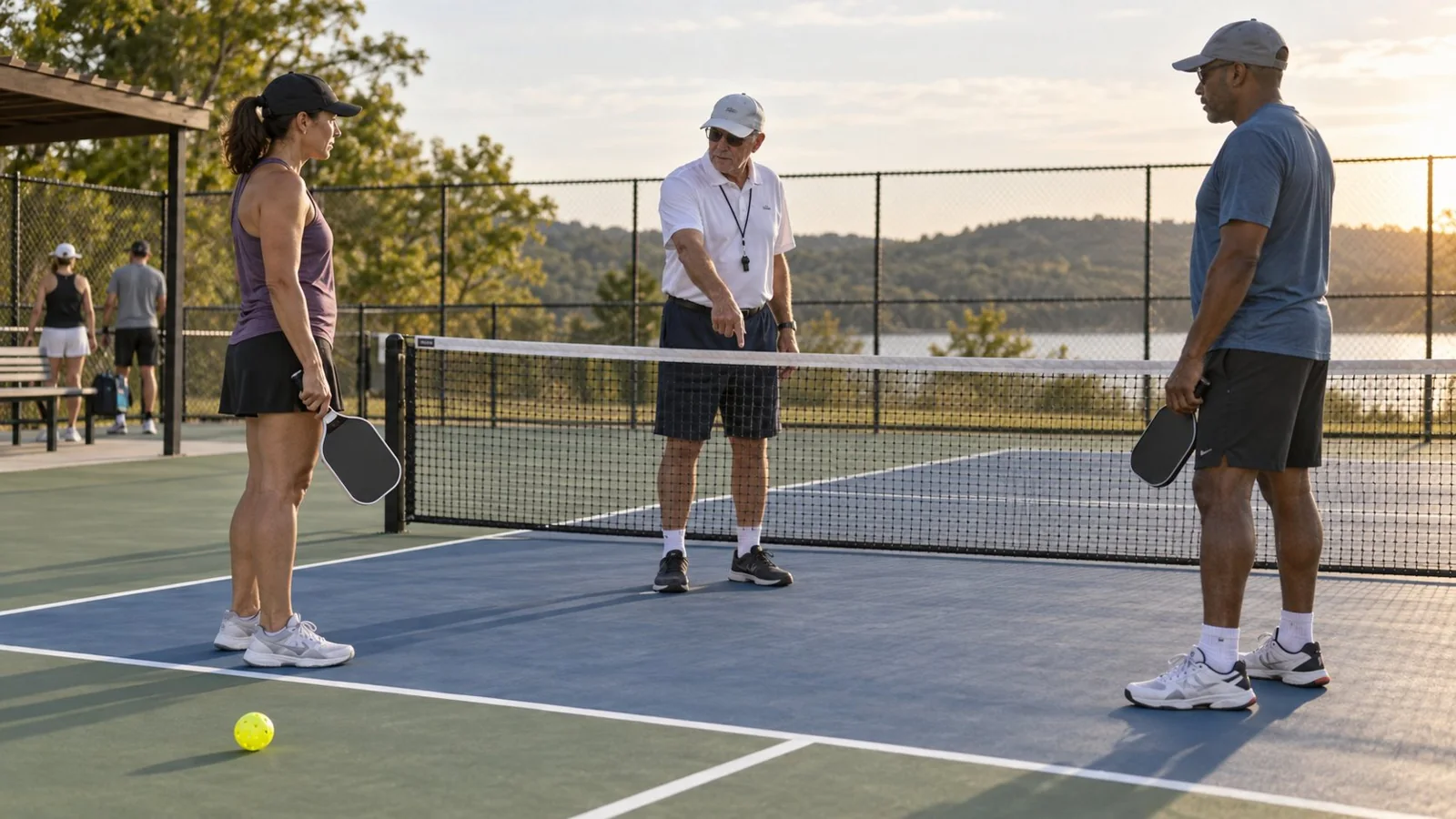
A clear guide to pickleball service lets, net clips, legal landing zones, faults, replays, and practical calls for open play.
A practical guide to placing, anchoring, and maintaining pickleball court benches without blocking walkways or sightlines.
Learn when a pickleball that bounces first and then reaches the net post wins the rally, and how to distinguish that sequence from a fault.
Learn how to make fair pickleball line calls when a ball lands near the sideline, baseline, or kitchen line.
Learn the pickleball carry rule, how to distinguish a legal scoop from a carried ball, and how accidental double hits are treated.
Understand when a pickleball volley near the kitchen line becomes a fault, how momentum matters, and how to make calmer calls.
Learn where both feet must be during a pickleball serve, which boundary mistakes are common, and how to build a legal pre-serve routine.
Learn when an interruption requires a pickleball replay, when a rally should stand, and how to reset the score, server, and positions fairly.
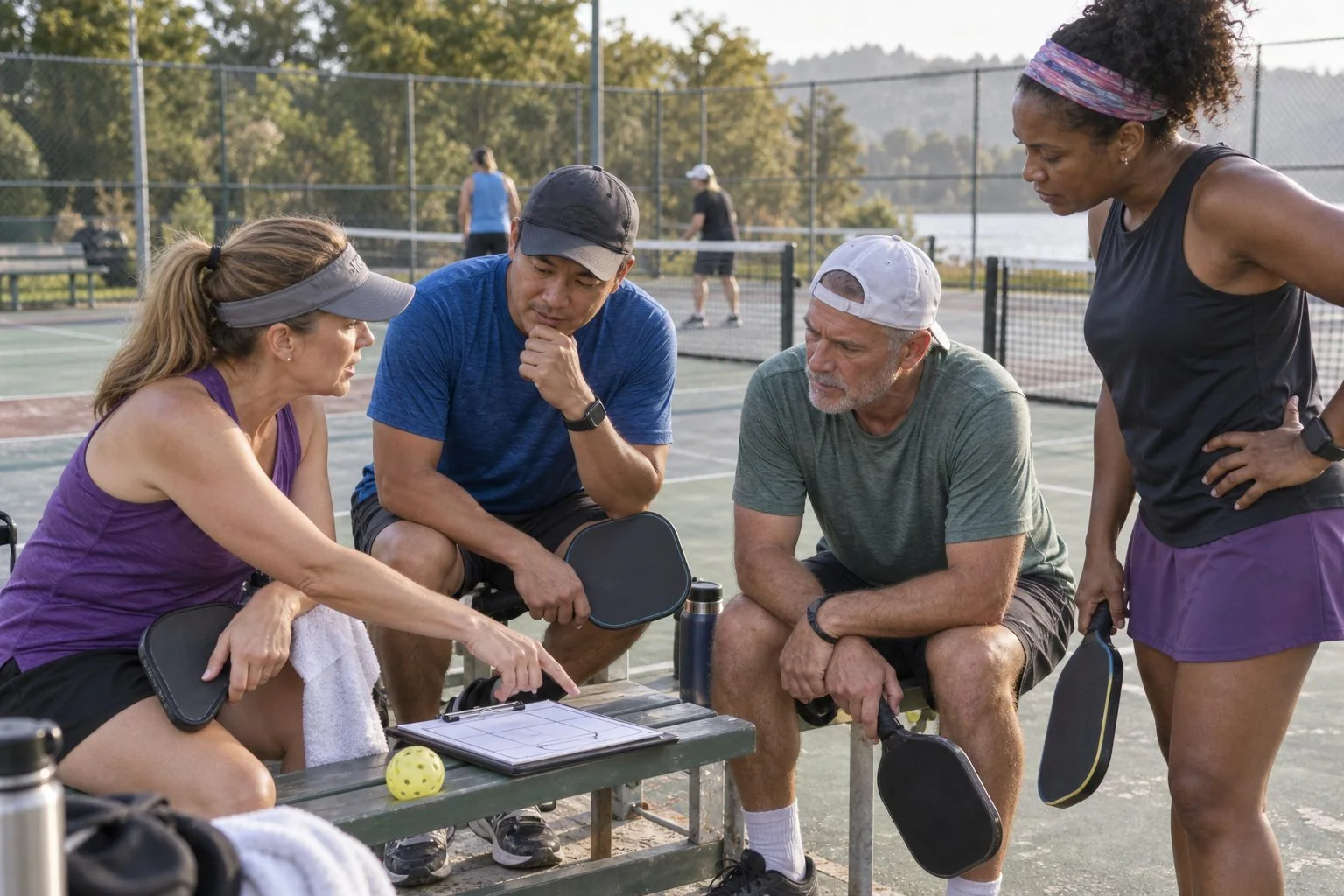
Build a pickleball tournament strategy with pressure practice, warm-up timing, opponent scouting, shot selection, timeouts, and match-day adjustments.