Technique
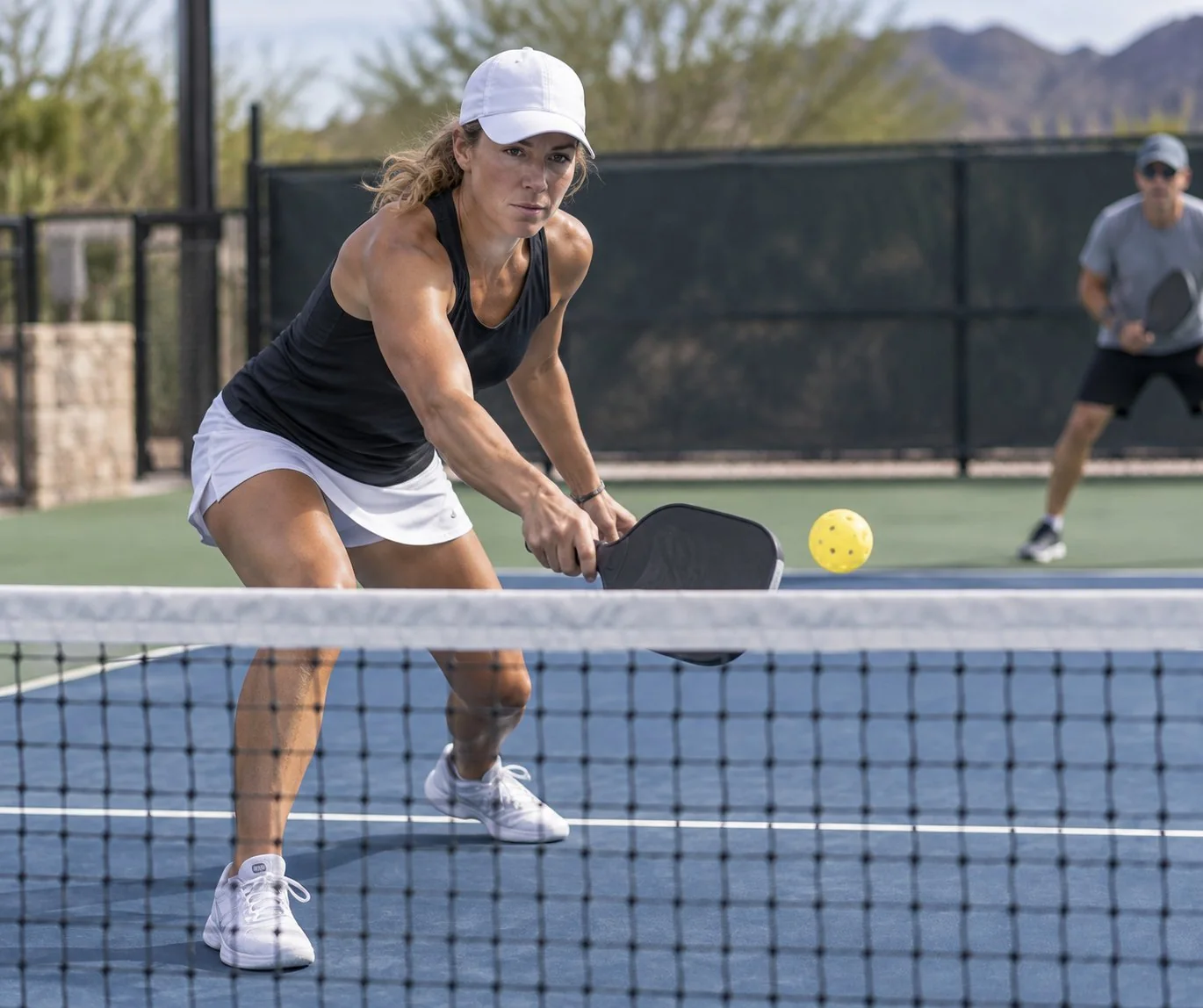
Pickleball Fifth Shot Drop: How to Recover and Move Forward
Use the fifth shot drop to recover after a difficult third-shot exchange, create a safer arc into the kitchen, and move forward only when your position is ready.
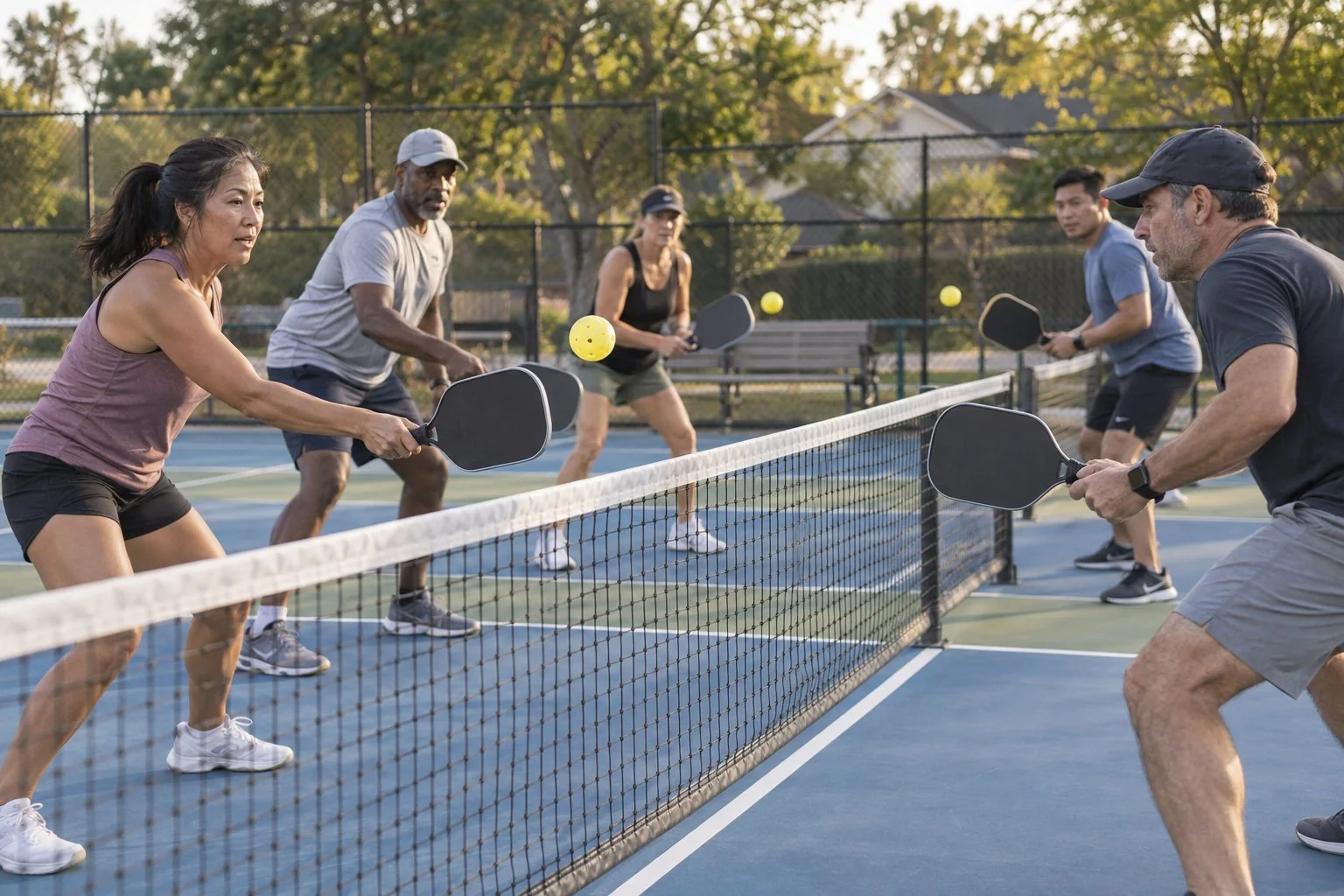
Pickleball shots, footwork and strategy: the dink, third shot drop, serve, court positioning and how to play as a doubles pair.
Use the fifth shot drop to recover after a difficult third-shot exchange, create a safer arc into the kitchen, and move forward only when your position is ready.
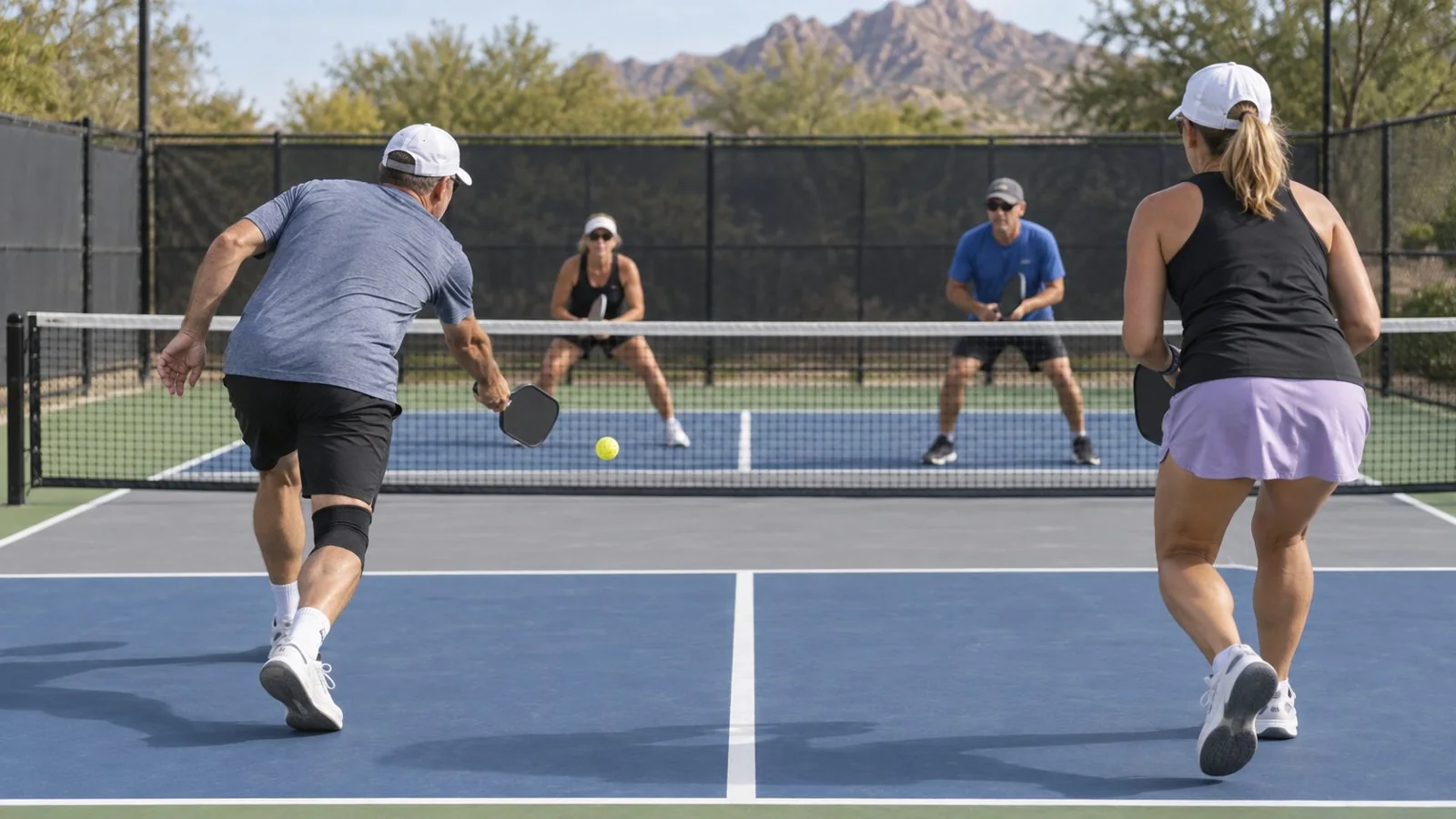
Learn pickleball kitchen spacing with small steps, balanced posture, partner awareness, and drills that make your front-court position easier to repeat.
Learn where the pickleball sweet spot sits, how contact changes feel and control, and which simple drills help you find it under pressure.
Learn pickleball lob defense: read the ball early, choose a safe reset or overhead, recover with balance, and track decisions in practice.
Learn pickleball serve spin: control the paddle path, choose a safe target, read the bounce, and measure practice without chasing risky rotation.
Learn the pickleball split step: time the landing, stay balanced at the kitchen, read the opponent, and use measured drills to build a reliable first move.
Learn pickleball drive defense for body shots: set the paddle early, choose a compact block, protect the kitchen line, and measure your practice.
Learn the pickleball reset shot from the transition zone: choose contact height, paddle angle, landing targets, footwork, and drills for safer control.
Learn pickleball return depth with target zones, contact height, footwork, recovery choices, and simple drills that measure consistency without chasing power.
Pickleball dink height affects time, bounce, and attack risk. Learn a practical contact check, target zone, and drills for keeping soft shots low.
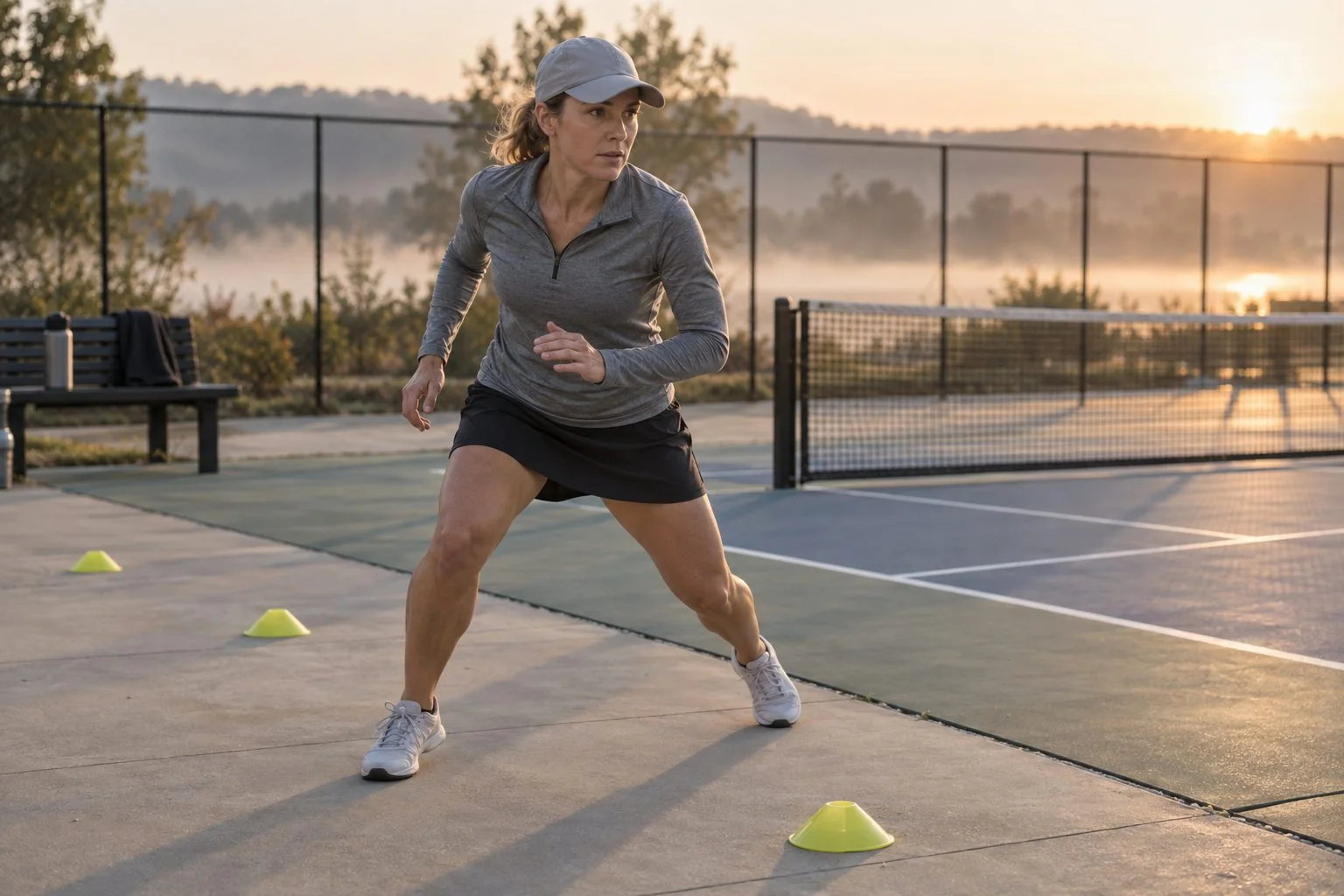
Use this pickleball warm-up routine before play: raise your temperature, move the shoulders and hips, rehearse footwork, and finish with easy rallies.
Improve pickleball reflexes with rapid volleys, random feeds, wall drills, balance work, anticipation cues, and safe weekly practice targets.